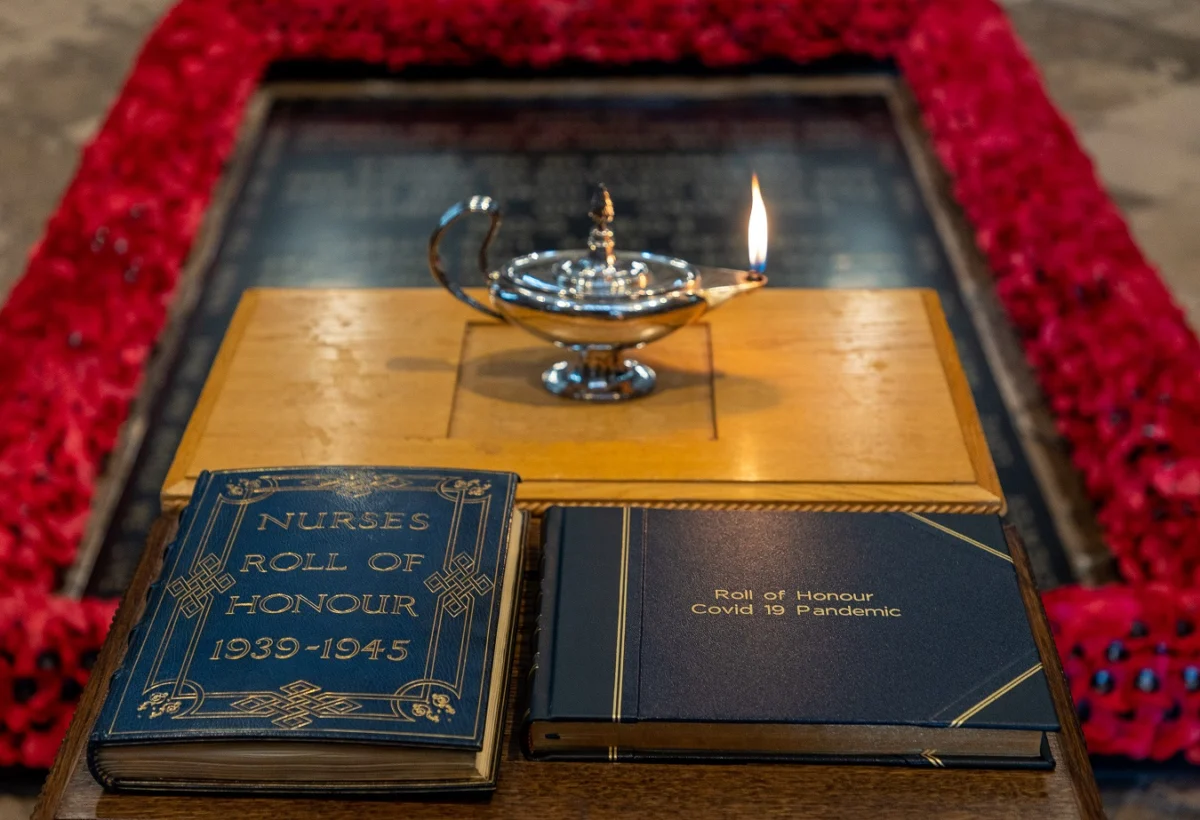
The Florence Nightingale Foundation (FNF), the UK’s leading charity dedicated to the professional development and leadership of nurses and midwives, has launched a significant public appeal to help complete its historical archives. The campaign focuses on identifying the individuals who have participated in the "Procession of the Lamp" during the annual Florence Nightingale Commemoration Service at Westminster Abbey. While the service is a cornerstone of the nursing calendar, gaps in the charity’s records have left several years of this prestigious role uncredited, prompting a nationwide search for the nurses and midwives who once carried the symbolic light.
This initiative comes at a time when the nursing profession is increasingly looking toward its heritage to bolster professional identity and morale amidst modern workforce challenges. The Florence Nightingale Foundation aims to create a definitive historical roll of honor, ensuring that every professional who has represented the "Lady with the Lamp" at the national altar is recognized for their contribution to the legacy of the profession.
The Symbolism of the Nightingale Lamp
The lamp carried during the Westminster Abbey service is not merely a ceremonial prop; it is a powerful symbol of the transition of knowledge, the dedication to patient care, and the enduring light of the nursing profession. The original "lamp" associated with Florence Nightingale was actually a Turkish lantern (a fanoos) which she carried during her rounds at the Scutari Hospital during the Crimean War (1853–1856).
In the context of the annual service, the lamp represents the "Lamp of Learning." Traditionally, the lamp is carried through the Abbey by a nurse and is then passed from one generation to the next, often from a senior, distinguished leader to a student nurse or a newly qualified professional. This "Passing of the Lamp" signifies the transfer of responsibility for the health and well-being of the nation and the preservation of the values Nightingale established: evidence-based practice, hygiene, and compassionate care.
By identifying former lamp carriers, the Foundation seeks to reconnect with its alumni and document the personal stories of those who stood at the center of this tradition. Many of these individuals have gone on to hold senior positions within the National Health Service (NHS) or global health organizations, making their identification a matter of both historical and professional significance.
A History of the Commemoration Service
The annual service at Westminster Abbey is held each May to coincide with Florence Nightingale’s birthday on May 12, which is also recognized globally as International Nurses Day. The tradition of the service dates back decades, serving as a moment of reflection and celebration for the nursing and midwifery professions.
The ceremony typically includes the Procession of the Lamp, which moves from the Grave of the Unknown Warrior to the High Altar. It is a high-profile event attended by members of the Royal Family, senior government officials, and hundreds of nurses from across the Commonwealth. Despite the high visibility of the event, the FNF has noted that its internal records—particularly those from the mid-to-late 20th century—are incomplete. The transition from paper-based archives to digital systems, combined with organizational changes over the years, has resulted in several "missing years" where the names of the lamp carriers were either not recorded or the records were lost.
Timeline of the Nightingale Legacy and the Foundation
To understand the importance of this search, one must look at the timeline of the Florence Nightingale Foundation and the evolution of the nursing profession:
- 1820: Birth of Florence Nightingale in Florence, Italy.
- 1854: Nightingale travels to the Crimea with a team of 38 women to tend to wounded soldiers.
- 1860: The Nightingale Training School for Nurses is established at St Thomas’ Hospital in London, marking the birth of modern nursing education.
- 1910: Death of Florence Nightingale at the age of 90.
- 1934: The Florence Nightingale International Foundation (FNIF) is established as a living memorial to her work.
- Post-WWII Era: The annual service at Westminster Abbey becomes a formalized tradition, incorporating the symbolic lamp.
- 2020: The World Health Organization (WHO) designates the "Year of the Nurse and the Midwife" to mark Nightingale’s bicentenary, sparking a renewed interest in nursing history.
- 2026: The current campaign is launched to finalize the historical record of lamp carriers ahead of future milestone anniversaries.
The Search for "Missing" Lamp Carriers
The FNF is specifically looking for information from the 1960s, 70s, 80s, and 90s. During these decades, the selection process for the lamp carrier was often handled by different nursing colleges or regional hospital boards, which has contributed to the fragmented nature of the current records.
"We are calling on the nursing community to help us solve these historical puzzles," a spokesperson for the Foundation might state, reflecting the organization’s collaborative approach. "The role of the lamp carrier is one of the highest honors a nurse can receive during their career. We want to ensure that these individuals are properly documented in our archives so that their contribution to our history is never forgotten."
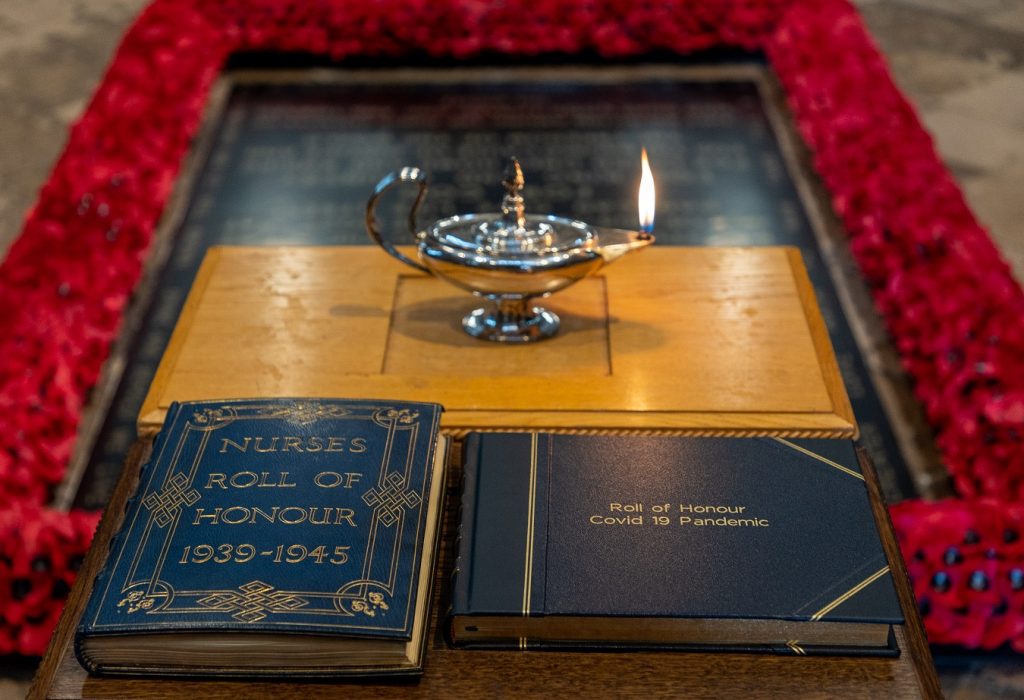
The Foundation is encouraging former carriers, their families, or colleagues who might remember specific ceremonies to come forward with photographs, programs, or personal accounts. The goal is to digitize these records, creating an accessible online gallery that tracks the lineage of the lamp from the earliest services to the present day.
Supporting Data: The Scale of the Nursing Profession
The importance of preserving this history is underscored by the sheer scale of the nursing workforce today. In the United Kingdom, there are over 780,000 nurses and midwives registered with the Nursing and Midwifery Council (NMC). The Florence Nightingale Foundation plays a crucial role in this ecosystem, providing leadership scholarships that have benefited thousands of professionals.
Data suggests that professional heritage and a sense of belonging are key factors in workforce retention. A 2024 study on nursing morale indicated that professionals who felt a strong connection to the history and values of nursing were 15% more likely to remain in the profession during periods of high stress. By celebrating the "lamp carriers," the FNF is not just looking backward; it is actively working to strengthen the professional identity of the current and future workforce.
Official Responses and Professional Impact
The campaign has received early support from various nursing leaders and historical societies. Dame Ruth May, the former Chief Nursing Officer for England, has previously spoken about the profound impact of the Nightingale legacy on modern practice. "Florence Nightingale’s influence is woven into the fabric of every hospital ward and community clinic," she noted during a prior commemoration. "Honoring those who have carried her lamp is a way of honoring the profession itself."
The Royal College of Nursing (RCN) has also signaled its support for the project, noting that archival research is essential for understanding the evolution of nursing roles. The RCN’s own archives often intersect with those of the FNF, and there is hope that a cross-referenced search will yield the names of the missing carriers.
From a sociological perspective, the "Lamp Carrier" serves as a bridge between the Victorian origins of nursing and the high-tech, clinical reality of the 21st century. Identifying these individuals allows historians to track how the "ideal" of the nurse has changed over time—from the strictly disciplined matrons of the mid-century to the autonomous, research-driven practitioners of today.
Broader Implications: Heritage in a Digital Age
The FNF’s quest highlights a broader challenge facing many long-standing institutions: the preservation of "institutional memory" in the transition to the digital age. As the generation of nurses who trained in the 1950s and 60s enters retirement, there is a narrow window of opportunity to capture their oral histories and personal records before they are lost.
Furthermore, this campaign serves as an important piece of public relations for the nursing profession. At a time when the NHS faces significant recruitment and retention crises, emphasizing the prestige, tradition, and global impact of nursing can serve as a powerful recruitment tool. The image of the Nightingale Lamp remains one of the most recognizable symbols of healthcare globally, and by personifying that symbol through the stories of real nurses, the FNF humanizes the history of medicine.
The Foundation plans to conclude this phase of the search by the end of the year, with the intention of publishing a commemorative book or digital interactive map in time for the 2027 service. This resource will allow users to click on a specific year and see the name, photograph, and career summary of the lamp carrier, as well as the names of the scholars and dignitaries who attended.
Conclusion: A Call to Action
The Florence Nightingale Foundation is urging anyone with information to contact their archival team. Whether it is a faded photograph in an old scrapbook or a mention in a local hospital newsletter from decades ago, every piece of evidence is vital.
The search for the former lamp carriers is more than an exercise in bookkeeping; it is an act of professional gratitude. As the nursing profession continues to evolve, facing new pandemics, technological shifts, and demographic pressures, the light of the Nightingale Lamp remains a constant. Ensuring that the names of those who carried that light are recorded is a vital step in honoring the past and inspiring the nurses of the future. By filling these gaps, the FNF ensures that the chain of leadership and care remains unbroken, reflecting the enduring truth of Nightingale’s vision: that nursing is a progressive art, where to stand still is to go backward.