
Introduction: A Lifelong Battle Meets a Modern Solution
n
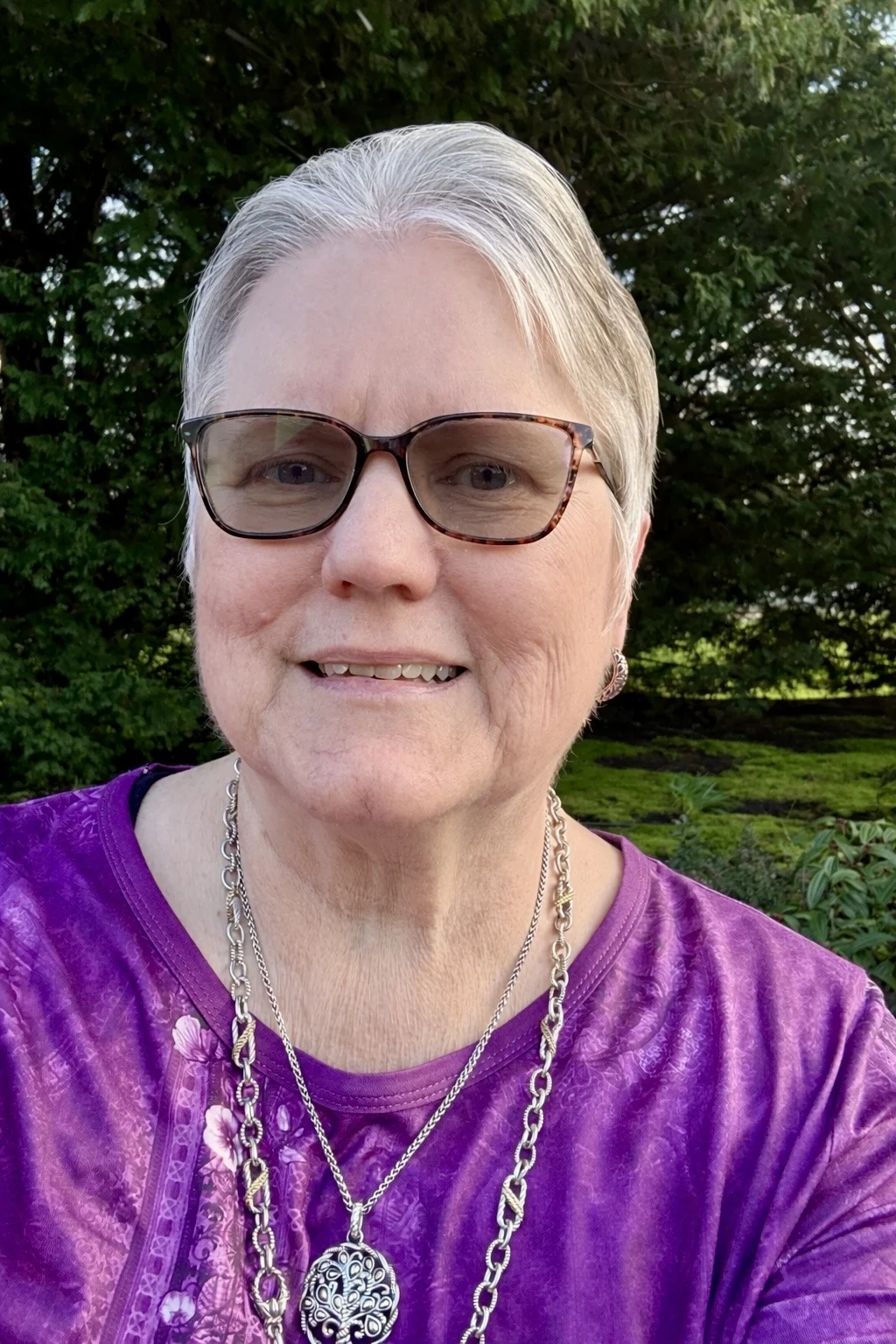
For Sue G., a 72-year-old member of the Obesity Action Coalition (OAC), the journey through the landscape of American healthcare has been a seventy-year odyssey defined by a single, relentless challenge: obesity. Her story, which mirrors the experiences of millions of aging Americans, is no longer just a personal narrative of struggle and resilience. It has become a focal point in a national conversation regarding medical access, the science of metabolic health, and the evolving legislative framework of Medicare.
n
As the medical community increasingly recognizes obesity not as a moral failing but as a complex, chronic disease, the barriers to treatment—both financial and psychological—are finally beginning to crumble. The emergence of the Medicare GLP-1 Bridge Program in 2026 marks a pivotal shift in this narrative, providing a lifeline to seniors who have long been excluded from the most effective pharmacological interventions due to prohibitive costs and antiquated insurance policies.
n
Main Facts: The Intersection of Biology, Policy, and Access
n
The core of Sue G.’s experience lies in the transition from traditional "willpower-based" dieting to modern medical intervention. After decades of weight cycling—reaching a peak weight of 308 pounds—Sue found herself at a crossroads in 2024. Despite the recommendation of her primary care physician to begin GLP-1 (glucagon-like peptide-1) receptor agonist therapy, she faced two monumental hurdles: the internalized stigma that medication was "cheating" and a healthcare system that refused to foot the bill.
n
In 2025, when Sue was first prescribed semaglutide, she encountered a reality common to many seniors on fixed incomes. Her insurance denied coverage, leaving her with a monthly out-of-pocket cost of approximately $1,300. This price tag effectively placed life-changing medicine out of reach for a significant portion of the population. However, the implementation of the Medicare GLP-1 Bridge Program in 2026 changed the calculus. By July 2026, Sue became one of the early beneficiaries of this initiative, receiving oral Wegovy (semaglutide) and beginning a new chapter in her health journey at age 72.
n
The "Bridge Program" serves as a critical intermediary, designed to provide access to these medications while broader legislative changes, such as the Treat and Reduce Obesity Act (TROA), work their way through the regulatory pipeline. It addresses the "coverage gap" that has historically prevented Medicare Part D from covering weight-loss medications—a policy rooted in 1990s-era perceptions of obesity as a "lifestyle" issue rather than a medical one.
n
Chronology: Seven Decades of the Obesity Epidemic
n
To understand the significance of the Bridge Program, one must look at the timeline of Sue G.’s life, which serves as a microcosm of the history of obesity treatment in the United States.
n
The 1950s and 60s: The Era of ShamenGrowing up in the 1950s, Sue was labeled the "chubby baby" and the "fat kid." During this era, pediatric obesity was poorly understood and often treated with harsh social stigma or "restrictive diets" that ignored metabolic complexity. At age 12, weighing 184 pounds, Sue underwent her first formal obesity evaluation. The result was a 45-pound loss through extreme caloric restriction—a success that proved temporary and set the stage for a lifetime of metabolic adaptation and weight regain.
n
The 1970s through the 1990s: The Cycle of FailurenIn her 20s, Sue engaged with the burgeoning weight-loss industry of the 1970s and 80s. This period was characterized by public weigh-ins and commercial programs that, while successful in the short term, often failed to address the underlying biological drivers of obesity. Sue experienced the physical toll of these cycles, including a 50-pound loss that led to gallbladder disease and subsequent surgery—a common side effect of rapid weight fluctuations.
n
2018–2023: The GLP-1 Revolution and the Pandemic SetbacknBy 2018, Sue had reached a maximum weight of 308 pounds. A successful online program helped her lose 70 pounds, which she maintained for two years. However, the dual impact of the COVID-19 pandemic and a total hip replacement surgery disrupted her routines. This period coincided with the global rise of GLP-1 medications like Ozempic and Wegovy, which began to transform the clinical approach to obesity.
n
2024–2026: From Resistance to AccessnIn 2024, Sue’s physician suggested GLP-1s. Sue initially resisted, clinging to the belief that she should "conquer obesity through determination alone." After a year of reflection and a failed attempt to secure coverage in 2025, she finally accessed the Medicare GLP-1 Bridge Program in mid-2026. Her first prescription for oral Wegovy was filled in July 2026, marking the end of a 60-year struggle for sustainable treatment.
n
Supporting Data: The High Cost of Inaction
n
The necessity of programs like the Medicare GLP-1 Bridge Program is backed by staggering clinical and economic data. Obesity is currently linked to over 200 possible comorbidities, including Type 2 diabetes, hypertension, cardiovascular disease, and various forms of cancer.
n
- n
- Prevalence: According to the CDC, the prevalence of obesity among adults aged 60 and older in the U.S. exceeds 40%. This demographic is particularly vulnerable to the mobility issues and chronic pain associated with excess weight, as seen in Sue G.’s need for a hip replacement.
- The Financial Barrier: Prior to the Bridge Program and recent policy shifts, GLP-1 medications typically cost between $900 and $1,400 per month without insurance. For a senior on a median Social Security income, this represents nearly 75% of their monthly resources.
- Medicare’s Historical Stance: For decades, Medicare was legally prohibited from covering "weight loss" drugs under a provision of the 2003 Medicare Modernization Act. This was based on the outdated view that such drugs were "cosmetic." However, data shows that treating obesity can save the Medicare system billions of dollars annually by preventing expensive complications like strokes and heart failure.
- Efficacy of GLP-1s: Clinical trials for semaglutide (Wegovy) have shown an average weight loss of 15% to 20% of total body weight. Furthermore, the SELECT trial demonstrated that Wegovy reduced the risk of major adverse cardiovascular events by 20% in adults with overweight or obesity and established cardiovascular disease.
n
n
n
n
n
Official Responses: Advocacy and Policy Reform
n
The Obesity Action Coalition (OAC) has been at the forefront of the fight to secure coverage for patients like Sue G. The OAC’s "Medicare Bridge Resource Hub" is a direct response to the confusion and bureaucratic hurdles patients face when trying to navigate the new landscape of 2026.
n
"We must stop blaming the patient and start treating the disease," a spokesperson for the OAC stated in a recent policy brief. "The Medicare GLP-1 Bridge Program is a vital step, but it is a bridge, not the final destination. Our goal remains the full passage and implementation of the Treat and Reduce Obesity Act (TROA), which would permanently codify coverage for obesity medications and intensive behavioral therapy under Medicare."
n
Physicians have also voiced their support. Dr. James Miller, an obesity medicine specialist, notes: "For patients like Sue, the ‘willpower’ narrative has been a psychological prison. When we prescribe semaglutide, we aren’t giving them an ‘easy way out’; we are fixing a broken metabolic signaling system. The Bridge Program allows us to treat our oldest, most vulnerable patients with the best tools available."
n
The pharmaceutical industry has also responded to the pressure for better access. The introduction of oral versions of GLP-1 medications, such as the oral Wegovy Sue G. is currently taking, represents an effort to diversify delivery methods and potentially lower production costs compared to injectable versions, though pricing remains a point of intense negotiation between manufacturers and the federal government.
Implications: A New Paradigm for Aging with Dignity
The implications of Sue G.’s story and the Medicare GLP-1 Bridge Program extend far beyond individual weight loss. They represent a fundamental shift in how American society views aging, health, and personal responsibility.
1. The End of "Willpower" Stigma
By acknowledging obesity as a chronic disease requiring medical treatment, the Bridge Program helps dismantle the "moral failure" narrative. For Sue, the realization that she wasn’t "weak" for needing medication was as transformative as the medication itself. This shift is crucial for the mental health of seniors who have spent decades in a cycle of self-blame.
2. Economic Sustainability of Medicare
While the upfront cost of GLP-1 medications is high, the long-term savings for Medicare are substantial. By reducing the incidence of obesity-related surgeries (like Sue’s hip replacement) and chronic condition management, the program could eventually lead to a more sustainable healthcare budget for the aging population.
3. Health Equity
Access to GLP-1s has largely been a privilege of the wealthy or those with high-end private insurance. The Bridge Program is a move toward health equity, ensuring that a person’s socioeconomic status or age does not dictate their access to life-saving medical technology.
4. The Future of Obesity Care
As Sue G. enters her "next chapter" at 72, she does so with a tool that supports her healthy habits rather than replacing them. Her experience suggests that the future of obesity care will be an integrated model: combining advanced pharmacology with behavioral changes, supported by a healthcare system that recognizes the long-term value of metabolic health.
Conclusion
Sue G.’s journey from a "chubby baby" in the 1950s to a pioneer of the Medicare GLP-1 Bridge Program in 2026 is a testament to the progress of medical science and the power of patient advocacy. Her hope—that others will no longer have to carry the burden of obesity alone—is becoming a reality as policy finally catches up with biology. As the Medicare Bridge Program continues to expand, it offers more than just a medication; it offers a sense of dignity and a new lease on life for a generation that was once told their health was simply a matter of trying harder.

