
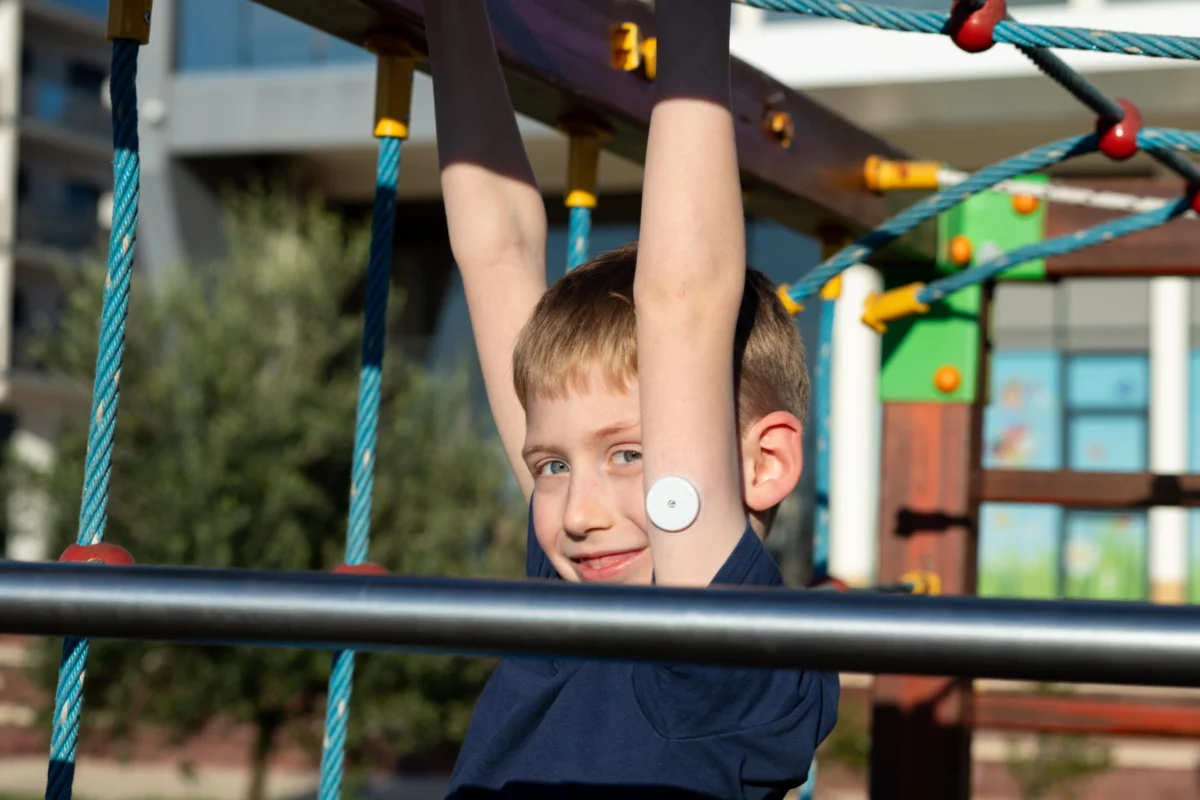
BOSTON — For decades, the narrative of a Type 1 Diabetes (T1D) diagnosis has followed a harrowing and predictable script. It begins with subtle, often overlooked symptoms: an unquenchable thirst, frequent trips to the bathroom, and a persistent, unexplained fatigue. For many families, this progression culminates in a life-threatening emergency known as diabetic ketoacidosis (DKA), leading to an intensive care unit admission and a permanent, life-altering diagnosis delivered in a moment of absolute crisis.
n
However, a pioneering collaboration between Ariadne Labs—a joint center for health systems innovation at Brigham and Women’s Hospital and the Harvard T.H. Chan School of Public Health—and the U.S. Coalition for Early T1D Action is working to rewrite this script. By centering the "lived experience" of patients and their families, researchers are developing new clinical pathways that prioritize early screening, clear communication, and emotional support, potentially shifting T1D management from reactive crisis intervention to proactive, preventative care.
n
Main Facts: The Shift Toward Early Detection
n
The core mission of the U.S. Coalition for Early T1D Action is to standardize and expand access to islet autoantibody screening. Type 1 Diabetes is an autoimmune condition where the immune system attacks insulin-producing beta cells in the pancreas. Unlike Type 2 diabetes, which is often linked to metabolic factors, T1D is currently not preventable through lifestyle changes. However, the presence of specific autoantibodies can signal the onset of the disease years before physical symptoms appear.
n
The Role of Screening
n
Islet autoantibody screening identifies children at high risk for T1D. When parents and clinicians are aware of this risk, they can monitor blood glucose levels closely, avoiding the trauma of DKA. Research indicates that children identified through screening have significantly lower rates of DKA at the time of clinical diagnosis—reducing the risk from roughly 40-60% in the general population to less than 5% in screened cohorts.
n
The Innovation at Ariadne Labs
n
Ariadne Labs has convened a multidisciplinary group of 25 stakeholders, including clinicians, researchers, and policymakers. Their goal is to integrate screening into primary care settings—specifically during routine pediatric visits—ensuring that every family, regardless of their medical history, has the opportunity to understand their child’s risk profile.
n
The Power of the PAC
n
A central pillar of this initiative is the Participant Advisory Council (PAC), facilitated in partnership with Breakthrough T1D (formerly JDRF). The PAC consists of parents and individuals who have navigated the complexities of T1D screening and monitoring. Their insights have become the cornerstone of the Coalition’s design process, ensuring that the tools developed are not just clinically sound but also human-centered.
n
Chronology: From Concept to Coalition
n
The journey toward a more integrated screening model has evolved through several critical phases, moving from laboratory discovery to community-based implementation.
n
1. The Discovery Phase:nFor years, T1D screening was largely confined to research studies or families with a known history of the disease. However, statistics show that approximately 85% of people diagnosed with T1D have no family history of the condition. This reality prompted a shift in the medical community toward "universal screening" concepts.
n
2. The Formation of the Coalition:nRecognizing the gap between screening technology and clinical practice, Ariadne Labs launched the U.S. Coalition for Early T1D Action. The authors of the initiative, Francine Maloney, MPH, and Umila Singh, MFA, sought to apply "human-centered design" to the problem. They recognized that the technical ability to screen was useless if the delivery of that information caused undue stress or confusion for families.
n
3. Engagement with the PAC:nIn the early stages of the project, the Coalition reached out to Breakthrough T1D’s Participant Advisory Council. These early interviews were instrumental. Parents who had already undergone the screening process for their children shared candid accounts of the "information gap"—the period between receiving a positive antibody result and understanding what the next ten years of their child’s life would look like.
n
4. The April 2025 Milestone:nIn April 2025, the Coalition held a formal in-person launch. This meeting served as a catalyst for expanding family engagement beyond those already familiar with T1D. The group intentionally recruited parents from diverse backgrounds, including those with no prior knowledge of the disease and those who had previously declined screening, to understand the barriers to participation.
n
5. Iterative Design and Feedback:nThroughout 2025 and into 2026, the Coalition has used iterative feedback loops. When a PAC member pointed out that a results letter was "confusing and lacked actionable next steps," the design team at Ariadne Labs rewrote the communication protocols. This real-time adjustment ensured that the "lived experience" was not just a post-script but a guiding force in the development of medical resources.
n
Supporting Data: The Clinical and Emotional Stakes
n
The push for early screening is backed by a growing body of clinical evidence and a desperate need to improve patient outcomes.
n
Reducing DKA Rates
n
DKA is a metabolic state characterized by high blood sugar, ketone production, and cerebral edema. It is the leading cause of mortality in children with T1D. Data from the TEDDY (The Environmental Determinants of Diabetes in the Next Generation) study and other international registries confirm that early detection via autoantibody screening almost entirely eliminates the risk of severe DKA at onset.
n
The Stages of T1D
n
The medical community now recognizes T1D as a three-stage progression:

n
- n
- Stage 1: Two or more autoantibodies are present, but blood sugar is normal.
- Stage 2: Two or more autoantibodies are present, and blood sugar levels are beginning to show abnormalities, though no outward symptoms are present.
- Stage 3: Clinical diagnosis; symptoms like thirst and weight loss appear, and insulin therapy is required.
The Coalition’s focus is on identifying children in Stages 1 and 2. Identifying the disease in these early stages allows families to potentially access new therapies, such as Teplizumab (Tzield), which was FDA-approved to delay the onset of Stage 3 T1D in adults and pediatric patients aged 8 and older.
The "Clinician-Parent Bridge"
One of the most striking data points emerging from Ariadne Labs’ work is the preference for simplified communication. In testing, clinicians frequently gravitated toward the educational materials designed for parents rather than the technical guides designed for medical professionals. This suggests a significant "clarity gap" in healthcare; when information is made accessible enough for a layperson to understand during a crisis, it also becomes more effective for the busy clinician who must deliver that news.
Official Responses: Perspectives from the Front Lines
The authors and stakeholders involved in the Coalition emphasize that medical innovation is incomplete without the inclusion of the patient’s voice.
Francine Maloney, Director of Implementation at Ariadne Labs, notes that the PAC’s contributions were "transformative." She explains that "information can be transformative and helpful, but only if it is tailored to support the people who need it most." Maloney highlights that without the PAC, the Coalition might have developed technically perfect tools that failed to address the emotional "weight" of a positive screening result.
Umila Singh, a Design Specialist at Ariadne Labs, emphasizes the aesthetic and functional aspects of the resources. "By bringing together a broad parent community, we’ve been able to tailor our pathways and educational materials to be relevant, clear, and supportive for all families, regardless of where they are in the screening process," Singh stated.
Clinicians involved in the Coalition have also voiced their support for this "bottom-up" approach. Many have noted that the biggest hurdle in T1D screening is not the blood test itself, but the "what now?" conversation. By having resources co-created by parents who have "been there," doctors feel better equipped to provide the psychological and educational scaffolding families need.
Implications: A New Standard for Pediatric Care
The work of Ariadne Labs and the U.S. Coalition for Early T1D Action has implications that extend far beyond a single disease. It represents a paradigm shift in how health systems approach chronic illness.
1. Human-Centered Health Systems
The success of the PAC model suggests that "lived experience" should be a standard component of all clinical pathway development. When patients are treated as "co-creators" rather than just "recipients" of care, the resulting systems are more efficient and more compassionate.
2. Universal Screening as a Public Health Goal
As the Coalition continues to refine its primary care pathways, the long-term implication is a move toward universal T1D screening in the United States. If screening can be seamlessly integrated into well-child visits—much like lead testing or hearing exams—the incidence of DKA-related emergencies could plummet on a national scale.
3. Empowerment Through Knowledge
For families, the primary implication is empowerment. A T1D diagnosis will always be a significant life event, but it no longer has to be a traumatic one. Early detection allows for "soft landings"—time to learn about carb counting, time to meet with endocrinologists, and time to process the emotional impact before the physical symptoms become an emergency.
4. Broadening the Scope of Diversity
The Coalition’s recent efforts to include parents who are unfamiliar with T1D or who have previously opted out of screening are crucial. This ensures that the benefits of early detection reach underserved populations and that "health literacy" is not a barrier to receiving life-saving information.
Conclusion and Resources
The collaboration between Ariadne Labs and the PAC serves as a blueprint for the future of medicine. By listening to the stories of those who have navigated the "unfamiliar world" of T1D, the Coalition is building a bridge between clinical excellence and the human heart.
For families interested in learning more or contributing to this ongoing work, several avenues are available:
- Participation: Breakthrough T1D continues to seek members for its Participant Advisory Council. Those interested in sharing their lived experience can contact the organization directly to help shape future research and clinical tools.
- Early Detection: Families can visit Breakthrough T1D’s dedicated Early Detection and Screening webpage to understand the mechanics of autoantibody testing and find local screening options.
- Advocacy: The U.S. Coalition for Early T1D Action remains a vital hub for clinicians and policymakers looking to implement these human-centered pathways in their own communities.
As the Coalition moves forward, the message remains clear: the best medical tools are those built with the voices of the people they are meant to serve. In the fight against Type 1 Diabetes, the most powerful instrument is not just a lab test, but a shared understanding.

