
By Steve O’KeefenPublished: October 26, 2026
n
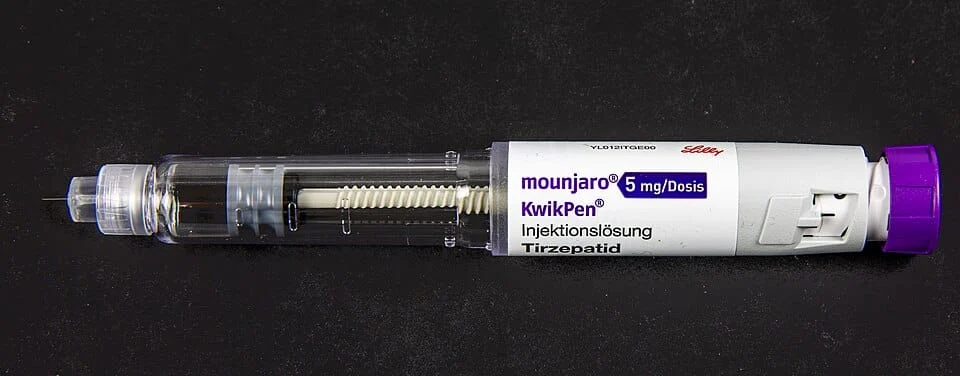
The landscape of metabolic medicine has undergone a seismic shift over the last decade, catalyzed by the emergence of GLP-1 (glucagon-like peptide-1) receptor agonists. Originally developed to manage type 2 diabetes, drugs such as semaglutide and tirzepatide (marketed under brand names like Wegovy and Mounjaro) have become the vanguard of obesity treatment. However, as the initial "hype" phase transitions into long-term clinical application, researchers are now grappling with a critical question: What happens after the first year?
n
New data emerging from a series of comprehensive meta-analyses and expert panels in 2025 and 2026 suggest that while these medications are revolutionary, they require a fundamental shift in how society and the medical establishment view weight loss. The consensus is moving away from the "intervention" model toward a "chronic management" framework, akin to how the medical community treats hypertension or asthma.
n
Main Facts: The Shift to Chronic Disease Management
n
The most significant takeaway from recent longitudinal studies is the confirmation that obesity is a relapsing, chronic condition rather than a temporary state to be "cured." Data from several high-quality reviews indicate that GLP-1 medications are highly effective at maintaining weight loss, but their efficacy is intrinsically tied to continuous use and integrated behavioral support.
n
Key findings from recent research include:
n
- n
- The Persistence of Efficacy: Unlike traditional calorie-restricted diets, which often see a 30% or greater weight regain within the first 12 months, GLP-1 therapies maintain weight suppression as long as the patient remains adherent to the medication.
- The Two-Year Plateau: New evidence suggests that weight loss typically plateaus around the 24-month mark. In some cases, a slight rebound in weight or glycemic markers occurs even while the patient remains on a maintenance dose.
- The Necessity of "Phenotyping": Clinicians are moving toward "baseline phenotyping," which involves assessing a patient’s psychological and behavioral drivers—such as emotional eating or binge eating disorders—before starting treatment to tailor the pharmacological approach.
- The Role of Adjunct Therapies: Digital health interventions and behavioral counseling are no longer viewed as "optional" but as essential components to prevent plateaus and manage the transition for patients who must discontinue the drug due to costs or side effects.
n
n
n
n
n
Chronology of Research: 2025–2026
n
The medical community’s understanding of long-term GLP-1 impacts has been built through a series of landmark studies published over the last 18 months.
n
July 2025: The Cureus Review
n
The Cureus Journal of Medical Science published a rigorous review of long-term impacts. Out of 724 potential studies, researchers identified only six that met the highest clinical standards: human trials, randomized controlled designs, sample sizes in the thousands, and a follow-up period of at least two years. This study provided the first definitive evidence that GLP-1s must be viewed as life-long interventions for many patients.
n
September 2025: The Meta-Analysis Milestone
n
Two major papers were released in September 2025. First, Surgical Endoscopy published a meta-analysis of 54 studies involving nearly 60,000 patients. This massive data set focused on the "real-world" application of the drugs, highlighting the catastrophic impact of non-compliance. Shortly thereafter, Diabetes, Metabolic Syndrome and Obesity published a systematic review of 55 clinical trials (19,000 patients) focusing on "efficacy trajectories," identifying for the first time the specific timeline of the weight-loss plateau.
n
September 2026: The Expert Consensus
n
Most recently, in September 2026, the journal Frontiers in Endocrinology published a set of clinical recommendations from a panel of 15 experts led by Dr. Davide Brancato of the University of Palermo. This panel moved the conversation from "Does it work?" to "How do we optimize it for the rest of the patient’s life?"
n
Supporting Data: Efficacy, Adherence, and the Plateau
n
The data derived from these studies provide a granular look at the performance of GLP-1 receptor agonists over extended periods.
n
Weight Loss and Regain Statistics
n
The Cureus review highlighted a sobering statistic regarding traditional weight loss: low-calorie diets and standard behavioral counseling without pharmacological aid result in a weight regain of 30% or more within just one year for the vast majority of patients. In contrast, patients on GLP-1 medications showed sustained weight loss through the 104-week (two-year) mark.
n
The Adherence Gap
n
The meta-analysis in Surgical Endoscopy involving 60,000 patients underscored that medication adherence is the single most critical factor for efficacy. The study noted that "non-compliance dramatically reduces the impact of these therapies." While the study did not explicitly list reasons for non-compliance, researchers noted that gastrointestinal distress remains a primary hurdle.
n
Side Effects and Tolerance
n
In the Diabetes, Metabolic Syndrome and Obesity study, researchers monitored 19,000 patients for adverse effects. While concerns regarding pancreatitis have been a point of public debate, the study found that the incidence of pancreatitis (seven reported cases) was not significantly higher than in the placebo groups. However, gastrointestinal issues—nausea, vomiting, and diarrhea—were substantially higher. Interestingly, the study noted that these effects do not worsen over time, suggesting that patients develop a biological tolerance to the medication’s side effects even as their weight loss plateaus.
n
The Two-Year Ceiling
Perhaps the most vital data point for long-term planning is the "efficacy trajectory." Research indicates that weight loss is most aggressive in the first 12 months, slows down in the second year, and hits a plateau or a slight "rebound" after 24 months. This suggests that the body eventually reaches a new homeostatic equilibrium, requiring clinicians to introduce "adjunct therapies" to maintain the results.
Official Responses: Expert Panel Recommendations
As the data has solidified, the medical establishment is issuing new guidelines for the "Good Clinical Practice" of obesity management. The panel led by Dr. Davide Brancato emphasized that the current "one-size-fits-all" prescribing model is insufficient for long-term success.
The Call for Baseline Phenotyping
The expert panel recommended that before a single injection is prescribed, clinicians must perform "baseline phenotyping." This goes beyond measuring BMI or waist circumference. It involves a deep dive into the patient’s psychological relationship with food.
The panel stated: "In addition to physical metrics, baseline phenotyping must account for behavioral and psychological drivers of weight gain. Identifying eating patterns (e.g., emotional eating, binge eating, or night eating syndrome) at the outset allows for a more tailored pharmacological and behavioral approach."
Redefining Success
The panel concluded that by identifying these underlying motivations, doctors can define "clinically meaningful therapeutic targets" that aren’t just numbers on a scale. For example, if a patient uses food to manage anxiety, the "success" of the GLP-1 treatment should also be measured by how well the patient integrates new coping mechanisms, which will be vital when the medication’s weight-loss effect plateaus.
Implications: The Future of Obesity Care
The findings of 2025 and 2026 have profound implications for patients, insurers, and the healthcare system at large.
1. The Financial and Insurance Challenge
If GLP-1 drugs are to be treated like hypertension medication—required for life to maintain health—the current pricing models are likely unsustainable for many. The research reinforces the need for long-term insurance coverage, but it also highlights the need for "exit strategies." For patients who must stop the drug for financial reasons, the data suggests that switching to intensive behavioral therapy prior to termination is the only way to mitigate the inevitable weight regain.
2. The Integration of Digital Health
Researchers in the Surgical Endoscopy study hinted that digital interventions could be the key to solving the adherence problem. App-based monitoring, real-time side-effect management, and digital coaching could bridge the gap between a patient feeling "nauseous and discouraged" and a patient who successfully titrates their dose to a manageable maintenance level.
3. A Cultural Shift in Obesity Perception
The most lasting implication may be the final deconstruction of the "willpower" myth. By proving that weight regain is a biological certainty for many once the medication is removed, these studies reinforce the medical view of obesity as a metabolic malfunction. As the Cureus review noted, this "reinforces the need to reframe obesity as a chronic, relapsing condition that demands sustained pharmacological intervention."
4. The Need for "Adjunct" Innovation
As we recognize the two-year plateau, the pharmaceutical and tech industries are likely to pivot toward "adjunct therapies." This could include secondary medications that target different metabolic pathways or advanced behavioral modifications that address the "reward" centers of the brain that the GLP-1s partially suppress.
In conclusion, the era of using GLP-1s as a "summer body" shortcut is ending, replaced by a sophisticated, long-term medical strategy. The experts have spoken: these drugs are a miracle of modern science, but they are not a "set-it-and-forget-it" solution. Success in the year 2026 and beyond will require a marriage of biology, psychology, and persistent clinical management.

