
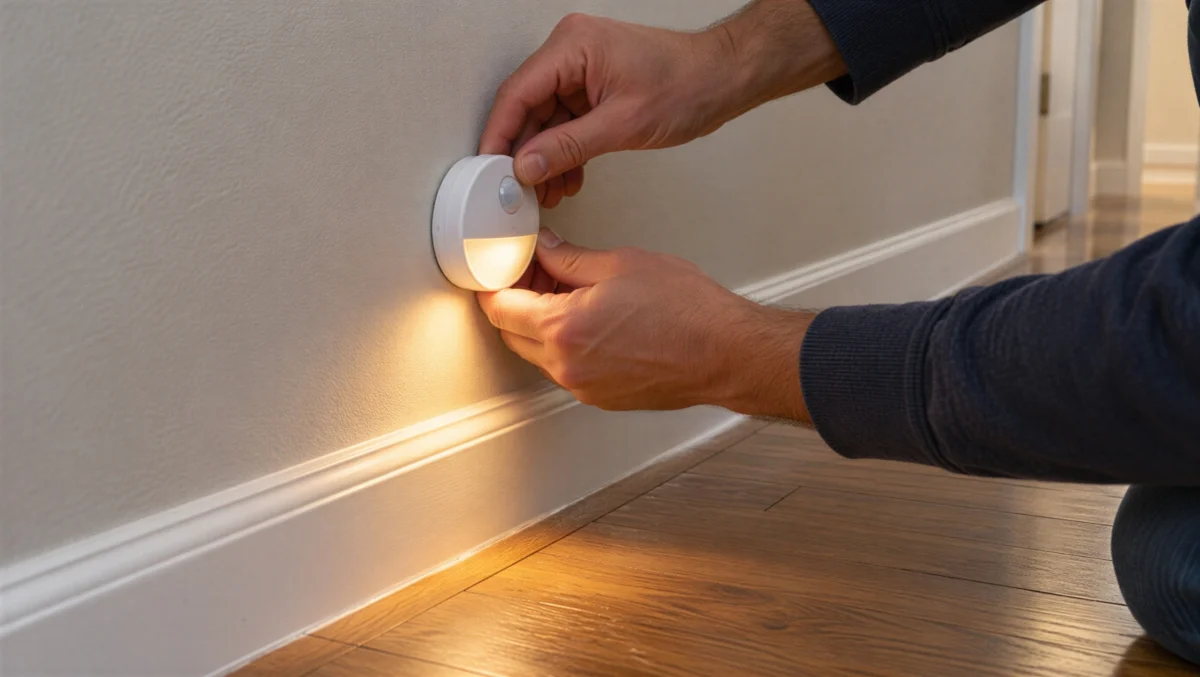
As the vibrant tapestry of autumn unfolds, painting landscapes with fiery hues and ushering in crisp, invigorating air, older adults may find themselves drawn to the season’s unique pleasures. The oppressive heat of summer recedes, replaced by opportunities for outdoor enjoyment without the discomfort of sweltering temperatures. Yet, this picturesque transition, while often celebrated, also heralds a distinct set of safety challenges that can disproportionately impact seniors. The shortening days, a prelude to the end of Daylight Saving Time on November 1st, combined with dropping temperatures, create a confluence of factors that heighten the risk of falls, diminish visual acuity, and can even exacerbate existing anxieties about darkness.
n
Fortunately, a proactive approach, armed with simple yet effective precautions, can empower older adults to safely embrace the autumn season, maintaining their health, independence, and active engagement with the world around them. This comprehensive guide delves into the specific risks presented by the changing season and outlines actionable strategies for mitigation, ensuring a secure and fulfilling fall.
n
H2: The Shifting Landscape: Understanding Autumn’s Safety Risks for Seniors
n
The transition from summer to autumn is more than just a visual spectacle; it’s a fundamental alteration of environmental conditions that can introduce subtle but significant hazards for older adults. The primary drivers of these increased risks are the interplay of reduced daylight, fluctuating temperatures, and the physical changes associated with aging.
n
H3: Diminishing Daylight and its Visual Impact
n
The most apparent shift of autumn is the noticeable shortening of daylight hours. As the sun sets earlier, the world experiences a reduction in natural illumination. For older adults, this phenomenon is compounded by age-related changes in vision. The lens of the eye can become less flexible, leading to presbyopia, or age-related farsightedness, making it harder to focus on near objects. Moreover, pupil size tends to decrease with age, allowing less light to enter the eye. This combination significantly impairs vision in low-light conditions, increasing the likelihood of misjudging distances, tripping hazards, and navigating unfamiliar environments.
n
- n
- Contrast Sensitivity Decline: Aging eyes often exhibit a reduced ability to distinguish between subtle differences in light and dark. This means that shadows can appear deeper, and distinguishing the edge of a step or a curb can become more challenging, particularly in twilight or overcast conditions.
- Increased Glare Sensitivity: Older adults frequently experience heightened sensitivity to glare from headlights, streetlights, and even sunlight reflecting off wet surfaces. This can be particularly problematic during evening commutes or when navigating areas with mixed lighting.
- Slower Adaptation to Light Changes: The ability of the eye to adjust from bright light to darkness, and vice versa, diminishes with age. This can lead to a period of temporary blindness when entering a dimly lit room from a bright outdoor space, or when exiting a tunnel.
n
n
n
n
H3: The Peril of Falling: Autumn’s Unseen Hazards
n
Falls are a leading cause of injury and hospitalization for older adults, and the autumn season presents a unique set of contributing factors. The most common culprit is the accumulation of fallen leaves. While seemingly innocuous, a carpet of leaves can conceal a multitude of hazards:
n
- n
- Hidden Uneven Surfaces: Dry leaves can obscure cracks in sidewalks, uneven paving stones, or small holes, leading to unexpected stumbles.
- Slippery Conditions: Damp leaves, especially after rain or dew, can create a surprisingly slick surface, significantly increasing the risk of slipping.
- Wet Grass and Mud: Areas where leaves have accumulated on grass can become muddy and treacherous, especially after rainfall.
n
n
n
n
Beyond leaf litter, other environmental factors contribute to fall risks:
n
- n
- Decreased Traction: The change in weather can bring about morning frost or dampness, making outdoor surfaces more slippery.
- Reduced Outdoor Activity: While the cooler temperatures are appealing, some seniors may reduce their outdoor activity due to perceived risks, leading to a decline in balance and coordination, which paradoxically increases fall risk when they do venture out.
n
n
n
H3: Navigating the Roads: Driving Challenges in Diminished Light
n
The reduced daylight hours directly impact driving safety for older adults. As visibility decreases, the cognitive and physical demands of driving increase significantly. The aforementioned visual challenges—reduced contrast sensitivity, increased glare, and slower light adaptation—are amplified when operating a vehicle at dusk or night.
n
- n
- Impaired Judgment of Speed and Distance: Dim lighting can make it harder to accurately judge the speed and distance of oncoming vehicles or pedestrians.
- Difficulty Perceiving Road Hazards: Potholes, debris, or sudden changes in road surface can be more difficult to detect in low light.
- Increased Risk of Drowsy Driving: The natural shift in circadian rhythms with shorter days can contribute to increased fatigue, making driving more dangerous.
n
n
n
H3: The Chill Factor: Cold Weather and Health Vulnerabilities
While autumn is often associated with mild temperatures, the transition to colder weather can pose health risks, particularly for older adults. The body’s ability to regulate temperature can diminish with age, making seniors more susceptible to hypothermia and other cold-related illnesses. Certain chronic conditions, such as heart disease, diabetes, and thyroid issues, can further impair thermoregulation. Additionally, some medications commonly prescribed to older adults can affect their body’s response to cold.
- Increased Risk of Respiratory Illnesses: Colder, drier air can exacerbate existing respiratory conditions like asthma and COPD, and make individuals more vulnerable to infections like the flu and pneumonia.
- Cardiovascular Strain: The body works harder to maintain core temperature in cold weather, which can put additional strain on the cardiovascular system, potentially triggering heart problems.
- Joint Pain: Many individuals, especially those with arthritis, experience increased joint pain and stiffness in colder temperatures.
H2: Proactive Strategies for a Safe and Enjoyable Autumn
Recognizing these challenges is the first step towards mitigating them. By implementing a few key strategies, older adults can confidently embrace the beauty and activities of autumn while minimizing risks.
H3: Embracing Daylight: Optimizing Outdoor Activities
The most straightforward approach to combating the reduced daylight is to schedule outdoor activities during the brightest parts of the day. This may require a shift in routine, but the benefits for safety and well-being are substantial.
- Re-timing Exercise and Leisure: Instead of a post-dinner stroll, consider an early afternoon walk or gardening session. Even shifting a regular activity by an hour or two can make a significant difference in daylight exposure.
- Prioritizing Visibility: When venturing out, especially for walks or hikes, choose well-lit paths and areas. Inform a trusted friend or family member of your intended route and expected return time.
- Footwear for Traction: Invest in sturdy walking shoes with good tread that provide excellent traction on various surfaces, especially important when navigating damp leaves or potentially slippery paths.
H3: Illuminating the Path: Fall-Proofing Your Home Environment
Home safety is paramount, and reducing fall risks indoors is a critical component of autumn preparedness. Enhanced lighting is a powerful tool in this regard.
- Brighten High-Traffic Areas: Ensure hallways, staircases, and frequently used rooms are well-lit. Consider upgrading existing bulbs to brighter, energy-efficient LEDs.
- Strategic Outdoor Lighting: Install automatic solar-powered lights along walkways, driveways, and near entrances. These lights charge during the day and illuminate pathways after dark, benefiting both residents and visitors, including delivery personnel.
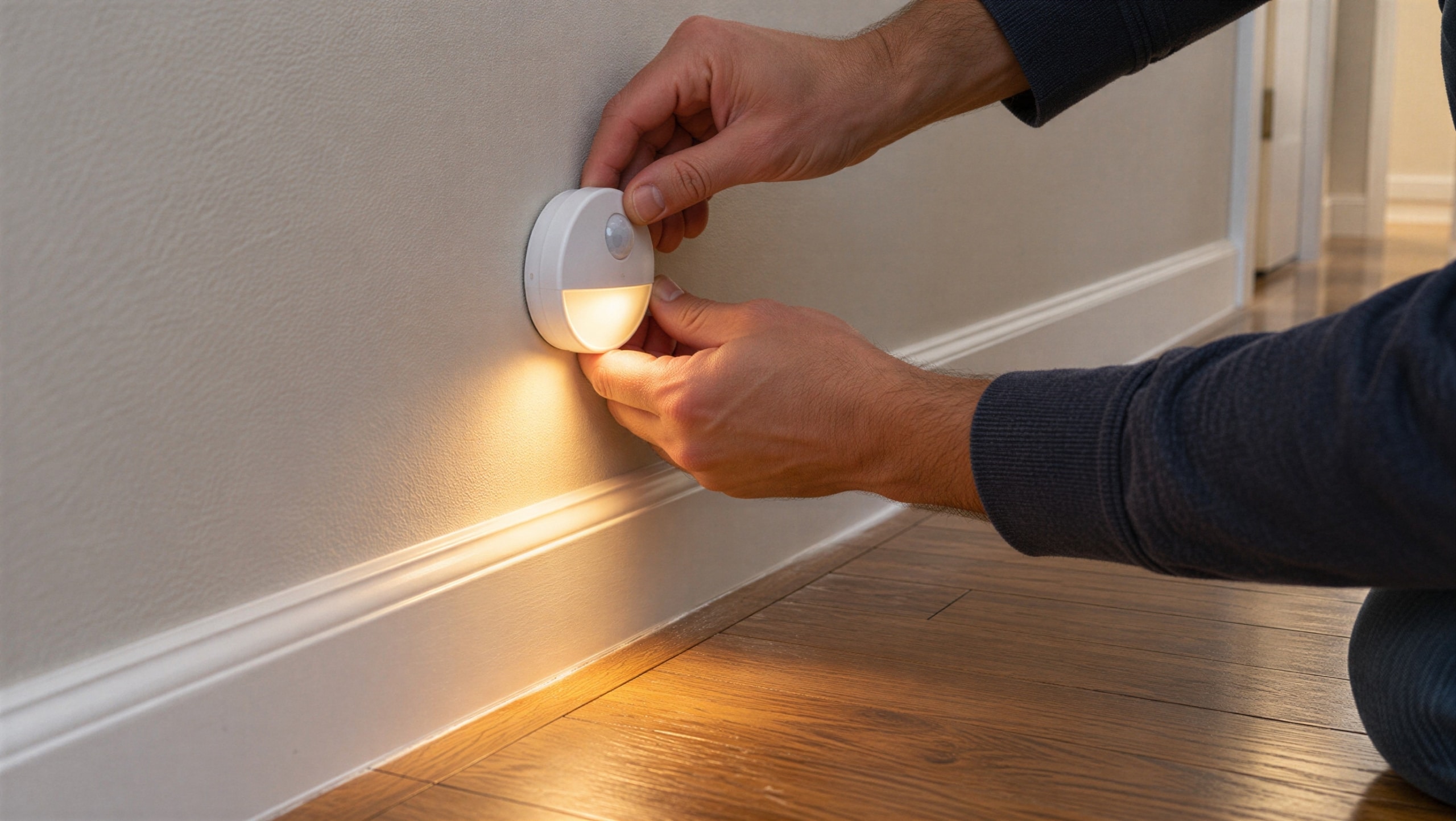
- Motion-Activated Lights: These are invaluable for unexpected nighttime navigation, such as trips to the bathroom. Installing them in hallways, bathrooms, and even outdoor areas can provide immediate illumination when movement is detected.
- Nightlights: Place nightlights in bedrooms, bathrooms, and hallways to guide movement during the night, significantly reducing the risk of falls.
- Decluttering and Securing Pathways: Regularly clear outdoor areas of fallen leaves, debris, and any tripping hazards. Indoors, ensure that throw rugs are securely fastened or removed entirely. Clear pathways of clutter, electrical cords, and any items that could obstruct movement.
H3: Smart Travel: Prioritizing Day-Time Journeys
The challenges of night driving for older adults cannot be overstated. Making conscious decisions about travel times can significantly enhance safety.
- Schedule Appointments and Errands During Daylight: Whenever possible, book doctor’s appointments, grocery runs, and other essential errands for daytime hours.
- Communicate Driving Concerns: If you or a loved one feels apprehensive about driving at night, don’t hesitate to discuss it with a doctor or family member. Explore alternatives like public transportation, ride-sharing services, or relying on friends and family for transportation.
- Vehicle Maintenance for Optimal Visibility: Keep vehicle windows, mirrors, and headlights clean. Regularly replace worn windshield wipers and ensure windshield washer fluid is always topped up to maintain clear visibility, especially in wet conditions.
H3: Dressing for the Season: Adapting to Fluctuating Temperatures
Preparing for unpredictable autumn weather is essential for maintaining comfort and preventing cold-related health issues.
- Layering is Key: Encourage dressing in layers, which allows for easy adjustment as temperatures fluctuate throughout the day. A light base layer, a warm insulating layer, and a water-resistant outer layer provide versatility.
- Warm Accessories: Don’t forget warm hats, gloves, and scarves, which are crucial for retaining body heat, especially during colder mornings and evenings.
- Home Heating System Checks: Ensure home heating systems are functioning optimally before the colder months arrive. Regular maintenance can prevent breakdowns and ensure a warm, safe environment.
- Vehicle Preparedness: For those who drive, it’s prudent to keep an emergency kit in the vehicle. This should include an extra warm jacket, blankets, a flashlight with extra batteries, flares, and non-perishable snacks.
H2: A Community Effort: Supporting Older Adults Through Seasonal Transitions
The well-being of older adults is a shared responsibility. For those who care for seniors, autumn presents an opportunity to offer crucial support, not just physically but also emotionally.
H3: Combating Loneliness and Seasonal Affective Disorder (SAD)
The shorter days and increased time spent indoors during autumn and winter can contribute to feelings of loneliness, isolation, and even Seasonal Affective Disorder (SAD). This is a form of depression that is related to changes in seasons, and it typically begins in late autumn and continues through winter.
- Regular Social Connection: Reach out to older loved ones regularly. A simple phone call, video chat, or a visit can make a profound difference in combating feelings of isolation.
- Offering Practical Assistance: For those who may be hesitant to venture out in the darker hours, offer assistance with errands, grocery shopping, or transportation to appointments.
- Encouraging Indoor Activities: Suggest engaging indoor activities such as playing board games, pursuing hobbies, or watching movies together.
- Promoting Healthy Habits: Encourage seniors to maintain a balanced diet, stay hydrated, and engage in gentle indoor exercise to support both physical and mental well-being.
H2: Looking Ahead: The Alliance for Aging Research’s Commitment
The insights provided in this article are underscored by the ongoing work of organizations like the Alliance for Aging Research. As Vice President of Communications, Katie Riley emphasizes the importance of empowering older adults with knowledge and resources to navigate the challenges of aging and seasonal changes. The Alliance is dedicated to advancing scientific research that promotes healthy aging and supports the independence and quality of life for seniors across the nation. By fostering awareness and providing practical guidance, the Alliance aims to ensure that all individuals can experience the joys of every season with safety and confidence.
H2: Conclusion: A Season of Opportunity and Vigilance
Autumn, with its breathtaking beauty and unique charm, offers a wealth of opportunities for enjoyment. By understanding and proactively addressing the safety challenges it presents, older adults can fully embrace this season. From optimizing daylight usage and enhancing home safety to making informed travel decisions and preparing for colder weather, a little foresight can go a long way. Furthermore, the support and connection offered by family, friends, and community members play an invaluable role in ensuring the well-being of our aging population. With a commitment to awareness and preparedness, this autumn can be a season of vibrant experiences and secure living for all.

