
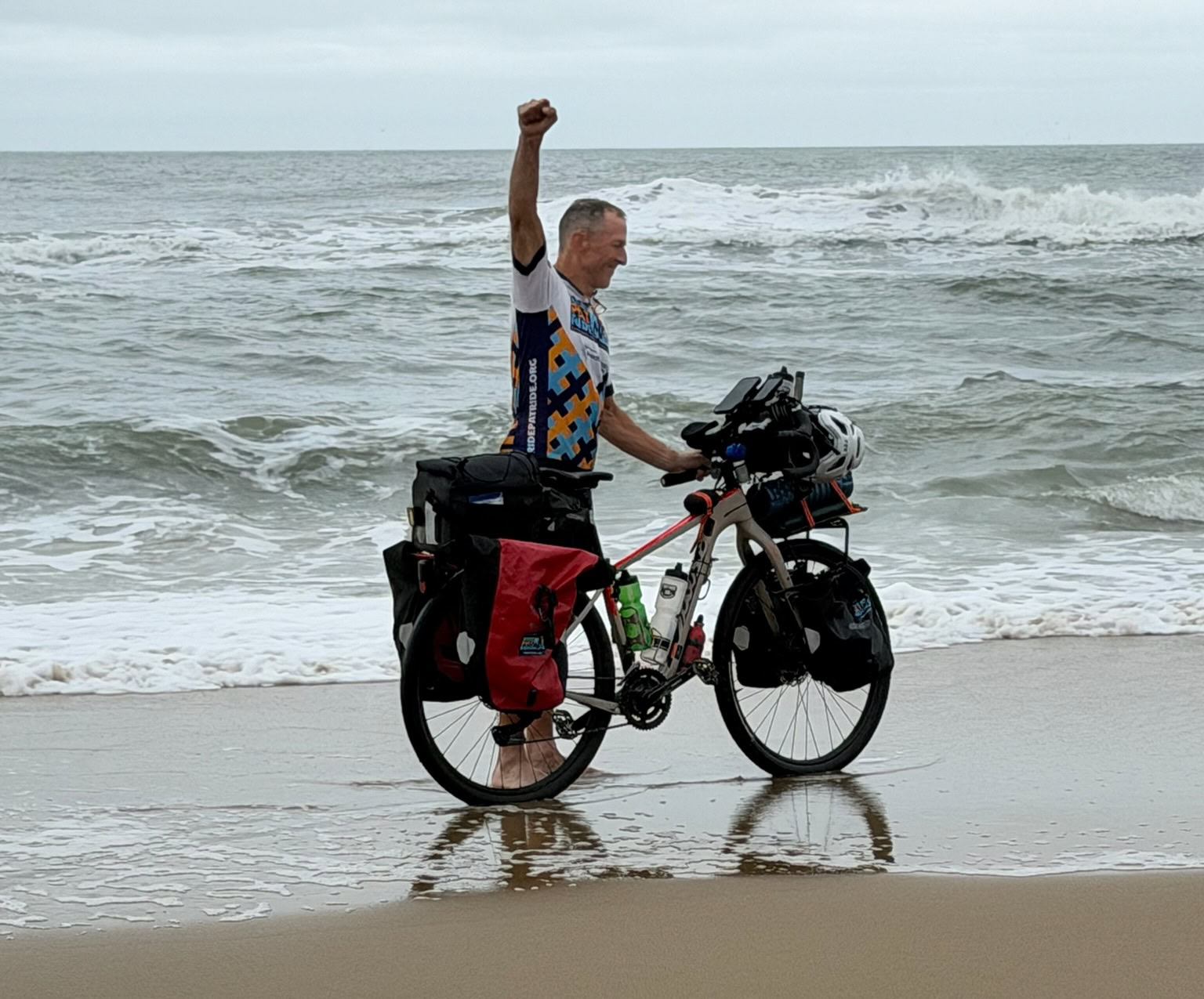
On July 15, Pat McAleer stood on the rugged coastline of La Push, Washington, and dipped the tires of his bicycle into the Pacific Ocean. It was a symbolic gesture that marked the beginning of "Ride Pat Ride," an ambitious, solo transcontinental journey spanning more than 5,000 miles. Three months later, on October 11, McAleer arrived at the Cavalier Hotel in Virginia Beach, Virginia, dipping those same tires into the Atlantic Ocean.
n
This was not merely a feat of physical endurance or a personal travelogue. McAleer’s journey was a high-stakes mission to raise awareness and critical funding for Type 1 diabetes (T1D) research. By the time he reached the Virginia shore, he had surpassed his ambitious fundraising goal, collecting over $250,000 for Breakthrough T1D (formerly JDRF). His journey serves as a testament to the power of individual advocacy and the burgeoning "DIY fundraising" movement that is reshaping how non-profits fuel scientific breakthroughs.
n
Main Facts: The Scope of the Mission
n
The "Ride Pat Ride" initiative was conceived as a grassroots effort to support Breakthrough T1D, the world’s leading non-profit funder of T1D research. Type 1 diabetes is an autoimmune disease in which the pancreas produces little to no insulin, requiring lifelong management through insulin injections or pumps. Unlike Type 2 diabetes, T1D is not related to diet or lifestyle, and currently, there is no cure.
n
McAleer, a resident of Richmond, Virginia, chose a route that took him across the northern tier of the United States, navigating through diverse terrains, weather patterns, and social landscapes.
n
Key Statistics of the Journey:
n
- n
- Total Distance: 5,000+ miles.
- Duration: 89 days (approximately 3 months).
- Funds Raised: $250,000+ (surpassing the initial target).
- Route Highlights: La Push, WA; rural Montana; the Great Plains of North Dakota; the Empire State Trail (Buffalo to NYC); Washington, D.C.; and Virginia Beach, VA.
- Logistical Support: Primarily solo and self-supported, utilizing the "Breakthrough T1D Your Way" platform.
n
n
n
n
n
n
Chronology: A Three-Month Transcontinental Narrative
n
The Western Departure and Early Trials
n
The journey began in mid-July in the Pacific Northwest. The early stages of the ride were defined by the dramatic landscapes of Washington and the grueling climbs of the Rocky Mountains. However, the physical challenge was matched by immediate mechanical setbacks. Only six miles into the journey, a stray stick ripped the derailleur off McAleer’s bike, a potentially catastrophic failure so early in the trip. This moment served as an early litmus test for McAleer’s resolve—a "curveball" that he later noted would be more memorable than the days when everything went according to plan.
n
As he moved into the Great Plains, the isolation of the road became a central theme. Pedaling through the vast expanses of Montana and North Dakota, McAleer relied on his own stamina and the occasional kindness of strangers in rural communities. These interactions provided the emotional fuel necessary to navigate the "Big Sky" country, where services are sparse and the wind is often a cyclist’s primary adversary.
n
The Mid-Point: Momentum in the Northeast
n
By September, McAleer had reached the Midwest and began his transition toward the East Coast. A significant shift in the journey’s tone occurred in Buffalo, New York, where he joined the Empire State Trail. Here, the solo odyssey briefly became a communal event. Nineteen friends and supporters joined McAleer for the leg from Buffalo to New York City, transforming the ride into a moving peloton of advocacy.
n
This group ride culminated in a high-profile arrival in Manhattan in late September. The New York City stop served as a strategic "pit stop" for both media exposure and institutional alignment. McAleer and his wife, Molly, made a brief appearance on NBC’s Today show, bringing the mission of "Ride Pat Ride" to a national television audience.
n
The Final Push: Resilience Amidst the Elements
n
After a restorative meeting with Breakthrough T1D leadership in Lower Manhattan, McAleer departed via the Staten Island Ferry, heading south through New Jersey, Pennsylvania, and Maryland.
n
The final week of the journey was complicated by external variables beyond McAleer’s control: the weather. As he approached Virginia, a hurricane began moving up the Atlantic coast. The high winds and heavy rains forced a shift in strategy. To ensure safety, McAleer abandoned his camping gear for the final nights, opting for hotel stays to avoid the danger of falling tree limbs and extreme gusts.
n
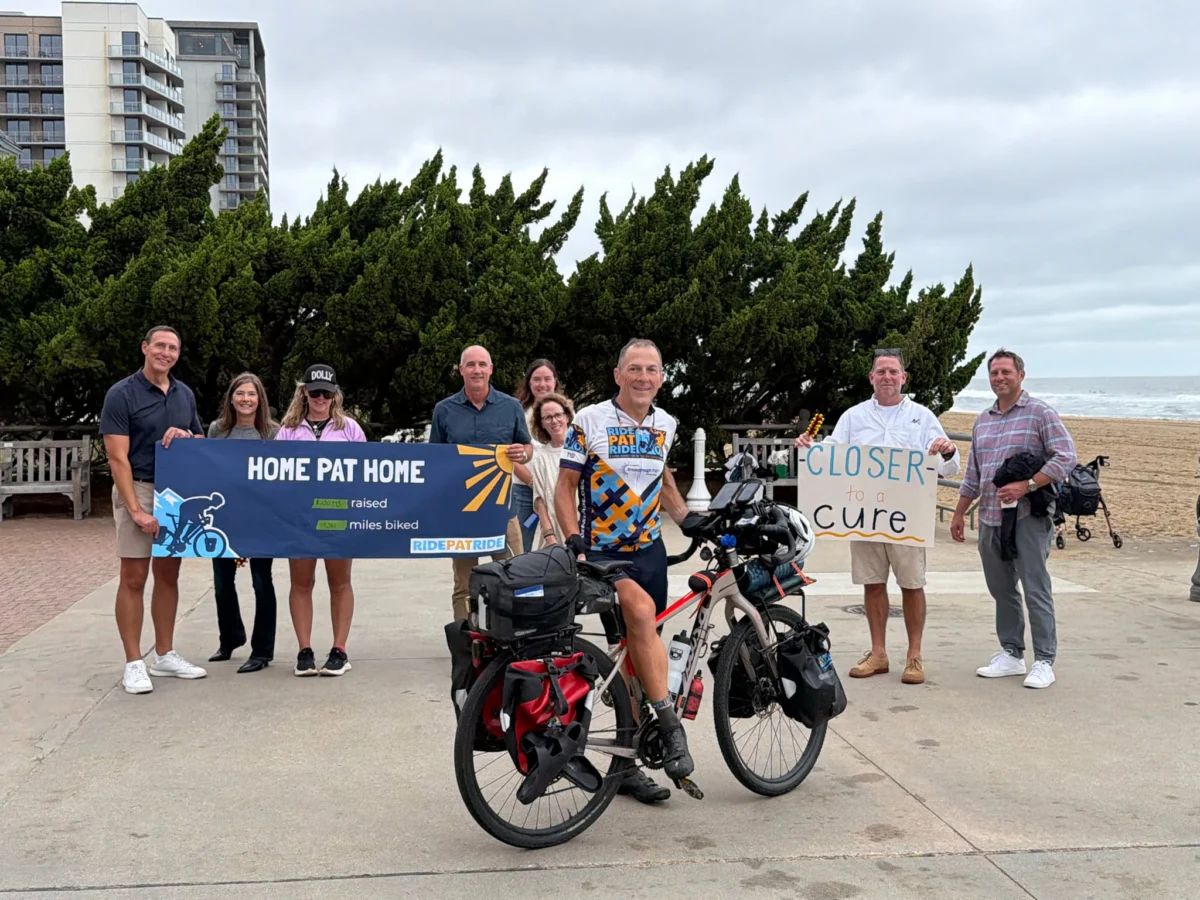
The journey concluded in Richmond and Fredericksburg—a homecoming of sorts—before the final sprint to Virginia Beach. On Sunday, October 11, McAleer reached the Cavalier Hotel, greeted by a crowd of family, friends, and T1D advocates.
n
Supporting Data: The Impact of "DIY" Fundraising
n
The financial success of "Ride Pat Ride" highlights a growing trend in the non-profit sector: the "Do-It-Yourself" (DIY) fundraising model. McAleer utilized the "Breakthrough T1D Your Way" platform, which allows individuals to create custom campaigns tailored to their personal interests or skills.
n
The data suggests that these personalized campaigns often yield higher engagement than traditional, broad-based appeals:
n
- n
- Fundraising Velocity: McAleer hit the $250,000 mark nearly 24 hours before his physical finish, showing that the narrative arc of the journey drove a surge in last-minute donations.
- Scalability: While McAleer initially viewed $250,000 as a "stretch goal," the overwhelming response suggested that the "limit" for such personal advocacy is often higher than the organizers anticipate.
- Community Outreach: Beyond the primary donations, the ride generated thousands of social media impressions, educating the public on the distinction between T1D and T2D.
n
The funds raised are earmarked for specific research tracks, including the development of better glucose monitoring technology, immunotherapies to delay the onset of the disease, and ultimately, a biological cure.
Official Responses: Institutional Alignment
The meeting between Pat McAleer and Aaron J. Kowalski, Ph.D., the CEO of Breakthrough T1D, underscored the importance of individual contributors to the organization’s broader strategy. Kowalski, who also lives with T1D, has been a vocal proponent of bridging the gap between clinical research and patient advocacy.
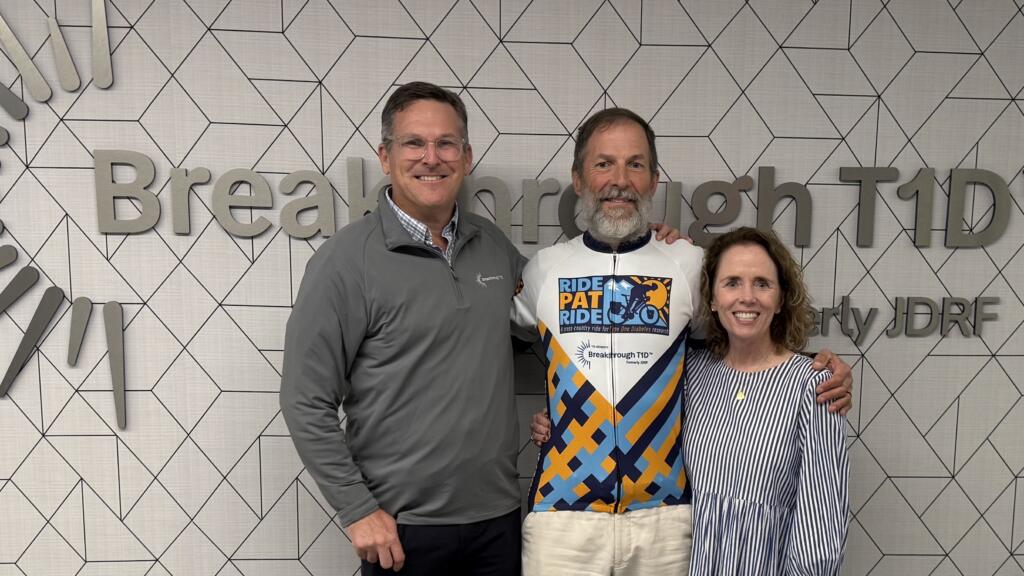
Following their meeting at the Lower Manhattan headquarters, McAleer noted that the conversation "recharged his battery." The endorsement from the organization’s top leadership validated the physical toll of the ride.
"My conversation with Aaron just recharged my battery to finish the last two weeks of the trip strong—to stay focused and upbeat and, you know, forward-moving on the fundraising," McAleer stated. This interaction highlights a key psychological component of long-term advocacy: the need for "mission alignment" between the individual on the ground and the institution managing the resources.
Implications: The Human Element of Advocacy
McAleer’s journey offers several insights into the nature of modern charity and personal resilience. Upon reflection, he identified three core takeaways that have broader implications for social causes.
1. The Elasticity of Human Potential
McAleer’s first realization was the necessity of setting high benchmarks. "You can really accomplish just about anything you set your mind to," he remarked. His success in reaching the $250,000 goal led him to wonder if a $500,000 goal might have been achievable, suggesting that the public’s appetite for supporting clear, transparent, and heroic efforts is often underestimated.
2. The Persistence of Social Cohesion
Throughout the 5,000 miles, McAleer encountered a consistent thread of human kindness. Whether in rural Montana or suburban Virginia, strangers offered help, supplies, and interest. This experience led to a "self-assessment" for McAleer, questioning whether he—and by extension, others—does enough to look out for fellow citizens in their daily lives. It suggests that such journeys do more than raise money; they act as a catalyst for social empathy.
3. The Value of Adversity
McAleer noted that the moments where things went wrong—mechanical failures, weather delays, physical exhaustion—were the most defining. In a professional and personal context, this reinforces the idea that resilience is built through "curveballs." For the T1D community, which faces daily "curveballs" in the form of fluctuating blood sugar levels and health complications, McAleer’s journey serves as a powerful metaphor for their daily struggle.
Conclusion
As Pat McAleer recovered from his journey—sleeping 11 hours straight and taking multiple naps in the days following his finish—the impact of his ride continued to ripple through the T1D community. "Ride Pat Ride" was more than a 5,000-mile cycling trip; it was a mobile platform for education and a significant financial engine for medical research.
His story serves as a call to action for others to utilize platforms like "Breakthrough T1D Your Way." While not everyone can commit to a three-month transcontinental ride, the success of McAleer’s mission demonstrates that with a clear goal, a supportive community, and a resilient spirit, individual efforts can lead to breakthroughs that change the lives of millions. The Atlantic Ocean may have been the finish line for his bike, but for the fight against Type 1 diabetes, it was simply another milestone reached on the long road to a cure.

