
For those born in November, the gemstone topaz holds special significance, often adorning jewelry with its purported serene blue hues. However, beneath the sparkling surface of much of the blue topaz gracing display cases lies a fascinating, and until now, largely unacknowledged, scientific secret. The vibrant blues that captivate consumers are not a gift from the earth’s natural bounty, but rather the result of sophisticated manipulation through radiation, a process that transforms colorless or pale stones into the coveted gems of modern jewelry. While the word "radiation" may conjure images of danger, the scientific reality behind blue topaz is far more nuanced, involving intricate principles of physics and chemistry that render the finished product entirely safe, yet undeniably altered.
n
The Unveiling of a Gemstone’s Transformation
n
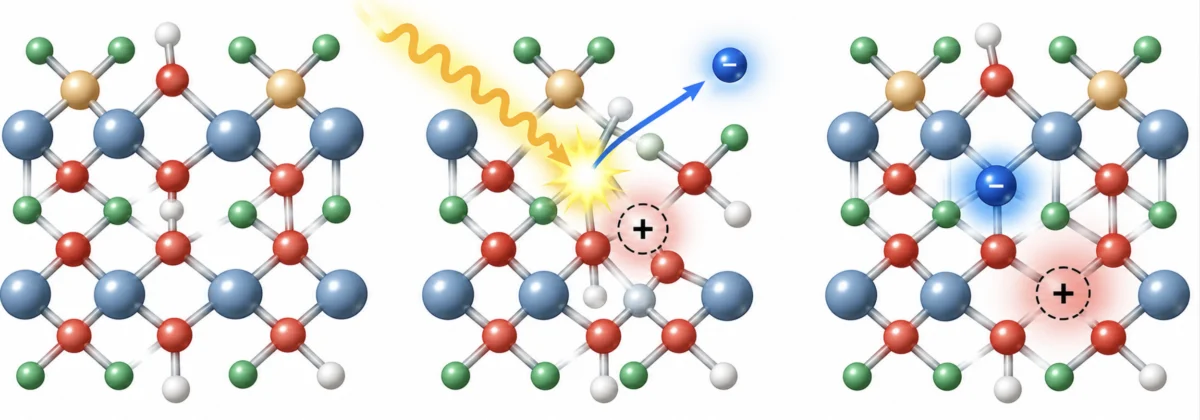
The traditional birthstone for November, topaz, is often perceived as a blue gem. Yet, the reality unearthed from the earth is a stark contrast to this popular image. Natural topaz, in its raw state, is typically colorless or exhibits only faint, muted shades. The brilliant, captivating blues seen in countless necklaces, earrings, and rings are, in fact, a product of human ingenuity rather than geological chance. This transformation is achieved through a process involving radiation, where electrons are dislodged from their usual positions within the crystal lattice, creating "holes" – electron vacancies – that, when trapped, alter the way the stone interacts with light.
n
This process, while involving radiation, does not render the jewelry radioactive. The emitted radiation is carefully controlled, and any potential induced radioactivity is allowed to decay to safe levels before the stones are released for sale. The alteration is not a chemical addition or a transformation into a different mineral, but rather a sophisticated manipulation of the gemstone’s electronic structure. This intricate dance of electrons and defects within the topaz crystal is what bestows its dazzling blue color, a testament to the power of physics and chemistry to enhance natural beauty.
n
A Chronology of Color: From Pale Origins to Irradiated Brilliance
n
The journey of blue topaz from its humble, colorless origins to its vibrant, commercially appealing form is a testament to scientific advancement and evolving consumer tastes.
n
Natural Topaz: The Uncolored Canvas
n
In its natural state, topaz is a silicate mineral composed of aluminum and fluorine, with the chemical formula Al₂(SiO₄)(F,OH)₂. The presence of fluorine, often perceived as a hazardous element, is locked within the stable crystal structure of topaz and poses no threat, much like chlorine in table salt is distinct from its gaseous, dangerous counterpart. Pure topaz is inherently colorless. Its varied hues, when they do occur naturally, are due to trace impurities within its crystalline structure. These impurities absorb specific wavelengths of visible light, allowing others to pass through or reflect, thus imparting color. Common natural colors include shades of yellow, brown, pink, and even a rare, naturally occurring blue, though these are often less intense than their artificially produced counterparts.
n
The Advent of Color Centers: A Natural Phenomenon
n
Topaz possesses a unique characteristic that allows for vibrant color beyond what simple impurities can achieve: the presence of "color centers." These are not chemical additives but rather defects within the crystal lattice where electrons or electron vacancies (holes) become trapped. These trapped charges alter the electronic energy levels within the crystal, leading to the absorption of specific wavelengths of light. This phenomenon is not exclusive to topaz; it is the principle behind the colors of many gemstones, including the vivid reds of rubies and the deep blues of sapphires, which are often created by the presence of specific metallic impurities like chromium and iron, respectively.
n
The Dawn of Irradiation: Harnessing Physics for Aesthetics
n
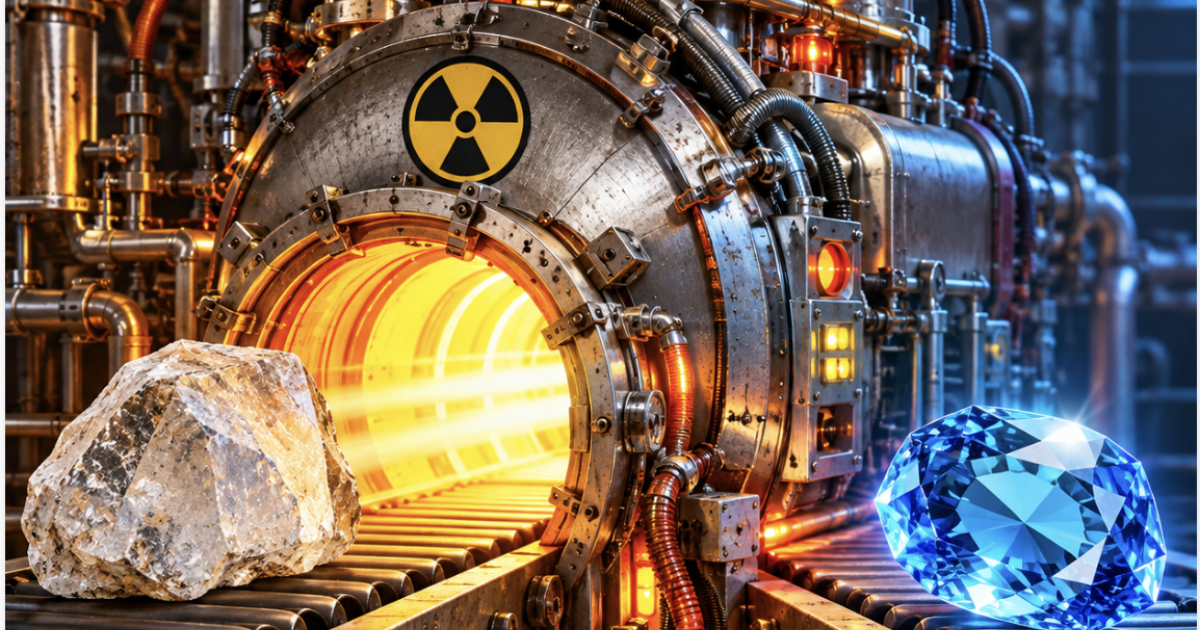
The realization that these color centers could be artificially induced and manipulated marked a turning point in the gemological world. Scientists discovered that by bombarding topaz with ionizing radiation, they could create these desired color centers with remarkable precision.
n
- n
- Early 20th Century: While the precise timeline for the initial experimentation with irradiated topaz is somewhat fluid, the principles of radiation-induced color centers in minerals were being explored. The ability to intentionally create these defects to alter a gemstone’s color became a significant development in gemology.
- Mid-to-Late 20th Century: The commercialization of irradiated blue topaz began to gain traction. Techniques evolved to produce consistent and desirable shades of blue. This period saw the development of different irradiation methods and subsequent heat treatments to stabilize and enhance the colors.
- Present Day: Irradiated blue topaz has become a staple in jewelry stores worldwide. The industry has refined its processes to produce a spectrum of blues, from the pale "Sky Blue" to the vibrant "Swiss Blue," and the deeper, richer "London Blue," each achieved through specific irradiation and heating protocols.
n
n
n
n
This chronological progression highlights a deliberate and scientifically guided transformation, where the inherent properties of topaz were harnessed and amplified through the controlled application of radiation.
n
Supporting Data: The Science Behind the Hue
n
The transformation of colorless topaz into vibrant blue is a sophisticated interplay of physics and chemistry, primarily revolving around the concept of "color centers."
n
1. Crystal Lattice Defects and Electron Vacancies:
n
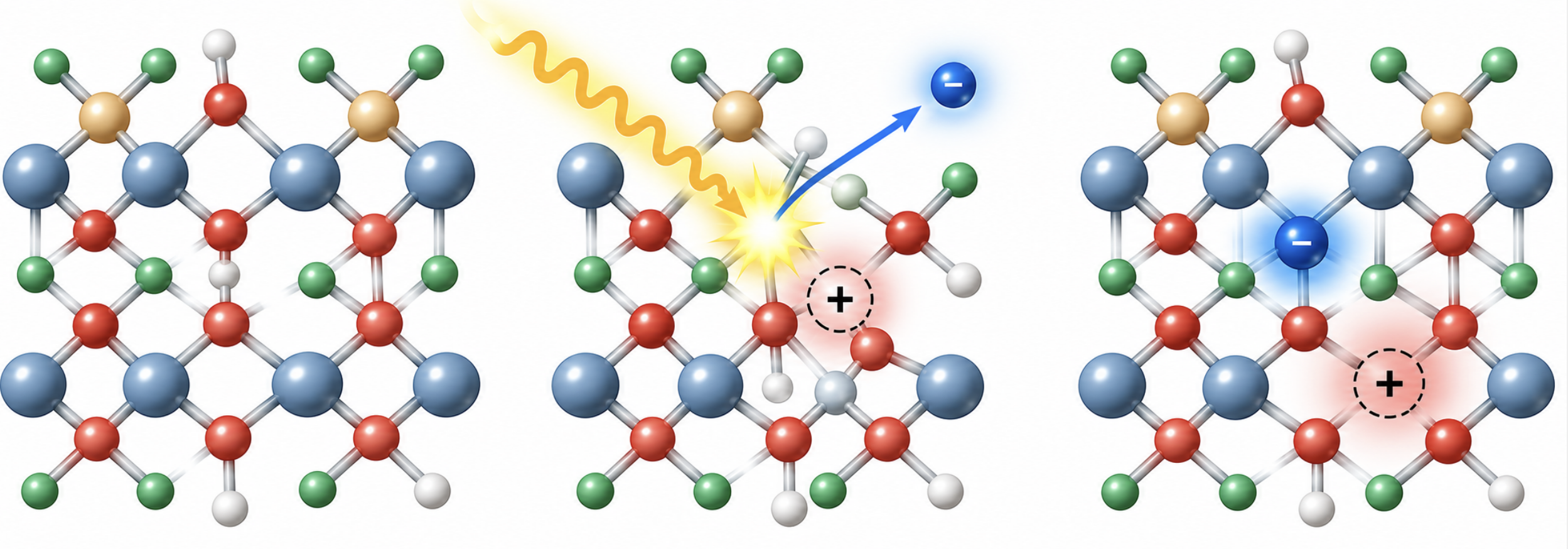
Topaz, like all crystalline solids, possesses a highly ordered atomic structure. However, minor imperfections, or "defects," can exist within this lattice. These defects can be vacant lattice sites, misplaced atoms, or impurities. When topaz is exposed to ionizing radiation (such as gamma rays or electron beams), this radiation carries enough energy to dislodge electrons from their normal atomic orbitals. These freed electrons can then become trapped at existing defects within the crystal lattice.
n
2. The Birth of "Holes":
n
When an electron is removed from its position, it leaves behind an "electron vacancy," often referred to as a "hole." In the context of solid-state physics, these holes behave as if they possess a positive charge. Both the trapped electrons and the holes become localized at specific points within the crystal structure.
n
3. Color Centers and Light Absorption:
n
These trapped electrons and holes are known as "color centers." They create localized regions within the crystal where the energy levels of electrons are altered. When visible light strikes a gemstone containing color centers, these centers can absorb specific wavelengths of light corresponding to the energy difference between the trapped electron’s ground state and excited state, or the energy required to fill a hole. The wavelengths of light that are not absorbed are transmitted or reflected, and it is these remaining wavelengths that we perceive as color.
n
- n
- Example: For blue topaz, the color centers absorb primarily in the yellow and orange regions of the visible light spectrum. The light that passes through or is reflected is therefore deficient in these colors, leaving the blue wavelengths to dominate our perception.
n
n
4. The Role of Heat Treatment:
In many cases, after irradiation, a heat treatment is applied to the topaz. This step is crucial for several reasons:
- Stabilization of Color Centers: Heating can help to stabilize the color centers, ensuring that the color is permanent and not prone to fading.
- Color Modification: Different temperatures and durations of heating can further influence the nature and arrangement of the color centers, allowing for the fine-tuning of the blue hue. This is how the distinct shades like Sky Blue, Swiss Blue, and London Blue are achieved.
- Healing of Lattice Defects: Heat can also help to heal some of the lattice damage caused by irradiation, further contributing to the stability of the gemstone.
5. The "Hole" Analogy in Electronics:
The concept of electron vacancies or "holes" is not merely a gemological curiosity. It is a fundamental principle in semiconductor physics. The behavior of holes, acting as positive charge carriers, is essential for the functioning of transistors, integrated circuits, LEDs, and solar cells – the very components that power our modern electronic devices. Without these "holes," the technology we rely on would not exist. This underscores the profound impact of understanding and manipulating electron behavior at the atomic level.
6. Chemical Stability:
It is critical to reiterate that the radiation treatment does not introduce new chemical elements into the topaz or fundamentally alter its mineral composition. The process is purely physical, affecting the electronic configuration of existing defects. The fluorine within topaz, as mentioned, remains safely bound within its stable crystal lattice.
Official Responses and Regulatory Oversight
The use of radiation in gemstone treatment is a well-established practice, and as such, it is subject to rigorous regulatory oversight to ensure consumer safety.
1. International Gemological Institutes and Standards:
Organizations like the Gemological Institute of America (GIA) and the American Gemological Laboratories (AGL) play a crucial role in identifying and grading gemstones, including treated stones. They have established protocols for disclosing gemstone treatments to consumers. Reputable jewelers and gem dealers adhere to these standards, ensuring transparency about the origin and treatment history of the stones they sell.
2. Regulatory Bodies and Safety Standards:
The use of radioactive materials and processes is strictly regulated by governmental agencies worldwide. In the United States, organizations like the Nuclear Regulatory Commission (NRC) and the Food and Drug Administration (FDA) set standards for radiation exposure and safety.
- Irradiation Facilities: Gemstones are treated in specialized facilities that are licensed and regularly inspected to ensure compliance with safety regulations. These facilities employ trained personnel and sophisticated equipment to control the irradiation process.
- Decay Periods: For treatments involving neutron irradiation (which can induce temporary radioactivity), there are mandatory "cooling-off" or decay periods. During this time, the stones are stored, allowing any induced radioactive isotopes to decay to levels well below regulatory limits. This ensures that the final product sold to consumers is not radioactive.
- Labeling and Disclosure: Regulations often require that treated gemstones be identified as such. This means that blue topaz sold in reputable establishments should be labeled to indicate that it has undergone irradiation treatment. This disclosure allows consumers to make informed purchasing decisions.
3. The Distinction: Irradiated vs. Radioactive:
A key point of clarification, and one that often causes public apprehension, is the distinction between a gemstone being "irradiated" and being "radioactive."
- Irradiated: This term simply means that the stone has been exposed to radiation at some point in its history. This exposure has caused a physical change, such as the creation of color centers.
- Radioactive: This term means that the stone is emitting ionizing radiation at a level that could be harmful.
As explained, topaz treated with electron beams typically does not become significantly radioactive. Even in cases of neutron irradiation, the induced radioactivity is temporary and decays to safe levels before the stone reaches the consumer. Therefore, a piece of irradiated blue topaz is not radioactive in a way that poses a health risk.
Implications: The Future of Gemstone Enhancement and Consumer Trust
The story of blue topaz serves as a compelling case study in how science can enhance the natural world, while also highlighting the importance of transparency and consumer education.
1. Redefining "Natural" and "Treated":
The widespread practice of irradiating topaz challenges traditional notions of what constitutes a "natural" gemstone. While the mineral itself is natural, its most desirable color is artificially induced. This raises questions for consumers about value, authenticity, and what they are truly purchasing. However, the gemological community generally accepts treated stones as legitimate, provided the treatments are disclosed. The value is then derived not from a rare natural occurrence, but from the skill and science involved in its enhancement.
2. The Power of Science in Gemology:
The ability to transform a colorless stone into a vibrant blue gem demonstrates the profound impact of scientific understanding on industries like jewelry. It allows for greater accessibility to beautiful gemstones, making them available to a wider range of consumers who might otherwise be priced out of naturally colored stones. This democratization of beauty is a significant implication.
3. Maintaining Consumer Trust:
The key to the continued success and ethical practice of gemstone enhancement lies in maintaining consumer trust. This is achieved through:
- Transparency: Jewelers and retailers must be upfront about gemstone treatments. Clear labeling and knowledgeable sales staff are crucial.
- Education: Consumers need to understand the science behind treatments like irradiation, dispelling myths and addressing unfounded fears. The distinction between "irradiated" and "radioactive" is paramount.
- Regulatory Compliance: Strict adherence to safety and disclosure regulations by treatment facilities and retailers is non-negotiable.
4. The Ethical Landscape of Gemstone Sourcing:
Beyond treatment, the ethical sourcing of gemstones remains a significant concern in the industry. While blue topaz treatment is generally considered safe and acceptable, other treatments and mining practices can raise ethical questions related to labor, environmental impact, and conflict minerals. The story of blue topaz, however, focuses on the scientific transformation, offering a positive example of how technology can enhance natural resources responsibly.
In conclusion, the brilliant blue of November’s birthstone is a testament to the ingenuity of science. While it may possess a "dirty little secret" in the form of radiation-induced color, this secret is not one of danger, but of fascinating physics and chemistry. By understanding the processes involved, consumers can appreciate the scientific artistry behind their cherished jewelry and confidently embrace the vibrant beauty of blue topaz, knowing it is both stunning and safe. The future of gemstones lies not only in their natural formation but also in the responsible and transparent application of scientific advancements.

