Non hodgkin lymphoma overview – Non-Hodgkin lymphoma overview provides a comprehensive look at this type of cancer. Understanding the different types, symptoms, risk factors, and treatment options is crucial for anyone concerned about their health or seeking information about this condition. We’ll delve into the complexities of NHL, examining its prevalence, diagnosis, and impact on daily life. This guide will be a valuable resource for patients, caregivers, and anyone seeking a deeper understanding of non-Hodgkin lymphoma.
This overview will explore the various facets of non-Hodgkin lymphoma, from its diverse subtypes and common symptoms to the available treatment options and their potential side effects. We’ll also look at the factors influencing prognosis and the impact of this disease on daily life. Ultimately, the goal is to empower readers with knowledge and resources to navigate this complex medical condition.
Introduction to Non-Hodgkin Lymphoma
Non-Hodgkin lymphoma (NHL) is a cancer that begins in the lymphatic system, a network of tissues and organs that help the body fight infection. These lymph tissues, including lymph nodes, spleen, and bone marrow, contain lymphocytes, a type of white blood cell crucial for the immune system. When these lymphocytes become cancerous, they multiply uncontrollably, leading to the formation of tumors that can spread throughout the body.The key characteristic of NHL is its diverse nature.
Unlike Hodgkin lymphoma, which has a distinct cellular signature, NHL encompasses a wide spectrum of subtypes, each with its own unique biological behavior and treatment approach. Understanding these differences is critical for appropriate diagnosis and effective treatment strategies.
Different Types of NHL
NHL encompasses a broad range of subtypes, each with varying characteristics. These subtypes are categorized based on the microscopic appearance of the cancerous cells and their genetic makeup. Common subtypes include diffuse large B-cell lymphoma, follicular lymphoma, small lymphocytic lymphoma, and mantle cell lymphoma. The specific type of NHL significantly impacts the prognosis and treatment plan.
Prevalence and Incidence of NHL
Globally, NHL is a relatively common cancer. Its prevalence varies regionally, influenced by factors like lifestyle, environmental exposures, and access to healthcare. In developed countries, the incidence of NHL has been steadily rising over the past few decades, a trend observed across various populations. This trend highlights the importance of ongoing research to understand the underlying causes and develop more effective preventative and therapeutic strategies.
Key Characteristics of NHL Subtypes
| Type of NHL | Symptoms | Risk Factors | Treatment Options |
|---|---|---|---|
| Diffuse Large B-cell Lymphoma | Painless swelling in lymph nodes (often in neck, armpits, or groin), fever, chills, night sweats, unexplained weight loss, fatigue, and sometimes, chest pain or shortness of breath. | Weakened immune system (e.g., HIV/AIDS), exposure to certain chemicals or infections (e.g., Epstein-Barr virus), and family history of lymphoma. | Chemotherapy, radiation therapy, targeted therapy, and stem cell transplantation. The specific treatment approach depends on the stage of the cancer and the patient’s overall health. |
| Follicular Lymphoma | Similar to diffuse large B-cell lymphoma, but symptoms may be less pronounced and develop more slowly. Some individuals may not experience any noticeable symptoms in the early stages. | Age is a major risk factor. Exposure to certain chemicals or infections, though not as consistently linked as in some other types, can still contribute. | Watchful waiting, chemotherapy, radiation therapy, targeted therapy, and immunotherapy. The treatment strategy is tailored to the specific subtype and stage of the lymphoma. |
| Small Lymphocytic Lymphoma | Often presents with fatigue, recurrent infections, enlarged lymph nodes, and/or splenomegaly (enlarged spleen). | Advanced age is frequently associated with this subtype. Certain immune deficiencies can increase the risk. | Chemotherapy, targeted therapy, and in some cases, rituximab. The choice of treatment depends on the individual’s condition and the stage of the disease. |
| Mantle Cell Lymphoma | Can present with symptoms similar to other NHL types, such as enlarged lymph nodes, fatigue, or weight loss. The onset of symptoms can be relatively rapid. | Genetics, including inherited mutations, have been identified as significant contributors to the development of this type of lymphoma. | Chemotherapy, targeted therapy (e.g., ibrutinib), and sometimes stem cell transplantation. A personalized treatment approach is often necessary. |
Symptoms and Diagnosis
Non-Hodgkin lymphoma (NHL) is a complex disease, and its symptoms can vary significantly depending on the type and location of the cancer. Early detection is crucial for successful treatment, and understanding the diagnostic process can empower individuals to seek help promptly. This section will Artikel the common symptoms associated with NHL, the diagnostic procedures employed, and the importance of early detection.
Common Symptoms of NHL
Various symptoms can manifest in individuals with NHL. These symptoms often mimic other, less serious conditions, making early diagnosis challenging. It’s important to remember that experiencing one or more of these symptoms does not automatically mean a person has NHL. However, persistent symptoms warrant a visit to a healthcare professional for proper evaluation.
- Fatigue and Weakness: Persistent tiredness and weakness are frequently reported by individuals with NHL. This can be due to various factors, including the disease itself or the side effects of treatment. Fatigue can range from mild to severe, impacting daily activities and overall well-being.
- Swollen Lymph Nodes: Swollen lymph nodes, particularly in the neck, armpits, or groin, are a common sign of NHL. These swellings can be painless or tender to the touch. The size and location of the swelling can provide valuable clues for diagnosis.
- Unexplained Fever and Night Sweats: Recurring fevers, especially those that occur at night, along with night sweats, can be indicators of various health issues, including NHL. These symptoms often accompany infections and other inflammatory conditions, making them crucial to discuss with a healthcare professional.
- Unexplained Weight Loss: Significant weight loss without a change in diet or exercise habits can sometimes be associated with NHL. This symptom often arises from the body’s metabolic response to the disease, alongside other potential causes like infections or stress.
- Pain or Discomfort: Pain or discomfort in the abdomen, chest, or back might occur if the lymphoma affects these areas. The location and intensity of the pain can provide insights into the possible involvement of the disease.
Diagnostic Process for NHL
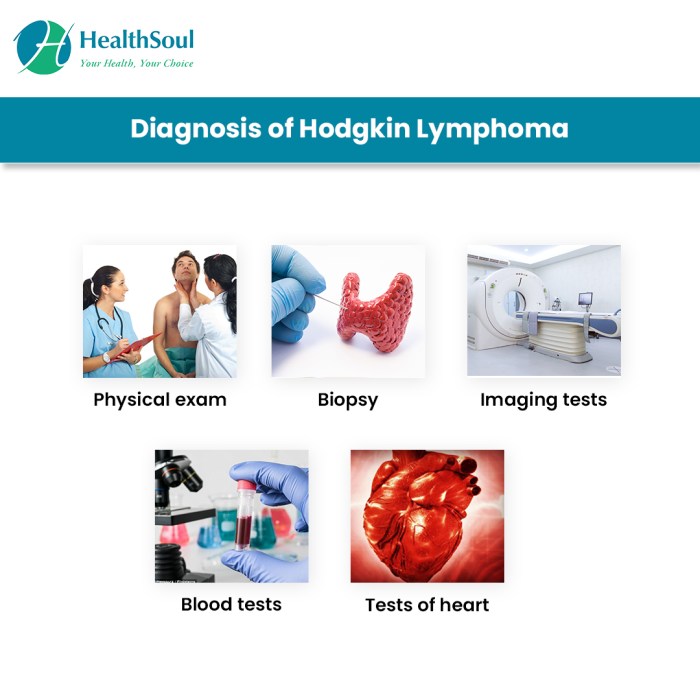
The diagnostic process for NHL involves a combination of physical examinations, laboratory tests, and imaging procedures. A comprehensive evaluation helps healthcare providers determine the presence and extent of the disease.
- Physical Examination: A thorough physical examination is the initial step in assessing potential NHL. During this examination, the healthcare professional will evaluate the patient’s overall health, noting any unusual symptoms, such as swollen lymph nodes or unexplained weight loss. They will also check vital signs and perform a detailed examination of various body parts to identify any unusual findings.
Understanding Non-Hodgkin lymphoma involves looking at various factors, including potential links to other health conditions. While the specifics of how chronic lung disease might impact the development of Non-Hodgkin lymphoma are still being studied, researchers are exploring potential connections to the effectiveness of chronic lung disease vaccine protection. chronic lung disease vaccine protection could play a role in overall health outcomes, ultimately affecting the long-term management of Non-Hodgkin lymphoma.
Further research is key to understanding these complex relationships.
- Blood Tests: Blood tests are essential for assessing the body’s response to the disease and evaluating the presence of infection or other underlying health issues. These tests measure various components of the blood, including complete blood count (CBC), blood chemistry panels, and specific markers for certain types of cancer.
- Biopsy: A biopsy is a crucial diagnostic procedure that involves removing a tissue sample from the affected area. The sample is then examined under a microscope to determine the presence of cancerous cells and identify the specific type of lymphoma. This procedure is essential for confirming the diagnosis and guiding treatment strategies.
- Imaging Studies: Imaging studies, such as X-rays, CT scans, MRI scans, and PET scans, are used to visualize the affected areas and determine the extent of the lymphoma’s spread throughout the body. These images can provide crucial information about the size, location, and possible involvement of other organs.
Importance of Early Detection
Early detection of NHL significantly improves treatment outcomes. Prompt diagnosis allows for the initiation of targeted therapies, potentially leading to remission or a better prognosis.
| Symptom | Possible Cause | Diagnostic Test | Expected Result |
|---|---|---|---|
| Persistent fatigue | NHL, infection, anemia, stress | Complete blood count (CBC) | Low red blood cell count (anemia) or other abnormalities indicative of disease. |
| Swollen lymph nodes | NHL, infection, inflammation | Biopsy of lymph node | Presence of lymphoma cells if NHL is the cause. |
| Unexplained fever | NHL, infection, other inflammatory conditions | Blood cultures, CBC | Presence of infection, or signs of elevated white blood cell count if NHL is present. |
| Unexplained weight loss | NHL, infection, metabolic disorder | Metabolic panel, thorough medical history | Abnormal metabolic markers or indications of underlying infection or metabolic issues. |
Risk Factors and Causes
Non-Hodgkin lymphoma (NHL) is a complex disease with a variety of potential contributing factors. Understanding these factors is crucial for both prevention and early detection. While a definitive cause is often elusive, research has identified several risk factors that increase a person’s susceptibility to developing NHL.Understanding the interplay of genetic predisposition, environmental influences, and infectious agents is essential for comprehending the pathogenesis of NHL.
This knowledge helps refine preventive strategies and potentially target therapies more effectively.
Genetic Predisposition
Genetic factors play a significant role in NHL development. Certain inherited genetic mutations can increase the risk of developing the disease. Family history of NHL, particularly in close relatives, is often a significant indicator of increased genetic vulnerability. Studies have identified specific genes and chromosomal abnormalities that are associated with a higher risk. For example, individuals with inherited immune deficiencies are more prone to developing certain types of NHL.
The genetic background is not solely deterministic; environmental factors also contribute significantly.
Environmental Factors
Environmental exposures can also impact NHL risk. Exposure to certain chemicals, pollutants, and even occupational hazards has been linked to a higher likelihood of developing NHL. For example, exposure to pesticides or certain industrial solvents may increase the risk. It’s crucial to note that the specific environmental factors and their precise mechanisms of action are still under investigation.
Further research is needed to fully elucidate the role of environmental factors in NHL development.
Infectious Agents
Certain infections have been linked to an increased risk of NHL. Infectious agents can trigger or interact with genetic predispositions to disrupt normal cellular processes and lead to malignant transformation. The Epstein-Barr virus (EBV) is a well-documented example of an infection linked to specific types of NHL. The presence of EBV in the body can significantly increase the risk, although the precise mechanism is not fully understood.
Other infections, like HIV, also show correlations with a higher incidence of NHL.
Table of Risk Factors
| Risk Factor | Mechanism | Example | Preventive Measures |
|---|---|---|---|
| Family History | Inherited genetic mutations increasing susceptibility | A parent or sibling with NHL | Genetic counseling and increased vigilance for symptoms |
| Environmental Exposure (e.g., Chemicals) | Direct or indirect damage to DNA, immune system dysfunction | Exposure to pesticides, industrial solvents | Avoiding known carcinogens, wearing appropriate protective gear, following safety regulations |
| Infectious Agents (e.g., EBV) | Chronic inflammation, immune system dysregulation, genetic alterations | Epstein-Barr Virus infection | Maintaining a healthy immune system, vaccination where available |
| Immunosuppression | Weakened immune response allowing abnormal cell growth | Organ transplant recipients on immunosuppressants | Regular monitoring and management of immunosuppressive therapy |
Treatment Options and Approaches
Non-Hodgkin lymphoma (NHL) is a complex disease, and treatment approaches vary significantly depending on the specific type of lymphoma, the stage of the disease, and the patient’s overall health. Effective treatment strategies aim to eliminate the cancerous cells while minimizing harm to healthy tissues. This often involves a combination of therapies, tailored to the individual patient’s needs.The primary goals of treatment are to achieve remission (the disappearance of detectable cancer), to prevent recurrence, and to improve quality of life.
Treatment decisions are carefully considered, balancing the potential benefits of each therapy against its potential side effects.
Overview of Treatment Options
Different treatment options are available for NHL, each with its own mechanism of action, potential side effects, and success rates. The choice of treatment often involves careful consideration of the patient’s individual circumstances. These include the type and stage of NHL, overall health, and preferences.
Non-Hodgkin lymphoma, a type of blood cancer, can have various risk factors, including a history of smoking. Interestingly, the risk of lung cancer in former smokers is a crucial factor to consider when discussing lymphoma’s development. This risk is often overlooked, but understanding its impact on overall health is vital for those diagnosed with or at risk for non-Hodgkin lymphoma.
Ultimately, a thorough understanding of potential contributing factors is essential for comprehensive patient care.
Chemotherapy, Non hodgkin lymphoma overview
Chemotherapy uses drugs to kill cancer cells. These drugs can be administered intravenously (into a vein), orally (by mouth), or topically (directly onto the affected area). Different chemotherapy regimens target different types of NHL and stages of disease. For example, a patient with an aggressive form of diffuse large B-cell lymphoma might receive a combination of chemotherapy drugs, like cyclophosphamide, doxorubicin, vincristine, and prednisone (CHOP).
The effectiveness of chemotherapy is influenced by factors like the specific drugs used, the dosage, and the frequency of administration.
Radiation Therapy
Radiation therapy uses high-energy rays to damage or destroy cancer cells. It can be delivered externally (using a machine outside the body) or internally (using radioactive materials placed directly into the affected area). External beam radiation therapy is often used to treat localized NHL, particularly in the lymph nodes. The dosage and delivery method of radiation therapy are carefully planned to target the cancerous area while minimizing damage to surrounding healthy tissues.
Targeted Therapies
Targeted therapies are designed to specifically attack cancer cells while sparing healthy cells. These therapies often involve drugs that block specific molecules or pathways crucial for cancer cell growth and survival. Examples of targeted therapies include monoclonal antibodies, which recognize and bind to specific proteins on the surface of cancer cells. Targeted therapies are often used in combination with other treatments.
For instance, rituximab, a monoclonal antibody, is commonly used to treat various types of NHL.
Immunotherapy
Immunotherapy treatments help the body’s own immune system recognize and attack cancer cells. This approach has shown significant promise in treating certain types of NHL. CAR T-cell therapy is a form of immunotherapy that involves modifying a patient’s own immune cells (T cells) to specifically target cancer cells. These modified T cells are then infused back into the patient.
Other immunotherapies include checkpoint inhibitors, which block proteins that normally prevent the immune system from attacking cancer cells.
Treatment Comparison Table
| Treatment Type | Mechanism | Side Effects | Success Rate |
|---|---|---|---|
| Chemotherapy | Kills cancer cells through various mechanisms, targeting rapidly dividing cells. | Nausea, vomiting, hair loss, fatigue, mouth sores, and increased risk of infections. | Variable, depending on the type and stage of NHL, and the specific chemotherapy regimen. |
| Radiation Therapy | Damages or destroys cancer cells using high-energy rays. | Fatigue, skin irritation, inflammation, and potential damage to surrounding healthy tissues. | Effective for localized NHL, often used in conjunction with other therapies. |
| Targeted Therapies | Targets specific molecules or pathways critical for cancer cell growth. | Diarrhea, nausea, fatigue, and liver or kidney problems. | High success rate for specific types of NHL, especially in combination with other therapies. |
| Immunotherapy | Enhances the body’s immune response to destroy cancer cells. | Fatigue, fever, chills, and potentially serious side effects with CAR T-cell therapy, such as cytokine release syndrome. | Showed high success rates in certain NHL subtypes, particularly in combination with other therapies. |
Prognosis and Survival Rates
Understanding the prognosis of Non-Hodgkin Lymphoma (NHL) is crucial for patients and their families. A prognosis encompasses the likely course of the disease and potential outcomes. Factors like the type of NHL, the stage of the disease at diagnosis, and the patient’s overall health all play significant roles in determining the prognosis. While no two cases are identical, understanding the average survival rates and the impact of treatment helps patients and healthcare professionals make informed decisions.
Factors Influencing NHL Prognosis
Various factors influence the prognosis of NHL patients. The type of NHL, its stage at diagnosis, the patient’s age and overall health, and the presence of any other medical conditions all contribute to the outlook. Early diagnosis and prompt, effective treatment significantly impact the likelihood of a positive outcome. For example, a patient with an aggressive lymphoma type diagnosed at an early stage, with no pre-existing health issues, will have a more favorable prognosis compared to someone with a less aggressive type at a later stage, and other underlying health conditions.
Overall Survival Rates for Different NHL Types
Survival rates for NHL vary significantly based on the specific subtype of the disease. Some NHL types are more aggressive and progress rapidly, while others are indolent, meaning they progress slowly. Data from clinical trials and registries often provide estimates for overall survival rates, but these are averages and individual outcomes can differ. For instance, a particular subtype of diffuse large B-cell lymphoma might have a lower overall survival rate than a less aggressive follicular lymphoma.
Impact of Treatment on Patient Outcomes
The effectiveness of treatment directly correlates with the survival rate of patients with NHL. Advanced therapies, including chemotherapy, immunotherapy, targeted therapies, and stem cell transplantation, significantly improve outcomes. Treatment regimens are tailored to the specific type and stage of NHL, aiming to eliminate or control the disease while minimizing side effects. The choice of treatment, its duration, and its success in controlling the lymphoma’s growth are all critical elements in influencing the long-term outcome.
Table: Stage, Treatment, 5-Year Survival Rate, and Contributing Factors
| Stage of NHL | Treatment | 5-Year Survival Rate | Contributing Factors |
|---|---|---|---|
| Early Stage (I or II) | Chemotherapy, radiation therapy, or a combination | >70% | Younger age, absence of significant comorbidities, effective treatment response |
| Intermediate Stage (III or IV) | Combination chemotherapy, targeted therapy, immunotherapy, or a combination | 50-70% | Presence of certain genetic alterations in the tumor, age, presence of other medical conditions, and the specific type of NHL |
| Advanced Stage (IV) | Aggressive chemotherapy regimens, targeted therapies, bone marrow transplant, or a combination | 30-50% | Tumor burden, aggressive subtypes of NHL, presence of extensive disease spread, pre-existing health conditions, and treatment response |
Note: Survival rates are estimates and can vary based on individual patient characteristics and treatment responses. These are general guidelines and should not be considered absolute predictions.
Impact on Daily Life
Living with non-Hodgkin lymphoma (NHL) can significantly impact a patient’s daily life, affecting both physical and emotional well-being. The disease itself, coupled with the often-extensive treatments, can lead to a wide range of challenges that require understanding and support. Navigating these difficulties is a journey that requires strength, resilience, and access to the right resources.
Physical Impact of NHL
The physical effects of NHL can vary greatly depending on the type and stage of the disease, as well as the chosen treatment. Some patients experience fatigue, pain, and swelling in affected areas. These symptoms can range from mild discomfort to debilitating conditions, impacting activities of daily living. For instance, a patient might struggle with simple tasks like walking or performing household chores due to pain or weakness.
Furthermore, side effects from chemotherapy or radiation therapy, such as nausea, vomiting, hair loss, and mouth sores, can severely impact a patient’s ability to maintain a normal routine.
Emotional Impact of NHL
The diagnosis of NHL can be profoundly emotional, triggering feelings of fear, anxiety, and uncertainty about the future. The prospect of treatment, with its potential side effects, can also evoke feelings of stress and helplessness. Facing the possibility of long-term health consequences and the disruption to one’s daily life can create emotional burdens. It’s crucial to acknowledge and address these emotions, allowing patients to cope with the emotional turmoil.
Impact of Treatment on Quality of Life
Treatment for NHL, while crucial for survival, often significantly impacts patients’ quality of life. The side effects of chemotherapy, radiation therapy, and targeted therapies can be considerable, affecting everything from physical well-being to mental health. For instance, nausea, fatigue, and hair loss can interfere with work, social activities, and even basic self-care. Understanding the potential impacts of different treatment options and actively managing side effects are vital aspects of cancer care.
Resources and Support Systems
Navigating the complexities of NHL requires access to comprehensive support systems. Support groups, online forums, and counseling services can provide emotional support, practical advice, and a sense of community. These resources offer opportunities to connect with others facing similar challenges and to share experiences and coping strategies. Furthermore, healthcare providers play a vital role in providing emotional support and guidance.
They can offer information about available resources and connect patients with support groups or counseling services.
Understanding Non-Hodgkin lymphoma (NHL) can be tough, but it’s important to stay informed. One crucial aspect of overall health, often overlooked, is sleep. Improving your sleep hygiene can significantly impact your well-being, and how to sleep better in 30 days offers practical strategies for better rest. Ultimately, a healthy lifestyle, including good sleep, is vital for managing NHL and improving your quality of life.
Table: Treatment, Impact on Daily Life, Coping Strategies, and Support Resources
| Treatment | Impact on Daily Life | Coping Strategies | Support Resources |
|---|---|---|---|
| Chemotherapy | Fatigue, nausea, hair loss, mouth sores, potential for infection | Prioritizing rest, maintaining a healthy diet, managing nausea with prescribed medications, and practicing relaxation techniques. | Cancer support groups, nutrition counseling, and patient navigation services. |
| Radiation Therapy | Skin irritation, fatigue, potential for organ damage, pain | Protecting the skin during treatment, practicing relaxation techniques, maintaining a healthy diet, and communicating with healthcare providers about pain management. | Radiation therapy support groups, pain management clinics, and patient advocates. |
| Targeted Therapy | Potential for specific side effects, such as diarrhea, skin rashes, fatigue, or liver problems | Following treatment protocols closely, maintaining a healthy diet, staying hydrated, and monitoring for any unusual side effects. | Targeted therapy support groups, patient advocacy organizations, and healthcare professionals specializing in targeted therapy. |
| Immunotherapy | Fatigue, flu-like symptoms, potential for skin reactions, or other immune-related side effects | Prioritizing rest, managing symptoms with over-the-counter medications, and maintaining a healthy diet. | Immunotherapy support groups, patient assistance programs, and oncologists specializing in immunotherapy. |
Prevention and Early Detection

While Non-Hodgkin lymphoma (NHL) is a complex disease, understanding risk factors and adopting proactive measures can significantly impact the chances of prevention or early detection. This crucial aspect focuses on strategies to reduce the likelihood of developing NHL and highlights the importance of early diagnosis, which is vital for improved outcomes.
Strategies for Preventing NHL
Many risk factors for NHL are beyond our immediate control, such as genetics and age. However, some lifestyle choices can influence the risk. Maintaining a healthy weight, a balanced diet rich in fruits and vegetables, and regular physical activity are crucial for overall health and potentially reducing the risk of NHL. Studies have shown a link between obesity and a higher risk of certain NHL subtypes, emphasizing the importance of a healthy lifestyle.
Importance of Regular Checkups and Screenings
Regular checkups with your doctor are essential for overall health. During these visits, your doctor can assess your risk factors, identify potential health concerns, and recommend appropriate screenings. In some cases, specific screenings for NHL may be recommended, especially for individuals with known risk factors. Early detection through regular checkups is crucial in increasing the likelihood of successful treatment.
Lifestyle Modifications for Reducing NHL Risk
Certain lifestyle modifications can contribute to a lower risk of developing NHL. Maintaining a healthy weight through a balanced diet and regular exercise is a key component of risk reduction. Avoiding excessive alcohol consumption and limiting exposure to potential environmental carcinogens are also crucial considerations. These steps can significantly impact overall health and potentially lower the risk of developing NHL.
Recommendations for Preventing NHL
- Maintain a healthy weight through a balanced diet and regular exercise. Studies show a correlation between obesity and an increased risk of certain NHL subtypes.
- Adopt a diet rich in fruits and vegetables, known for their antioxidant properties, which may play a role in reducing cellular damage.
- Limit alcohol consumption. Excessive alcohol intake has been linked to increased cancer risk, potentially including NHL.
- Avoid exposure to known environmental carcinogens, such as certain chemicals and pollutants, as these substances can contribute to cellular damage.
- Get regular checkups and screenings, especially if you have a family history of NHL or other risk factors. Early detection is critical for successful treatment.
- Prioritize stress management. While the direct link between stress and NHL is not definitively established, managing stress effectively can contribute to overall health and well-being.
Conclusion: Non Hodgkin Lymphoma Overview
In conclusion, non-Hodgkin lymphoma is a complex disease with many facets, but with a comprehensive understanding of the different aspects discussed in this overview, you can feel more informed and empowered to approach this condition with knowledge and hope. The journey through this condition can be challenging, but by understanding the different stages, treatments, and resources available, individuals and their loved ones can navigate this experience with more confidence.
This overview provides a solid foundation for further exploration and understanding.