
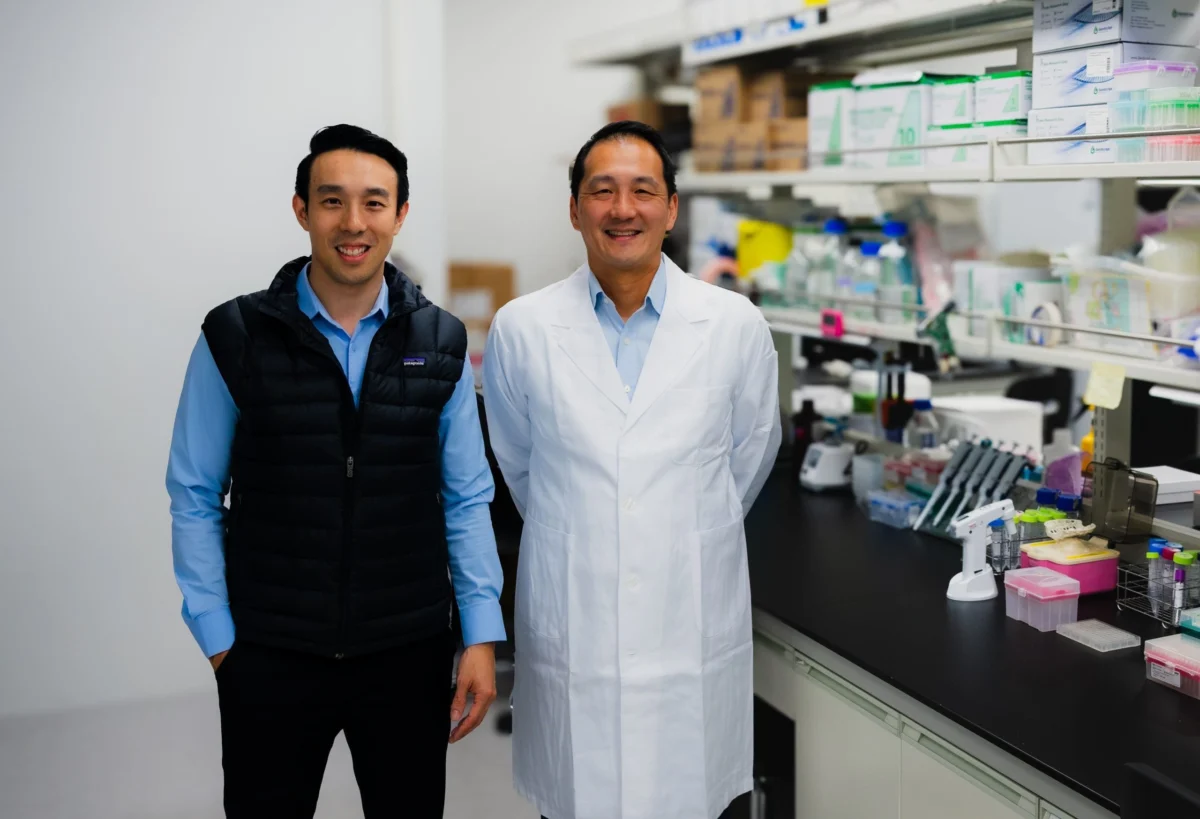
California-based biotech Protuoso Biosciences has successfully closed a $9.5 million seed financing round, spearheaded by Taya Venture and Darwin Ventures, with additional participation from NSG Ventures, SEEDS, and other strategic investors. The substantial investment will fuel the development of the company’s pioneering MUXBODIES platform, a novel approach designed to integrate multiple therapeutic modalities into a single biologic, capable of simultaneously targeting a diverse array of disease mechanisms.
n
In a significant leap for next-generation therapeutics, Protuoso Biosciences is poised to redefine the treatment landscape for complex diseases by overcoming the inherent limitations of single-pathway drugs. The company’s innovative technology aims to engineer highly sophisticated biologics that can engage multiple biological mechanisms concurrently, promising enhanced efficacy and broader therapeutic utility across a spectrum of challenging conditions, including cardiometabolic disorders, oncology, and autoimmune diseases.
n
Main Facts
n
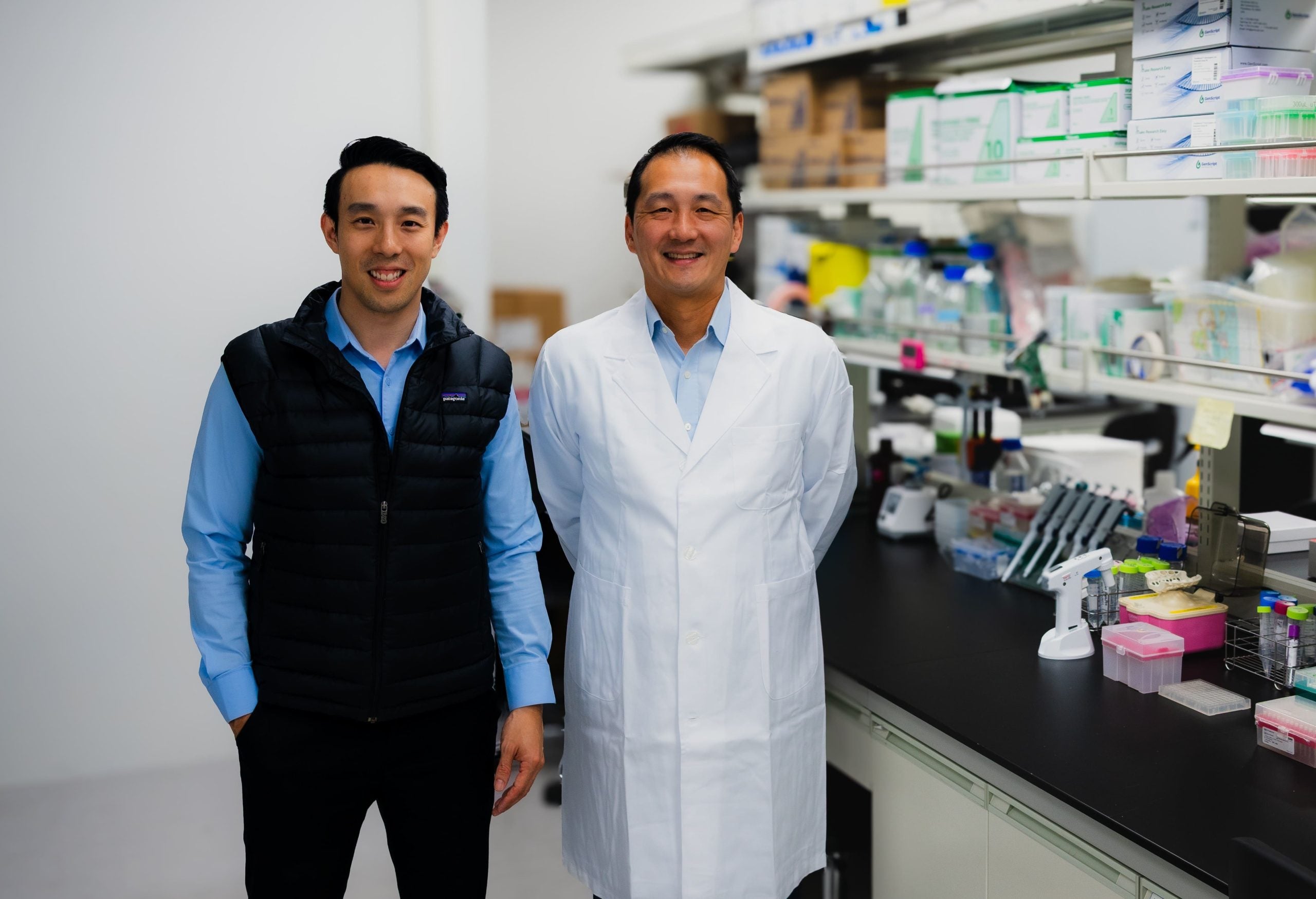
Protuoso Biosciences, a US biotech startup founded by scientific luminaries Willie Xiang and Tim Lu, has announced the successful completion of a $9.5 million seed financing round. This critical infusion of capital is earmarked to advance its proprietary MUXBODIES platform, a cutting-edge technology focused on developing multifunctional biologics. Unlike conventional single-target therapies, MUXBODIES are recombinant fusion proteins engineered to seamlessly integrate a variety of therapeutic modalities, such as antibodies, cytokines, peptides, and other signaling modules, into one cohesive therapeutic agent.
n
The strategic funding round was led by prominent venture capital firms Taya Venture and Darwin Ventures, signifying strong investor confidence in Protuoso’s innovative scientific premise and its potential to disrupt the biopharmaceutical industry. Notable participation from NSG Ventures and SEEDS further underscores the broad interest in Protuoso’s ambitious vision. The company’s core mission revolves around addressing complex diseases that are driven by interconnected biological pathways, where current single-action drugs often fall short in providing comprehensive or lasting solutions. By enabling a "mix-and-match" architecture for its biologics, Protuoso aims to create therapies that can tackle the multifaceted nature of conditions like obesity, various cancers, and autoimmune disorders more effectively.
n
Chronology
n
The Genesis of Protuoso Biosciences and its Vision
n
Protuoso Biosciences emerged from the fertile scientific ground of California, co-founded by Willie Xiang and Dr. Tim Lu. While specific details of their initial collaboration remain private, the genesis of Protuoso can be traced to a shared recognition of a fundamental challenge in modern medicine: the increasing complexity of major disease areas juxtaposed against the often-simplistic, single-pathway approach of most existing therapeutics. Dr. Tim Lu, a widely recognized figure in synthetic biology and bioengineering, brings a formidable track record of innovation to Protuoso. A distinguished professor at MIT, Lu is a co-founder of several successful biotech companies, including Synlogic and Senti Biosciences, both pioneers in their respective fields of synthetic biology and gene circuit engineering. His extensive experience in designing and engineering biological systems provides a robust scientific foundation for Protuoso’s ambitious platform. Willie Xiang, while less publicly profiled, is understood to contribute complementary expertise, likely in drug development, protein engineering, or entrepreneurial leadership, essential for translating groundbreaking science into viable therapeutic products.
n
The conceptualization of MUXBODIES likely stemmed from years of research into protein engineering, synthetic biology, and a deep understanding of disease pathology. The founders recognized that many chronic and life-threatening diseases, from metabolic disorders to advanced cancers, are not merely the result of a single faulty protein or pathway but rather an intricate dance of dysregulated biological networks. This insight laid the groundwork for a platform that could simultaneously modulate multiple points within these networks, offering a more holistic and potent therapeutic intervention. The decision to focus on recombinant fusion proteins as the core of MUXBODIES was a strategic one, leveraging established biotechnological principles while pushing the boundaries of what these molecules could achieve by integrating diverse functional units.
n
Securing the Seed Capital: A Vote of Confidence
n
The recent announcement of the $9.5 million seed financing round marks a pivotal moment in Protuoso Biosciences’ journey. This capital injection is not just financial backing; it represents a significant vote of confidence from sophisticated investors who recognize the transformative potential of the MUXBODIES platform. Securing nearly $10 million at the seed stage is a testament to the perceived strength of Protuoso’s intellectual property, the depth of its scientific leadership, and the compelling unmet medical need it aims to address.
n
The process of securing such a round typically involves rigorous due diligence, where investors scrutinize the underlying science, the feasibility of the technology, the strength of the management team, and the potential market opportunity. The leadership of Taya Venture and Darwin Ventures, both known for their investments in innovative life science companies, signals a strong belief in Protuoso’s ability to execute its vision. The proceeds from this round are critical for advancing the MUXBODIES platform from its foundational development stages into preclinical validation, allowing Protuoso to refine its engineering capabilities, identify lead candidates, and generate robust proof-of-concept data across its initial therapeutic programs. This funding will enable the company to expand its research and development teams, acquire necessary resources, and establish the operational infrastructure required for a cutting-edge biotech startup.
n
Supporting Data
n
The Scientific Underpinnings of MUXBODIES: A New Frontier in Biologics
n
At the heart of Protuoso Biosciences’ innovation lies the MUXBODIES platform, a sophisticated approach to creating recombinant fusion proteins. In essence, this technology involves genetically engineering cells to produce a single protein molecule that is comprised of multiple distinct protein domains, each with a specific biological function, joined together. This allows for the precise assembly of a multi-functional therapeutic agent within a single molecule.
n
The true novelty of MUXBODIES lies in their ability to integrate a wide range of therapeutic modalities – a significant departure from existing multi-functional biologics that often combine only closely related components. Protuoso’s platform claims the capacity to combine:
n
- n
- Antibodies: Highly specific targeting agents that can bind to disease-associated markers, blocking aberrant signals or recruiting immune cells.
- Cytokines: Signaling proteins that regulate immune responses, inflammation, and cell growth, offering powerful immunomodulatory capabilities.
- Peptides: Short chains of amino acids that can act as ligands for receptors, enzyme inhibitors, or possess direct therapeutic effects.
- Other Signaling Modules: This broad category could include enzymes, receptor extracellular domains, or even elements that enhance drug delivery or stability.
n
n
n
n
n
This "mix-and-match" architecture provides unparalleled flexibility in drug design. Instead of developing separate drugs for different targets or mechanisms, Protuoso can engineer a single MUXBODY to simultaneously:
n
- n
- Target specific cells or tissues (e.g., tumor cells, inflamed tissues) via an antibody component.
- Modulate immune responses within that microenvironment using an integrated cytokine.
- Block a pro-survival pathway or activate a pro-apoptotic one with a peptide or another signaling module.
n
n
n
n
This multi-pronged attack is designed to overcome the compensatory mechanisms and pathway redundancies that often render single-pathway drugs ineffective over time, particularly in complex and adaptive diseases.
n
The Evolving Landscape of Multifunctional Biologics
Multifunctional drugs are not a nascent concept. Aspirin, a classic example, exerts its therapeutic effects (anti-inflammatory, analgesic, antipyretic, anti-platelet) through multiple biological pathways, primarily by inhibiting cyclooxygenase enzymes. However, most successful multifunctional drugs in the commercial realm have historically been small molecules, which are relatively easier to synthesize and combine.
The development of multifunctional biologics, especially large, complex protein molecules, has presented significant engineering challenges. Nevertheless, the field has made substantial inroads:
- Monoclonal Antibodies: The advent of monoclonal antibodies revolutionized medicine by offering highly specific targeting. However, their single-target nature often proved insufficient for complex diseases.
- Bispecific and Trispecific Antibodies: These advanced antibodies are designed to bind to two or three distinct disease antigens simultaneously. For example, blinatumomab (Amgen’s Blincyto) is a bispecific T-cell engager (BiTE) that simultaneously binds to CD19 on B-cells and CD3 on T-cells, bringing T-cells into proximity with cancer cells to trigger their destruction. Amivantamab (Janssen’s Rybrevant) targets EGFR and MET mutations in NSCLC. While powerful, these are typically limited to binding a few distinct antibody targets.
- Antibody-Drug Conjugates (ADCs): ADCs represent another highly successful class of multifunctional biologics. They consist of a monoclonal antibody precisely linked to a highly potent synthetic cytotoxic drug. The antibody selectively delivers the toxic payload directly to cancer cells expressing a specific antigen, minimizing systemic toxicity. Examples include trastuzumab emtansine (Kadcyla) for HER2+ breast cancer and fam-trastuzumab deruxtecan (Enhertu). ADCs combine targeting with a small molecule drug, but the drug’s mechanism is typically a broad cytotoxic effect.
Protuoso’s MUXBODIES differentiate themselves by their potential to integrate a much wider variety of modalities – not just multiple antibody binding sites or an antibody fused to a small molecule drug, but a sophisticated combination of distinct protein classes (antibodies, cytokines, peptides) each contributing a unique and specific biological function. This modularity promises a level of combinatorial complexity and functional synergy that is difficult to achieve with existing platforms, enabling the design of truly "smart" biologics.
Target Disease Areas: Addressing Unmet Needs
Protuoso has strategically focused its initial programs on three major disease areas characterized by interconnected biology and significant unmet patient needs:
-
Cardiometabolic Diseases: This broad category includes conditions like obesity, type 2 diabetes, non-alcoholic fatty liver disease (NAFLD/NASH), and cardiovascular diseases. These conditions are deeply intertwined, with obesity often serving as a root cause leading to a cascade of pathologies in various organs. Current treatments often address symptoms or single metabolic pathways, leading to limited long-term efficacy or significant side effects. Protuoso is developing drugs designed to target the "root causes" of obesity and the resulting multi-organ pathology. A multi-modal biologic could, for example, simultaneously reduce appetite, enhance energy expenditure, improve insulin sensitivity, and reduce inflammation in adipose tissue and the liver, offering a more comprehensive and durable therapeutic effect than any single-agent approach.
-
Oncology: Despite advancements in cancer therapy, solid tumors remain a formidable challenge, often characterized by a highly immunosuppressive tumor microenvironment and mechanisms of immune evasion. Protuoso is engineering "armoured" immune cell engagers. The term "armoured" suggests that these biologics are designed not only to bring immune cells to the tumor but also to overcome the hostile conditions within the tumor microenvironment that typically thwart immune attacks. This could involve integrating components that neutralize immunosuppressive signals (e.g., TGF-beta), enhance T-cell activation, or disrupt the tumor’s protective stromal barrier. By combining multiple immune-modulating functions, these MUXBODIES aim to unleash a more potent and sustained anti-tumor response, particularly in cancers currently resistant to conventional immunotherapies.
-
Autoimmune Diseases: These conditions, such as rheumatoid arthritis, lupus, and inflammatory bowel disease, are characterized by a dysregulated immune system attacking the body’s own tissues. They are typically multifactorial, involving complex interactions between genetic predispositions, environmental triggers, and multiple immune pathways. Current treatments often broadly suppress the immune system, leading to side effects, or target only one inflammatory cytokine, which may not be sufficient for all patients. MUXBODIES could offer a more nuanced approach, simultaneously modulating several key inflammatory or regulatory pathways, potentially leading to more targeted and effective immune modulation with fewer systemic side effects.
The potential market for these disease areas is enormous, underscoring the commercial viability and profound patient impact if Protuoso’s technology proves successful. For instance, the global market for obesity drugs is projected to reach tens of billions, while oncology and autoimmune disease markets are already among the largest therapeutic areas, each valued at hundreds of billions of dollars annually.
Official Responses
The enthusiasm for Protuoso’s innovative platform is clearly articulated by its co-founders and implicitly by its investors.
Willie Xiang, co-founder of Protuoso Biosciences, articulated the core philosophy behind the company’s approach: "Many of the largest disease areas such as obesity, cardiovascular diseases, cancer, and autoimmune diseases are fundamentally driven by interconnected biology, but most drugs still act on a single pathway. Our platform gives us the ability to engineer multiple modalities into a single molecule to target a variety of disease mechanisms." Xiang’s statement underscores the critical gap in current therapeutic strategies and highlights how MUXBODIES are purpose-built to address the inherent biological complexity of these pervasive conditions. His vision is not merely to create another drug but to develop a new class of therapeutics that mirrors the intricate nature of the diseases they aim to combat.
Dr. Tim Lu, co-founder, shed light on the technical prowess of the platform: He acknowledged the significant historical challenges in developing complex biologics. "Biologics combining multiple functions into a single molecule had historically been very complex to engineer." This candid admission from a seasoned bioengineer emphasizes the difficulty inherent in such endeavors. However, he quickly followed with the critical differentiator for Protuoso: "Protuoso’s platform mitigates this hurdle and allows scalable development of multifunctional biologics." This assertion suggests that the company has developed proprietary methods or design principles that streamline the engineering process, making the creation of these sophisticated molecules more feasible and efficient than previously possible. This scalability is crucial for translating laboratory breakthroughs into commercially viable and accessible medicines.
Lu concluded with a bold outlook on the future impact: "We believe this approach will unlock more effective therapies for complex diseases and expand the range of what biologics can achieve." This statement encapsulates the ambitious vision for MUXBODIES – not just incremental improvements, but a fundamental expansion of the therapeutic potential of biologics, offering hope for patients suffering from conditions that currently lack adequate treatment options.
While direct quotes from investors were not provided in the initial announcement, their decision to lead a $9.5 million seed round speaks volumes. Taya Venture and Darwin Ventures, along with NSG Ventures and SEEDS, are recognized for their strategic investments in cutting-edge biotechnology. Their commitment signifies a strong belief in Protuoso’s scientific rigor, the experience of its founding team, and the substantial market opportunity for truly multi-modal therapeutics. Such significant early-stage funding implies that these investors see Protuoso’s technology not as a niche improvement, but as a foundational platform capable of generating a robust pipeline of highly differentiated assets with the potential for substantial returns. It reflects confidence that Protuoso possesses the intellectual property, scientific expertise, and strategic roadmap to navigate the challenging path from innovative concept to successful clinical translation.
Implications
A Potential Paradigm Shift in Biologic Drug Discovery
The advent of Protuoso Biosciences’ MUXBODIES platform carries profound implications for the future of drug discovery and development, particularly within the biologics space. This technology has the potential to represent a genuine paradigm shift, moving beyond the traditional "one target, one drug" philosophy that has dominated much of pharmaceutical research. By enabling the rational design of biologics that simultaneously engage multiple disease mechanisms, MUXBODIES could usher in an era of "intelligent" therapeutics – drugs that are precisely tailored to the multi-factorial nature of complex diseases.
This approach could lead to several critical advancements:
- Enhanced Efficacy: By hitting multiple targets or pathways, MUXBODIES may offer superior efficacy compared to monotherapies, especially in diseases where compensatory mechanisms limit the impact of single-agent drugs.
- Reduced Resistance: Targeting multiple pathways simultaneously could make it more difficult for diseases, particularly cancers and infectious agents, to develop resistance, leading to more durable responses.
- Improved Safety Profile: While combining multiple modalities might intuitively seem to increase side effects, the precise engineering of MUXBODIES could allow for targeted delivery and synergistic effects at lower individual doses, potentially improving the therapeutic index. Furthermore, the ability to modulate specific pathways in a balanced manner might reduce off-target effects associated with broad pathway inhibition.
- Streamlined Development: Instead of developing and testing multiple monotherapies in combination, a single MUXBODY could theoretically condense the development timeline, offering a more efficient path to market for comprehensive treatments.
- Broader Applicability: As Dr. Lu highlighted, this approach could "expand the range of what biologics can achieve," making previously "undruggable" pathways or disease combinations accessible to therapeutic intervention.
Challenges and Future Outlook
Despite the immense promise, Protuoso Biosciences, like any pioneering biotech, faces significant challenges on its journey from seed funding to clinical impact.
- Preclinical Validation and Lead Optimization: The immediate next steps will involve rigorous preclinical validation of MUXBODIES in relevant disease models. This includes demonstrating the stability, specificity, potency, and safety of lead candidates. Optimizing the "mix-and-match" combinations to achieve the desired therapeutic profile without unintended interactions will be a complex task.
- Manufacturing Complexity: While Dr. Lu stated the platform allows "scalable development," manufacturing highly complex multi-domain fusion proteins at a commercial scale can still be challenging. Ensuring consistent quality, purity, and yield will be crucial for clinical development and eventual market entry.
- Regulatory Pathway: Novel multi-modal biologics may face unique regulatory considerations. Regulatory agencies like the FDA might require new frameworks for evaluating the safety and efficacy of drugs that simultaneously interact with multiple biological pathways, potentially requiring more extensive and innovative clinical trial designs.
- Clinical Translation: The leap from promising preclinical data to successful human clinical trials is the ultimate hurdle. Patient recruitment, trial design, and demonstrating a clear therapeutic benefit in a diverse patient population will be critical.
- Competitive Landscape: The biotech industry is fiercely competitive. While MUXBODIES offer a unique approach, other companies are also pursuing advanced biologics, including next-generation bispecifics, trispecifics, and gene therapies. Protuoso will need to continually innovate and demonstrate clear differentiation.
Looking ahead, Protuoso Biosciences is positioned at the forefront of a new wave of biologic therapeutics. If successful, its MUXBODIES platform could profoundly reshape the treatment paradigms for some of the most intractable diseases of our time. The seed funding provides the critical runway to translate this audacious scientific vision into tangible therapeutic candidates, moving closer to the ultimate goal: delivering more effective, comprehensive, and potentially curative therapies for patients worldwide. The journey will be long and arduous, but the potential rewards – a healthier future for millions – are immeasurable.

