
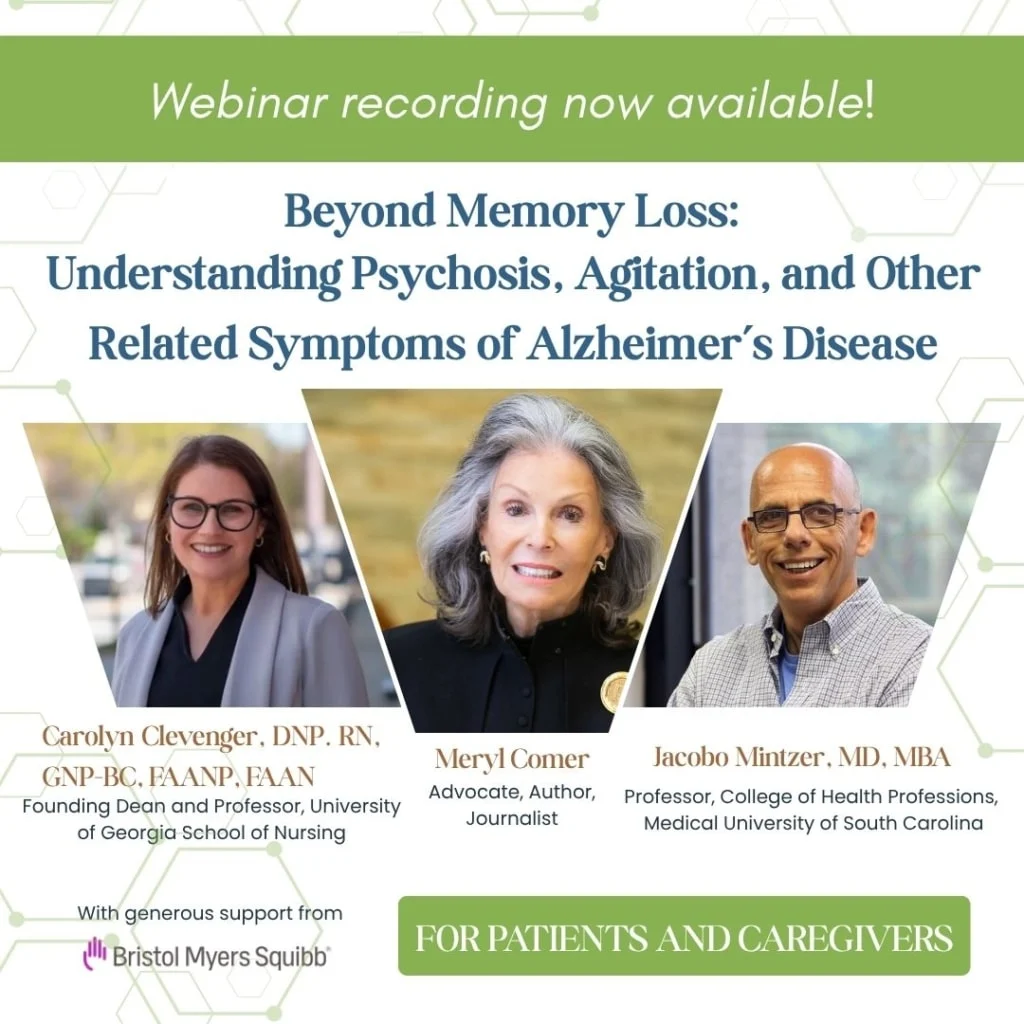
A landmark webinar offers crucial insights and support for caregivers, clinicians, and individuals impacted by the often-misunderstood neuropsychiatric symptoms of Alzheimer’s disease.
n
The profound impact of Alzheimer’s disease extends far beyond the cognitive decline of memory loss. For millions of families, the journey is marked by a complex constellation of behavioral and emotional challenges, often encapsulated by the term neuropsychiatric symptoms (NPS). These symptoms, which can range from anxiety and depression to agitation, apathy, psychosis, sleep disturbances, and wandering, are not merely inconvenient side effects but integral components of the disease. Yet, they remain widely misunderstood, frequently dismissed as willful defiance rather than manifestations of a neurological disorder. Recognizing this critical gap in understanding and support, the Alliance, with generous support from Bristol Myers Squibb, hosted a pivotal webinar titled "Beyond Memory Loss: Understanding Psychosis, Agitation, and Other Symptoms in Alzheimer’s Disease." This initiative, three months in the making, has resonated deeply with its audience, attracting over 3,000 live attendees and garnering nearly 30,000 views of its recording to date, underscoring a pressing need for accessible education and resources.
n
The Unseen Burden: Demystifying Neuropsychiatric Symptoms
n
The prevailing narrative surrounding Alzheimer’s disease often focuses on the gradual erosion of memory. However, the lived experiences of individuals with the disease and their dedicated caregivers reveal a far more intricate and challenging reality. Neuropsychiatric symptoms (NPS) represent a significant portion of this complexity. These symptoms are often the most distressing and disruptive aspects of the illness, impacting not only the individual with Alzheimer’s but also placing immense emotional, physical, and financial strain on their caregivers.
n
Historically, these behavioral manifestations have been misattributed, viewed as personality quirks or deliberate attempts to cause trouble. This misconception not only invalidates the experience of the person with Alzheimer’s but also hinders effective management and treatment. When agitation leads to aggression, or when psychosis manifests as hallucinations or delusions, caregivers can feel overwhelmed, isolated, and even fearful. The webinar sought to dismantle these harmful stereotypes by emphasizing a crucial paradigm shift: that these behaviors are symptoms, not choices.
n
A Chronology of Support: From Conception to Widespread Impact
n
The genesis of the "Beyond Memory Loss" webinar stemmed from the Alliance’s long-standing commitment to enhancing the support systems available to families navigating the multifaceted challenges of Alzheimer’s disease. The decision to focus on psychosis, agitation, and other NPS was a direct response to an identified need within the caregiver community and among healthcare professionals.
n
Phase 1: Planning and Development (Approximately 3 Months Prior)nThe conceptualization and meticulous planning of the webinar involved extensive collaboration. The Alliance team, in conjunction with experts in the field and support from Bristol Myers Squibb, worked to define the key learning objectives, identify the most impactful topics, and secure distinguished speakers who could offer both clinical expertise and empathetic understanding. The goal was to create a program that was not only informative but also accessible and actionable for a diverse audience.
n
Phase 2: Live Webinar EventnThe live event itself was a resounding success, attracting over 3,000 participants. This significant turnout indicated a strong demand for information and strategies to manage these challenging symptoms. The interactive nature of a live webinar allowed for real-time engagement, where attendees could pose questions and receive direct responses from the expert panel.
n
Phase 3: Post-Event Dissemination and ImpactnFollowing the live event, the recording was made available, extending its reach exponentially. The nearly 30,000 views to date are a testament to the enduring relevance and impact of the webinar’s content. This widespread dissemination ensures that individuals who could not attend the live session, or who wish to revisit the information, have access to these vital resources. The ongoing accessibility of the recording is crucial for continuous learning and support within the Alzheimer’s community.
n
Expert Insights and Practical Strategies: A Beacon of Hope
n
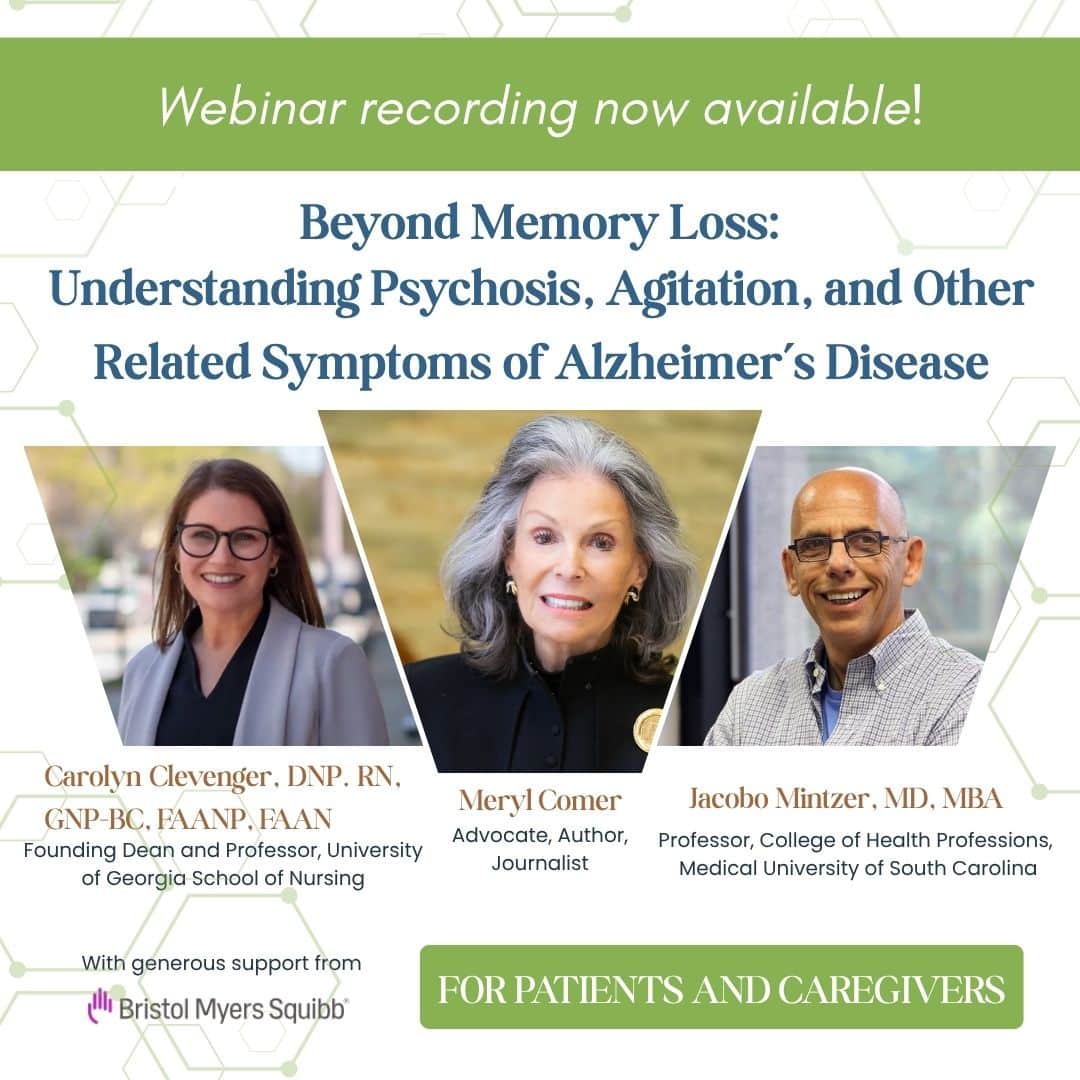
The webinar featured a distinguished panel of experts, including Meryl Comer, a seasoned advocate and caregiver, and Drs. Carolyn Clevenger and Jacobo Mintzer, both renowned clinicians. Their collective expertise provided viewers with a comprehensive understanding of NPS, moving beyond theoretical knowledge to offer practical, accessible education.
n
Key Takeaways from the Expert Panel:
n
- n
- Re-framing Behaviors as Symptoms: A central tenet of the discussion was the reclassification of challenging behaviors from willful problems to observable symptoms of the disease. This fundamental shift in perspective empowers caregivers to respond with greater empathy and clinical understanding. For example, instead of viewing wandering as a behavioral issue, it can be understood as a potential need for movement or stimulation, prompting the development of supportive environmental modifications or engagement strategies.
- Assessment and Diagnosis: The panelists emphasized the importance of thorough assessment to accurately identify and diagnose NPS. This involves careful observation, communication with caregivers, and potentially clinical evaluations to distinguish NPS from other medical or psychological conditions.
- Management and Treatment Options: The webinar explored a spectrum of management and treatment approaches, encompassing both pharmacological and non-pharmacological interventions.n
- n
- Non-Pharmacological Strategies: These were highlighted as often being the first line of defense and crucial for holistic care. Examples included:n
- n
- Environmental Modifications: Creating a safe and calming environment to reduce triggers for agitation or anxiety.
- Routine and Structure: Establishing predictable daily routines to provide a sense of security.
- Communication Techniques: Employing patient, clear, and empathetic communication strategies.
- Music Therapy: Using music to soothe distress, improve mood, and reduce agitation.
- Behavioral Interventions: Identifying triggers for specific behaviors and developing strategies to mitigate them.
n
n
n
n
n
- Pharmacological Interventions: The panelists discussed the role of medication in managing severe or persistent NPS, emphasizing the need for careful consideration of risks and benefits, and individualized treatment plans.
n
- Non-Pharmacological Strategies: These were highlighted as often being the first line of defense and crucial for holistic care. Examples included:n
- The Power of Advocacy: A recurring theme was the imperative for caregivers to advocate for their loved ones and themselves. The experts urged viewers to ask questions, seek support from healthcare professionals, and actively engage in the care planning process.
n
n
Meryl Comer shared her personal and profound experience of "living inside her husband’s version of reality," eloquently describing the immense emotional and physical toll that witnessing psychosis can take on a caregiver. Her candid narrative underscored the isolating nature of these symptoms and the vital need for empathy and understanding from the wider community.
Supporting Data and Growing Prevalence
While the provided text does not contain specific statistical data on the prevalence of NPS in Alzheimer’s disease, the widespread engagement with the webinar itself serves as strong anecdotal evidence of its significance. The fact that nearly 30,000 individuals have viewed the recording indicates a substantial and active audience grappling with these issues.
General research in the field consistently highlights the high prevalence of NPS in Alzheimer’s disease:
- Prevalence Rates: Studies indicate that a significant majority of individuals with Alzheimer’s disease will experience at least one NPS during the course of their illness. Some estimates suggest that up to 90% of individuals may exhibit some form of neuropsychiatric symptom.
- Impact on Disease Progression and Caregiver Burden: NPS are often associated with more rapid cognitive decline, increased risk of institutionalization, and a substantially higher burden on caregivers. The emotional distress, sleep deprivation, and physical demands placed on caregivers caring for individuals with agitated or psychotic symptoms can be profound.
- Economic Impact: The increased healthcare utilization, need for specialized care, and lost productivity associated with NPS contribute to a significant economic burden on individuals, families, and healthcare systems.
The overwhelming response to the webinar suggests that the current understanding and support systems for managing NPS are insufficient, reinforcing the critical need for initiatives like this to bridge the knowledge and resource gap.
Official Responses and the Path Forward
The success of the "Beyond Memory Loss" webinar has garnered positive attention and underscores a growing commitment from organizations like the Alliance and their supporting partners, such as Bristol Myers Squibb, to address the complex needs of the Alzheimer’s community.
The Alliance’s Commitment:
The Alliance’s proactive approach in hosting this webinar demonstrates a clear recognition of the unmet needs surrounding NPS. By providing a platform for expert education and caregiver empowerment, they are actively working to reduce the stigma associated with these symptoms and foster a more supportive environment. The Director of Health Programs, Katrin Werner-Perez, highlights the organization’s dedication to advancing health initiatives within the aging research landscape.
Bristol Myers Squibb’s Support:
The sponsorship of this webinar by Bristol Myers Squibb signifies a valuable contribution to raising awareness and providing essential resources. Pharmaceutical companies play a crucial role in supporting research, education, and patient advocacy, and their involvement in initiatives that address the comprehensive needs of individuals with Alzheimer’s disease is commendable.
The Future Implications:
The impact of this webinar extends beyond immediate knowledge dissemination. It serves as a catalyst for:
- Increased Awareness: The widespread viewing of the recording will undoubtedly elevate public and professional awareness of NPS in Alzheimer’s disease, encouraging more open conversations and a greater understanding of the challenges faced by affected individuals and their families.
- Empowered Caregivers: Caregivers who participated, either live or through the recording, are likely to feel more equipped to manage challenging behaviors, advocate for their loved ones, and seek appropriate support for themselves. The message of validation and encouragement from Dr. Clevenger – "what you’re doing is hard, and you’re doing it well" – is particularly powerful in combating caregiver burnout and isolation.
- Enhanced Clinical Practice: The accessible education provided by the expert panel can inform and refine clinical practices, encouraging healthcare professionals to adopt a more comprehensive approach to Alzheimer’s care that fully integrates the management of NPS.
- Reduced Stigma: By framing these behaviors as symptoms and providing practical coping strategies, the webinar contributes to reducing the stigma that often surrounds mental health and neurological conditions. This fosters a more compassionate and understanding society.
- Advocacy for Research and Resources: The strong engagement with this topic may also spur further advocacy for increased research into the underlying mechanisms of NPS and the development of more effective treatments. It also highlights the need for greater investment in accessible support services and educational programs for families affected by Alzheimer’s disease.
In conclusion, the "Beyond Memory Loss" webinar represents a significant step forward in addressing the often-overlooked neuropsychiatric symptoms of Alzheimer’s disease. By offering expert insights, practical strategies, and a message of validation and support, it has provided invaluable resources to thousands of individuals. As the understanding and management of these complex symptoms continue to evolve, initiatives like this are crucial in fostering a more informed, compassionate, and supportive environment for all those impacted by Alzheimer’s disease. The recording, available for continued viewing, stands as a testament to the power of education and community in navigating the profound challenges of this disease.

