
Washington D.C. – In a significant push to underscore the critical importance of federal funding for biomedical research, a powerful coalition of leading scientific, medical, and patient advocacy organizations has launched a comprehensive public awareness campaign titled "Invest in the NIH." This initiative, which kicked off in June 2023, aims to galvanize support for the National Institutes of Health (NIH), highlighting its indispensable role in driving medical breakthroughs and improving the health and well-being of all Americans.
n
The campaign is a collaborative effort, financially supported by a diverse group of influential organizations, including Act for NIH, Association of American Medical Colleges, American Cancer Society Cancer Action Network, Coalition for the Life Science, Friends of Cancer Research, Research!America, and UsAgainstAlzheimer’s. This united front signifies a shared commitment to advocating for robust and sustained investment in the NIH, recognizing its profound impact on disease prevention, treatment, and ultimately, the eradication of debilitating illnesses.
n
At the heart of the "Invest in the NIH" campaign is a compelling op-ed, "Increased NIH Investment Provides Returns for Every American," penned by leaders within the participating organizations. This piece elaborates on the tangible benefits of NIH funding, illustrating how taxpayer dollars invested in research translate into advancements that touch every household across the nation. The campaign actively encourages members of these organizations, as well as the broader public, to amplify this message through social media channels, sharing campaign materials and engaging in vital conversations about the future of medical discovery.
n
The Imperative for NIH Investment: A Multifaceted Approach to Public Health
n
The "Invest in the NIH" campaign is not merely a call for increased funding; it is a testament to the transformative power of scientific inquiry and its direct correlation with improved public health outcomes. The NIH, as the primary U.S. agency for biomedical and public health research, stands at the forefront of scientific innovation, tackling some of the most pressing health challenges of our time. From combating cancer and neurodegenerative diseases to understanding the intricacies of infectious diseases and developing novel therapies, the NIH’s reach is vast and its impact immeasurable.
n
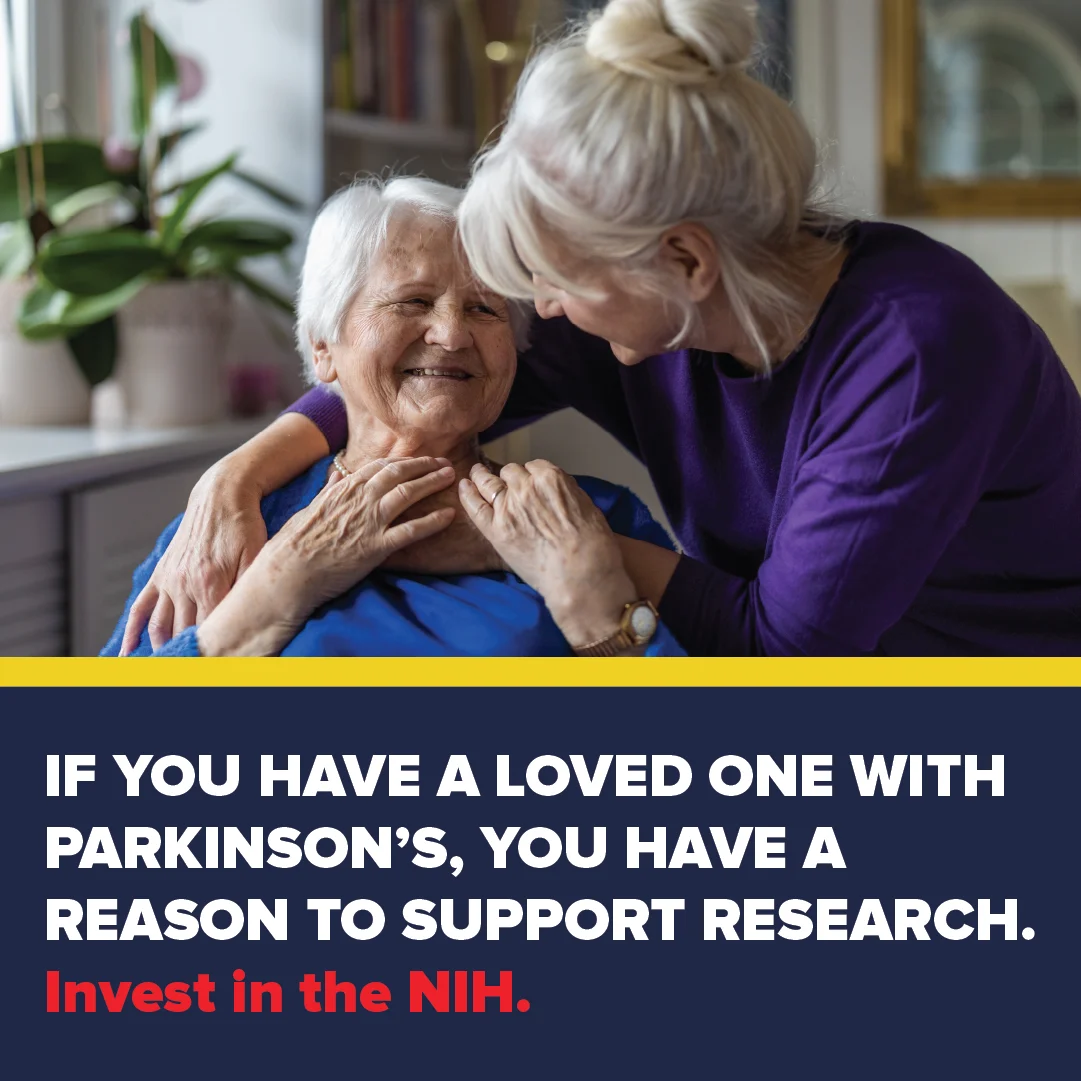
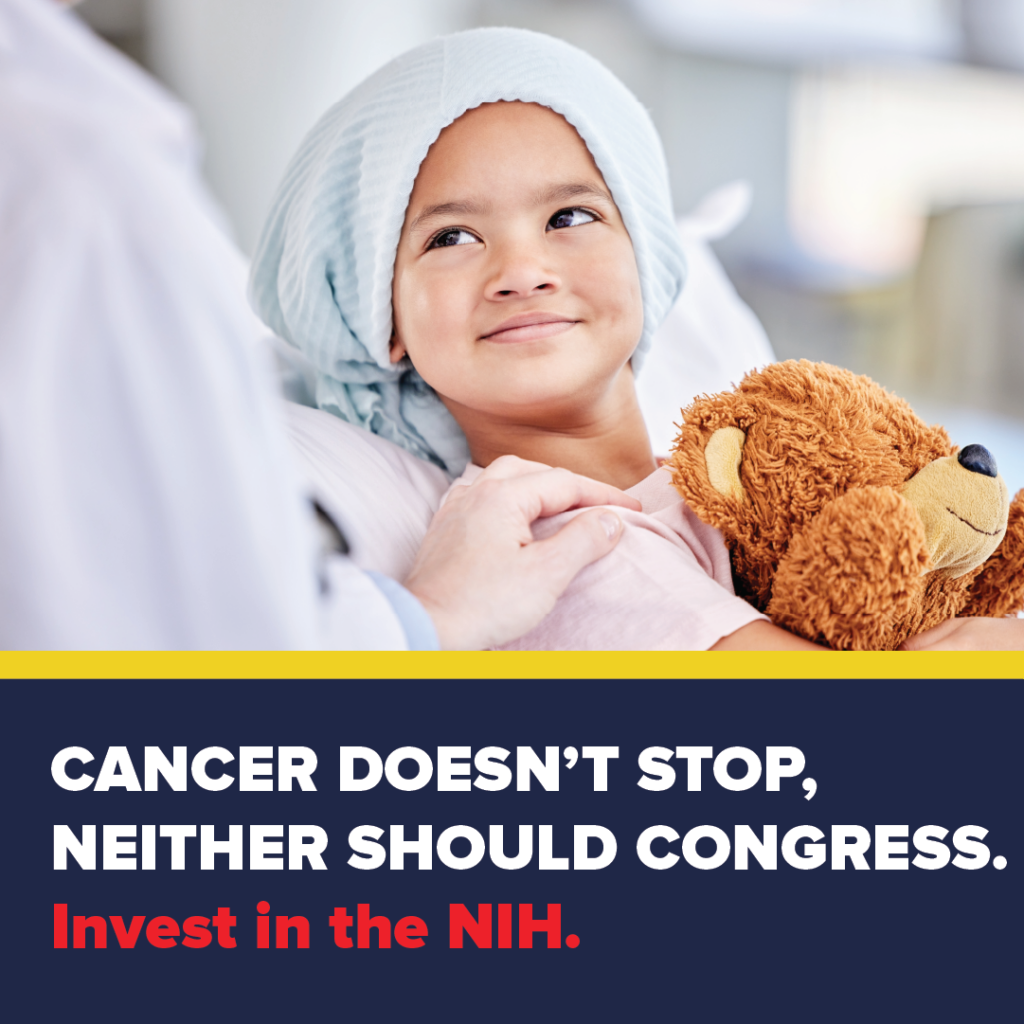
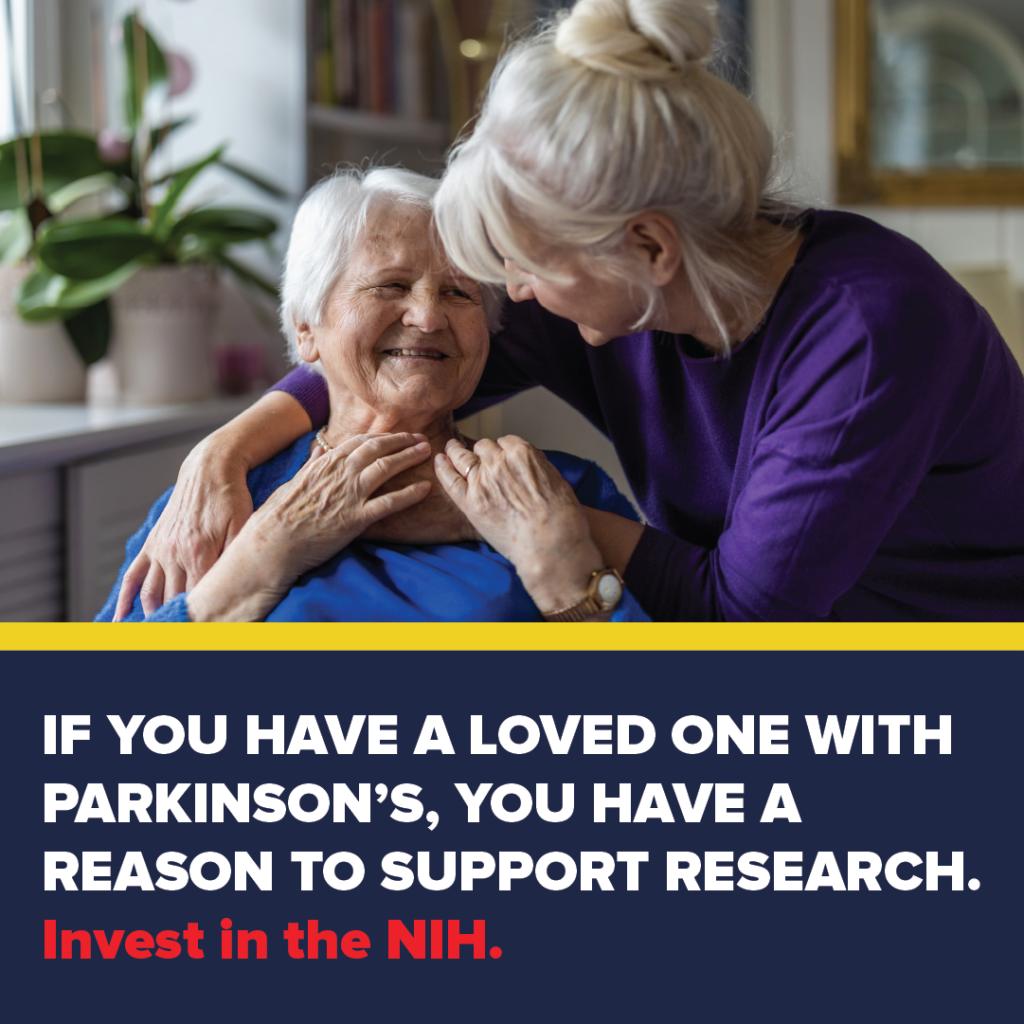
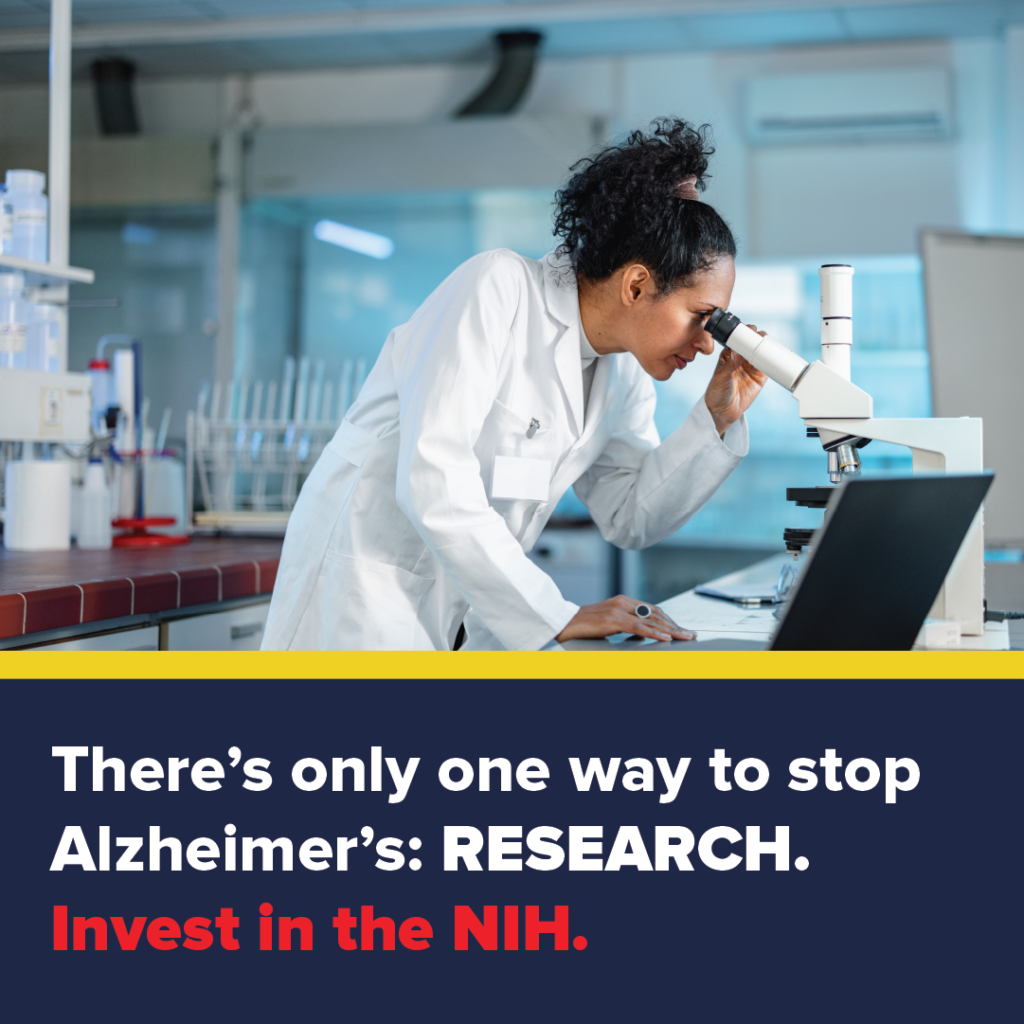
The campaign utilizes targeted messaging, often through visually striking social media graphics, to illuminate specific areas where NIH-funded research has made or has the potential to make a significant difference. These graphics, designed for widespread sharing, focus on diseases that affect millions of Americans, such as cancer, Parkinson’s disease, and Alzheimer’s disease. By posing thought-provoking questions like, "What #cancer breakthrough could the #NIH find in the next year?" or highlighting statistics such as "Nearly 1 million people in the U.S. are living with #Parkinsons," the campaign aims to connect with the public on an emotional and personal level, underscoring the urgency of continued investment.
n
A Chronology of Discovery: The NIH’s Enduring Legacy
n
The history of medical progress in the United States is inextricably linked to the establishment and sustained support of the National Institutes of Health. Founded in 1887 as a single laboratory of hygiene, the NIH has evolved into a sprawling network of research institutes and centers, each dedicated to a specific area of health. Throughout its existence, the NIH has been instrumental in numerous groundbreaking discoveries that have reshaped healthcare and extended human lifespans.
n
- n
- Early Decades (Late 19th – Early 20th Century): The initial focus was on understanding infectious diseases and public health. Early research laid the groundwork for advancements in sanitation and the development of vaccines.
- Mid-20th Century: The Golden Age of Discovery: Following World War II, federal investment in research surged, leading to an explosion of scientific knowledge. The NIH played a pivotal role in:n
- n
- Polio Vaccine: Jonas Salk’s development of the polio vaccine, a monumental achievement that eradicated a devastating childhood disease, was heavily influenced by NIH-supported research.
- Antibiotics: While the discovery of penicillin predates extensive NIH funding, its widespread development and application were facilitated by research supported by the agency.
- Understanding Genetics: The deciphering of the DNA double helix, a foundational moment in modern biology, built upon a legacy of research that the NIH helped foster.
n
n
n
- Late 20th Century to Present: Tackling Chronic Diseases and Emerging Threats: As the nation’s health landscape shifted towards chronic diseases, NIH funding adapted. This era has seen:n
- n
- Cancer Research: The "War on Cancer," initiated in the 1970s, has led to significant improvements in cancer detection, treatment, and survival rates, with the NIH at its core.
- HIV/AIDS Epidemic: The NIH was at the forefront of understanding the virus, developing diagnostic tests, and creating life-saving antiretroviral therapies.
- Genomics and Personalized Medicine: The Human Genome Project, a massive international effort co-led by the NIH, has revolutionized our understanding of genetic diseases and paved the way for personalized medicine.
- Neuroscience: Research into Alzheimer’s, Parkinson’s, and other neurological disorders, while still facing significant challenges, has made steady progress thanks to NIH investment.
- Emerging Infectious Diseases: The NIH’s preparedness and rapid response capabilities were evident during outbreaks like SARS, MERS, and the COVID-19 pandemic, where it facilitated vaccine development and treatment research.
n
n
n
n
n
n
n
n
n
The "Invest in the NIH" campaign draws upon this rich history, reminding policymakers and the public that sustained investment is not just about funding current projects, but about building upon decades of scientific progress and fostering an environment where future breakthroughs can flourish.
n
Supporting Data: The Tangible Returns on Investment
n
The argument for increased NIH funding is not solely based on historical precedent or the promise of future discoveries; it is firmly rooted in quantifiable returns. The economic and societal benefits of biomedical research are substantial, extending far beyond the realm of public health.
n
- n
- Economic Engine: NIH-funded research fuels innovation, creates high-skilled jobs, and stimulates economic growth. Studies have consistently shown that for every dollar invested in NIH research, there is a significant return in terms of economic output and job creation. The development of new drugs, medical devices, and biotechnologies generates revenue and fosters entire industries.
- Disease Burden Reduction: Investing in research is a proactive approach to reducing the enormous societal and economic burden of disease. By preventing illnesses, developing effective treatments, and improving quality of life, NIH-funded research helps to:
- Lower Healthcare Costs: Preventing diseases or managing them more effectively reduces the need for expensive long-term care, hospitalizations, and complex interventions.
- Increase Productivity: Healthier populations are more productive populations. Reduced disability and longer, healthier lifespans contribute to a more robust workforce and greater economic output.
- Enhance Quality of Life: The ultimate goal of medical research is to improve the lives of individuals and families. By conquering diseases, the NIH enables people to live longer, healthier, and more fulfilling lives.
The campaign’s focus on specific diseases like Alzheimer’s, Parkinson’s, and cancer highlights the profound human cost of these conditions. For example, the statistic that "10.7% of people 65 and older have Alzheimer’s" underscores the urgency of finding effective treatments and ultimately a cure. Similarly, the fact that "Nearly 1 million people in the U.S. are living with Parkinson’s" emphasizes the need for continued research into its causes and potential interventions.
Official Responses and Stakeholder Support
The "Invest in the NIH" campaign has garnered significant attention from various stakeholders, reflecting a broad consensus on the importance of the agency.
- Congressional Support: The campaign actively urges Congress to prioritize NIH funding. Advocates are working to inform lawmakers about the critical role of NIH research and the potential consequences of underfunding. The op-ed’s title, "US Must Maintain Global Leadership," implicitly calls for continued congressional commitment to ensure America remains at the forefront of scientific discovery.
- Medical and Scientific Community: The participating organizations represent a formidable alliance within the medical and scientific community. Their collective voice amplifies the message that NIH funding is essential for the continued progress of research and innovation. The Association of American Medical Colleges, for instance, represents medical schools and teaching hospitals, directly benefiting from and contributing to NIH-funded research.
- Patient Advocacy Groups: Organizations like the American Cancer Society Cancer Action Network and UsAgainstAlzheimer’s bring the patient perspective to the forefront. Their involvement highlights the direct impact of NIH research on the lives of individuals and families affected by serious diseases. Their advocacy ensures that the human element of scientific discovery remains central to the conversation.
The campaign’s social media strategy, which includes calls to action such as "Find out why #Congress needs to invest in the NIH" and prompts to share the op-ed, aims to translate this broad support into tangible advocacy.
Implications: A Healthier Future for All Americans
The "Invest in the NIH" campaign carries profound implications for the future of public health in the United States and globally. A sustained and robust commitment to NIH funding promises:
- Accelerated Medical Breakthroughs: Increased investment will empower researchers to pursue novel ideas, explore new therapeutic avenues, and overcome scientific hurdles more rapidly. This could lead to faster development of cures and more effective treatments for a wide range of diseases.
- Enhanced Global Health Leadership: The United States has long been a leader in biomedical research. Continued investment will ensure this leadership position is maintained, allowing the nation to address global health challenges and contribute to the well-being of populations worldwide.
- Economic Resilience and Growth: By fostering innovation and creating high-value jobs, NIH-funded research contributes to a strong and dynamic economy. The development of new health technologies and industries will continue to be a significant driver of economic prosperity.
- Improved Quality of Life and Longevity: Ultimately, the most significant implication is the direct impact on human lives. Continued investment in the NIH is an investment in a future where diseases are better understood, more effectively treated, and ultimately, eradicated, allowing all Americans to live longer, healthier, and more fulfilling lives.
The "Invest in the NIH" campaign serves as a powerful reminder that scientific progress is not a passive occurrence; it is the result of deliberate and sustained investment. By uniting diverse voices and presenting compelling evidence, this initiative aims to ensure that the critical work of the National Institutes of Health continues to flourish, paving the way for a healthier tomorrow for generations to come.

