The landscape of American healthcare is currently navigating a period of significant transition as the 2025 federal budget reconciliation law introduces major policy changes to the nation’s two primary public insurance programs. Medicare and Medicaid, which together provide a lifeline for tens of millions of citizens, are at the center of a fiscal recalibration that could fundamentally alter the support systems for the country’s most vulnerable populations. At the heart of this discussion are approximately 12 million "dual-eligible" individuals—those whose health needs and financial circumstances qualify them for both programs simultaneously. As federal spending on Medicaid faces projected reductions, a comprehensive examination of who these beneficiaries are becomes essential for understanding the potential human impact of legislative austerity.
The Dual-Eligible Framework: A Critical Safety Net
The dual-eligible population is not a monolith but is generally categorized into two distinct groups based on the level of assistance they receive. Of the 12 million individuals enrolled in both programs, nearly 9 million are classified as "full-benefit" dual-eligible individuals. For this group, Medicaid acts as a vital "wraparound" service, covering essential health needs that Medicare does not typically address, including long-term services and supports (LTSS), vision care, and dental services. Medicaid also serves as the primary payer for long-term care in the United States, a role that is indispensable for seniors who have exhausted their life savings on medical expenses.
The remaining 3 million individuals are "partial-benefit" dual-eligible beneficiaries. These individuals typically receive assistance through Medicare Savings Programs (MSPs), which help cover Medicare premiums and, in many instances, cost-sharing requirements. While their benefits are less expansive than those in the full-benefit category, this assistance is often the difference between maintaining coverage and becoming uninsured or underinsured.
Legislative Chronology and the 2025 Budget Reconciliation Law
The impetus for the current scrutiny of dual-eligible demographics is the 2025 budget reconciliation law. This legislation marks a pivotal moment in federal health policy, characterized by a concerted effort to reduce future federal Medicaid spending. The path to this law involved several years of debate regarding the sustainability of public health expenditures following the expansion of services during the early 2020s.
According to fiscal projections, the provisions within the 2025 law are expected to reduce the total number of low-income Medicare beneficiaries enrolled in Medicaid. This reduction is anticipated to occur through tighter eligibility verification processes and shifts in federal funding formulas. Furthermore, as federal contributions decrease, state Medicaid programs may face increased fiscal pressures. Historically, when states encounter such pressures, they often respond by reducing "optional" benefits—services like dental, vision, and certain home-based long-term care—which are precisely the services that full-benefit dual-eligible individuals rely upon.
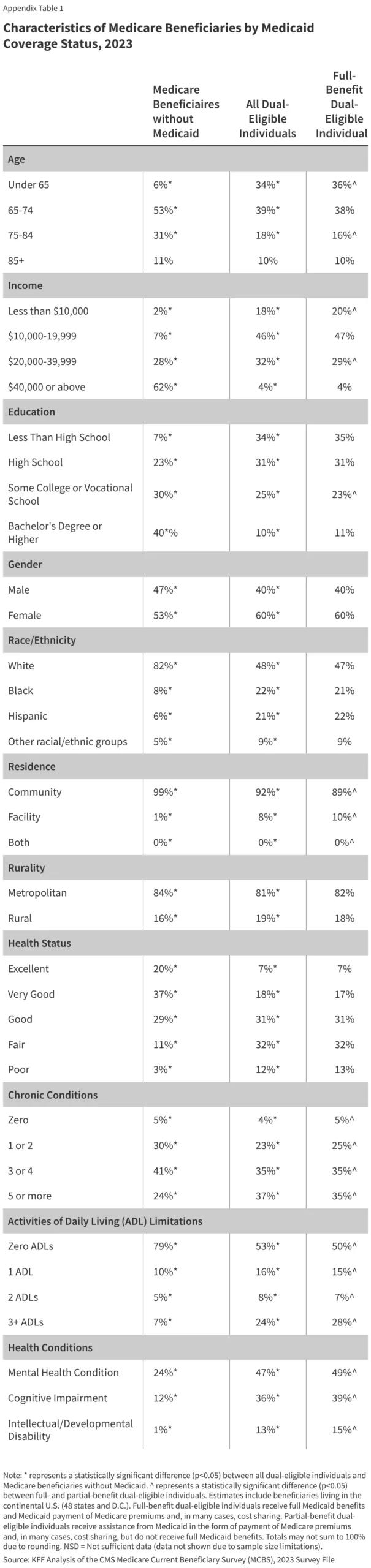
To prepare for these shifts, researchers have utilized the 2023 Medicare Current Beneficiary Survey (MCBS) to create a baseline profile of the population at risk. This data serves as a critical tool for policymakers to measure the "before and after" effects of the 2025 reconciliation measures.
Demographic Disparities and the Disability Factor
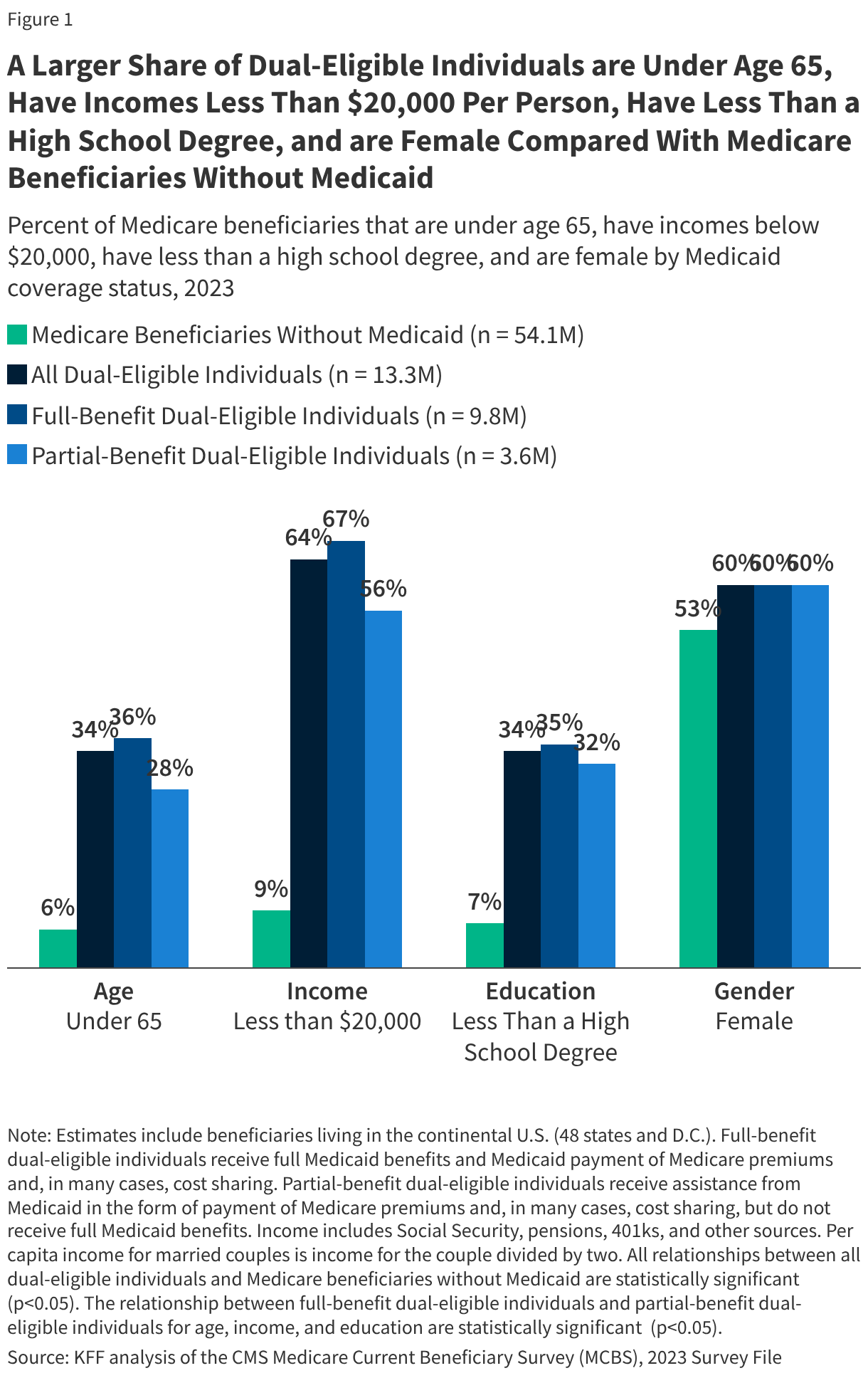
One of the most striking findings from the 2023 MCBS data is the age and disability profile of dual-eligible individuals. While Medicare is often associated with the elderly, 34% of dual-eligible individuals are actually under the age of 65. These individuals qualify for Medicare primarily due to long-term disabilities and eligibility for Social Security Disability Insurance (SSDI). In contrast, only 6% of Medicare beneficiaries who are not enrolled in Medicaid fall into the under-65 category.
This demographic reality highlights a significant vulnerability: Medicare beneficiaries under 65 typically report worse health status, higher per capita spending, and significantly lower incomes than their older counterparts. Within the dual-eligible population, 36% of full-benefit enrollees are under 65, compared to 28% of partial-benefit enrollees, indicating that those with the highest needs are also the most likely to depend on Medicaid’s additional services.
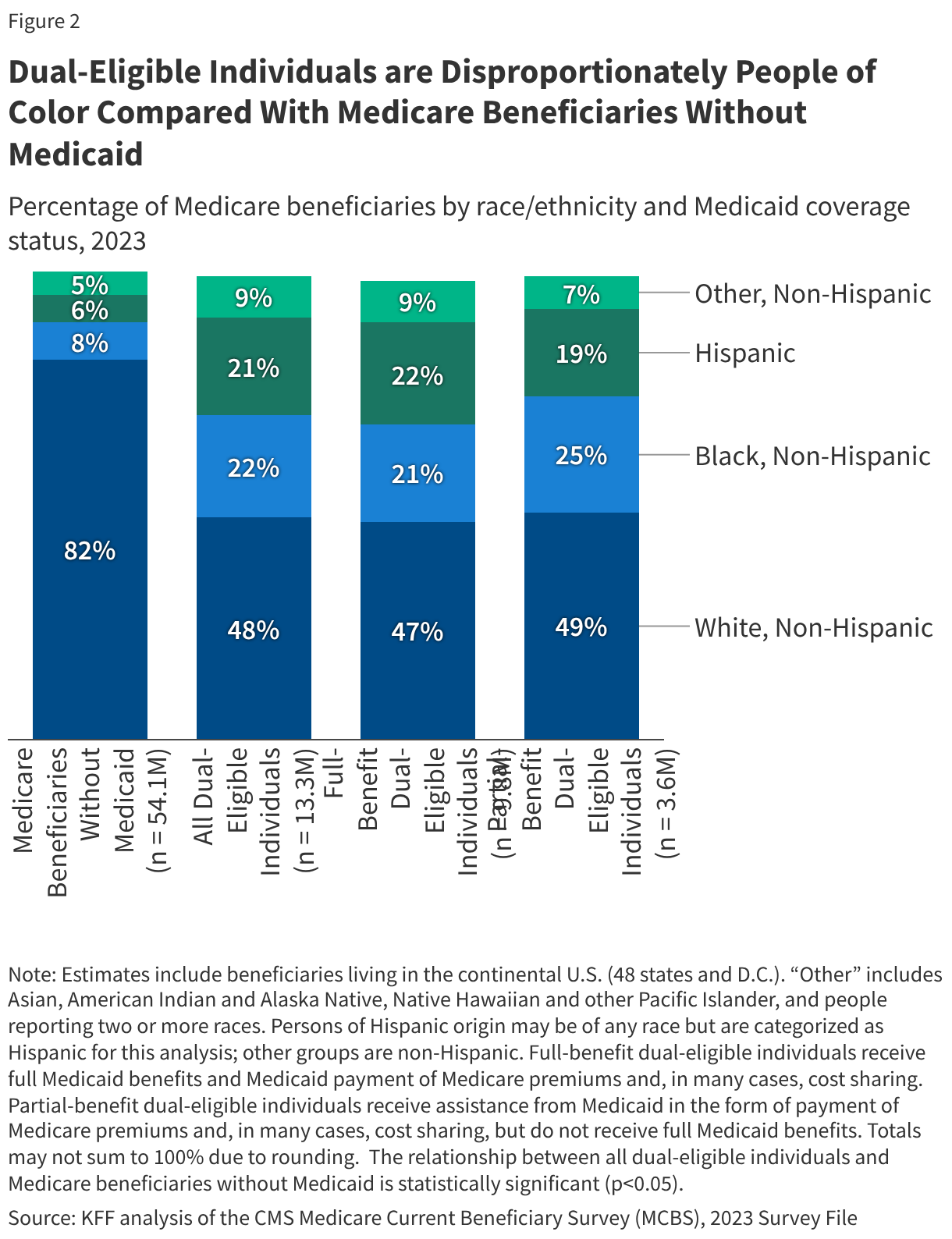
Race and ethnicity also play a disproportionate role in the dual-eligible landscape. The data reveals that 22% of dual-eligible individuals are Black and 21% are Hispanic, compared to just 8% and 6%, respectively, among Medicare-only beneficiaries. This suggests that systemic socioeconomic factors continue to drive a higher reliance on public safety nets among communities of color.
Socioeconomic Vulnerability and the "Spend Down" Process
The economic divide between dual-eligible individuals and the broader Medicare population is vast. Nearly two-thirds (64%) of dual-eligible individuals live on an annual income of less than $20,000 per person. Among Medicare beneficiaries without Medicaid coverage, only 9% fall into this low-income bracket.
Eligibility for Medicaid for those already on Medicare often requires meeting strict income and asset thresholds. However, a significant portion of the dual-eligible population enters the program through a process known as "spending down." This occurs when middle-income seniors face catastrophic medical or long-term care costs—such as the average $116,800 annual cost of a private nursing home room—that deplete their assets until they qualify for Medicaid.
Education levels further underscore the socioeconomic challenges faced by this group. Over one-third (34%) of dual-eligible individuals have less than a high school education, a rate nearly five times higher than the 7% seen in the Medicare-only population. This educational gap often correlates with lower lifetime earnings and a diminished ability to navigate the complex administrative burdens required to maintain dual enrollment.
Health Status and the Burden of Chronic Conditions
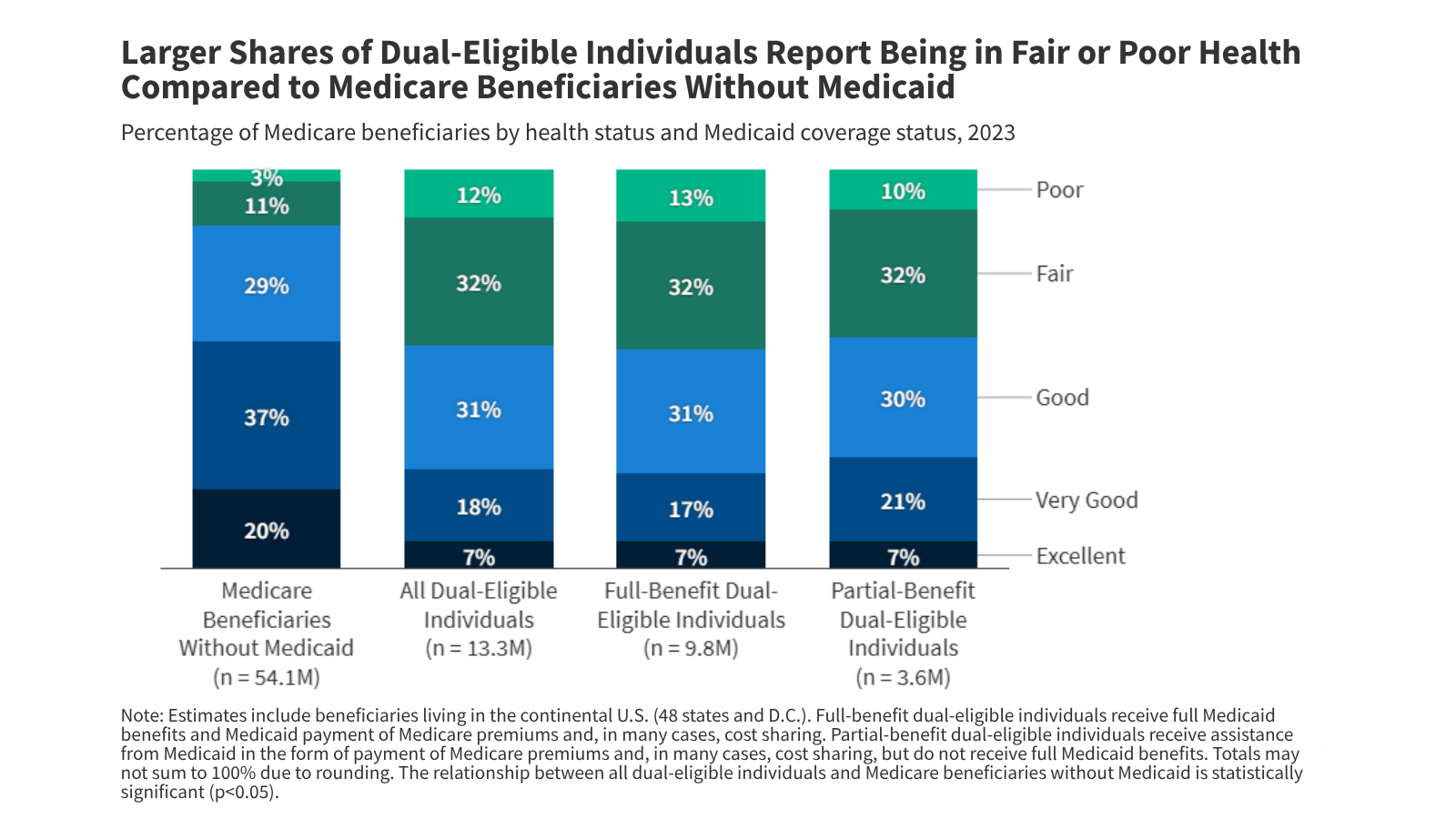
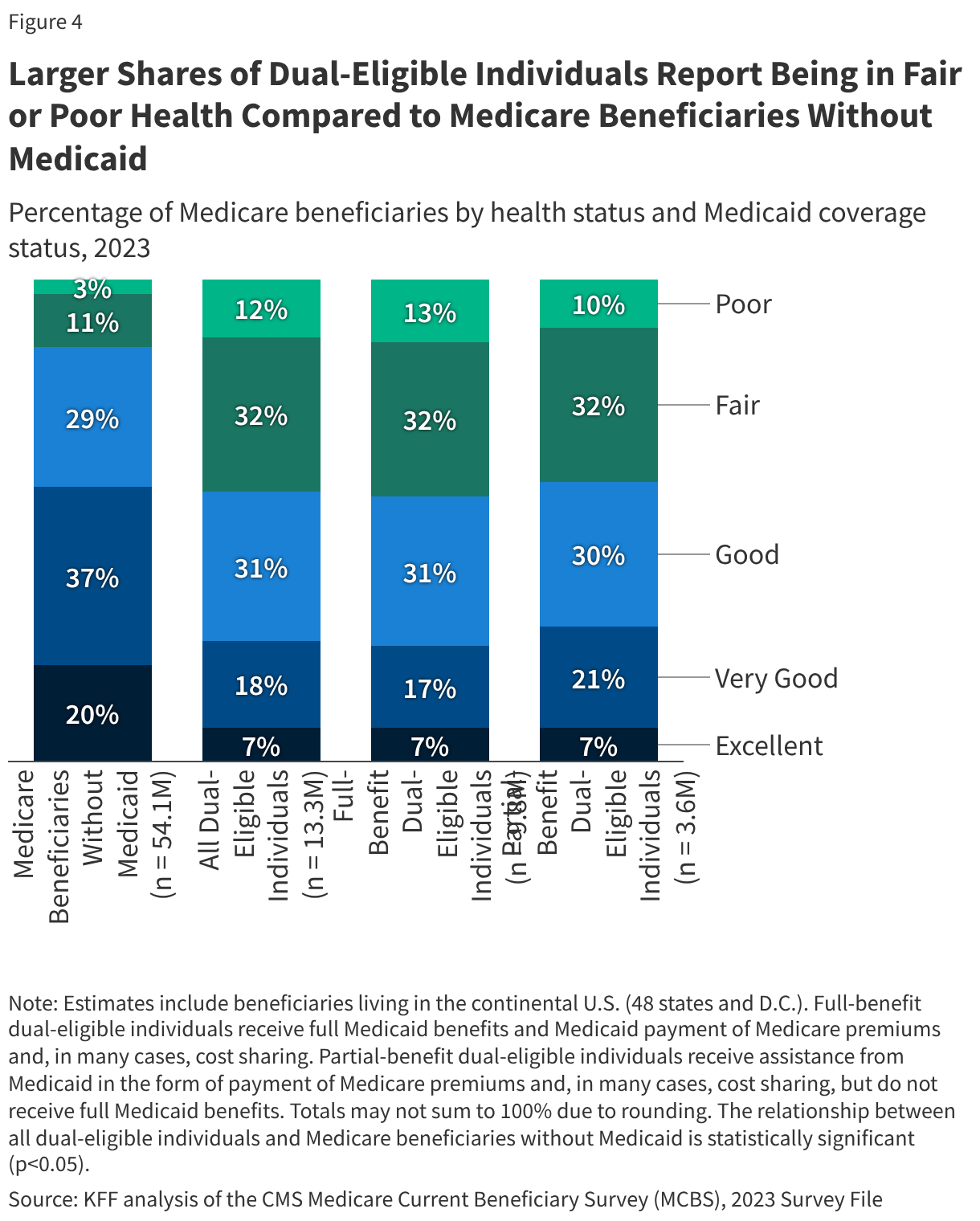
The health profile of dual-eligible individuals is characterized by high levels of clinical complexity and functional limitations. According to the 2023 survey data, 44% of dual-eligible individuals report being in fair or poor health, compared to only 15% of Medicare beneficiaries without Medicaid. Conversely, while 57% of Medicare-only beneficiaries report being in very good or excellent health, only 25% of dual-eligible individuals say the same.
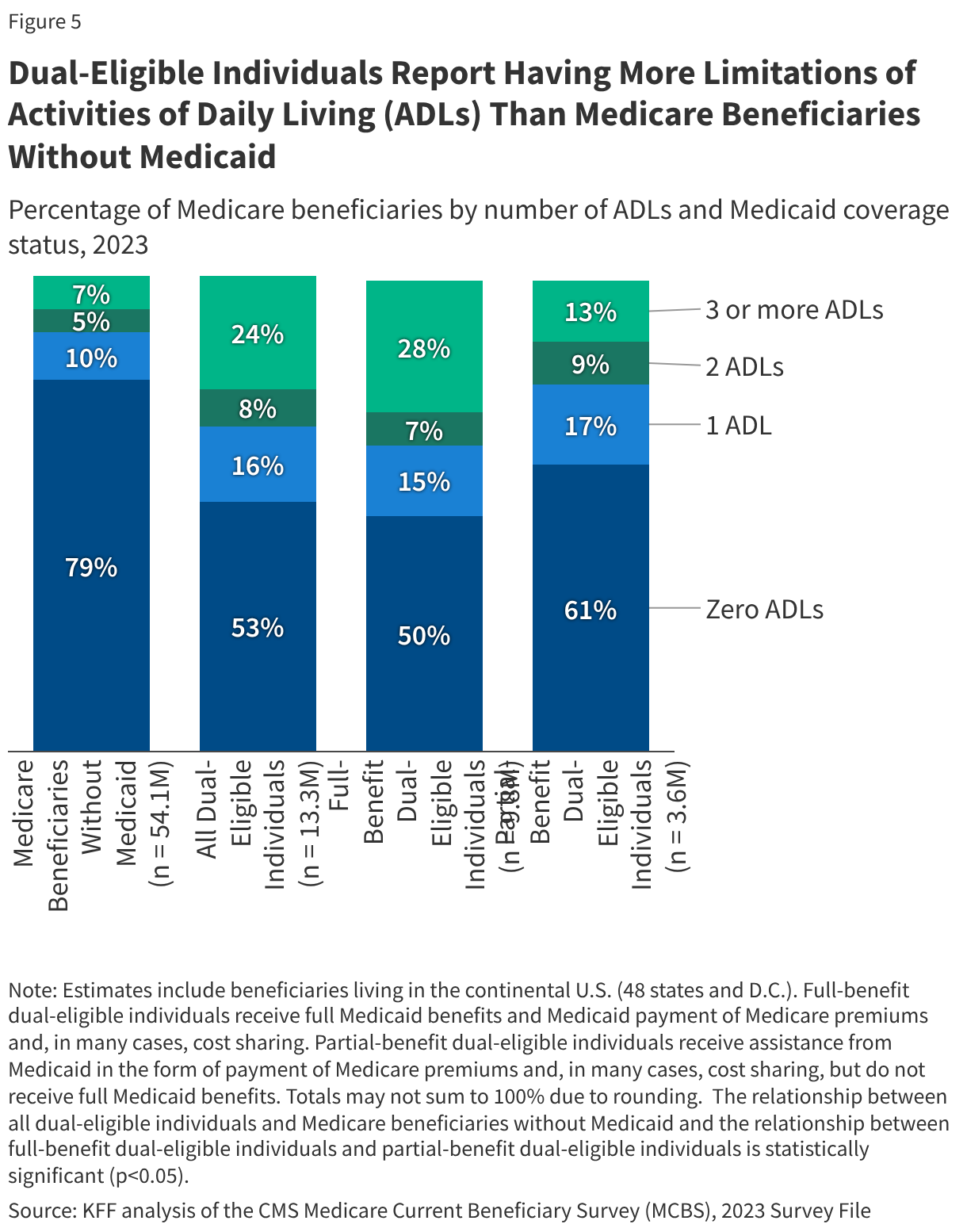
Functional independence is also a major concern. Nearly half (47%) of dual-eligible individuals report difficulty with at least one Activity of Daily Living (ADL), such as eating, bathing, or dressing. Approximately 24%—nearly one in four—report difficulty with three or more ADLs. This is more than triple the rate of the Medicare-only population, where only 7% struggle with three or more ADLs. These limitations necessitate the very long-term care services that are currently at risk under new budgetary constraints.
Mental Health and Cognitive Impairments
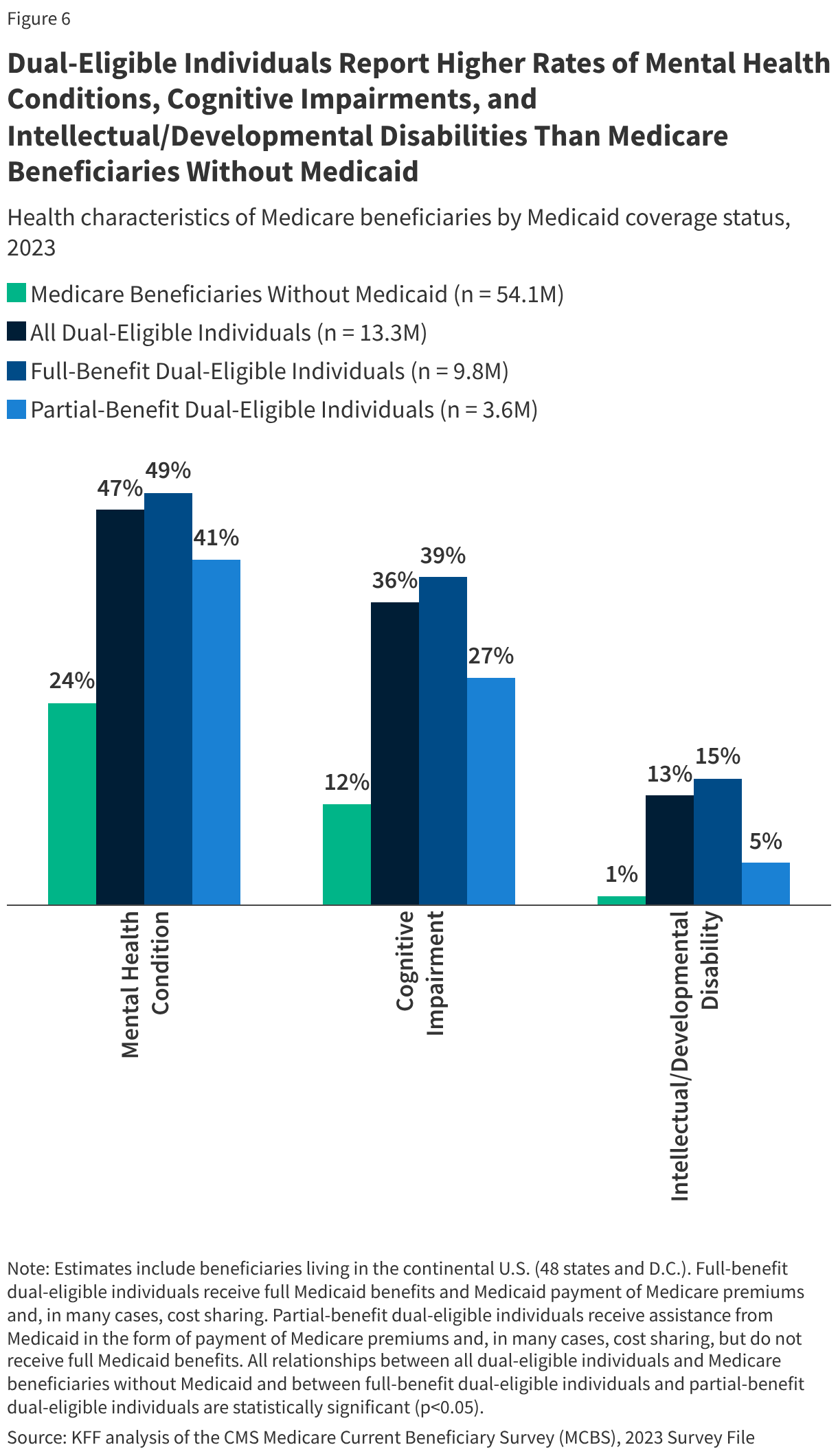
The prevalence of mental health conditions and cognitive impairments among dual-eligible individuals presents a unique challenge for integrated care. Approximately 47% of dual-eligible beneficiaries report a mental health condition, such as depression, nearly double the 24% rate found in the Medicare-only population.
Cognitive impairments, including difficulties with memory, concentration, or decision-making, are reported by 36% of dual-eligible individuals, compared to 12% of those without Medicaid. Perhaps most notably, 13% of dual-eligible individuals report an intellectual or developmental disability (IDD), a figure that stands in stark contrast to the 1% reported by Medicare-only beneficiaries. For these individuals, the coordination of benefits between Medicare and Medicaid is not just a financial matter but a clinical necessity. Fragmented care resulting from policy changes could lead to a rapid decline in quality of life for those with complex cognitive needs.
Institutionalization and Rural Access
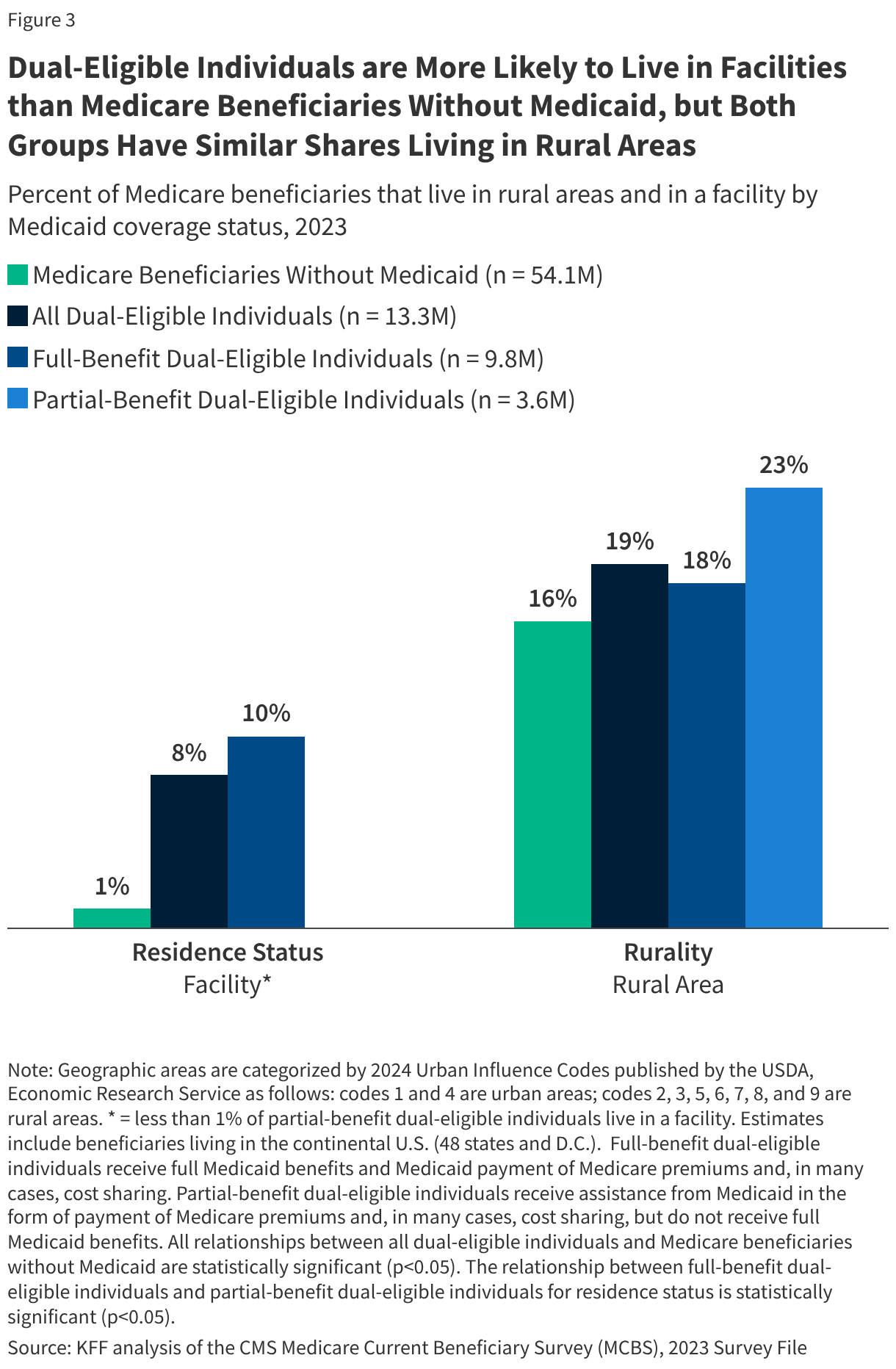
Medicaid’s role as the primary payer for institutional care is reflected in the housing data of enrollees. Full-benefit dual-eligible individuals are significantly more likely to live in long-term care nursing homes or other institutional facilities (10%) than Medicare-only beneficiaries (less than 1%). This high rate of institutionalization makes this population particularly sensitive to changes in Medicaid reimbursement rates for facilities.
Geographically, the dual-eligible population is slightly more rural than the general Medicare population, with 19% living in rural areas compared to 16% of Medicare-only beneficiaries. In rural settings, where healthcare providers are often scarce, the loss of Medicaid coverage or the reduction of optional benefits can be even more devastating, as there are fewer alternative "safety net" clinics or charitable organizations to fill the gap.
Broader Implications and Official Reactions
The findings from the 2023 MCBS data have prompted a range of reactions from health policy experts and advocacy groups. Organizations representing older adults have expressed concern that the 2025 budget reconciliation law could lead to a "coverage cliff," where individuals who marginally exceed new income or asset thresholds lose access to the wraparound services that keep them out of poverty.
Advocates for health equity point to the racial disparities in the data as evidence that cuts to Medicaid spending will disproportionately affect Black and Hispanic seniors, potentially widening existing health outcome gaps. Meanwhile, state-level administrators have signaled that without adequate federal support, they may be forced to implement "waiting lists" for home and community-based services, a move that could force more seniors into expensive institutional settings, ironically increasing costs in the long run.
The analysis of the dual-eligible population reveals a group defined by deep financial need, significant physical and mental health challenges, and a heavy reliance on the coordination of two of the government’s most complex programs. As the 2025 budget reconciliation law takes effect, the data suggests that any reduction in spending will not merely be a fiscal adjustment but a direct challenge to the stability and health of millions of America’s most vulnerable citizens. The ability of the healthcare system to adapt to these changes will depend on whether policy implementation accounts for the unique demographic and health profiles of those who sit at the intersection of Medicare and Medicaid.