A groundbreaking discovery at the University of Wisconsin-Madison suggests that a drug commonly used to treat arthritis may hold the key to a lasting solution for epilepsy, a debilitating neurological disorder affecting millions worldwide. Researchers have found that tofacitinib, a Janus kinase (JAK) inhibitor, effectively halts brain-damaging seizures in mice engineered to mimic human epilepsy. Crucially, the drug also appears to restore lost short-term and working memory and reduce neuroinflammation, offering hope for a treatment that provides relief even after medication is discontinued.
A Multifaceted Approach to Epilepsy: Beyond Symptom Management
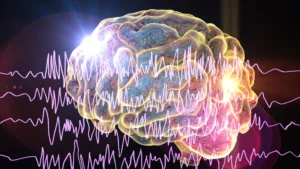
Epilepsy, characterized by recurrent, unprovoked seizures, is one of the most prevalent neurological diseases globally, impacting over 50 million individuals. While its causes are diverse, ranging from genetic predispositions to acquired brain injuries such as strokes or traumatic head injuries, the underlying pathology often involves a disruption in the brain’s electrical signaling. Normally, a delicate balance of excitation and inhibition keeps neuronal activity in check. However, in epilepsy, this balance is tipped, leading to uncontrolled, synchronized firing of neurons—the hallmark of a seizure. These episodes can be devastating, causing significant neuronal damage, cognitive deficits, and a profound impact on quality of life.
Current therapeutic strategies for epilepsy primarily focus on managing seizure frequency and severity. While a variety of anti-epileptic drugs (AEDs) exist, a significant proportion of patients, estimated to be around one-third, do not respond adequately to existing treatments, a condition known as refractory epilepsy. For these individuals, the options are often limited and invasive, with the surgical removal of the affected brain region sometimes being the only recourse to control the most damaging seizures. This stark reality underscores the urgent need for novel therapeutic approaches that address the root causes of the disease, rather than merely alleviating its symptoms.
Unraveling the Molecular Underpinnings: STAT3 and the JAK Pathway
The UW-Madison research team, led by neuroscience professor Avtar Roopra and postdoctoral researcher Olivia Hoffman, embarked on their investigation using advanced data science methodologies. By analyzing gene expression patterns in millions of brain cells from both epileptic and control mice, they identified a key player: the protein STAT3. This protein is central to the JAK signaling pathway, a critical cellular communication network involved in numerous biological processes, including immune responses and cell growth. The researchers observed a heightened activity of STAT3 in the brains of mice experiencing seizures.
The significance of this finding was amplified when the team performed a similar analysis on human brain tissue samples obtained from individuals with epilepsy. The results mirrored those observed in mice, revealing elevated STAT3 activity in human epileptic brains. This convergence of data across species strongly suggested that the JAK-STAT3 pathway plays a pivotal role in the development and perpetuation of epilepsy.
A Serendipitous Link: Arthritis and Epilepsy
The path to identifying tofacitinib as a potential epilepsy treatment was paved with an unexpected observation. While reviewing large-scale epidemiological data from Taiwan, which tracked health outcomes in tens of thousands of rheumatoid arthritis patients, Hoffman stumbled upon a surprising correlation. She noted that epilepsy appeared to be more prevalent among arthritis patients than in the general population. However, and more intriguingly, within the cohort of arthritis patients who had been receiving anti-inflammatory treatment for over five and a half years, the incidence of epilepsy was surprisingly lower than expected.
This observation led to a crucial hypothesis: could the anti-inflammatory drugs used for arthritis, many of which are JAK inhibitors, be responsible for this protective effect? Given that tofacitinib is a well-established JAK inhibitor already FDA-approved for treating rheumatoid arthritis and other autoimmune conditions, it became a prime candidate for investigation in the context of epilepsy.
A Novel Therapeutic Strategy: Targeting the "Reignition" of Seizures
The UW-Madison researchers then designed a series of experiments to test tofacitinib’s efficacy. Initially, they administered the drug to mice following the induction of brain damage that typically leads to epilepsy. However, in this initial phase, the mice still developed seizures, mirroring the delayed onset of epilepsy seen in human patients, which can manifest weeks, months, or even years after an initial brain injury.
This observation prompted the researchers to refine their approach. They recognized that epilepsy doesn’t always manifest immediately after a precipitating event. There’s often a period of relative quiescence before the seizures "reignite." The team hypothesized that if the JAK-STAT3 pathway is indeed primed for trouble after the initial injury, intervening at the point of seizure reignition might be more effective.
They devised a 10-day treatment regimen with tofacitinib, commencing precisely when the mice, after an initial period of relative normalcy, began to experience a resurgence of seizure activity. This timing proved to be critical.
Astounding Results: Seizure Freedom and Cognitive Recovery
The results of this targeted intervention were nothing short of remarkable. "Honestly, I didn’t think it was going to work," admitted Olivia Hoffman. "But we believe that initial event sort of primes this pathway in the brain for trouble. And when we stepped in at that reignition point, the animals responded."
Following the 10-day course of tofacitinib, the treated mice remained seizure-free for an impressive two months. This efficacy was further validated by independent studies conducted by collaborators at Tufts University and Emory University, who utilized their own mouse models of distinct epilepsy subtypes and observed similar seizure-free outcomes.
The long-term impact of the treatment was equally encouraging. Months after the initial intervention, the mice continued to exhibit sustained seizure freedom. More profoundly, their cognitive functions, specifically short-term and working memory, which had been severely impaired by the epilepsy, began to recover. This is a critical finding, as cognitive deficits are a major source of disability for individuals with chronic epilepsy.
"These animals are having many seizures a day. They cannot navigate mazes. Behaviorally, they are bereft. They can’t behave like normal mice, just like humans who have chronic epilepsy have deficits in learning and memory and problems with everyday tasks," explained Avtar Roopra. "We gave them that drug, and the seizures disappear. But their cognition also comes back online, which is astounding. The drug appears to be working on multiple brain systems simultaneously to bring everything under control, as compared to other drugs, which only try to force one component back into control."
Implications for Human Treatment: A Shorter Path to the Clinic
The potential implications of these findings for human epilepsy patients are immense. Tofacitinib is already approved by the U.S. Food and Drug Administration (FDA) for human use in treating rheumatoid arthritis and other autoimmune conditions. This existing FDA approval significantly shortens the regulatory pathway for potential human trials compared to a novel drug that has never been tested in humans. This expedited route could translate into a much faster timeline for bringing a potentially life-changing treatment to patients.
"It ticks all the boxes of everything we’ve been looking for," stated Roopra, underscoring the drug’s comprehensive benefits. The study, published in the prestigious journal Science Translational Medicine, represents a significant leap forward in understanding and potentially treating epilepsy.
Future Directions and Ongoing Research
While the results in mouse models are highly promising, the next crucial steps involve translating these findings to human patients. The UW-Madison researchers are eager to initiate clinical trials, but progress is currently contingent on the review of new study proposals by the National Institutes of Health (NIH), which have been temporarily paused due to ongoing agency adjustments.
In the interim, the research team is diligently pursuing further investigations. Their current focus includes identifying the specific types of brain cells that are most responsive to tofacitinib and exploring its efficacy across a broader spectrum of epilepsy subtypes in animal models. Furthermore, Hoffman and Roopra have filed for a patent on the use of tofacitinib in epilepsy, a critical step in protecting their intellectual property and facilitating the eventual development and commercialization of the drug for this new indication.
The research was supported by substantial grants from the National Institutes of Health (NIH), including grants R01NS108756, R21NS093364, R01NS112308, NS112350, R01NS105628, R01NS102937, and R21NS120868. Additional foundational support was provided by the Madison-based Lily’s Fund for Epilepsy Research and CURE Epilepsy, highlighting a collaborative ecosystem dedicated to advancing epilepsy research.
Broader Impact: A Paradigm Shift in Neurological Treatment
The discovery of tofacitinib’s potential in epilepsy signifies a potential paradigm shift in how neurological disorders are approached. Instead of developing entirely new compounds for each condition, repurposing existing, safe, and well-understood medications offers a more efficient and cost-effective route to therapeutic innovation. This strategy, often referred to as drug repurposing, has the potential to accelerate the delivery of novel treatments to patients who desperately need them.
The findings also underscore the power of interdisciplinary research, combining advanced data science, molecular biology, and epidemiological insights. The identification of the JAK-STAT3 pathway as a common thread in both epilepsy and inflammatory conditions like arthritis highlights the interconnectedness of biological systems and the potential for cross-disciplinary breakthroughs.
As the scientific community awaits the initiation of human trials, the UW-Madison study offers a beacon of hope. The prospect of a drug that not only controls seizures but also reverses cognitive decline, and potentially provides lasting relief, could fundamentally alter the lives of millions living with epilepsy, transforming a chronic, often intractable condition into a manageable one. The journey from laboratory bench to bedside is complex, but the early promise of tofacitinib is undeniable, igniting optimism for a future where epilepsy is no longer a life sentence of unmanageable seizures and cognitive impairment.