
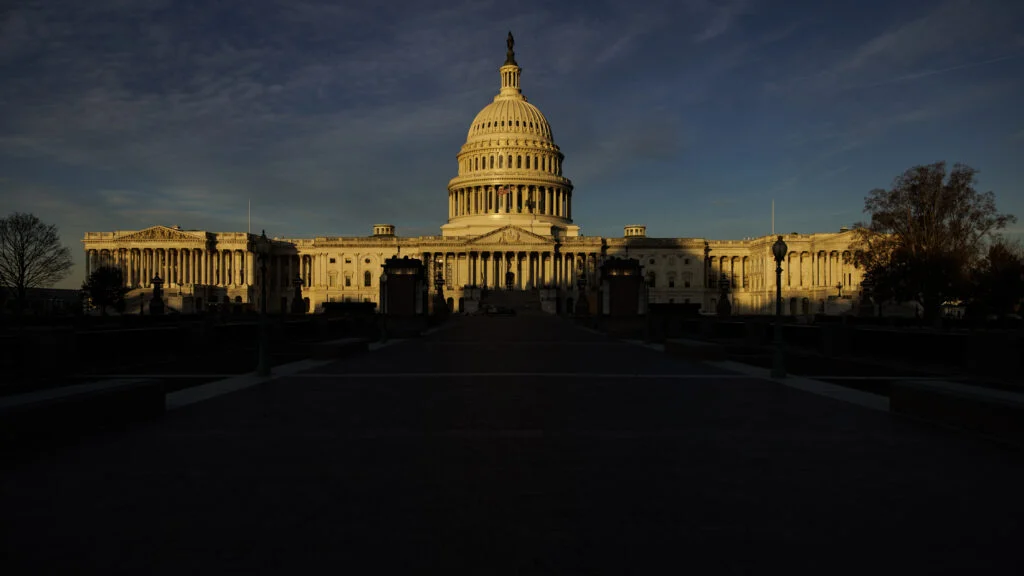
Washington D.C. – In a landmark legislative effort poised to reshape the landscape of male healthcare in the United States, a bipartisan bill aiming to establish a dedicated Office of Men’s Health within the Department of Health and Human Services (HHS) is set for introduction in the U.S. Senate this Thursday. Spearheaded by Senator Ruben Gallego (D-Ariz.) and co-sponsored by Senator Roger Marshall (R-Kan.), the "Men’s Health Act" signifies a growing recognition of the unique and often overlooked health challenges faced by men across the nation.
n
This pivotal legislative move mirrors a similar bipartisan initiative introduced in the House of Representatives earlier this year, signaling an unprecedented, unified front in addressing men’s health disparities. The proposed legislation outlines a two-pronged approach: initially mandating a comprehensive study by the Government Accountability Office (GAO) on the current state of men’s health in the U.S., to be completed within a year of the bill’s enactment. Following the findings of this critical report, the newly formed Office of Men’s Health would then be tasked with coordinating existing and new research, and crucially, elevating public awareness campaigns surrounding men’s physical and mental well-being.
n
While attempts to establish such an office have been made over the past two decades, this year’s push is distinguished by its robust bipartisan support and the vocal endorsement from the current administration. Notably, Assistant Secretary for Health Admiral Brian Christine, a urologist with a two-decade practice focused primarily on men’s health, has emerged as a key advocate, lending significant weight to the proposal. Despite this powerful momentum, supporters acknowledge that navigating the full legislative process, securing passage in both chambers, and ultimately establishing the office, could still be a multi-year endeavor.
n
Chronology of a Critical Movement
n
The journey toward a dedicated men’s health office has been protracted, marked by previous efforts that ultimately stalled due to a lack of broad political consensus. The last time a similar bill saw consideration in the Senate was nearly two decades ago. Earlier iterations, introduced between 2000 and 2007, largely suffered from partisan limitations, failing to garner the cross-aisle support necessary for meaningful progression through Congress. With one solitary exception, these prior attempts were unable to transcend the political divides that often characterize complex healthcare legislation.
n
This historical context underscores the significance of the current bipartisan alignment. The House proposal, introduced earlier this year, was the first of its kind to secure support from both sides of the political spectrum. This precedent set the stage for the Senate’s "Men’s Health Act," which now builds upon that foundation of collaboration. The coordinated effort across both chambers, with key sponsors from both Democratic and Republican parties, represents a strategic shift in how men’s health is being perceived and prioritized on Capitol Hill. It reflects a growing understanding that health issues transcend political affiliations and require a unified national response. Advocates and experts believe this broad-based support is a crucial indicator that the current initiative has a far greater chance of success than its predecessors, despite the inherent challenges of the legislative calendar and the need for sustained political will. The mere introduction of the bill with bipartisan co-sponsorship in the Senate is seen as a significant victory, marking a new chapter in the long-standing advocacy for men’s health.
n
Supporting Data: Unveiling a Silent Crisis
n
The impetus behind the "Men’s Health Act" is rooted in a compelling and often overlooked array of health statistics that paint a stark picture of male well-being in the United States. Senator Gallego’s powerful statement, "Men are facing a growing health crisis," is not merely rhetoric but a reflection of deep-seated disparities and systemic challenges. A closer examination of health data reveals several critical areas where men consistently lag behind women, impacting both their longevity and quality of life.
n
Life Expectancy and Chronic Disease Burden:nOn average, men in the U.S. die approximately five years earlier than women. This gap is not merely a statistical anomaly but a reflection of higher mortality rates across several leading causes of death. Heart disease, cancers (including prostate, colorectal, and lung), diabetes, and chronic respiratory diseases disproportionately affect men, often with earlier onset and more severe outcomes. For instance, cardiovascular disease remains the leading cause of death for men, with a significant number experiencing their first heart attack or stroke at younger ages compared to women. Preventative screenings and early intervention for these conditions are demonstrably lower among men, contributing to advanced disease states upon diagnosis.
n
The Mental Health Epidemic and the "Tough It Out" Mentality:nPerhaps one of the most insidious aspects of the men’s health crisis is the pervasive "tough it out" mindset. This cultural norm often discourages men from seeking help for both physical and, more critically, mental health issues. The consequences are dire. Men die by suicide at a rate nearly four times higher than women, representing a tragic culmination of untreated depression, anxiety, and other mental health disorders. This alarming disparity is exacerbated by the stigma associated with seeking psychological support, leading to isolation and delayed intervention. Senator Gallego’s personal experience as a combat veteran living with PTSD, and having lost "far too many of his Marine brothers to suicide," provides a poignant testament to this crisis, highlighting the profound impact of mental health neglect within male communities, particularly among veterans.
n
Reluctance to Seek Preventive Care:nBeyond acute conditions, men exhibit a marked reluctance to engage in routine preventive care. They are less likely to visit a doctor for annual check-ups, follow screening guidelines for common cancers (such as prostate and colon cancer), or proactively manage chronic conditions. This delay in seeking care often results in diagnoses at later, more advanced stages, making treatments less effective and outcomes poorer. For example, while prostate cancer is highly treatable when detected early, many men postpone screenings due to discomfort, lack of awareness, or the ingrained habit of avoiding medical appointments until symptoms become severe. This pattern of delayed care not only compromises individual health but also contributes to higher healthcare costs in the long run.
n
Occupational Hazards and Lifestyle Factors:nMen are also overrepresented in occupations with higher risks of injury, illness, and exposure to hazardous substances. Industries such as construction, manufacturing, and mining often employ a predominantly male workforce, leading to higher rates of occupational diseases and accidents. Furthermore, certain lifestyle choices, including higher rates of smoking, alcohol consumption, and risk-taking behaviors, contribute significantly to the male health burden. Addressing these factors requires targeted public health campaigns and a comprehensive understanding of the socio-economic determinants influencing men’s health decisions.
n
The proposed GAO study is expected to delve deeper into these and other health disparities, providing empirical evidence to inform the strategies and priorities of the new Office of Men’s Health. This robust data collection is seen as fundamental to developing evidence-based policies and interventions that can effectively address the multifaceted challenges men face in achieving optimal health.
n
Official Responses: A Chorus of Support
n
The introduction of the Men’s Health Act has been met with significant enthusiasm from legislators, the administration, and leading health organizations, underscoring a collective recognition of the urgent need for action.
n
From the Bill’s Sponsors:nSenator Ruben Gallego, the lead Democratic sponsor, articulated the moral imperative behind the legislation in a statement to STAT, emphasizing the critical juncture at which men’s health stands: "Men are facing a growing health crisis. Instead of letting men continue to struggle alone in silence, this bill would establish an Office of Men’s Health to promote preventive care and life-saving research." A spokesperson for Senator Gallego further elaborated on his personal motivations, revealing the profound impact of his experiences: "The Senator is a combat veteran living with PTSD who has lost far too many of his Marine brothers to suicide. Now, as a father raising two young boys, he wants to ensure the next generation grows up healthy, with full access to life-saving preventive care." This personal connection highlights Gallego’s particular concern about the detrimental effects of the "tough it out" mindset, which prevents men from seeking crucial care, whether for mental health or routine screenings.
n
Senator Roger Marshall, the Republican co-sponsor and a physician by profession, echoed the sentiment of urgency and the power of bipartisan collaboration. "As a doctor, I’ve seen firsthand the devastating impact of preventable diseases and untreated mental health conditions on men and their families," Senator Marshall stated. "This bipartisan bill is a vital step towards ensuring that men have the resources and awareness necessary to prioritize their health. By establishing a dedicated office, we can foster targeted research, improve access to evidence-based care, and empower men to take control of their well-being, ultimately leading to healthier communities nationwide."
n
Administration Endorsement:nThe strong backing from the Trump administration has provided a crucial boost to the bill’s momentum. Assistant Secretary for Health Admiral Brian Christine, a distinguished urologist with extensive experience in men’s health, has been particularly outspoken in his support. His endorsement is significant, bringing the weight of both medical expertise and executive branch leadership to the initiative. Admiral Christine’s understanding of the specific clinical needs and challenges in men’s healthcare adds a layer of credibility and strategic insight to the proposed office’s mission.
n
Advocates and Experts Weigh In:nThe legislative effort has been warmly received by the broader medical community and men’s health advocacy groups. Helen Bernie, Director of Men’s Sexual and Reproductive Health at Indiana University and a long-time men’s health advocate with the American Urologic Association (AUA), expressed profound optimism. "I’m extremely excited and encouraged to see men’s health receiving bipartisan attention in the Senate," Bernie commented. "Any effort that increases awareness, improves access to evidence-based care, and supports research into men’s health disparities is an important step forward." However, Bernie also offered a cautious reminder regarding the path ahead: "As with any legislation, the impact will ultimately depend on implementation, sustained funding, and ensuring that recommendations translate into better health outcomes for patients." Her perspective underscores the need for robust follow-through beyond the bill’s potential enactment.
n
The American Urologic Association, a leading professional organization dedicated to urologic health, officially welcomed the bill’s introduction. Mark Edney, Chair of the AUA Policy Council, affirmed their commitment to the initiative: "We look forward, with our coalition partners, to the work of adding bipartisan sponsors." This statement signals a coordinated effort among various health organizations to expand the bill’s support base and ensure its successful passage. The collective voice of these stakeholders emphasizes the broad consensus that a dedicated focus on men’s health is not only overdue but essential for national public health.
n
Implications: Charting a Course for a Healthier Future
n
The potential establishment of an Office of Men’s Health within HHS carries profound implications for public health policy, research, and the well-being of millions of American men. Should the Men’s Health Act successfully navigate the legislative process and be signed into law, its impact would reverberate across several critical domains.
n
Enhanced Coordination and Targeted Research:
One of the primary benefits of a dedicated office would be its capacity to streamline and amplify efforts within the vast HHS bureaucracy. Currently, men’s health issues are often addressed in a fragmented manner across various agencies and initiatives. An Office of Men’s Health would serve as a central coordinating body, ensuring that research, public health campaigns, and policy recommendations are cohesive, comprehensive, and tailored to the unique physiological and psychosocial aspects of male health. This centralization would facilitate targeted research into conditions disproportionately affecting men, such as specific cancers, cardiovascular diseases, and mental health disorders, leading to more effective diagnostic tools, treatments, and preventive strategies. It would also enable the identification of research gaps and the prioritization of funding for critical areas.
Increased Awareness and Stigma Reduction:
A key function of the new office would be to significantly raise public awareness about men’s health issues. Through robust educational campaigns, the office could directly challenge the "tough it out" mentality that prevents many men from seeking care. These campaigns could demystify routine screenings, emphasize the importance of early detection, and normalize discussions around mental health. By openly addressing issues like depression, anxiety, and suicide risk in men, the office could help dismantle the stigma associated with seeking psychological support, encouraging more men to access vital mental healthcare services. This cultural shift would empower men to prioritize their health without fear of judgment.
Policy Recommendations and Health Equity:
The GAO study mandated by the bill would provide an invaluable baseline of data on the state of men’s health, highlighting disparities across different demographics, socioeconomic statuses, and geographic regions. Based on these findings and ongoing research, the Office of Men’s Health would be uniquely positioned to develop evidence-based policy recommendations for Congress and other government agencies. These recommendations could address issues such as access to care, insurance coverage for specific screenings, and the integration of men’s health considerations into broader public health initiatives. Ultimately, the goal is to reduce health disparities and promote health equity for all men.
Challenges and the Path Forward:
Despite the current bipartisan enthusiasm, the journey to establishing a fully functional Office of Men’s Health will not be without its challenges. The legislative process itself remains complex, requiring successful passage through both the House and Senate, and ultimately, presidential assent. Even after enactment, the crucial aspect of "sustained funding," as highlighted by Helen Bernie, will be paramount. Without adequate and consistent financial resources, the office’s ability to conduct meaningful research, implement effective campaigns, and coordinate initiatives could be severely hampered. Furthermore, ensuring that the office’s recommendations are effectively translated into tangible improvements in patient care and public health outcomes will require continuous oversight and collaboration with healthcare providers, advocacy groups, and the public.
Broader Societal Benefits:
Beyond the direct improvements in men’s health, the establishment of this office promises broader societal benefits. Healthier men contribute to stronger families, more productive workforces, and more vibrant communities. By addressing preventable diseases and promoting mental well-being, the nation could see a reduction in healthcare costs, an increase in overall life expectancy, and an enhancement in the quality of life for millions. The Men’s Health Act represents not just a legislative proposal, but a foundational step towards fostering a culture where men are encouraged, supported, and empowered to take proactive control of their health, for their benefit and for the betterment of society as a whole.
STAT’s coverage of health challenges facing men and boys is supported by Rise Together, a donor advised fund sponsored and administered by National Philanthropic Trust and established by Richard Reeves, founding president of the American Institute for Boys and Men; and by the Boston Foundation. Our financial supporters are not involved in any decisions about our journalism.

