
In an era where sedentary lifestyles and chronic health conditions are at the forefront of public health discourse, the Obesity Action Coalition (OAC) is taking a literal and figurative stand. The organization’s flagship initiative, the OAC Step Challenge, has recently surged into the spotlight, bolstered by high-profile media coverage and a growing national community dedicated to intentional movement and health equity.
n
The initiative was prominently featured on WFLA’s Bloom Tampa Bay, a popular lifestyle and health segment, where the 2026 OAC Step Challenge was highlighted as a transformative tool for both personal health and systemic advocacy. The segment, titled “Take a Step and Make an Impact!”, underscored a pivotal message: that movement is not a one-size-fits-all endeavor, and every action—no matter how small—contributes to a broader movement of empowerment for those affected by the disease of obesity.
n
Main Facts: A Call to Action for Health and Advocacy
n
The OAC Step Challenge is more than a fitness tracking event; it is a month-long, multi-faceted campaign held every October. Its primary objective is to mobilize individuals across the globe to engage in "intentional movement" while simultaneously raising funds for the OAC’s core missions: education, advocacy, awareness, and support.
n
The Philosophy of Inclusive Movement
n
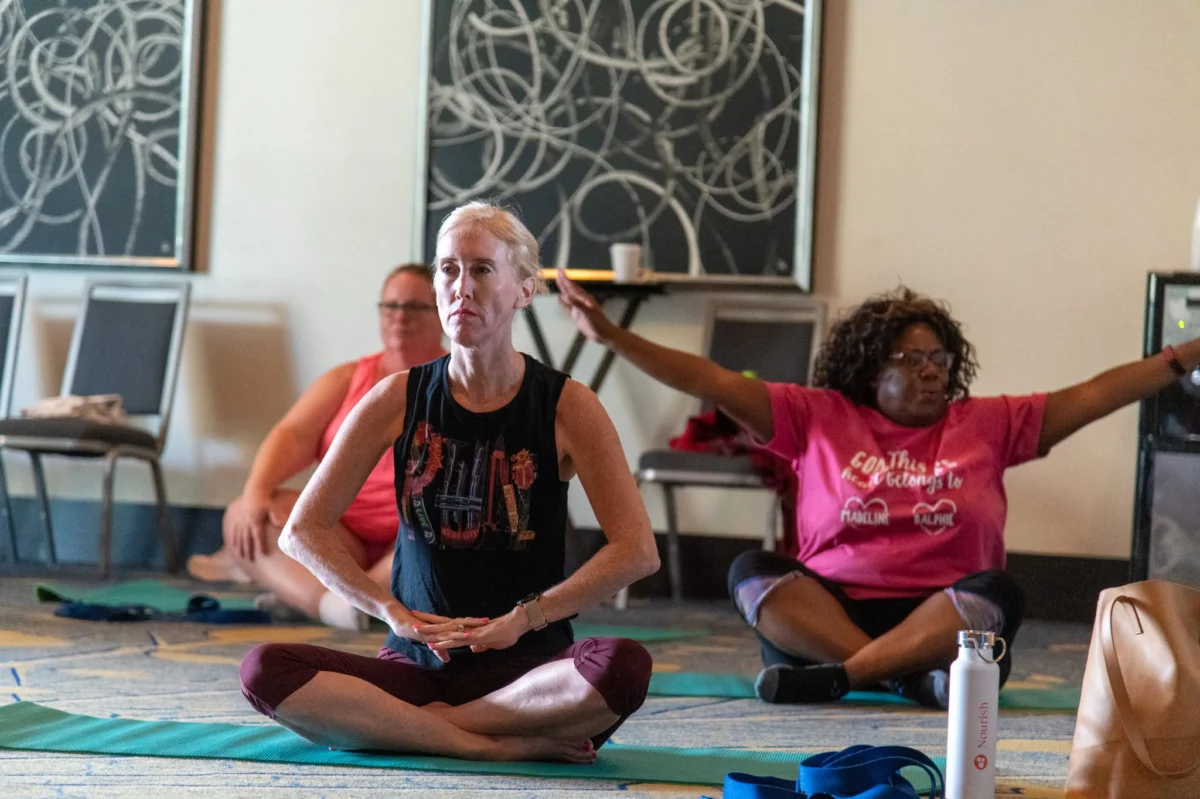
Unlike traditional marathons or high-intensity fitness competitions, the OAC Step Challenge is designed with inclusivity at its core. Recognizing that obesity can impact mobility and that fitness levels vary significantly, the challenge encourages participants to define "steps" in ways that suit their unique physical capabilities. This includes:
n
- n
- Traditional Walking and Running: For those who prefer the standard metric of success.
- Adaptive Activities: Such as chair exercises, stretching, and water aerobics.
- Daily Life Integration: Gardening, household chores, and active play with family.
n
n
n
n
Fundraising for a Cause
n
The funds generated through the challenge are funneled directly into the OAC’s legislative and educational efforts. The organization is a leading voice in Washington D.C., fighting for the passage of the Treat and Reduce Obesity Act (TROA) and working to eliminate weight-based discrimination in healthcare and the workplace.
n
Media Spotlight: Bloom Tampa Bay
n
The recent feature on Bloom Tampa Bay served as a critical catalyst for the 2026 campaign. By reaching a television audience, the OAC was able to bridge the gap between abstract health statistics and the real-world stories of individuals taking control of their health journeys. The segment emphasized that the challenge is a community-building exercise, designed to reduce the isolation often felt by those navigating the complexities of weight management.
n
Chronology: The Evolution of a Movement
n
The journey toward the 2026 Step Challenge is rooted in the OAC’s twenty-year history of advocacy. Understanding the timeline of this initiative provides context for its current scale and impact.
n
2005–2015: The Foundation of Advocacy
n
The Obesity Action Coalition was founded in 2005 with the goal of giving a voice to the individual affected by obesity. For the first decade, the focus was primarily on policy and providing evidence-based education to counter the "diet culture" narratives that dominated the early 2000s.
n
2016–2020: The Birth of the Step Challenge
n
As the organization grew, leadership recognized the need for an annual event that allowed members to participate actively from their own homes. The Step Challenge was born out of a desire to create a "virtual walk" that could unite a national membership base. What started as a small pilot program quickly grew as wearable technology (like Fitbits and Apple Watches) became ubiquitous.
n
2021–2025: Expanding the Scope
n
During the global pandemic, the importance of accessible, home-based movement became even more apparent. The OAC refined the Step Challenge to include a wider array of activities, moving away from a strict "step count" to a more holistic "intentional movement" model. This period saw a 40% increase in participation year-over-year.
n
2026: The Current Landscape
n
The 2026 Step Challenge represents the pinnacle of this evolution. With advanced digital platforms for tracking, integrated social media communities, and significant media partnerships like the WFLA segment, the challenge has transitioned from a niche organizational event to a mainstream health movement.
n
Supporting Data: The Magnitude of the Challenge
n
To understand why the OAC Step Challenge is necessary, one must look at the statistical reality of obesity in the United States and the proven benefits of the movement the OAC promotes.
n
The Prevalence of Obesity
n
According to the Centers for Disease Control and Prevention (CDC), the adult obesity prevalence in the United States stands at approximately 41.9%. This is not merely a matter of aesthetics; obesity is linked to over 200 chronic conditions, including Type 2 diabetes, heart disease, and certain types of cancer. The OAC argues that the medical community and the public must treat obesity as a complex, chronic disease rather than a personal failing.
n
The Impact of Intentional Movement
Research consistently shows that "Non-Exercise Activity Thermogenesis" (NEAT)—the energy expended for everything we do that is not sleeping, eating, or sports-like exercise—plays a massive role in metabolic health.
- Mental Health: Studies published in the Journal of Clinical Psychiatry indicate that even modest increases in physical activity can reduce symptoms of anxiety and depression by 20-30%.
- Longevity: Data suggests that increasing daily step counts from 3,000 to 7,000 can significantly reduce all-cause mortality rates.
OAC’s Reach and Impact
- Membership: The OAC now represents over 80,000 members nationwide.
- Educational Outreach: In the last year alone, the OAC distributed over 250,000 educational brochures to healthcare providers to ensure patients receive compassionate, science-based care.
- Legislative Wins: The OAC has been instrumental in securing coverage for obesity medications and surgery in several state Medicaid programs, a direct result of the advocacy funded by events like the Step Challenge.
Official Responses: Voices from the Frontlines
The success of the Bloom Tampa Bay segment and the 2026 Challenge has prompted responses from OAC leadership and health advocates who emphasize the psychological shift required to tackle the obesity epidemic.
The OAC Leadership Perspective
In statements following the television appearance, OAC representatives highlighted the "intentionality" of the challenge. "We want people to understand that their worth is not defined by a number on a scale, but their health can be improved by the consistency of their movement," a spokesperson noted. "When we see participants gardening or swimming as part of this challenge, we see people reclaiming their lives from a disease that often tries to limit them."
The Media’s Role
WFLA’s Bloom Tampa Bay producers expressed their commitment to highlighting health initiatives that are accessible to the general public. By focusing on the "impact" of a single step, the segment aimed to lower the barrier to entry for viewers who might feel intimidated by traditional gym environments.
Participant Testimonials
Feedback from the 2026 cohort has been overwhelmingly positive. One participant, who has been involved with the OAC for five years, stated: "The Step Challenge gives me a reason to get up and move that isn’t about punishment. It’s about supporting an organization that fought for my right to get medical treatment when my insurance said no. I’m stepping for the people who can’t yet."
Implications: Beyond the Month of October
The OAC Step Challenge carries weight far beyond the final day of October. Its implications touch upon healthcare policy, social stigma, and the future of chronic disease management.
Shifting the Narrative on Weight Stigma
One of the most significant implications of the challenge is its role in de-stigmatizing obesity. By showcasing diverse individuals engaging in various forms of movement, the OAC challenges the stereotype that people with obesity are "lazy" or "unmotivated." This shift in public perception is crucial for fostering an environment where individuals feel comfortable seeking medical help without fear of judgment.
Legislative Leverage
The success and visibility of the Step Challenge provide the OAC with "social proof" when lobbying on Capitol Hill. When legislators see thousands of constituents participating in a health-focused fundraiser, it strengthens the argument for the Treat and Reduce Obesity Act. It demonstrates that there is a large, active, and politically engaged constituency demanding better obesity care.
The Future of Corporate Wellness
As the 2026 challenge continues, it is setting a new standard for corporate wellness programs. By emphasizing "any movement counts," the OAC is providing a blueprint for companies to create inclusive health initiatives that don’t alienate employees with physical limitations or chronic conditions.
A Call for Continued Support
While October is the primary month for the challenge, the OAC emphasizes that the need for support is year-round. The organization continues to encourage individuals to register, form teams, and donate. The momentum generated by the Bloom Tampa Bay feature is expected to carry through the end of the year, providing the necessary capital for the OAC’s 2027 initiatives.
In conclusion, the OAC Step Challenge is a testament to the power of collective action. It proves that while the journey toward health equity and better obesity care is long, it is a journey made one intentional step at a time. Through the support of media partners, a dedicated membership, and a clear-eyed focus on advocacy, the OAC is ensuring that every step taken in October leads to a healthier, more compassionate future for millions of Americans.

