

Main Facts
n
The innocence of a child’s first birthday, marked by applesauce-smeared fingers, can quickly turn into a nightmare when a seemingly healthy treat harbors a hidden danger. This chilling reality struck families across the United States as popular applesauce pouches, marketed to children, were discovered to be severely contaminated with lead. The WanaBana Apple Cinnamon Fruit Puree, alongside products from Schnucks and Weis, became central to a widespread lead poisoning outbreak, sickening at least 118 children across 31 states. The contamination, traced to tainted cinnamon used in these products, exposed a critical failure in food safety protocols and ignited a wave of investigations, recalls, and legal battles aimed at holding manufacturers accountable for the devastating health consequences inflicted upon vulnerable young consumers.
n
Key Takeaways
n
- n
- Widespread Contamination: Applesauce pouches from WanaBana, Schnucks, and Weis were found to contain dangerously high levels of lead, affecting at least 118 children across 31 U.S. states.
- Cinnamon as the Culprit: Investigations by the FDA pinpointed contaminated cinnamon, supplied by Negocios Asociados Mayoristas S.A. to producer Austrofood SAS, as the primary source of lead.
- Severe Health Risks for Children: Lead poisoning, especially in young children, can lead to irreversible neurological damage, developmental delays, behavioral issues, and long-term health complications.
- Urgent Public Health Response: The FDA issued immediate advisories for consumers to avoid recalled products and urged blood testing for any child who consumed them.
- Mounting Legal Consequences: Manufacturers and distributors face a growing number of individual and potential class-action lawsuits, seeking significant financial compensation for victims’ medical expenses, pain, suffering, and long-term care needs.
- Importance of Legal Counsel: Families affected by the contaminated applesauce are strongly advised to seek experienced legal representation to navigate the complexities of product liability claims and secure deserved compensation.
n
n
n
n
n
n
n
A Public Health Crisis Unfolds: The Applesauce Outbreak
n
The simple act of providing a child with a convenient, seemingly nutritious snack became a source of profound anguish for hundreds of families. The lead poisoning outbreak linked to contaminated applesauce pouches represents a grave public health crisis, exposing children to a potent neurotoxin with potentially irreversible consequences.
n
The Johnsons’ Story: A Celebration Turned Nightmare
n
For the Johnsons, their daughter’s first birthday was a day of pure joy. Her tiny fingers, sticky with the applesauce they believed to be a wholesome choice, symbolized the innocent pleasures of childhood. Little did they know that within that vibrant pouch lay a ticking time bomb – a product laced with lead, poised to wreak havoc on their daughter’s developing system. Their experience mirrors that of countless other families who trusted established brands and regulatory oversight, only to find that their children had been inadvertently poisoned by a product meant to nourish them. This personal tragedy underscores the broader systemic failures that allowed such a dangerous product to reach consumers.
n
Identifying the Contaminated Products
n
The core of the crisis revolved around cinnamon-flavored applesauce pouches. The primary product identified was WanaBana Apple Cinnamon Fruit Puree. Subsequent investigations revealed that similar products under the Schnucks and Weis store brands were also affected, indicating a common source of contamination. These products, often found in popular retailers like Dollar Tree stores and Eatwell Markets, were a common sight in lunchboxes and snack times, making the recall particularly challenging due to their widespread availability and popularity among parents seeking convenient and healthy options for their children. The voluntary recall of WanaBana Apple Cinnamon Fruit Puree on October 29, 2023, marked a critical turning point, but by then, many children had already been exposed.
n
The Alarming Scope: States and Victims Affected
n
The lead poisoning outbreak rapidly escalated into a nationwide concern. The Centers for Disease Control and Prevention (CDC) reported that the contamination had spread across 31 U.S. states, impacting at least 118 children. The victims, predominantly young children ranging in age from less than 1 year to 5 years, are particularly vulnerable to lead toxicity due to their rapid development and higher absorption rates of lead compared to adults. The sheer number of affected individuals and the broad geographical reach highlighted the urgent need for a swift and comprehensive response from health authorities and manufacturers alike. The incident serves as a stark reminder of the global nature of food supply chains, with reports of contaminated products also reaching Cuba and the United Arab Emirates.
n
Understanding Lead Poisoning: Symptoms and Vulnerability
n
Lead is a highly toxic metal that can cause severe health problems, especially in young children whose developing nervous systems are most susceptible. The insidious nature of lead poisoning is that symptoms often do not appear immediately, or they can be subtle and easily mistaken for common childhood ailments. When symptoms do manifest, they can range from mild to severe, including:
n
- n
- Irritability and behavioral changes: Increased fussiness, difficulty concentrating, hyperactivity.
- Developmental delays: Regression in skills, learning difficulties, reduced IQ.
- Abdominal pain, constipation, nausea, and vomiting: Gastrointestinal distress is a common early sign.
- Loss of appetite and weight loss: Children may refuse food or experience unexplained weight loss.
- Fatigue and lethargy: Unexplained tiredness or lack of energy.
- Headaches: Persistent or recurrent headaches.
- Anemia: Lead interferes with red blood cell production, leading to fatigue and pallor.
- More severe cases: Seizures, coma, and even death can occur with very high lead levels.
n
n
n
n
n
n
n
The only definitive way to detect lead poisoning is through a blood test. The FDA has urgently advised all consumers who may have consumed the recalled applesauce pouches to seek medical attention for blood lead level testing, even if their child appears healthy, due to the potential for asymptomatic lead exposure.
Chronology of a Crisis: From Discovery to Recall
The timeline of the applesauce lead poisoning crisis reveals a rapid escalation from initial reports to widespread public health alerts and product recalls, highlighting the speed with which a contaminant can spread through a food supply chain.

Initial Reports and FDA Engagement
The first alarms were raised in late summer and early fall of 2023. State health departments began receiving an unusual increase in reports of elevated blood lead levels in young children. These initial reports often clustered around children who had consumed specific brands of applesauce pouches. For instance, North Carolina health officials were among the first to identify a connection between elevated lead levels and WanaBana Apple Cinnamon Fruit Puree pouches in October 2023. Recognizing the pattern, the FDA promptly initiated a comprehensive investigation, collaborating closely with state and local health partners to collect data, analyze product samples, and identify the source of contamination. The agency’s immediate focus was on protecting the most vulnerable population – young children.
Tracing the Source: The Cinnamon Connection
The FDA’s investigation quickly honed in on the cinnamon used in the recalled products. Preliminary tests of WanaBana Apple Cinnamon Fruit Puree samples revealed lead levels significantly higher than the acceptable threshold set by the FDA – in some cases, over 200 times the proposed maximum daily intake for children. This pointed directly to the cinnamon as the primary suspect. Further testing by Schnuck Markets also reported elevated levels of lead in the cinnamon raw material used by Austrofood SAS, the Ecuadorian company that produced the WanaBana pouches. The FDA identified Negocios Asociados Mayoristas S.A. (known as MANASA), a third-party distribution company based in Ecuador, as the supplier of the contaminated cinnamon to Austrofood. This discovery highlighted potential vulnerabilities in the global spice supply chain, where adulteration or inadequate quality control can have far-reaching and dangerous consequences.
Voluntary Recalls and Public Advisories
Faced with undeniable evidence of lead contamination, the manufacturers and distributors initiated voluntary recalls.
- October 29, 2023: WanaBana LLC voluntarily recalled all lots of WanaBana Apple Cinnamon Fruit Puree pouches.
- November 8, 2023: Schnucks Markets, Inc. voluntarily recalled Schnucks-branded cinnamon applesauce pouches.
- November 9, 2023: Weis Markets, Inc. voluntarily recalled Weis-branded cinnamon applesauce pouches.
In conjunction with these recalls, the FDA issued urgent public health advisories, warning consumers to immediately stop using and discard any recalled products. They emphasized the critical need for parents whose children had consumed these pouches to consult a healthcare provider for blood lead level testing, even if no symptoms were apparent. The rapid succession of these events underscored the severity of the crisis and the concerted effort by regulatory bodies to mitigate further harm.
Official Responses and Regulatory Action
The lead poisoning crisis prompted a robust response from regulatory bodies, public health organizations, and the affected companies, all striving to understand the scope of the problem, identify the source, and protect consumers.
The FDA’s Comprehensive Investigation
Upon detecting the unusual cluster of lead poisoning cases, the FDA launched a thorough and multi-faceted investigation. Their efforts included:
- Epidemiological Surveillance: Working with state and local health departments to track reported cases, identify common exposures, and gather demographic data on affected children.
- Product Testing: Collecting and analyzing samples of various applesauce pouches, particularly cinnamon-flavored varieties, to quantify lead levels. This involved advanced laboratory techniques to detect even trace amounts of the heavy metal.
- Supply Chain Analysis: Tracing the origins of ingredients, particularly the cinnamon, back through the manufacturing and distribution networks to pinpoint the point of contamination. This led them to Austrofood SAS (producer) and Negocios Asociados Mayoristas S.A. (cinnamon supplier) in Ecuador.
- Public Health Advisories: Issuing repeated warnings and guidance to consumers, healthcare providers, and retailers regarding the recalled products and the necessity of blood lead testing.
- International Collaboration: Engaging with international regulatory bodies and governments, particularly in Ecuador, to facilitate investigations into the source of the contaminated cinnamon.
The FDA’s findings highlighted the urgent need for enhanced vigilance in monitoring imported food ingredients, especially spices, which have historically been susceptible to economic adulteration.
Industry Accountability: Brands and Suppliers Under Scrutiny
The companies involved in the production and distribution of the contaminated applesauce pouches faced intense scrutiny. Austrofood SAS, as the primary manufacturer, and Negocios Asociados Mayoristas S.A., as the cinnamon supplier, were at the center of the FDA’s investigation. While WanaBana, Schnucks, and Weis initiated voluntary recalls, the underlying issue of how contaminated cinnamon entered the supply chain remained paramount.
This incident has raised critical questions about the robustness of quality control measures at every stage of food production, from sourcing raw materials to final product distribution. Manufacturers bear a significant responsibility to ensure the safety of their products, and the failure to detect such high levels of lead points to systemic gaps that require immediate addressal to restore public trust.
Safeguarding Consumers: The Call for Blood Testing
One of the most crucial official responses was the urgent recommendation for blood lead level testing. The FDA, CDC, and various state health departments strongly advised any parent whose child had consumed WanaBana, Schnucks, or Weis cinnamon applesauce pouches to consult their pediatrician about getting a blood test. This recommendation was made even if the child showed no overt symptoms, as lead poisoning can be asymptomatic in its early stages while still causing insidious damage.

Public health campaigns were launched to educate parents about the risks of lead exposure, the importance of early detection, and the steps to take if their child was exposed. This proactive approach was vital in minimizing further harm and ensuring that affected children received timely medical intervention.
The Path to Justice: Legal Action Against Manufacturers
In the wake of this widespread public health crisis, affected families are turning to the legal system to seek justice and compensation. The principles of product liability law are at the forefront of these cases, aiming to hold manufacturers, distributors, and retailers accountable for placing unsafe products into the market.
Product Liability and Corporate Negligence
Product liability law generally holds manufacturers, distributors, and retailers responsible for injuries caused by defective or dangerous products. In the context of the applesauce lead poisoning outbreak, several legal theories are being explored:
- Strict Liability: This theory posits that a manufacturer can be held liable for placing a defective product on the market, regardless of whether they were negligent. The mere fact that the product was defective (i.e., contained lead) and caused harm is sufficient.
- Negligence: Plaintiffs may argue that the manufacturers or suppliers were negligent in their duties, such as failing to implement adequate quality control measures, failing to test raw ingredients like cinnamon for contaminants, or failing to warn consumers about potential dangers.
- Breach of Warranty: This could involve implied warranties (e.g., fitness for a particular purpose or merchantability) that the product was safe for consumption, which was clearly violated by the presence of lead.
The lawsuits assert that these companies had a duty to ensure their products were safe for consumption, especially by children, and that they breached this duty by allowing lead-contaminated ingredients into their supply chain.
Individual Lawsuits: Seeking Direct Redress
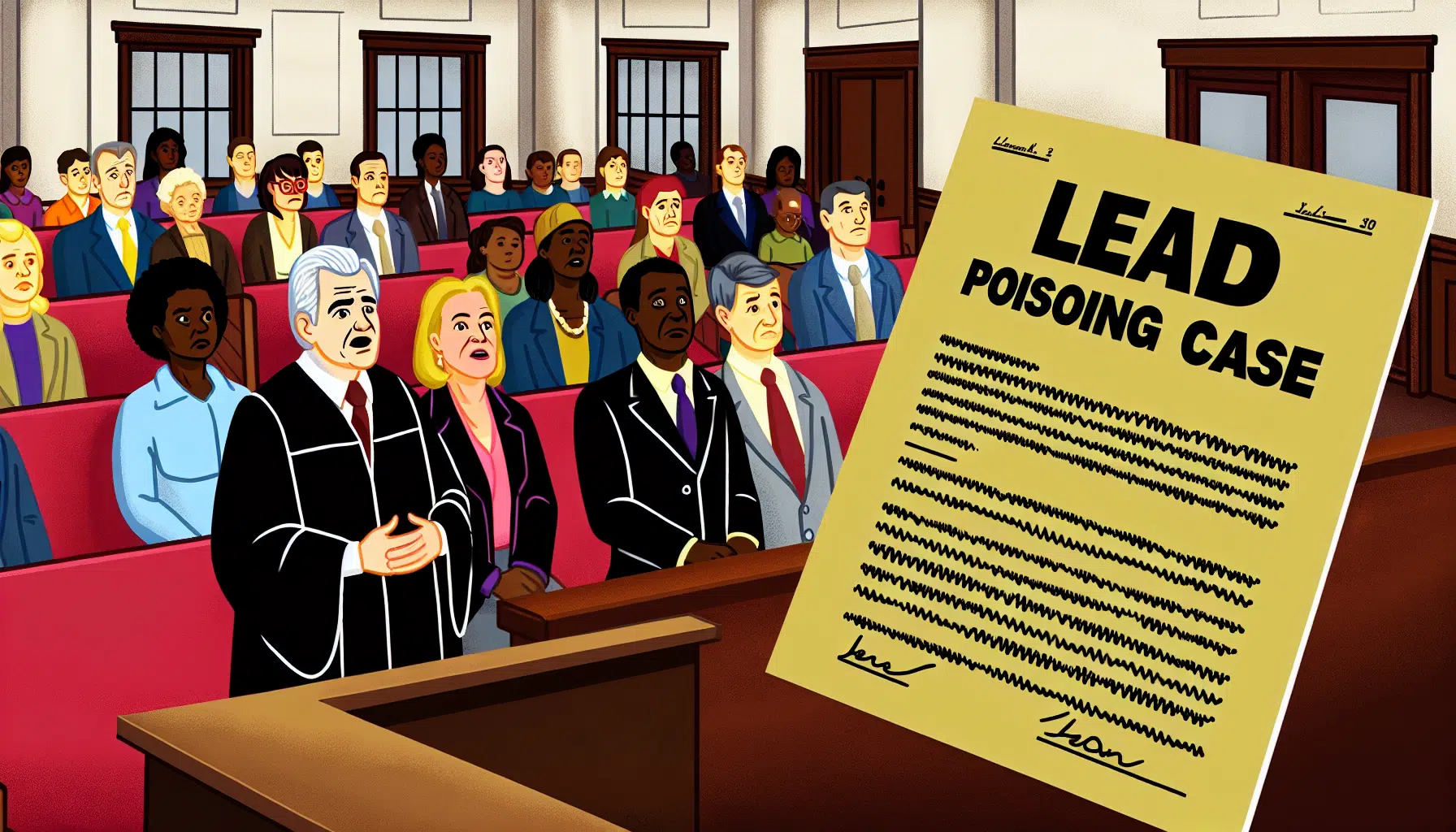
Parents of affected children have begun filing individual lawsuits against WanaBana and other responsible parties. One notable early filing was on November 21st, when the first lawsuit against WanaBana for lead contamination in applesauce was filed in Florida. The plaintiff, identified as Simon, represented his 1-year-old daughter who suffered from lead poisoning after consuming the product. This lawsuit, and others like it, seek direct redress for the specific harm suffered by each child and their family.
An individual lawsuit allows families to:
- Tailor the case: Focus specifically on their child’s unique injuries, medical needs, and long-term prognosis.
- Retain control: Have direct input and decision-making power throughout the legal process.
- Potentially faster resolution: Individual cases may sometimes proceed more quickly than complex class actions, depending on jurisdiction and evidence.
These lawsuits emphasize the importance of having children tested for lead poisoning if they consumed the recalled applesauce pouches, reinforcing the grave nature of the situation and the potential for serious, lasting harm.
The Power of Collective Action: Class Action Lawsuits
Beyond individual claims, the possibility of class action lawsuits looms large. Given the widespread nature of the outbreak, affecting children across numerous states, a class action could be a powerful tool for collective justice.
Pros of Class Action Lawsuits:
- Combined Resources: Allows many individuals with similar claims to pool resources, sharing the high costs of litigation (expert witnesses, discovery, court fees).
- Efficiency: Streamlines the legal process by resolving numerous similar claims in a single action, preventing redundant lawsuits.
- Increased Leverage: A large group of plaintiffs often has more negotiating power against large corporations, potentially leading to a more substantial settlement or award.
- Access to Justice: Provides a viable legal avenue for individuals whose damages might be too small to warrant an individual lawsuit but are significant when combined.
Cons of Class Action Lawsuits:
- Limited Control: Individual plaintiffs have less direct control over the litigation strategy, settlement negotiations, or trial decisions, as these are managed by lead counsel.
- Potentially Smaller Individual Payouts: While the overall settlement might be large, individual payouts can sometimes be smaller compared to what might be achieved in a highly successful individual lawsuit, after legal fees and distribution among many claimants.
- Longer Duration: Class actions are often more complex and can take longer to resolve due to the need to certify the class, notify members, and manage a large volume of claims.
- More Procedural Hurdles: Involves additional legal steps, such as class certification, which can be challenging to obtain.
Organizations like the Lead Poisoning Claim Center, established by law firms like Mr. Simon’s, are actively providing legal assistance and exploring avenues for both individual and class action claims, offering a beacon of hope for victims seeking accountability and compensation.
Seeking Compensation for Devastated Families
For families whose children have been affected by lead-contaminated applesauce, compensation is not merely about financial reimbursement; it’s about acknowledging the profound harm, covering the immense costs of care, and providing a measure of security for a child’s uncertain future.
Immediate Medical Expenses and Ongoing Treatment
The financial burden of lead poisoning treatment can be staggering. The immediate costs can include:
- Diagnostic Testing: Repeated blood lead level tests, neurodevelopmental assessments, and other specialized diagnostic procedures.
- Medical Consultations: Visits to pediatricians, neurologists, developmental specialists, and other healthcare professionals.
- Chelation Therapy: For elevated lead levels, this treatment involves administering medication to bind with lead in the body and facilitate its excretion. This can be oral or intravenous and requires careful monitoring.
- Environmental Assessment and Remediation: Identifying and mitigating other lead sources in the child’s home or environment, which may be recommended by health officials.
- Supportive Care: Nurse visits, nutritional counseling, and other immediate interventions.
Estimates suggest that the direct and indirect costs associated with lead poisoning, including immediate treatment, can amount to an estimated $271,000 annually per child. This figure often does not encompass all indirect costs, such as lost parental income due to caregiving, or the full spectrum of long-term health and educational support required. Compensation is crucial to help families shoulder these substantial medical expenses, allowing them to focus on their child’s recovery without the added stress of financial ruin.
The Enduring Shadow: Long-Term Health Consequences
Beyond the immediate medical interventions, the most devastating aspect of childhood lead poisoning is its potential for irreversible, long-term health consequences. Children are uniquely vulnerable because their brains and nervous systems are still developing. These lasting impacts can significantly diminish a child’s quality of life and future prospects:
- Neurological Damage: Reduced IQ, learning disabilities, attention deficit hyperactivity disorder (ADHD), and other cognitive impairments.
- Behavioral Problems: Increased aggression, impulsivity, antisocial behavior, and difficulty with emotional regulation.
- Developmental Delays: Speech and language delays, fine and gross motor skill deficits.
- Kidney Damage: Chronic kidney disease in severe or prolonged exposure.
- Anemia: Persistent iron deficiency anemia.
- Growth and Development Issues: Stunted growth and delayed puberty.
- Reproductive Issues: While more commonly observed in adults, severe childhood exposure can potentially impact reproductive health later in life.
- Increased Risk of Future Health Problems: Some studies suggest a link between early childhood lead exposure and an increased risk of hypertension and cardiovascular disease in adulthood.
These consequences require ongoing medical care, specialized educational support, and potentially lifelong assistance. Compensation claims must account for these projected future costs, including long-term therapy, special education, and potential loss of future earning capacity, ensuring that children receive the support they need throughout their lives.
Beyond Medical Bills: Pain, Suffering, and Punitive Damages
Victims of lead poisoning are also entitled to compensation for non-economic damages, which address the intangible losses they and their families have endured:
- Pain and Suffering: The physical discomfort, emotional distress, and psychological trauma experienced by the child and their parents. This includes the fear, anxiety, and heartbreak of watching a child suffer.
- Emotional Distress: The profound emotional impact on parents grappling with their child’s diagnosis, the guilt, the uncertainty, and the disruption to family life.
- Loss of Enjoyment of Life: The reduction in a child’s ability to engage in normal childhood activities, play, and learning due to their health condition.
In cases where the manufacturer’s conduct is found to be particularly egregious or reckless, courts may also award punitive damages. These are not intended to compensate the victim but rather to punish the defendant for their wrongdoing and deter similar conduct in the future. Punitive damages send a strong message about corporate accountability and the paramount importance of public safety.
Empowering Victims: The Role of an Experienced Attorney
Navigating the aftermath of a lead poisoning outbreak, especially when it involves a child, can be an overwhelming and emotionally draining experience. Seeking legal help from an experienced attorney is not just advisable; it is often critical to securing justice and fair compensation.
Navigating the Complex Legal Landscape
Lead poisoning cases, particularly those involving product liability, are inherently complex. They require a deep understanding of:

- Product Liability Law: Including strict liability, negligence, and breach of warranty as they apply to food products.
- Medical Science: Understanding the pathophysiology of lead poisoning, its diagnostic criteria, and its short-term and long-term health impacts on children. This often involves working with medical experts.
- Regulatory Frameworks: Familiarity with FDA regulations, recall procedures, and relevant public health guidelines.
- Corporate Structures: Identifying all potentially liable parties, including manufacturers, ingredient suppliers, distributors, and retailers, which can span international borders.
An experienced attorney possesses this specialized knowledge and can effectively guide families through the labyrinthine legal process, ensuring that their rights are protected at every turn.
Building a Strong Case: Evidence and Strategy
A competent attorney plays an indispensable role in building a robust legal case. Their tasks include:
- Thorough Investigation: Conducting an independent investigation beyond regulatory findings, including interviewing witnesses, reviewing company documents, and examining supply chain records.
- Gathering Evidence: Collecting crucial evidence such as medical records, blood test results (documenting elevated blood lead levels), expert medical opinions on causation and prognosis, receipts for recalled products, and any communication with the manufacturer or retailer.
- Assessing Damages: Meticulously calculating all potential damages, including current and future medical expenses, lost parental income, pain and suffering, emotional distress, and potential long-term care costs.
- Expert Consultation: Engaging with medical specialists (toxicologists, pediatric neurologists, developmental pediatricians), economists, and vocational experts to quantify the full extent of the child’s injuries and future needs.
- Crafting Legal Arguments: Developing compelling legal arguments based on the facts and applicable law to establish liability and maximize compensation.
By examining the extent of the victim’s exposure and confirming the diagnosis through definitive blood tests, an attorney can assess the viability of a lead poisoning case and build it on a solid foundation.
The Legal Process: From Filing to Resolution
The legal journey in a lead poisoning case typically involves several stages, and an attorney provides crucial support at each step:
- Initial Consultation and Case Evaluation: Offering a no-cost, no-obligation review of a potential case to determine its merits and explain legal options. This is where an injured individual or a loved one can quickly see if they qualify for legal action.
- Filing the Lawsuit: Preparing and submitting the necessary legal documents to initiate the claim in the appropriate court.
- Discovery: A phase where both sides exchange information and evidence through interrogatories (written questions), requests for documents, and depositions (oral testimonies).
- Negotiation and Mediation: Attempting to reach a fair settlement outside of court, which can often be a more efficient resolution.
- Litigation (Trial): If a settlement cannot be reached, the attorney will represent the client in court, presenting the case to a judge or jury.
- Appeals: If necessary, pursuing appeals after a trial verdict.
The timeframe for filing and prosecuting a lead poisoning case and receiving compensation typically ranges between 12-24 months, though complex cases, especially class actions, can take longer. With an experienced attorney by your side, families can navigate this process with confidence, secure in the knowledge that their rights are being protected and that they have a strong advocate fighting for their child’s future.
Preventing Future Tragedies: Vigilance and Systemic Change
The lead poisoning crisis serves as a stark reminder of the persistent threats lurking in our food supply chains and the critical importance of both individual vigilance and systemic reforms to prevent future tragedies.
Consumer Awareness: Identifying and Avoiding Recalled Products
For consumers, the immediate and ongoing safety measure is to stay informed about product recalls.
- Consult Official Sources: Regularly check recall announcements from the FDA, CDC, and other relevant public health authorities. These sources provide crucial details such as brand names, product descriptions, lot codes, UPCs, and specific dates of distribution for affected products.
- Inspect Product Packaging: Before consumption, carefully examine product packaging for any information matching recall notices.
- Dispose of Recalled Products Safely: Do not consume or donate recalled products. Dispose of them according to recall instructions, typically by discarding them in a sealed container to prevent further exposure.
Being proactive in identifying and avoiding recalled products is the first line of defense in protecting family health.
Proactive Health Monitoring: Recognizing Lead Poisoning Symptoms
Beyond product identification, parents must remain vigilant about their children’s health. While blood tests are the only definitive way to diagnose lead poisoning, recognizing potential symptoms can prompt early medical intervention. Parents should monitor for symptoms such as:
- Unexplained irritability or behavioral changes.
- Developmental delays or learning difficulties.
- Persistent abdominal pain, constipation, or loss of appetite.
- Fatigue, headaches, or difficulty sleeping.
If a child has consumed any of the recalled applesauce pouches, regardless of whether symptoms are present, it is essential to consult a healthcare professional immediately for blood lead level testing. Early detection is paramount for minimizing the long-term impacts of lead exposure.

Strengthening Food Safety Regulations and Supply Chain Oversight
The applesauce lead crisis unequivocally highlights the need for systemic improvements in food safety. This involves:
- Enhanced Ingredient Testing: Implementing more rigorous and frequent testing of raw ingredients, especially imported spices, for heavy metals and other contaminants.
- Supply Chain Transparency and Traceability: Requiring greater transparency throughout the global food supply chain, making it easier to trace ingredients from their origin to the final product and quickly identify points of contamination.
- Stricter Import Controls: Increasing inspections and testing of imported food products and ingredients at ports of entry to prevent contaminated goods from entering the domestic market.
- Increased Regulatory Enforcement: Empowering regulatory bodies like the FDA with more resources and authority to conduct proactive inspections, enforce compliance, and levy significant penalties for violations.
- Industry Best Practices: Encouraging food manufacturers to adopt voluntary best practices that exceed minimum regulatory requirements, prioritizing consumer safety over cost-cutting measures.
- Consumer Education Campaigns: Ongoing public health initiatives to educate consumers about potential food hazards and how to protect themselves.
By fostering a culture of vigilance, accountability, and continuous improvement across the entire food ecosystem, society can work towards preventing such devastating outbreaks from recurring.
Conclusion
The lead poisoning outbreak linked to contaminated applesauce pouches represents a profound breach of trust and a serious public health failure. What began as a routine snack for children quickly unraveled into a nationwide crisis, leaving a trail of illness, fear, and uncertainty for countless families. The insidious nature of lead, its devastating impact on developing children, and the alarming levels found in these products underscore the critical need for unwavering commitment to food safety.
While regulatory bodies have responded with investigations and recalls, and legal battles are underway to secure justice and compensation for the victims, the implications of this event extend far beyond the immediate crisis. It serves as a stark reminder of the vulnerabilities in our global food supply chains and the paramount importance of stringent quality control, robust regulatory oversight, and corporate accountability.
For the affected families, the journey ahead is challenging, fraught with medical complexities and emotional distress. Yet, through collective action, informed legal counsel, and unwavering advocacy, there is a path towards securing the necessary support and ensuring that such a preventable tragedy is never repeated. Vigilance, information, and swift action remain our strongest defenses in safeguarding the health and well-being of our most vulnerable population: our children.
Frequently Asked Questions
What applesauce was recalled due to lead contamination?
As of December 1, 2023, Schnucks, WanaBana, and Weis Cinnamon Apple Purée and Applesauce Products have been recalled due to lead contamination. Data from the Food and Drug Administration (FDA) and state and local health departments indicate that over 50 cases of possible harm from lead contamination have been reported across 31 U.S. states.
Why was there lead in the apple sauce?
The lead contamination in the recalled applesauce products has been linked to the cinnamon used in

