
July 22, 2026
n
In the four years since the Supreme Court’s landmark ruling in Dobbs v. Jackson Women’s Health Organization, the landscape of reproductive healthcare in the United States has undergone a seismic shift. When the constitutional right to abortion was overturned in June 2022, architects of the decision and public health experts alike generally anticipated a significant decline in the national abortion rate. With 13 states rapidly implementing near-total bans and another six enforcing strict gestational limits, the mathematical expectation was a sharp contraction in volume.

n
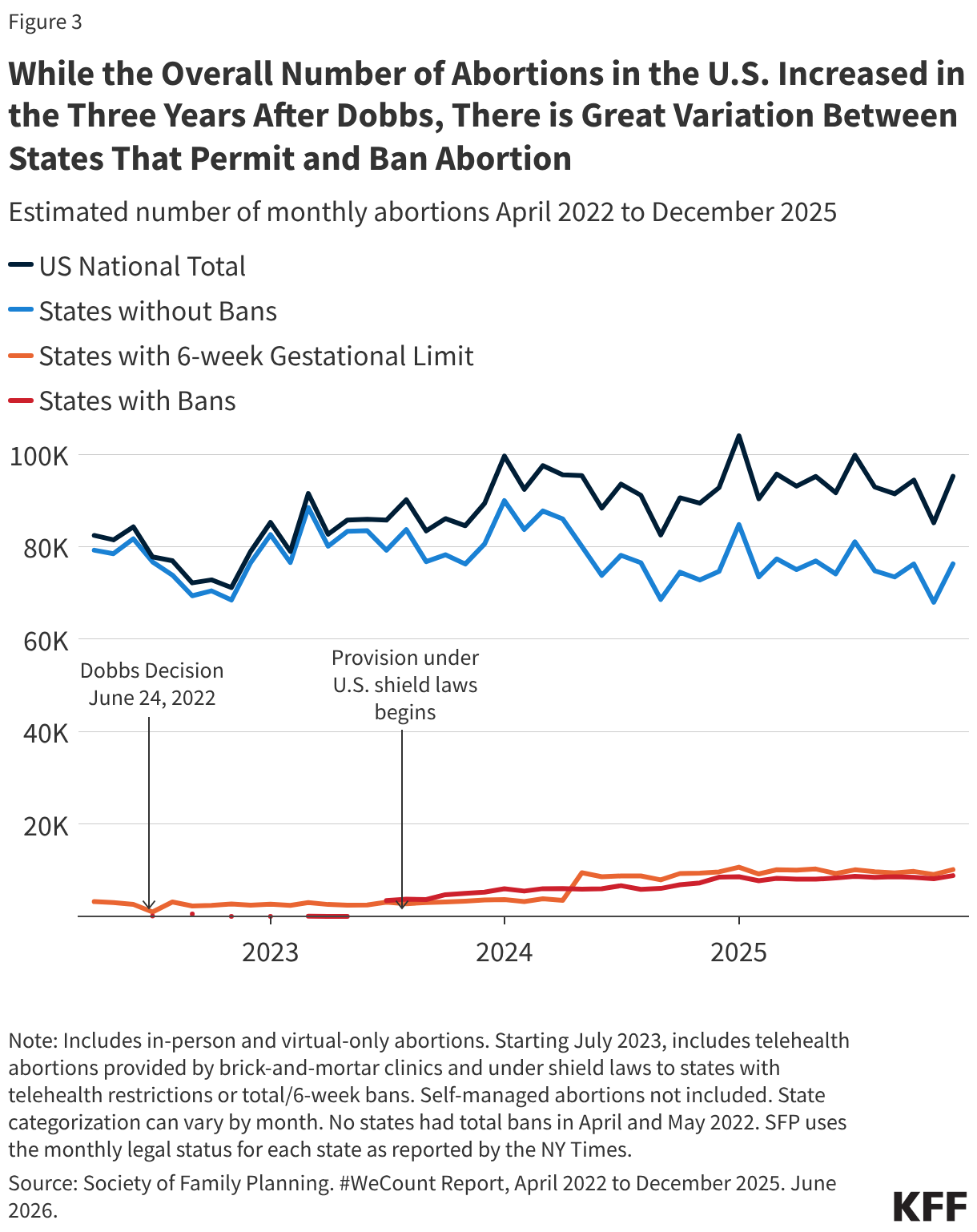
However, according to the latest data compiled through mid-2026, the reality has defied those expectations. Not only has the abortion rate failed to collapse, but the total volume of abortions in the U.S. has actually increased over the last three years. This "Post-Roe Paradox" is driven by a sophisticated confluence of technological expansion, state-level legal "shield" protections, and a massive surge in interstate travel. Yet, as a second Trump administration settles into power, new federal regulatory challenges and the potential invocation of nineteenth-century morality laws threaten to reverse this unexpected trajectory.
n
n
Main Facts: The Current State of Reproductive Access
n
As of July 2026, the data reveals a fractured nation where access is determined by a combination of geography, digital literacy, and financial mobility. The most striking figure is the national volume: in 2025, an estimated 1.13 million abortions were performed or pills distributed via formal healthcare channels. This represents a steady climb from 1.11 million in 2024 and 1.05 million in 2023.
n
Several key factors anchor this trend:
n
- n
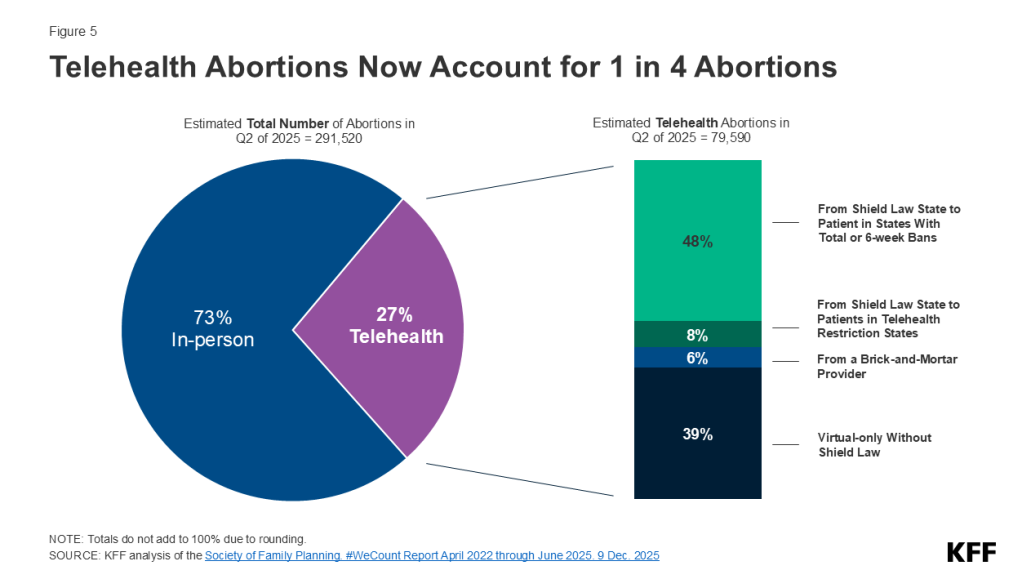
- The Rise of Telehealth: Virtual clinics now account for nearly 28% of all abortions nationwide.
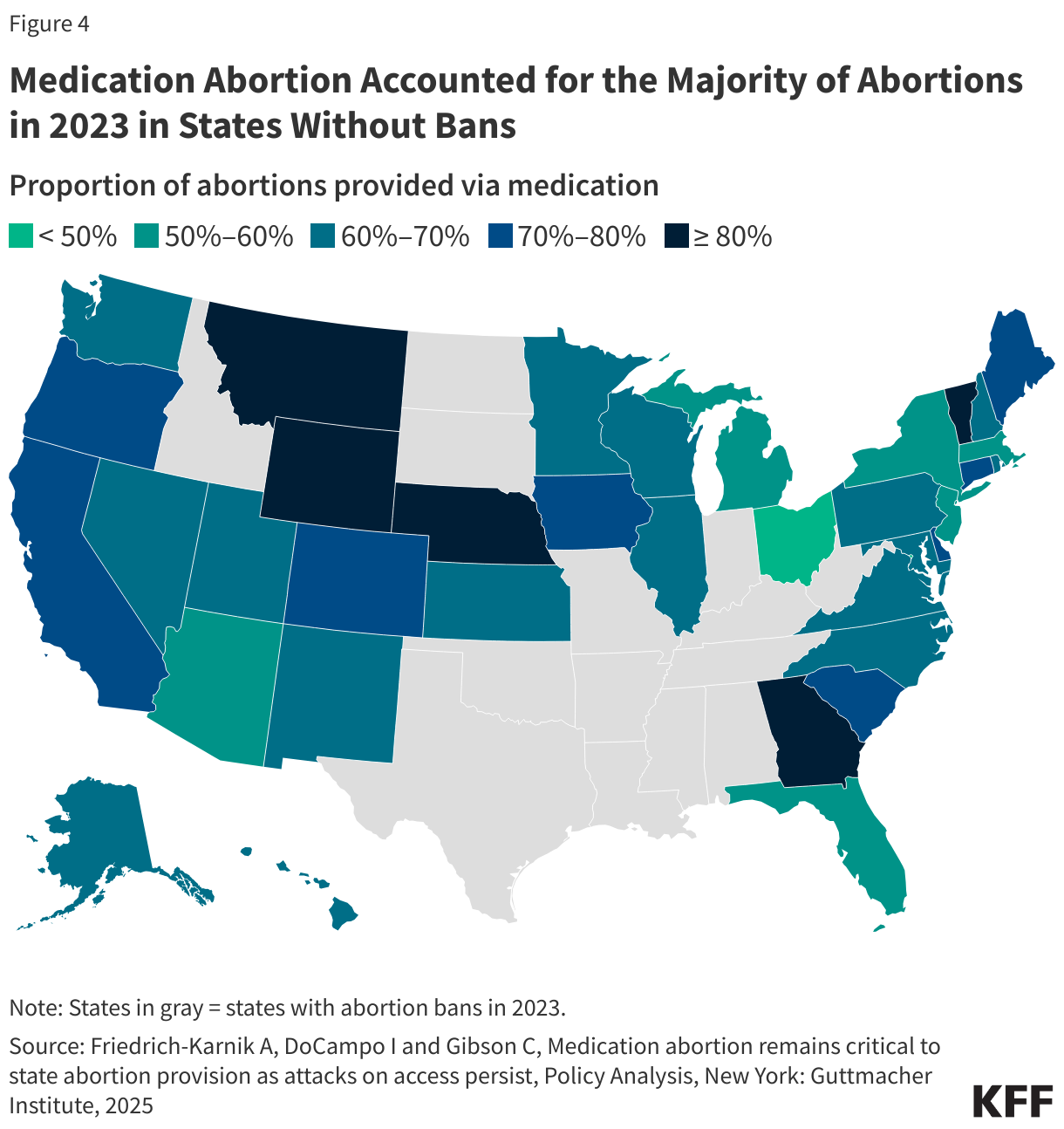
- Medication Dominance: Medication abortion, primarily using the two-drug regimen of mifepristone and misoprostol, now accounts for 65% of all procedures in states where abortion remains legal.
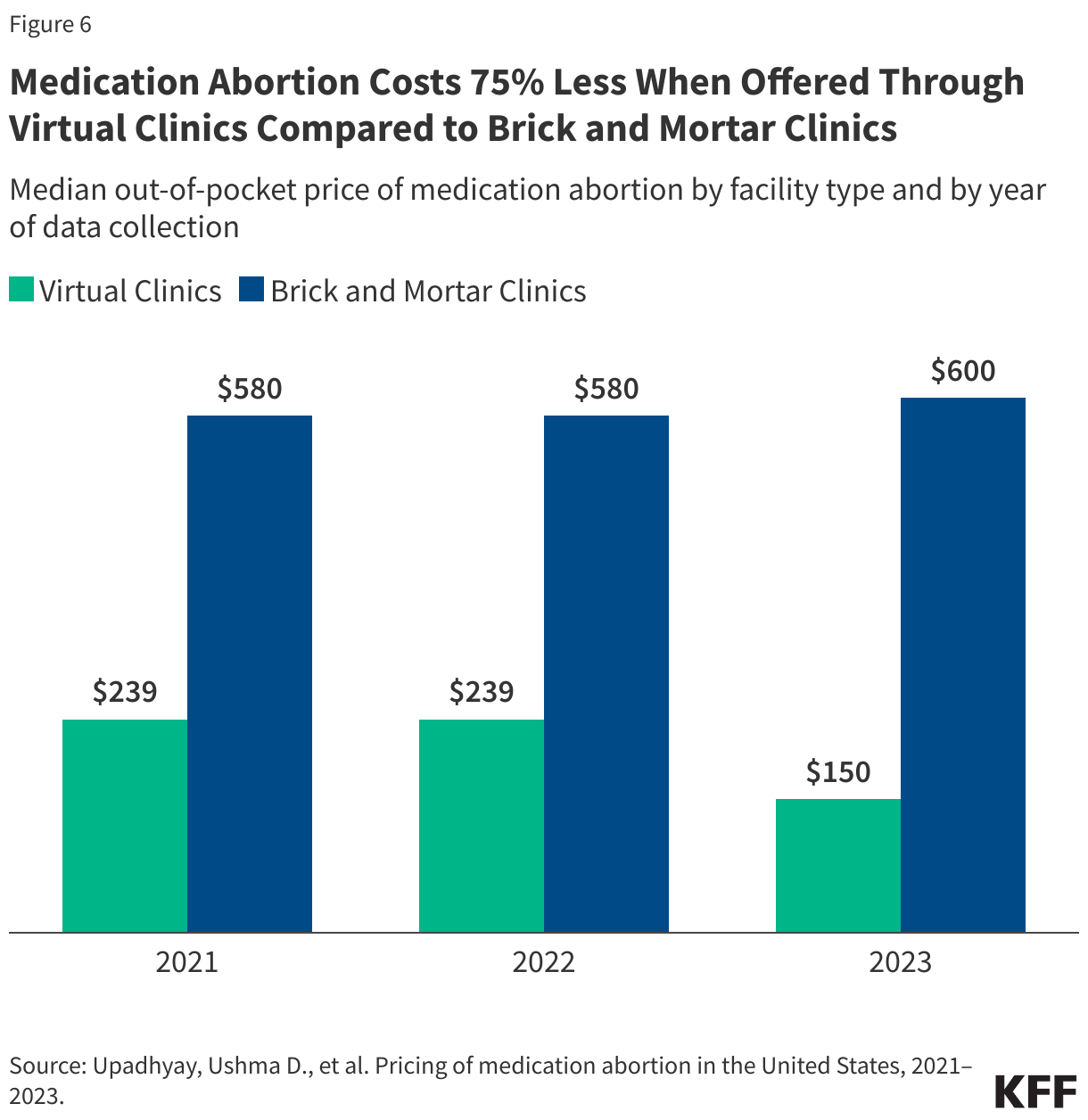
- Economic Disruption: The cost of a medication abortion through a virtual clinic has dropped to a median of $150, compared to $600 at brick-and-mortar facilities.
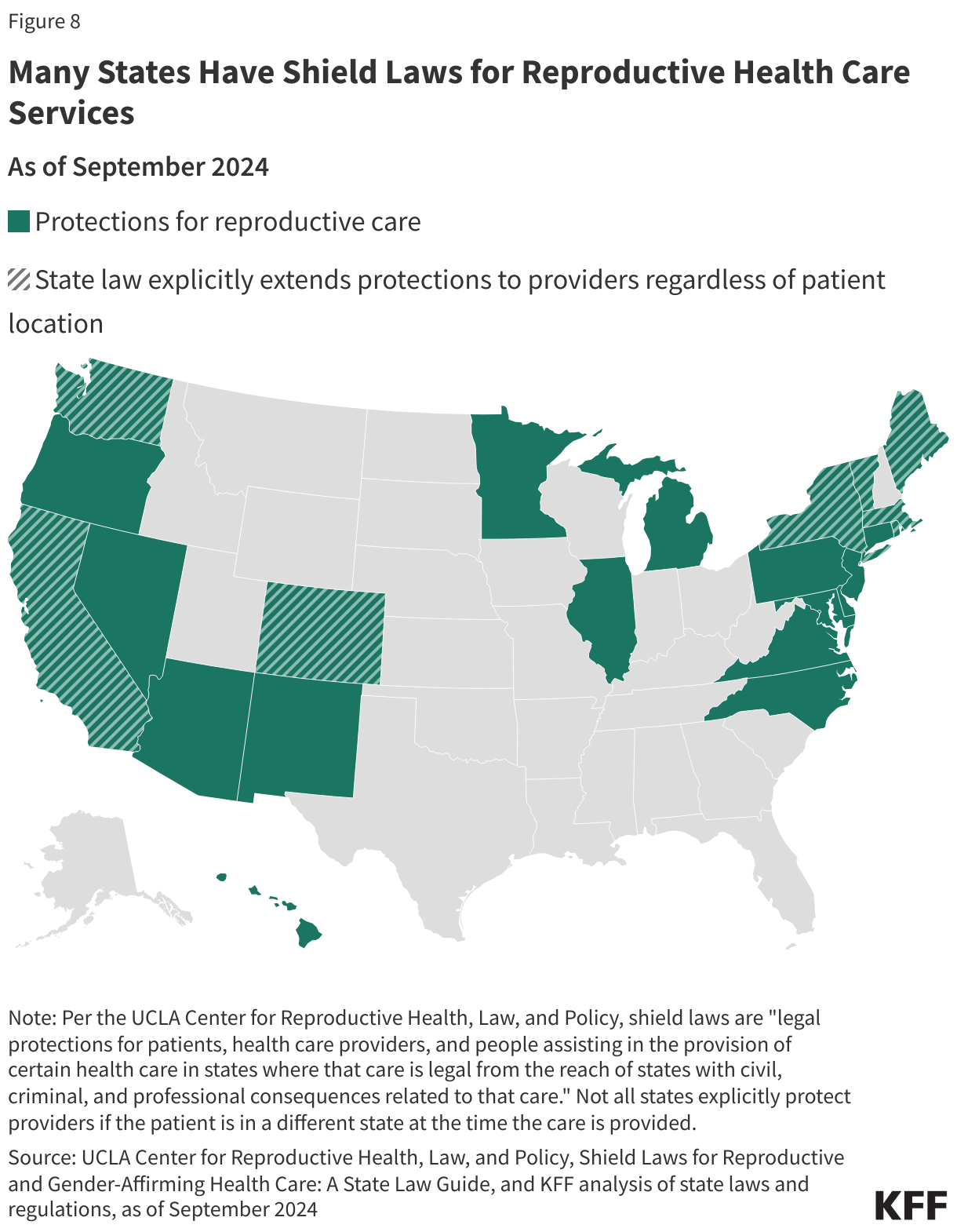
- Legal Fortresses: Twenty-two states and the District of Columbia have enacted "shield laws" designed to protect providers who mail pills to patients living in restrictive states.
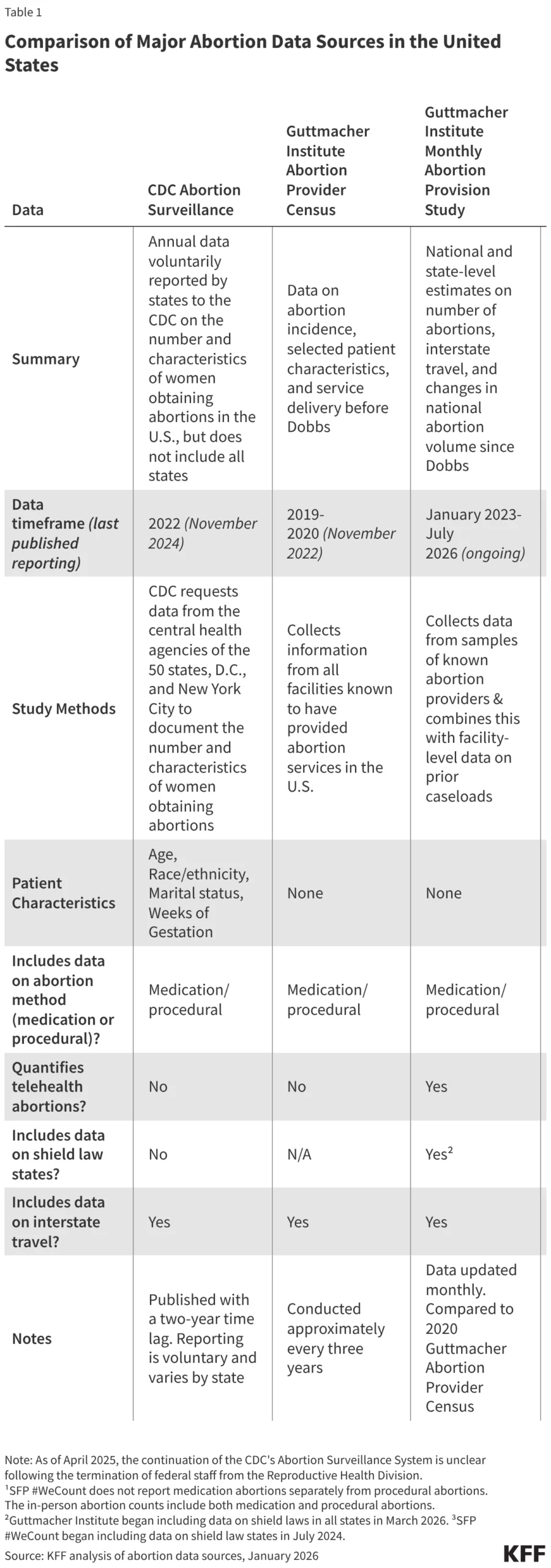
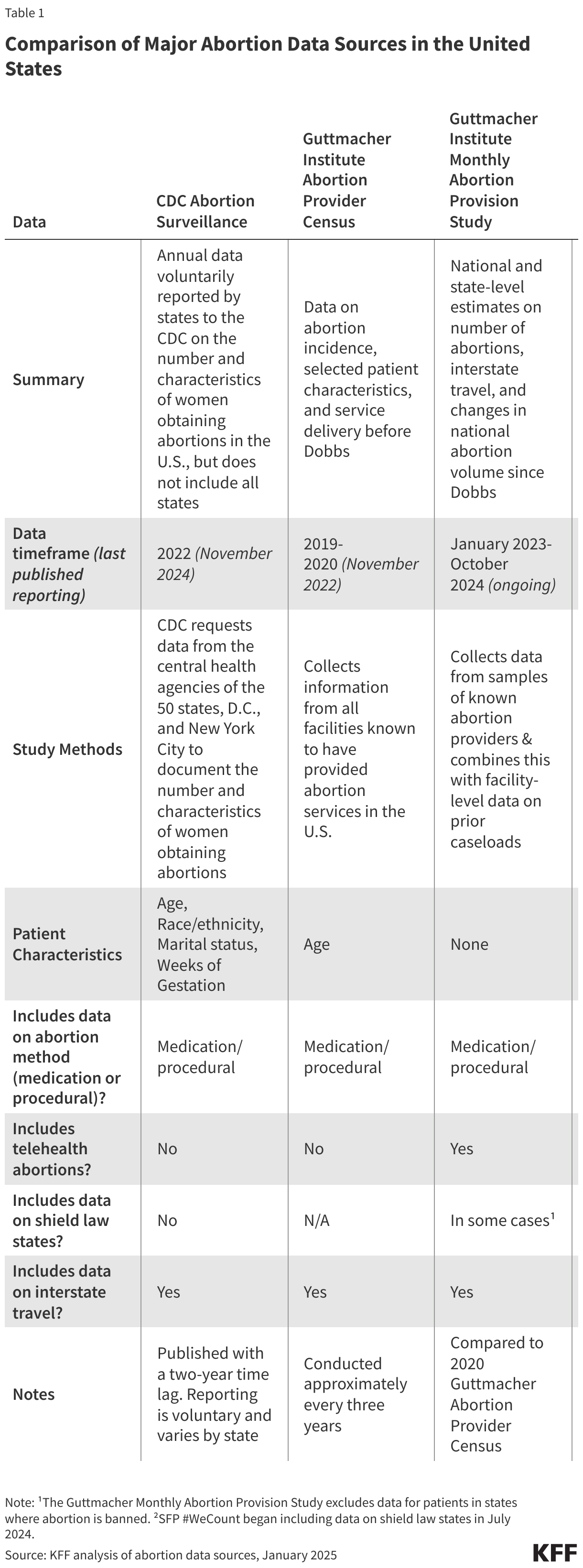
- The Data Gap: The federal government’s role in tracking these statistics has diminished. Under the current administration, the CDC’s Reproductive Health Division staff has been largely terminated, leaving independent organizations like the Guttmacher Institute and the Society of Family Planning (SFP) as the primary arbiters of national data.
n
n
n
n
n
n
n
Chronology: From the "Long Decline" to the Post-Dobbs Surge
n
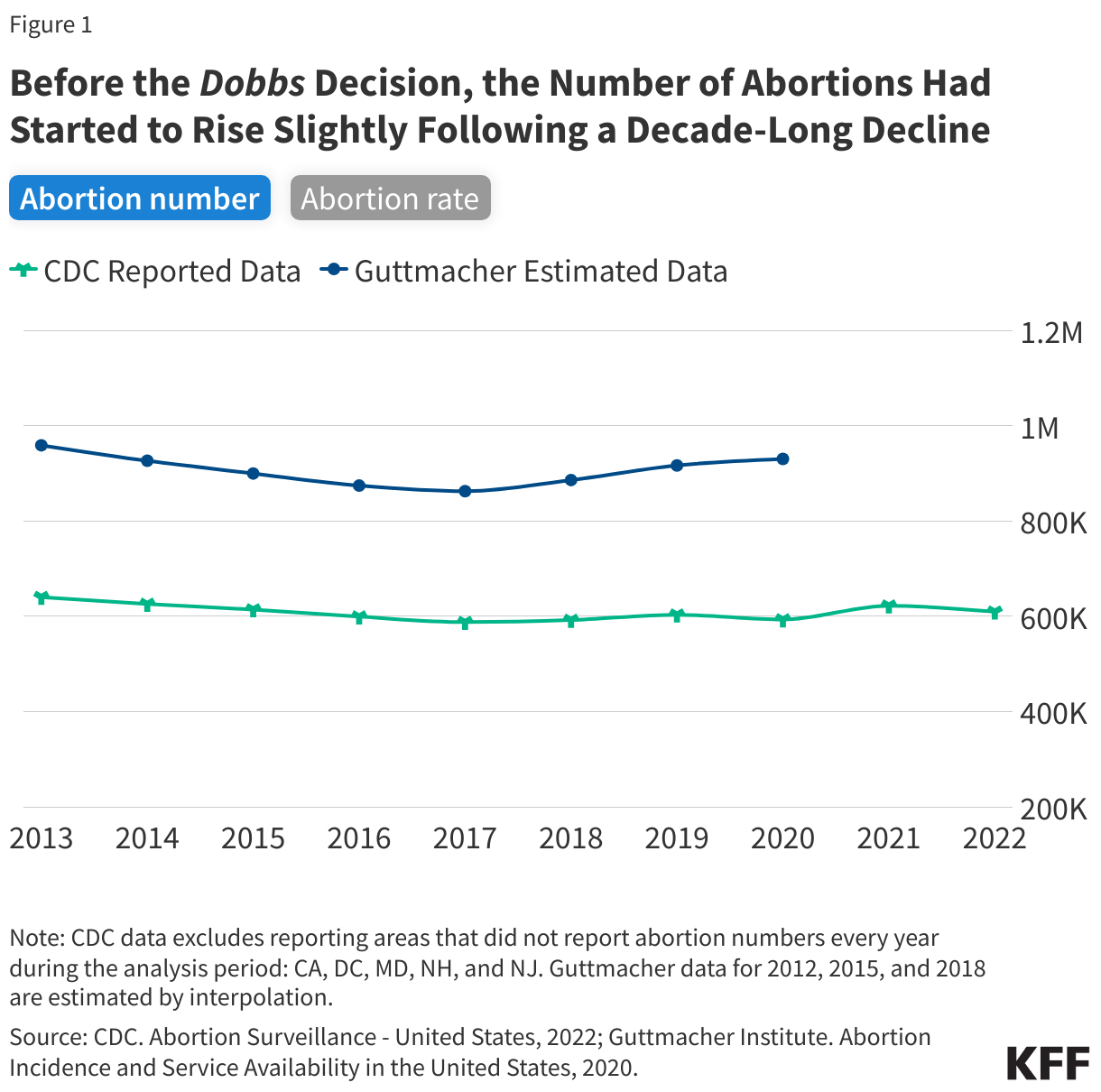
To understand the current increase, one must look at the decade preceding the Dobbs decision. From 2013 to 2017, the U.S. saw a steady decline in abortion rates, a trend largely attributed to the increased availability of highly effective contraception and the Affordable Care Act’s mandate for no-cost birth control.
n
By 2017, however, the trend began to plateau and then slightly tick upward. By 2020, the Guttmacher Institute reported 930,160 abortions—a rate of 14.4 per 1,000 women. This pre-pandemic rise was fueled by expanded Medicaid coverage for abortion in several blue states and a growing network of abortion funds that lowered financial barriers for low-income patients.
n
The Immediate Post-Dobbs Shock (2022)
n
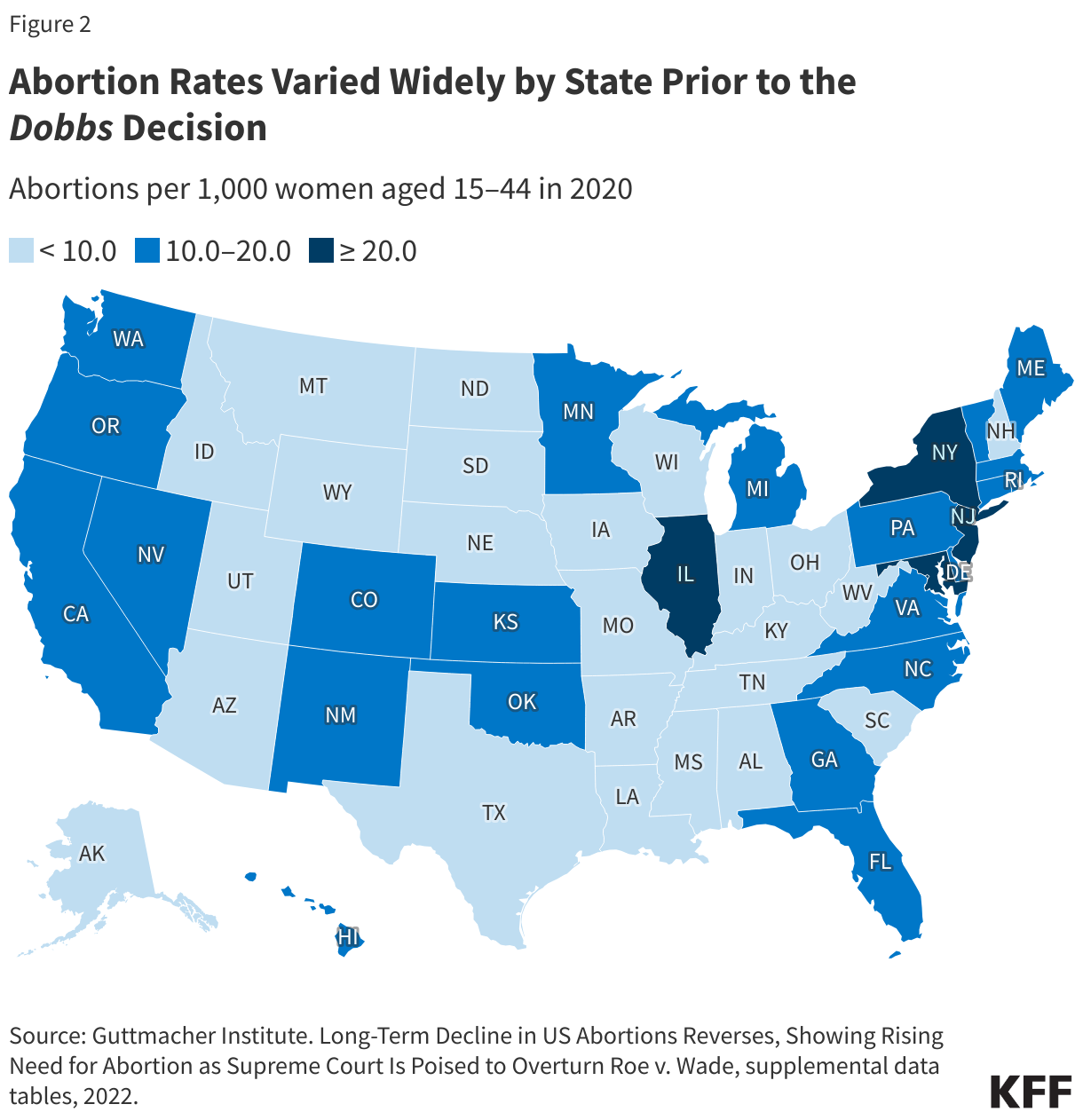
In the months following the June 2022 ruling, abortion volume in "ban states" plummeted to near zero. However, this was immediately met by a surge in neighboring "surge states" like Illinois, Kansas, and New Mexico.
n
The Telehealth Revolution (2023–2024)
n
The pivotal moment for the current volume increase occurred in late 2021 and early 2023, when the FDA finalized policy changes allowing retail pharmacies to dispense mifepristone and lifting the requirement for in-person clinical dispensing. This opened the floodgates for virtual-only clinics. By 2024, these clinics were providing a quarter of all U.S. abortions, effectively bypassing state-level physical barriers.
n
The Federal Reversal (2025–2026)
n
With the return of the Trump administration in early 2025, the federal stance shifted from protection to restriction. The termination of CDC surveillance staff and the introduction of new FDA regulatory reviews have created a climate of uncertainty, even as the 2025 year-end data showed record-high abortion volumes.
n
n
Supporting Data: Mapping the Shift in Care Delivery
n
The divergence between states that permit abortion and those that ban it has never been more pronounced. While the national average is rising, it obscures the "healthcare deserts" in the South and Midwest.
n
Medication Abortion and Virtual Clinics
n
The efficiency of medication abortion has been the primary driver of the volume increase. Because it can be administered up to 10 weeks of pregnancy with a safety record exceeding 99%, it is the ideal candidate for telehealth.
n
- Virtual vs. Physical: Virtual clinics do not have the overhead of surgical centers, security details, or building maintenance. This has allowed them to slash prices. The median cost for a telehealth abortion is now 75% less than an in-person procedure.
- Shield Law Efficacy: More than half (56%) of all telehealth abortions are now performed under shield laws. These laws allow a doctor in a state like Massachusetts or New York to prescribe and mail pills to a patient in Texas or Idaho, shielding the doctor from out-of-state prosecution.
The Geography of Interstate Travel
Interstate travel has reached historic levels. In 2025, approximately 142,000 patients traveled across state lines for care.
- Illinois remains the primary destination for the Midwest, seeing over 32,000 inbound patients.
- North Carolina and Kansas serve as critical access points for the South and Great Plains, respectively.
- New Mexico has become a vital corridor for patients fleeing bans in Texas and Oklahoma.
Official Responses: A War of Laws and Regulations
The response to this data has been split along deep partisan lines, creating a "legal arms race" between state capitals and the federal government.
State-Level Protectionism
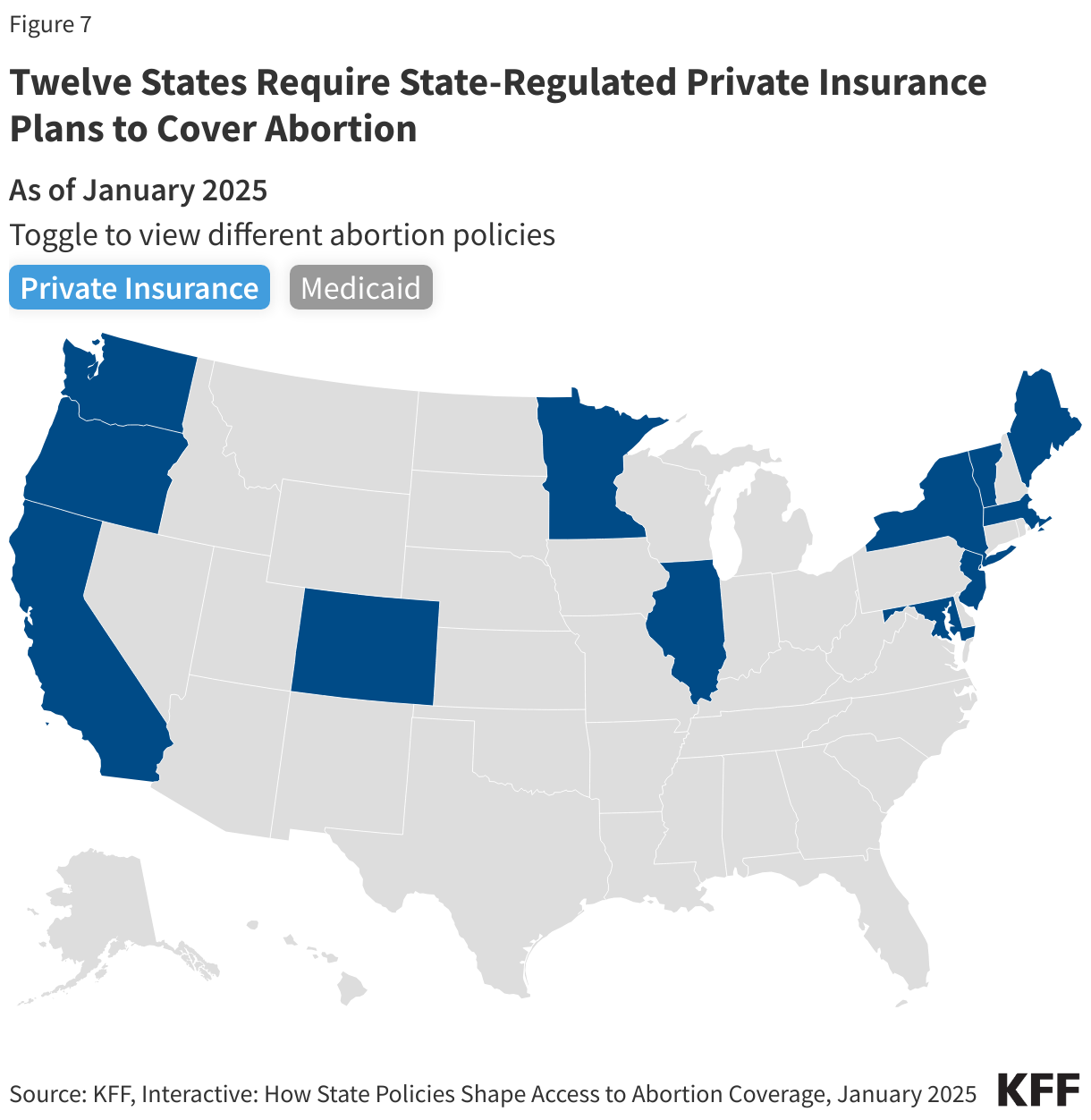
Blue states have moved beyond mere legality, treating abortion access as a matter of public infrastructure. Twelve states now require private insurance plans to cover abortion without cost-sharing. Furthermore, 20 states use state-only funds to cover abortions for Medicaid enrollees, bypassing the federal Hyde Amendment.
The Federal Counter-Offensive
The Trump administration and the Republican-led Congress have signaled a multi-pronged approach to curbing these numbers:
- The Comstock Act: There is growing pressure from conservative legal groups for the Department of Justice to enforce the Comstock Act of 1873, a dormant law that prohibits the mailing of "obscene" materials or drugs used for abortion. If enforced, this would effectively end the telehealth model overnight, regardless of state shield laws.
- FDA Revisions: The administration is currently reviewing the 2021 and 2023 FDA decisions that allowed for mail-order mifepristone. Reverting these rules would require every patient to visit a clinic in person.
- Data Suppression: By ending the CDC’s active surveillance of abortion, the federal government has made it more difficult for policymakers to assess the health impacts of state bans in real-time.
Implications: The Human and Public Health Cost
While the volume of abortions has increased, the outcomes for women in restrictive states are showing signs of distress. The ability to travel or navigate the telehealth system is not universal; it requires financial resources, internet access, and a level of legal risk tolerance that many of the most vulnerable populations do not possess.
Fertility and Mortality Trends
Recent studies published in JAMA indicate that in states with total bans, fertility rates have risen among populations with the greatest structural disadvantages. Concurrently, infant mortality rates in these same states have seen a statistically significant uptick. Many of the states with the strictest bans already possessed the nation’s worst maternal and infant health outcomes, and the current policy landscape appears to be exacerbating these disparities.
The "Two Americas" of Healthcare
The United States has effectively moved into a tiered system of reproductive medicine. In "Access States," abortion is becoming cheaper, more integrated into digital health, and more protected. In "Restrictive States," the procedure has been driven underground or into the digital shadows, where the threat of criminalization remains a constant shadow over both patients and those who assist them.
Looking Ahead
The unexpected rise in abortion volume through 2026 proves that demand for reproductive healthcare remains inelastic. However, the current "workaround" system—built on telehealth and shield laws—is fragile. It relies on the federal government’s continued non-interference with the postal system and the FDA’s current drug classifications. Should the federal government move to enforce the Comstock Act or restrict mifepristone, the 1.13 million abortions recorded in 2025 may represent a high-water mark before a precipitous and dangerous decline.
As the legal battle moves from state legislatures to federal regulatory agencies, the next two years will determine whether the "Post-Roe Paradox" was a permanent shift in American medicine or a temporary adaptation before a more total national restriction.

