
Medicaid has evolved from a supplemental safety net into the primary engine of healthcare for women in the United States. Currently providing health and long-term care coverage to more than 39 million women, the program serves as a critical lifeline across every stage of life—from reproductive years through old age. As the nation approaches significant federal policy shifts in 2025, including the potential for new work requirements and changes to expansion funding, the stability of this coverage has become a focal point for healthcare providers, economists, and policy advocates alike.
n
Main Facts: A Program Defined by Women
n
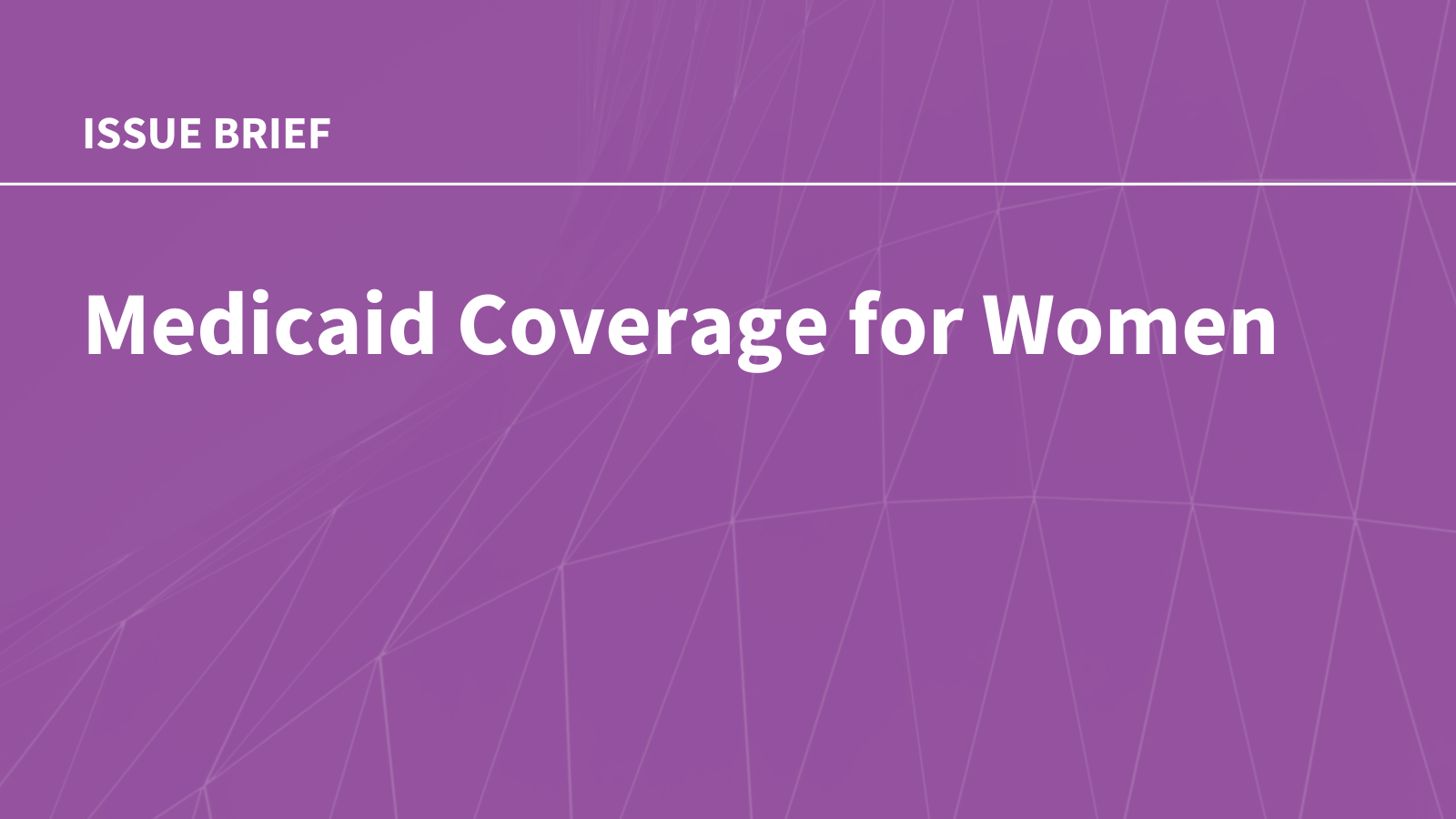
Medicaid is, in many ways, a program for women. Adult women comprise 37% of the total Medicaid population and represent the vast majority of the adult enrollees. This gender disparity in enrollment is not accidental; it is the result of both economic realities and the specific eligibility categories defined by federal law.
n
Women are more likely than men to live in poverty, head single-parent households, and outlive their spouses—factors that frequently lead to Medicaid eligibility. According to the latest data, women of reproductive age (19 to 49) make up approximately 24% of the entire Medicaid population. Beyond reproductive health, the program is the primary payer for long-term care services, a sector where women predominate both as patients and as caregivers.
n
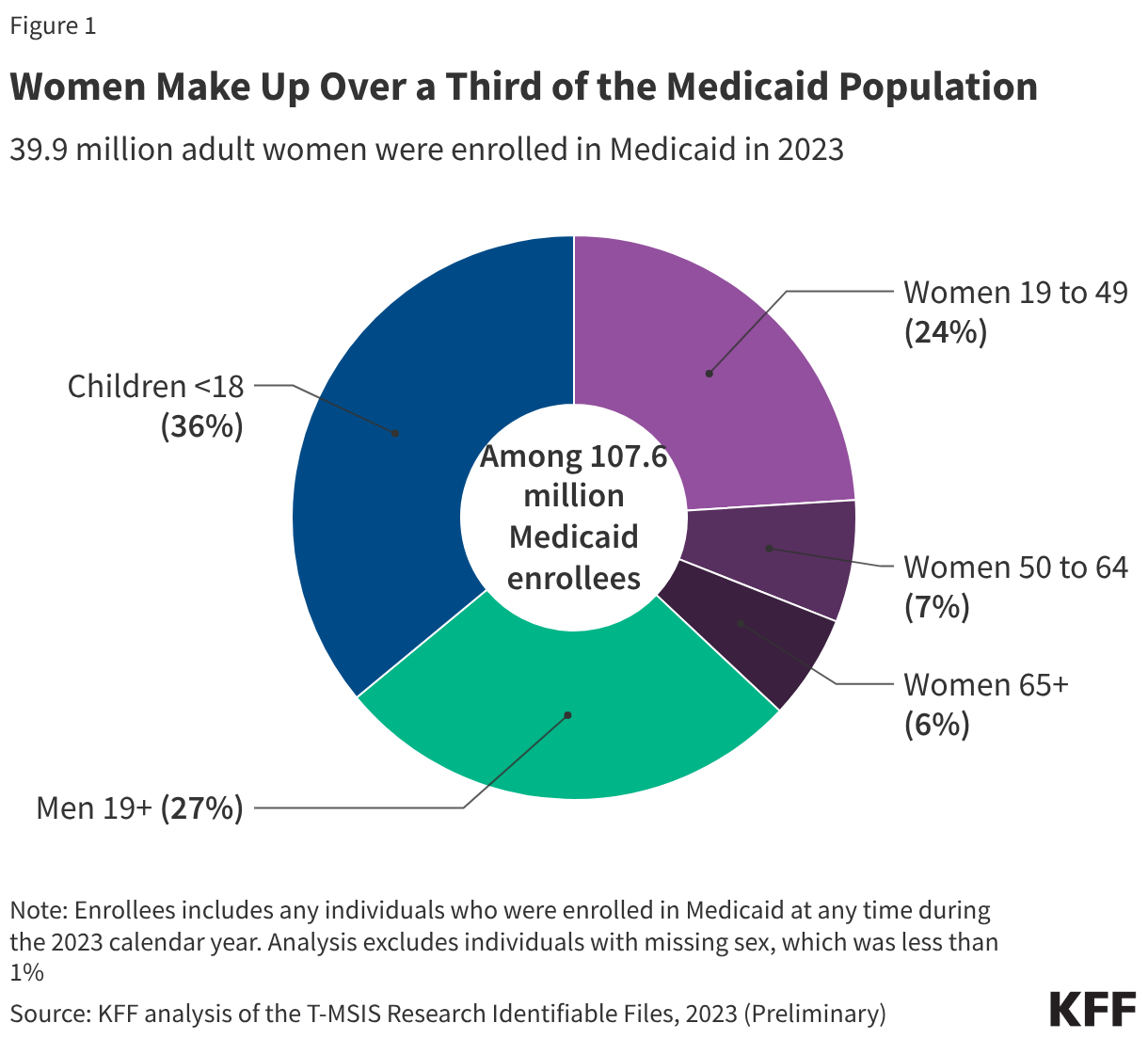
The program’s reach is particularly profound among marginalized communities. Data indicates that Medicaid covers a disproportionately high share of women of color, single mothers, and those with low educational attainment. In many states, Medicaid is the only barrier between these populations and a total lack of medical care.
n
Chronology: From Categorical Aid to Universal Expansion
n
The history of Medicaid is a trajectory of gradual inclusion, punctuated by the transformative shift of the Affordable Care Act (ACA).
n
The Pre-ACA Era (1965–2010)
n
For decades, Medicaid eligibility for women was strictly "categorical." To qualify, a woman generally had to be not only low-income but also fit into a specific box: she had to be pregnant, a parent of a dependent child, a senior, or an individual with a documented disability. This left millions of low-income, childless, non-disabled women in a "coverage gap," unable to access the program regardless of how little they earned.
n
The ACA Transformation (2010–Present)
n
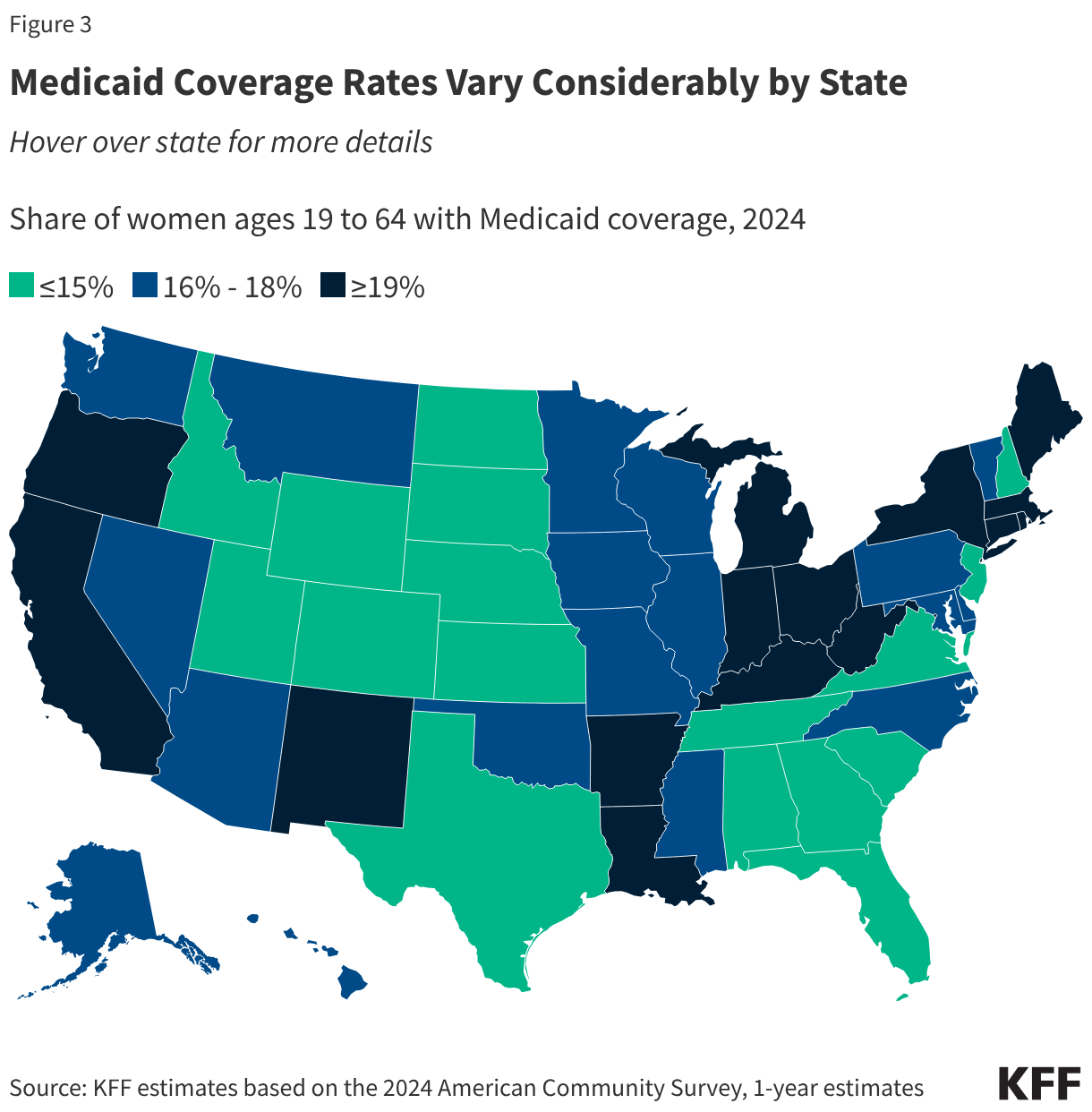
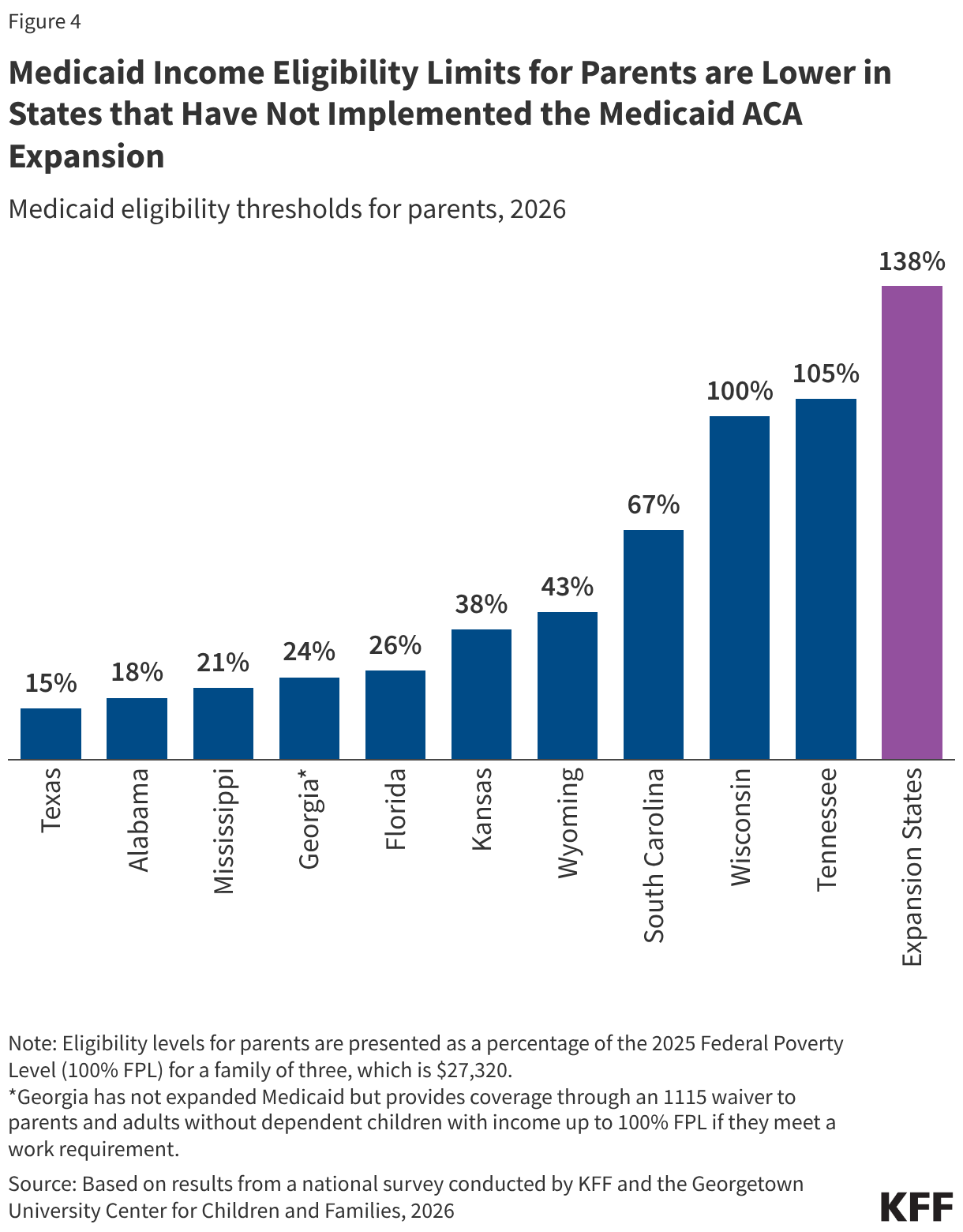
The enactment of the Affordable Care Act in 2010 introduced the Medicaid expansion, which allowed states to extend eligibility to nearly all adults with incomes up to 138% of the Federal Poverty Level (FPL). This eliminated the categorical requirements for millions, allowing low-income women to maintain health coverage regardless of their parental or pregnancy status. As of 2024, the majority of states have adopted this expansion, though a significant number of states in the South and Mountain West continue to resist, leaving regional disparities in women’s health outcomes.
n
The Post-Dobbs Landscape (2022–Present)
n
The Supreme Court’s decision in Dobbs v. Jackson, which overturned Roe v. Wade, placed Medicaid’s reproductive health role under a microscope. While Medicaid has long been restricted from funding most abortions due to the Hyde Amendment, the program remains the primary source of funding for the prenatal and postpartum care that has become even more critical in states with restrictive reproductive laws.
n
Supporting Data: Coverage, Access, and Outcomes
n
To understand the impact of Medicaid, one must look at the specific healthcare sectors where the program is the dominant force.
n
Maternity and Reproductive Health
n
Medicaid is the nation’s largest single payer of pregnancy-related services. In 2024, the program financed approximately 40% of all births in the United States. In some states, that figure exceeds 50%. Federal law mandates that states provide pregnancy-related care without cost-sharing for those with incomes up to 138% FPL, though many states have voluntarily raised that threshold to 200% or higher to combat the rising maternal mortality crisis.
n
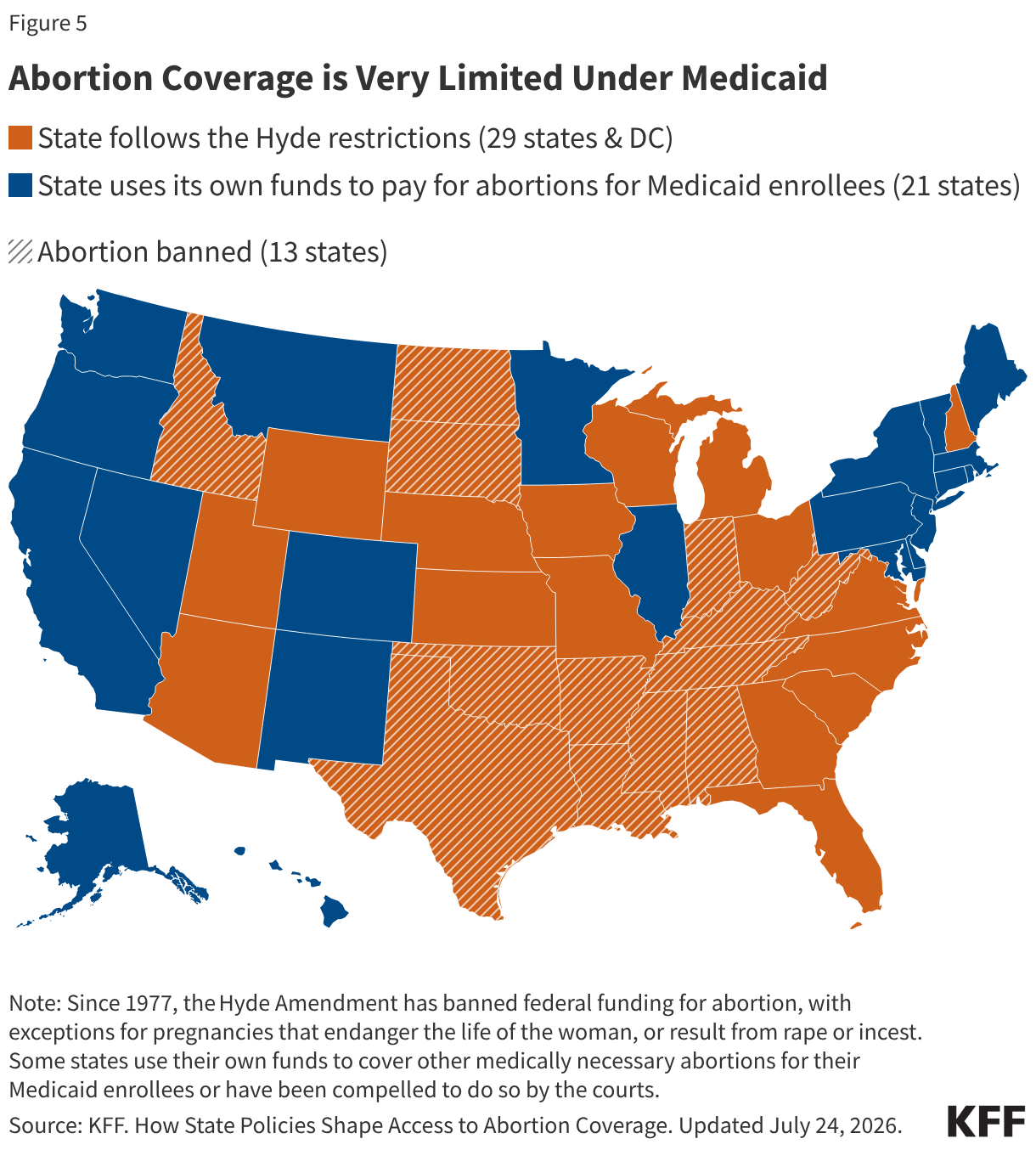
While family planning services—including FDA-approved contraceptives and STI screenings—are generally covered across all states, abortion coverage remains a fractured landscape. Currently, 29 states and the District of Columbia follow the federal Hyde Amendment, which restricts Medicaid funding for abortion to cases of rape, incest, or life endangerment. Only 21 states use their own state funds to provide broader abortion coverage for Medicaid enrollees.
n
Chronic Conditions and Disability
n
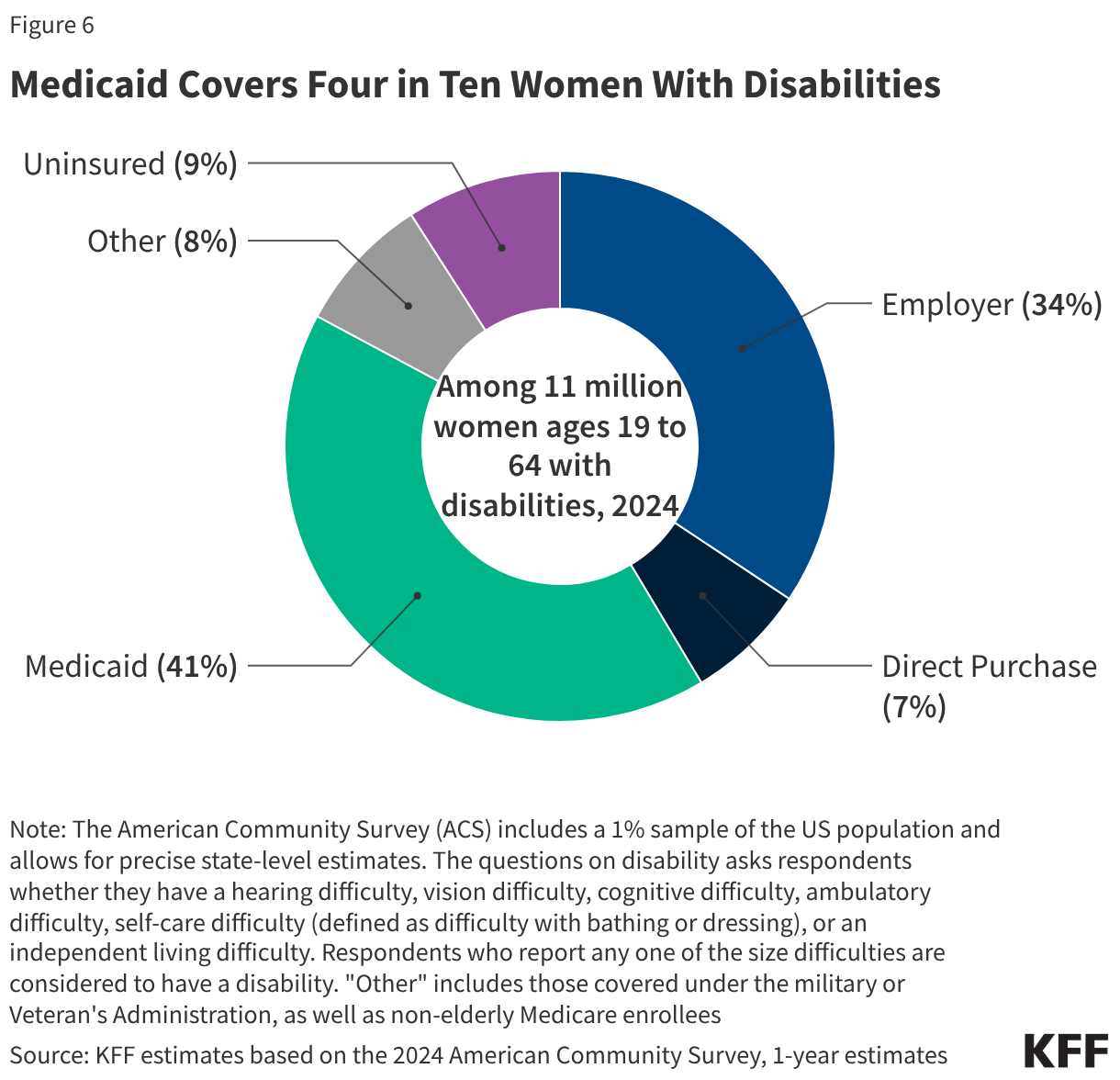
As women age, their reliance on Medicaid shifts toward the management of chronic conditions. Medicaid covers 41% of all non-elderly women with disabilities in the U.S. For these women, Medicaid is more than just health insurance; it is a provider of "wraparound" services that private insurance often excludes, such as personal care assistants, durable medical equipment, and long-term rehabilitative therapy.
n
The "Dual Eligible" Population
n
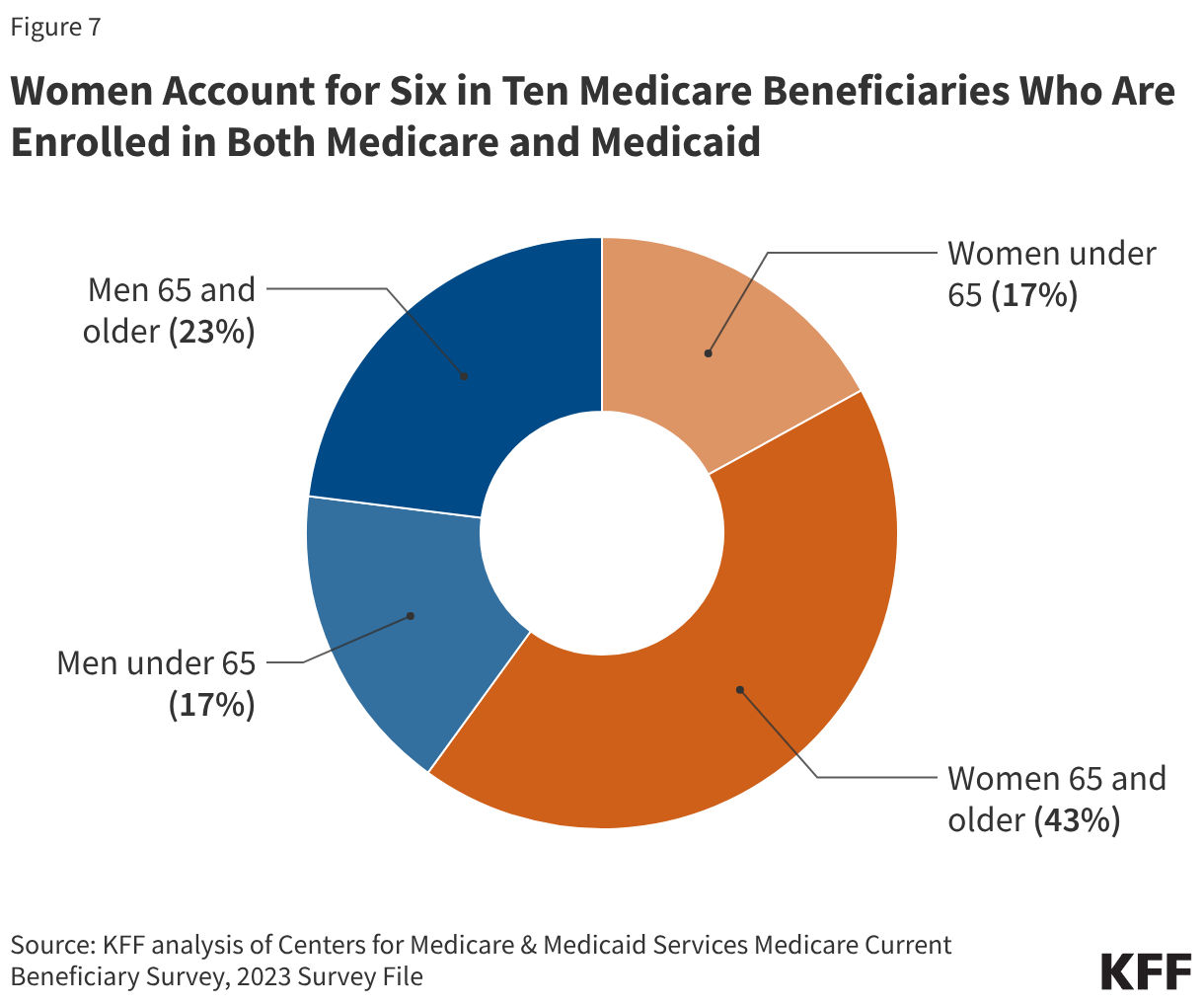
Women account for 60% of "dually eligible" beneficiaries—those enrolled in both Medicare and Medicaid. These are typically low-income seniors who rely on Medicare for primary medical care and Medicaid for the high costs of long-term care and nursing home stays. Because women tend to live longer than men and often have fewer retirement assets, Medicaid serves as the ultimate safety net for the female elderly population.
n
Official Responses and Policy Debates
n
The future of Medicaid for women is currently a subject of intense debate among federal and state officials.
n
The Push for Work Requirements
n
Several states have proposed or attempted to implement work requirements for the Medicaid expansion population. Policy analysts from organizations like the Kaiser Family Foundation (KFF) have noted that such requirements could disproportionately affect women, who often have caregiving responsibilities for children or elderly relatives that may not qualify as "work" under certain state definitions. Advocates argue these requirements ensure the program is reserved for the "most needy," while critics contend they create administrative hurdles that lead to eligible women losing coverage.
n
2025 Federal Policy Shifts
n
Looking toward 2025, the federal government is considering adjustments to how Medicaid is funded and administered. Proposed changes include the potential "unwinding" of certain pandemic-era protections and shifts in how the federal government matches state spending.
n
Health and Human Services (HHS) officials have emphasized the importance of the "postpartum extension," a policy that allows states to extend Medicaid coverage from 60 days to a full year after childbirth. As of mid-2024, the vast majority of states have adopted this extension, a move hailed by medical associations as a vital step in reducing the U.S.’s high maternal mortality rate, which disproportionately affects Black and Indigenous women.
n
Implications: The High Stakes of Coverage Stability
The implications of Medicaid policy for women extend far beyond the doctor’s office; they are central to the nation’s economic and social stability.
Economic Security
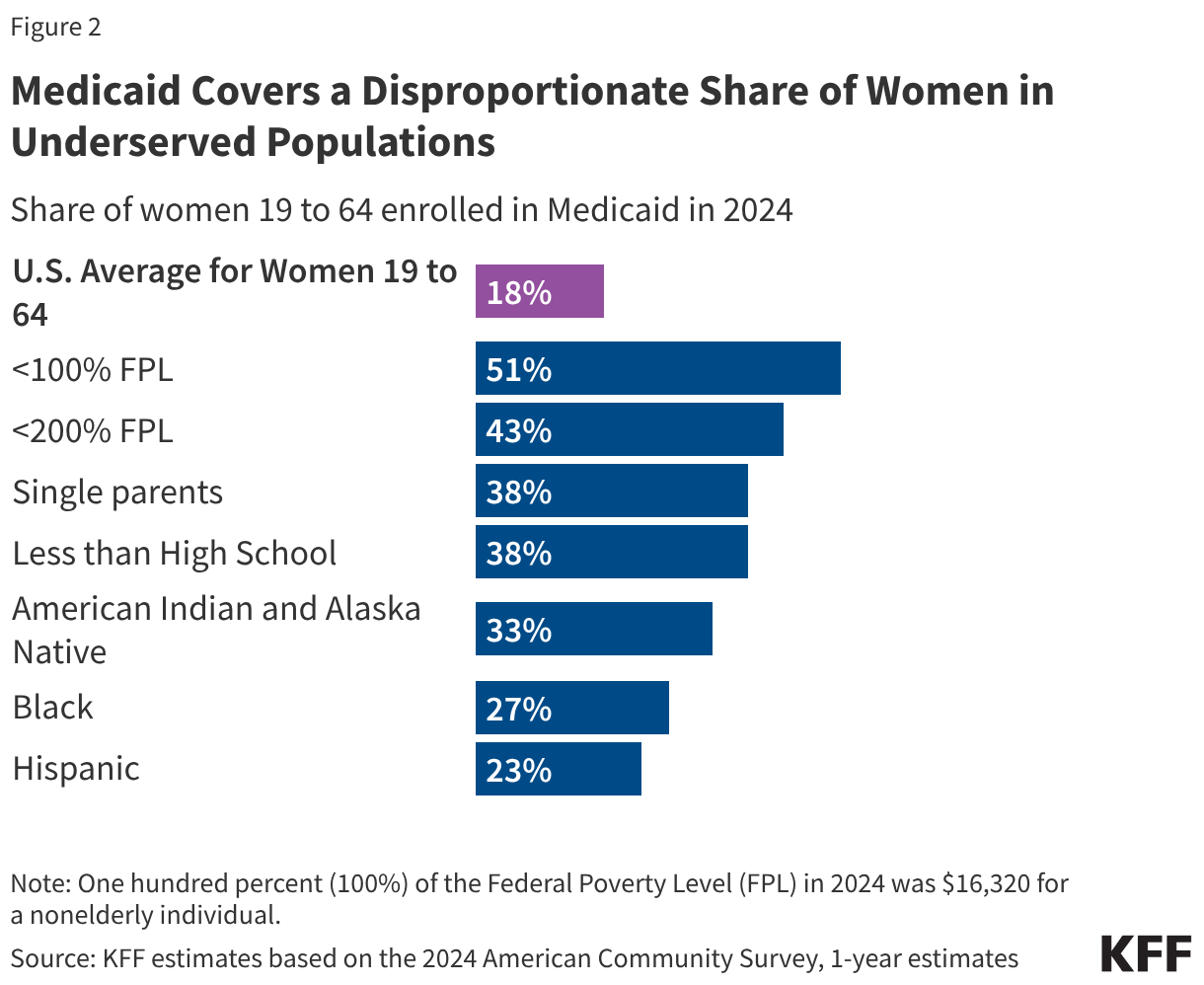
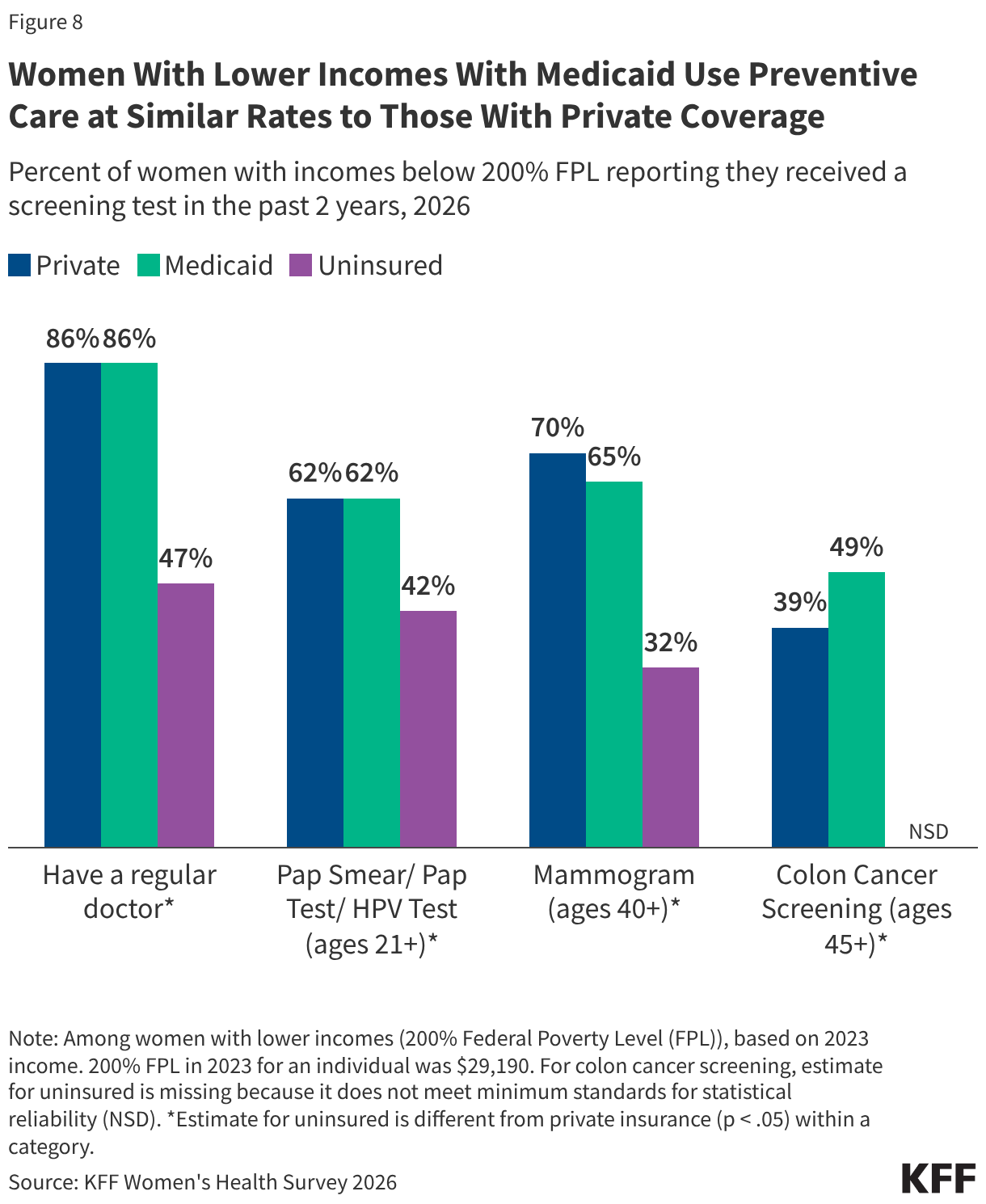
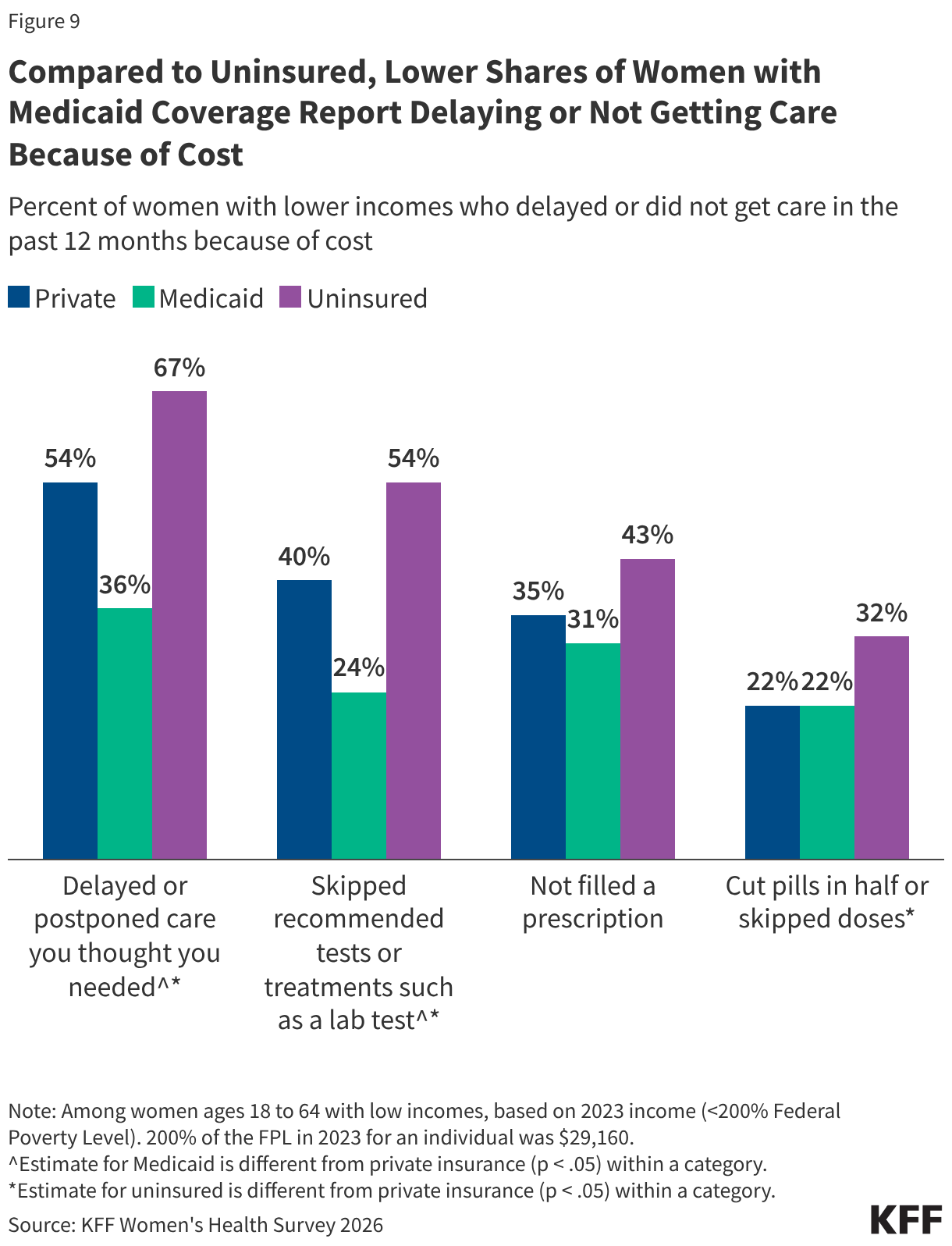
Access to Medicaid allows low-income women to stay in the workforce by managing chronic conditions and avoiding the crushing debt associated with medical emergencies. Data shows that women with Medicaid are less likely to skip recommended treatments or fail to fill prescriptions due to cost compared to those who are uninsured. In fact, on several measures of preventive care—such as Pap smears and mammograms—women on Medicaid have utilization rates comparable to those with private insurance.
Closing the Health Equity Gap
Medicaid is a primary tool for addressing racial disparities in healthcare. Because Black, Latina, and American Indian/Alaska Native women are more likely to be covered by Medicaid, the program’s funding and breadth directly correlate with the narrowing or widening of the health equity gap. Reductions in Medicaid eligibility or benefits have an immediate and outsized negative impact on women of color.
The Rural Healthcare Crisis
In rural America, where hospitals are closing at an alarming rate, Medicaid is often the only reliable source of revenue for the remaining clinics. For women in these areas, Medicaid coverage determines whether they have access to a local OB-GYN or must travel hundreds of miles for basic prenatal care.
Conclusion
As the United States moves toward a pivotal year in healthcare policy in 2025, the data is clear: Medicaid is the indispensable foundation of the women’s health infrastructure. Whether providing a healthy start for the 40% of American infants born under its coverage, supporting women with disabilities, or ensuring dignity for elderly women in long-term care, the program’s reach is unparalleled. The decisions made by policymakers in the coming months regarding expansion, work requirements, and funding levels will not just shift budget lines—they will fundamentally define the health and economic trajectory of millions of American women for the next generation.

