
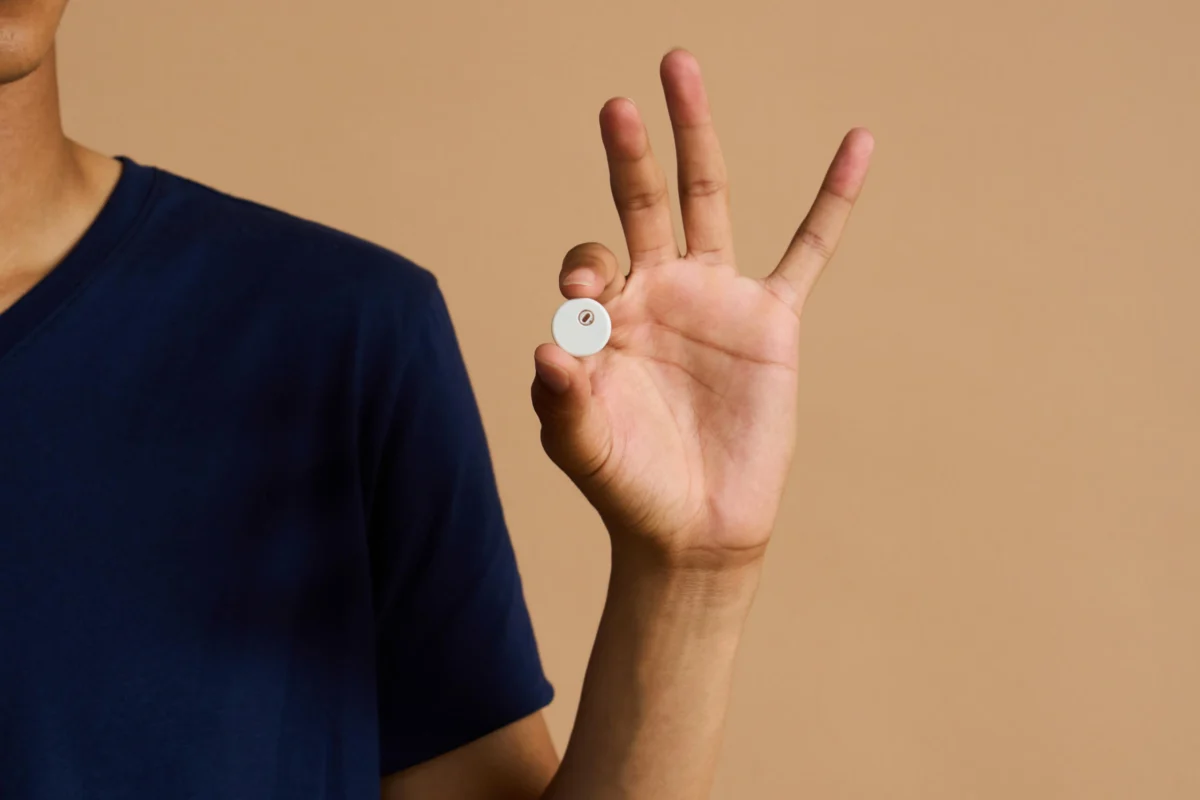
The landscape of metabolic health management underwent a seismic shift this week as the U.S. Food and Drug Administration (FDA) granted authorization for Abbott’s Libre Duo 10 Day system. This device represents a historic milestone in medical technology, serving as the world’s first dual-sensing wearable capable of monitoring both glucose and ketone levels simultaneously through a single subcutaneous sensor.
n
For the millions of Americans living with diabetes—particularly those with Type 1 diabetes (T1D)—the approval marks the transition from reactive to proactive management of one of the disease’s most lethal complications: Diabetic Ketoacidosis (DKA). By integrating ketone monitoring into the existing framework of Continuous Glucose Monitoring (CGM), the Libre Duo promises to bridge a critical gap in patient safety and clinical outcomes.
n
n
I. Main Facts: A Breakthrough in Bio-Sensing Technology
n
The Libre Duo 10 Day system is designed for individuals with diabetes aged two and older. It builds upon the established success of Abbott’s FreeStyle Libre franchise, which has long been a leader in the CGM market. However, the Duo distinguishes itself by housing two distinct sensing chemistries within a single, small wearable device.
n
Key Specifications and Capabilities:
n
- n
- Dual-Monitoring: The device provides real-time data on both interstitial glucose levels and ketone levels.
- Duration of Use: Each sensor is FDA-cleared for 10 days of continuous wear.
- Accessibility: The system is compatible with the existing Libre ecosystem, meaning users can access their data via a dedicated smartphone application.
- Target Population: While beneficial for many, the primary focus is the Type 1 diabetes community and those at high risk for metabolic instability.
n
n
n
n
n
The significance of this approval cannot be overstated. Traditionally, glucose monitoring has been the "gold standard" for daily diabetes management. However, glucose levels alone do not always tell the full story of metabolic health. Ketones are an essential secondary marker that, until now, required painful finger-stick blood tests or unreliable urine strips—methods that many patients find cumbersome and frequently skip.
n
n
II. Chronology: From Concept to Clinical Reality
n
The path to the Libre Duo’s FDA approval is the result of over a decade of research, advocacy, and iterative engineering.
n
The Foundation (Pre-2020):nAbbott and various research organizations, including Breakthrough T1D (formerly JDRF), recognized that while CGM technology was maturing, the "missing piece" of the puzzle was continuous ketone monitoring (CKM). Research began into stable enzymes and sensor coatings that could detect ketones (specifically beta-hydroxybutyrate) with the same precision as glucose.
n
European Approval (Early 2024):nThe technology first gained regulatory traction in Europe, receiving the CE Mark earlier this year. This initial rollout provided real-world data confirming the device’s accuracy and user satisfaction, paving the way for the U.S. submission.
n
International Consensus (Early 2024):nConcurrent with the European launch, a landmark paper was published in The Lancet Diabetes & Endocrinology. Spearheaded by Breakthrough T1D, this paper outlined the first international expert recommendations for the use of CKM. This established the clinical framework that healthcare providers would eventually use to interpret the data provided by the Libre Duo.
n
FDA Authorization (August 2026):nFollowing a rigorous review of clinical trial data, the FDA authorized the Libre Duo for the U.S. market. This approval sets the stage for a phased rollout and integration with automated insulin delivery (AID) systems over the next three years.
n
n
III. Supporting Data: The Silent Threat of DKA
n
To understand why the Libre Duo is a "game-changer," one must examine the data surrounding Diabetic Ketoacidosis (DKA). DKA is a life-threatening state that occurs when the body lacks sufficient insulin to process sugar for energy. In response, the body begins breaking down fat at an accelerated rate, producing ketones as a byproduct. As ketones accumulate, the blood becomes acidic, leading to organ failure or death if left untreated.
n
The Adherence Gap
n
Despite the known dangers of DKA, current testing habits among the T1D community are alarmingly low. A comprehensive survey cited by Breakthrough T1D reveals a staggering disconnect between medical necessity and patient practice:
n
- 32% of patients have no ketone testing supplies at home.
- 50% of patients never or rarely check their ketone levels.
- 38% of patients fail to check ketones even when experiencing classic symptoms like nausea or vomiting.
The Cost of Crisis
DKA is one of the leading causes of hospitalization for people with T1D. These emergency room visits are not only traumatic for the patient but also represent a massive financial burden on the healthcare system. Most of these hospitalizations are considered preventable if ketone elevations are detected early—before they reach critical "crisis" levels. The Libre Duo aims to move the detection window from the emergency room to the living room.
IV. Official Responses: A Milestone for the Community
The announcement of the FDA approval has been met with widespread acclaim from medical professionals, advocacy groups, and industry leaders.
From Abbott:
In their official release, Abbott emphasized the "seamless" nature of the new technology. By combining two tests into one, they aim to remove the friction that prevents patients from monitoring their ketones. The company views this as a vital step in their mission to provide "personalized, actionable health data."
From Breakthrough T1D:
Sandy Vogt, Ph.D., writing on behalf of Breakthrough T1D, highlighted the organization’s long-term investment in this technology. "This milestone reflects years of Breakthrough T1D investment," Vogt noted. "We have funded research to help make continuous ketone monitoring (CKM) devices a reality… Individuals now have a seamless way to monitor ketones before levels get too high or symptoms develop."
Medical Community Sentiment:
Endocrinologists have noted that the Libre Duo will be particularly beneficial for patients using SGLT2 inhibitors. While these drugs offer cardiovascular and renal benefits, they are associated with a risk of "euglycemic DKA"—a condition where ketones rise dangerously even while blood sugar levels appear normal. Continuous monitoring provides a safety net for these specific therapies.
V. Implications: The Future of Automated Care
The approval of the Libre Duo 10 Day is not just an endpoint; it is the beginning of a new era of "Smart" diabetes management. The most profound implications lie in how this data will be integrated into the broader diabetes tech ecosystem.
1. Integration with Automated Insulin Delivery (AID)
The true power of CKM will be realized when it is paired with insulin pumps to create a "closed-loop" system that reacts to more than just glucose.
- By the end of 2026: Integration is expected with Beta Bionics’ iLet and Sequel Med Tech’s twiist systems.
- By 2027: The technology is slated to sync with Insulet (Omnipod) and Tandem Diabetes Care devices.
- Exclusive Partnerships: Medtronic’s MiniMed smart dosing systems are scheduled for an exclusive integration starting in 2027.
When an AID system can "see" rising ketones, it can adjust insulin delivery or alert the user far earlier than a glucose-only system could, potentially eliminating DKA as a common complication of pump therapy.
2. Equitable Access and Health Equity
Advocacy groups are already shifting their focus toward ensuring that this technology is accessible to all, regardless of socioeconomic status. Because DKA disproportionately affects underserved populations who may have less frequent access to specialist care, the widespread adoption of a simple, dual-sensing wearable could significantly reduce health disparities within the diabetes community.
3. Redefining "Well-Managed" Diabetes
For decades, the metric for success in diabetes care was HbA1c (average blood sugar over three months). Later, "Time in Range" (TIR) became the standard. With the advent of the Libre Duo, the medical community may move toward a more holistic "Metabolic Stability" score that accounts for both glucose fluctuations and ketone trends.
4. Psychological Relief
Beyond the physiological benefits, the psychological impact on caregivers—particularly parents of young children with T1D—is immense. The fear of "nighttime DKA" is a constant source of anxiety. A device that provides continuous monitoring and proactive alerts offers a level of peace of mind that was previously unattainable.
Conclusion
The FDA approval of Abbott’s Libre Duo 10 Day marks a pivotal moment in the history of medical wearables. By successfully merging glucose and ketone sensing into a single, user-friendly platform, Abbott has addressed a critical vulnerability in diabetes management.
As this technology integrates with automated pumps and becomes the new standard of care, the goal of "zero DKA hospitalizations" moves from a distant dream to a tangible clinical objective. For the millions of people living with Type 1 diabetes, the Libre Duo represents more than just a new gadget; it represents a future of greater safety, less guesswork, and a significantly higher quality of life.

