
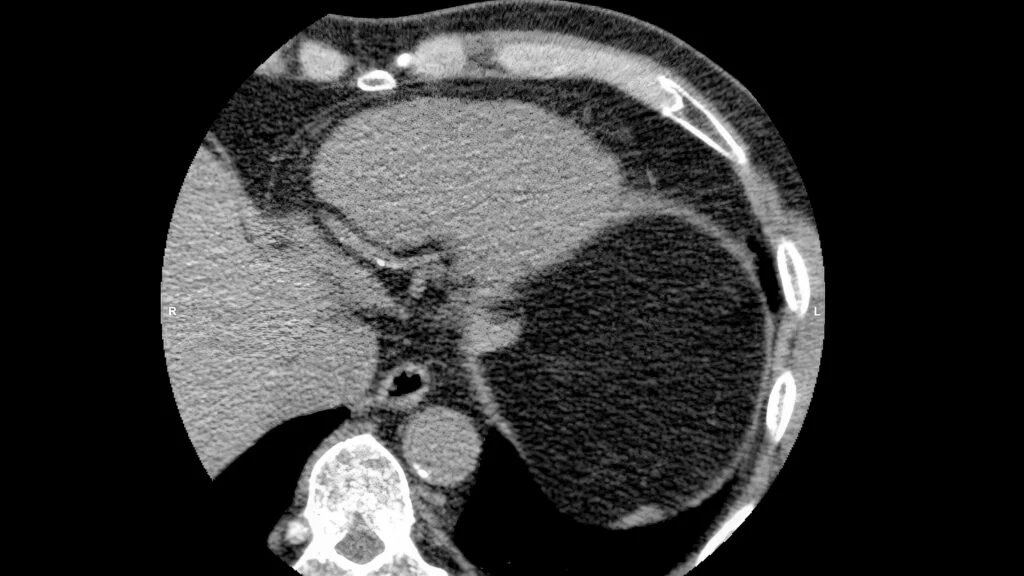
New Research Refines Role of Advanced Imaging in Statin Decisions
n
In the ongoing quest to accurately predict and prevent cardiovascular events like heart attacks and strokes, medical science grapples with a fundamental question: what offers the most valuable insight – a sophisticated numerical risk assessment, a visual image of arterial health, or a combination of both? Two pivotal new trials, building upon a growing body of research, suggest that the answer is nuanced, often depending on the individual patient’s risk profile. While a standard risk calculator serves as the primary tool for most, advanced imaging can act as a crucial "tiebreaker" in borderline cases, refining decisions about life-saving interventions like cholesterol-lowering statins.
n
The debate centers on the newly adopted PREVENT calculator and Coronary Artery Calcium (CAC) scans. Both aim to quantify an individual’s future likelihood of experiencing serious cardiovascular events, thereby guiding clinical decisions regarding preventative treatments. However, the latest findings underscore that while these tools are powerful, their application needs to be strategic and cost-effective, challenging the notion of universal advanced screening as a personalized wellness measure.
n
The Core Question: Navigating Risk Assessment
n
For decades, clinicians have relied on various factors to gauge a patient’s risk of heart disease. The recent introduction of the PREVENT calculator by leading cardiology bodies represents a significant step forward, integrating a broader spectrum of health indicators to provide a more comprehensive risk estimate. Simultaneously, CAC scans, which offer a direct visualization of calcium buildup in the coronary arteries, have gained traction as a tangible, visual marker of atherosclerosis – the underlying disease process. The central question posed by the medical community is how these two distinct approaches best complement each other, especially given the cost implications and accessibility of advanced imaging.
n
New Research Illuminates: A Tailored Approach
n
The two recent studies, published in August in the Journal of the American College of Cardiology (JACC) and JAMA, provide crucial clarity. They analyzed data from over 6,000 individuals aged 45 to 79 over a decade, participants in the Multi-Ethnic Study of Atherosclerosis (MESA). The core finding: while adding CAC to PREVENT modestly improves overall statistical prediction, its real value emerges specifically for patients categorized as having "borderline" or "intermediate" risk by the PREVENT calculator. For these individuals, a CAC scan can significantly reclassify their risk, leading to more informed treatment decisions. Conversely, for the majority of people, the expense and effort of a CAC scan may not alter the clinical recommendation.
n
The PREVENT Calculator: A Comprehensive Numerical Score
n
The PREVENT risk calculator, a cornerstone of guidelines issued earlier this year by the American College of Cardiology (ACC) and the American Heart Association (AHA), is designed to flash warning signals about plaque formation. It relies on readily available information gathered during a routine doctor’s visit, making it an accessible and cost-effective initial screening tool. Its comprehensive algorithm integrates crucial data points including:
n
- n
- Blood pressure: A key indicator of arterial strain.
- Cholesterol levels: Specifically, "bad" LDL cholesterol, a primary driver of plaque.
- Age: A non-modifiable but critical risk factor.
- Family history: Genetic predispositions to heart disease.
- Current illnesses: Including inflammatory diseases, diabetes, kidney disease, cancer, HIV, and certain reproductive conditions, all of which can impact cardiovascular health.
n
n
n
n
n
n
Based on these inputs, PREVENT classifies a patient’s 10-year risk of heart attack or stroke into four categories:
n
- n
- Low: Under 3%
- Borderline: 3% to 5%
- Intermediate: 5% to 10%
- High: 10% or higher
n
n
n
n
n
This numerical estimate forms the foundation for initial discussions about preventive strategies, including lifestyle modifications and, potentially, statin therapy.
n
Coronary Artery Calcium (CAC) Scans: A Tangible Picture
n
CAC scans utilize computed tomography (CT) to detect and quantify calcium deposits in the walls of the coronary arteries. These deposits are a direct indicator of atherosclerosis, the hardening and narrowing of arteries due to plaque buildup. A higher CAC score correlates with a greater burden of arterial plaque and, consequently, a higher risk of future cardiovascular events. CAC scores typically range from 0 to over 1,000, with risk levels escalating:
n
- n
- 0: No detectable calcium, generally indicating a very low risk.
- Under 100: Mild risk.
- Up to 300: Moderate risk.
- Over 300: Severe risk.
n
n
While powerful, CAC-specific scans are not typically covered by insurance and can cost patients between $100 and $400. This cost barrier is a significant consideration when evaluating their widespread use.
The "Tiebreaker" Role: When Pictures Matter Most
The consensus emerging from the latest research is that CAC scans are most impactful when a patient falls into the "borderline" or "intermediate" risk categories as determined by PREVENT. In these scenarios, where the decision to prescribe statins might be unclear, the presence or absence of significant calcium can tip the scales. A high CAC score in a borderline patient might strongly advocate for statin initiation, while a zero score might suggest a lower immediate need for medication, allowing for a focus on intensive lifestyle changes. As Michael Shapiro, a preventive cardiologist at Wake Forest University School of Medicine and co-author of the JACC study, noted, "CAC was most helpful as a tiebreaker when a patient was at borderline risk and the statin decision was unclear."
Incidental Findings: Calcium Hiding in Plain Sight
Intriguingly, the value of calcium imaging isn’t limited to dedicated CAC scans. Research published in Circulation in July revealed that CT scans performed for other medical reasons – such as lung cancer screening or abdominal imaging – can provide equally effective data for predicting coronary heart disease, cardiovascular disease, and 10-year mortality. These "incidental findings" offer a cost-effective alternative, leveraging existing medical procedures to glean crucial cardiovascular health information without additional scans or patient expense. The images, regardless of the original reason for the CT, can clearly reveal calcium deposits stiffening the arteries, a direct sign of worsening plaques fueled by excess fats and "bad" LDL cholesterol.
Chronology: Evolving Guidelines and Research Milestones
The integration of advanced imaging into cardiovascular risk assessment is not a sudden development but rather the culmination of years of research and evolving clinical guidelines. Understanding this trajectory helps contextualize the significance of the latest findings.
Historical Context of Risk Assessment: Beyond Traditional Factors
For decades, cardiovascular risk assessment primarily relied on traditional risk factors such as age, sex, cholesterol levels, blood pressure, smoking status, and diabetes. Tools like the Framingham Risk Score were widely used. However, it became increasingly clear that these traditional factors, while vital, didn’t always capture the full picture of an individual’s atherosclerotic burden. Many patients experiencing heart attacks had "normal" cholesterol levels, prompting a search for more direct measures of subclinical disease.
Previous Research Paving the Way: The Value of CAC
Prior to the recent trials, earlier research had already begun exploring the synergy between traditional risk scores and CAC scans. A 2025 study referenced in the initial article, for instance, found that while risk scores accurately predicted heart attacks, they performed "even better" when combined with CT scans to assess coronary artery calcium. This research laid the groundwork, demonstrating that a "picture" could indeed enhance the "number."
Introduction of PREVENT and Updated Guidelines
A significant milestone was the formal adoption of the PREVENT calculator as the foundation for new guidelines issued earlier this year by the ACC and AHA. These guidelines represented a comprehensive update to previous recommendations (e.g., the 2018 guidelines), broadening the scope of risk factors considered and emphasizing earlier intervention. Crucially, the new guidelines recommend initiating conversations about heart disease prevention, including statin use, as early as age 30, a notable shift from prior recommendations. This proactive stance underscores the importance of identifying precursors to serious cardiovascular events long before they manifest clinically.
The Latest Trials: MESA Study Insights
The two August studies provide the most recent and compelling evidence. Both leveraged data from the Multi-Ethnic Study of Atherosclerosis (MESA), a landmark research initiative that has followed a diverse cohort of over 6,000 individuals for more than a decade. The MESA study’s longitudinal design allowed researchers to observe the predictive power of baseline CAC scores and risk calculator estimates against actual cardiovascular events over a 10-year period.
The study published August 18 in the Journal of the American College of Cardiology (JACC), co-authored by Michael Shapiro, specifically examined whether CAC scores improved predictions beyond PREVENT for all individuals. The JAMA study, published later, conducted a similar analysis but also included a crucial secondary analysis focusing on those in the intermediate or borderline risk categories. It was in this targeted sub-group that the profound impact of CAC in reclassifying risk became evident.
Future Directions: The Promise of AI
Looking ahead, the landscape of cardiovascular screening continues to evolve. Patient interest in CAC scans is growing, partly fueled by the development of artificial intelligence (AI)-based algorithms. These AI tools can automate "opportunistic screening" – identifying calcium deposits from CT scans originally performed for other reasons – a practice that received a nod in the March ACC-AHA guidelines. This suggests a future where advanced imaging data, often already available, could be more systematically leveraged to identify individuals at risk without additional, dedicated scans.
Supporting Data: Delving Deeper into the Evidence
The robust findings from the MESA study provide concrete data points that shape the current understanding of how PREVENT and CAC scans interact.
PREVENT’s Predictive Power: A Multifaceted Approach
The strength of the PREVENT calculator lies in its ability to synthesize a wide array of clinical and historical data into a single, actionable risk score. By incorporating not just traditional metrics like blood pressure and cholesterol but also age, family history, and a growing list of comorbidities (inflammatory disease, diabetes, kidney disease, cancer, HIV, certain reproductive conditions), PREVENT offers a more holistic view of an individual’s cardiovascular vulnerability. This comprehensive approach is designed to catch early warning signs of plaque formation and progression, allowing for timely intervention.
CAC Scores Explained: A Visual Biomarker of Atherosclerosis
The CAC scoring system provides a quantitative measure of calcified plaque in the coronary arteries. A score of 0 signifies no detectable calcium and is associated with a very low 10-year risk of cardiovascular events. As calcium accumulates, the score increases, reflecting a greater burden of atherosclerosis and a progressively higher risk. For instance, a score between 1 and 99 indicates mild plaque, 100-300 moderate, and over 300 severe. These scores are highly correlated with future events, making them a powerful visual biomarker.
Modest Overall Improvement: The Broader Population View
Despite the undeniable link between calcium and heart disease, the two recent trials confirmed that simply adding a CAC scan to every PREVENT assessment only offers a "modest" improvement in statistical prediction across the entire population. Michael Shapiro emphasized this point, stating, "Adding CAC to PREVENT for everybody only modestly improves statistical prediction." This suggests that for many individuals whose risk is clearly low or high based on PREVENT, the additional information from a CAC scan may not significantly alter treatment recommendations.
Significant Reclassification in Borderline/Intermediate Cases: The Targeted Impact
Where CAC truly shines is in refining risk for those in the "borderline" (3-5% 10-year risk) and "intermediate" (5-10% 10-year risk) categories. Nilay Shah, a preventive cardiologist at Northwestern University Feinberg School of Medicine and co-author of the JAMA study, highlighted this crucial finding. "You get a much more substantial, quote, ‘reclassification,’ meaning people who were in the borderline and intermediate risk category, when they got a calcium score," Shah explained. "We much better identified those who had a heart disease event later, within the next 10 years, and we much better identified those who didn’t have a heart disease event in the next 10 years." This reclassification is vital because it moves individuals into categories where statin therapy is more clearly indicated or not, optimizing the benefit-to-risk ratio of treatment.
The "CAC Zero" Caveat: Not a Universal Veto
An important nuance highlighted by the JACC study is that a CAC score of zero, while generally reassuring, should not be used as an absolute veto against statin therapy. Some patients in the study who qualified for statin treatment based on a PREVENT risk of 5% or higher still experienced heart attacks, strokes, or other cardiovascular events, even with a CAC score of zero. This underscores that while calcium is a strong indicator, it’s not the only one, and other risk factors captured by PREVENT can still drive adverse outcomes. As Shapiro cautioned, "CAC zero should not be used as a veto against statin therapy." Instead, CAC "may still help explain risk, improve adherence, and guide how intensive prevention should be, but generally should not be used to avoid treatment."
Cost-Benefit Analysis: Balancing Information and Expense
The cost of CAC scans, typically ranging from $100 to $400 and often not covered by insurance, stands in stark contrast to the PREVENT calculator, which relies on standard information gathered during a routine doctor’s visit at no additional charge. This economic reality plays a significant role in determining when and for whom a CAC scan is truly beneficial. The studies reinforce that widespread, untargeted CAC screening would be a suboptimal use of healthcare resources, given its limited overall predictive improvement.
Role of Incidental CT Findings: Maximizing Existing Data
The finding that calcium scores derived from CT scans performed for other reasons (e.g., chest CTs for lung issues) are just as predictive as dedicated CAC scans is particularly impactful. This "opportunistic screening" approach offers a way to gather vital cardiovascular risk information without incurring additional costs or radiation exposure for the patient. It highlights an untapped potential in existing medical imaging data, allowing clinicians to leverage information that is "hiding in plain sight (almost)" to enhance risk assessment.
Official Responses and Expert Perspectives
The new research has been met with careful consideration by leading cardiologists and health organizations, shaping refined recommendations and informing the ongoing dialogue between patients and their healthcare providers.
Guideline-Centered Role for CAC: Precision in Practice
Michael Shapiro’s perspective aligns with the emerging consensus: CAC scans have a specific, guideline-centered role in the PREVENT era. Their utility is not universal but precise. He emphasizes that CAC helps in "refining risk near the treatment thresholds, helping put absolute risk into context, and informing the intensity of preventive efforts." This means CAC is most valuable when PREVENT indicates a borderline or intermediate risk, and the decision regarding statin initiation is finely balanced. It helps to clarify whether a patient’s underlying atherosclerosis burden truly warrants medication or if aggressive lifestyle changes might suffice initially.
The Clinician’s Dilemma: Balancing Tools and Patient Needs
For clinicians, these findings offer clearer guidance in navigating the complex landscape of cardiovascular risk assessment. They reinforce the PREVENT calculator as the primary screening tool for the general population. However, they also provide a strong rationale for ordering a CAC scan when a patient falls into that "gray area" of borderline or intermediate risk. The challenge lies in communicating this nuance to patients, ensuring they understand when an additional test is truly beneficial versus when it’s unlikely to change their management plan.
Patient Engagement and Tangibility: The Power of a Picture
Nilay Shah touches upon a powerful psychological aspect of CAC scans: their tangible nature. "We can estimate somebody’s risk with a calculator, and you get a number," Shah noted. "Or you can actually see an image of your heart and say, OK, that’s actually what’s going on in my heart. I think that appeals to a lot of people because it’s much more tangible." This "picture" can be a strong motivator for patients, fostering better adherence to lifestyle modifications and prescribed medications. Seeing the actual calcium buildup can transform an abstract risk percentage into a concrete reality, empowering patients to take a more active role in their own prevention.
Harlan Krumholz’s Insights: Distinguishing Value
Harlan Krumholz, a cardiologist and health outcomes researcher at Yale University not involved in the studies, offers a crucial distinction: "I would distinguish the value of ordering the test from the value of knowing the result." He suggests that while these studies help clinicians be more disciplined about when to order CAC solely to resolve a treatment decision, patients may still find value in knowing their calcium score, even if it doesn’t change a statin decision. This knowledge can influence how they perceive their risk and their commitment to preventive measures. If a patient already has a calcium score, Krumholz asserts it "should be incorporated into their risk assessment," regardless of how it was obtained.
ACC-AHA Recommendations: Evolving Guidelines for Statins
The American College of Cardiology and American Heart Association guidelines reflect these evolving insights. They explicitly recommend using incidental calcium findings from other CT scans to inform decisions on statins for specific populations: men aged 40 and up and women aged 45 and up who are living with borderline or intermediate 10-year risk of heart attack or stroke. This is a significant update from the 2018 guidelines, which had only suggested CAC for people at intermediate risk. The expanded recommendation highlights the growing recognition of calcium’s utility in a broader, though still targeted, patient population. Furthermore, the guidelines’ push for earlier conversations about heart disease prevention, starting as early as age 30, signals a paradigm shift towards proactive, lifelong cardiovascular health management.
Implications: Charting the Course for Cardiovascular Prevention
The ongoing research and refined guidelines have profound implications for how cardiovascular disease prevention will be practiced and perceived in the coming years.
Personalized Medicine vs. Population Health: A Balanced Approach
The findings underscore the delicate balance between personalized medicine and population health strategies. While the PREVENT calculator serves as an excellent, cost-effective tool for broad population screening, CAC scans represent a more personalized approach, offering deeper insight for specific individuals. The challenge lies in integrating these two strategies effectively, ensuring that advanced, more expensive tests are reserved for those who will benefit most, thereby optimizing resource allocation without compromising individualized care. This balanced approach ensures that foundational prevention efforts reach everyone, while targeted interventions are available for those who need them most.
Informed Decision-Making: Empowering Patients and Doctors
Ultimately, the goal of these tools and guidelines is to facilitate more informed decision-making. For doctors, it provides clearer criteria for when to consider a CAC scan, moving beyond a blanket recommendation to a more precise, risk-stratified approach. For patients, it offers a deeper understanding of their individual risk, whether through a numerical score, a visual image, or both. This transparency and personalized information can empower patients to engage more actively in their health, fostering greater adherence to lifestyle changes, dietary recommendations, and prescribed medications. The conversation between doctor and patient, starting earlier and supported by robust data, becomes the cornerstone of effective prevention.
The Role of Statins: Cornerstone of Prevention
The discussion around PREVENT and CAC scans invariably leads back to statins – the well-established and affordable medications that can significantly lower cholesterol and, consequently, cardiovascular disease risk. The research does not diminish the importance of statins; rather, it refines the process of identifying who would benefit most from them. For individuals at intermediate or high risk, statins remain a crucial intervention. Even for those with a CAC score of zero, if their PREVENT risk is sufficiently high, statins may still be indicated, highlighting that no single test provides a complete picture, and a holistic assessment is paramount. The guidelines’ emphasis on starting these conversations as early as age 30 further solidifies statins’ role in early and sustained prevention.
The Future of Screening: AI and Beyond
The mention of artificial intelligence-based algorithms for opportunistic screening points towards a future where diagnostic tools are seamlessly integrated into routine medical care. As AI advances, it could potentially identify incidental calcium findings from a wider range of CT scans with greater accuracy and efficiency, automatically flagging patients who might benefit from further cardiovascular risk assessment. This could lead to a more proactive and less invasive screening paradigm, maximizing the value of existing medical data. Furthermore, ongoing research into new biomarkers and imaging techniques will continue to refine our ability to predict and prevent heart disease, moving towards an era of even greater precision.
Beyond the Numbers and Pictures: A Holistic Approach
While numbers and pictures provide invaluable data, the broader context of cardiovascular prevention remains rooted in a holistic approach. Lifestyle factors – diet, exercise, smoking cessation, stress management – are fundamental. Early and consistent conversations between patients and their healthcare providers, guided by tools like PREVENT and judicious use of CAC, are essential. The ultimate aim is not just to predict disease, but to prevent it, ensuring healthier, longer lives for individuals and reducing the burden of cardiovascular disease on society. The journey towards optimal heart health is a continuous dialogue, informed by the best available science and tailored to the unique needs of each patient.

