
A comprehensive new analysis from KFF (formerly the Kaiser Family Foundation) has unveiled a stark reality for LGBTQ+ adults in the United States: despite the community’s growth, systemic barriers to health care access and affordability are intensifying. The report, based on the KFF Survey of Health Status and Caregiving, highlights a landscape where LGBTQ+ individuals—particularly transgender adults and queer women—are significantly more likely than their non-LGBTQ+ peers to skip essential medical care due to costs, face insurance denials, and sacrifice basic necessities to pay medical bills.
n
Main Facts: A Widening Gap in Health Equity
n
The findings of the KFF study paint a troubling picture of the "affordability gap" in American medicine. While the LGBTQ+ population continues to grow as a share of the U.S. demographic, their ability to navigate the health care system has not kept pace with their visibility.
n
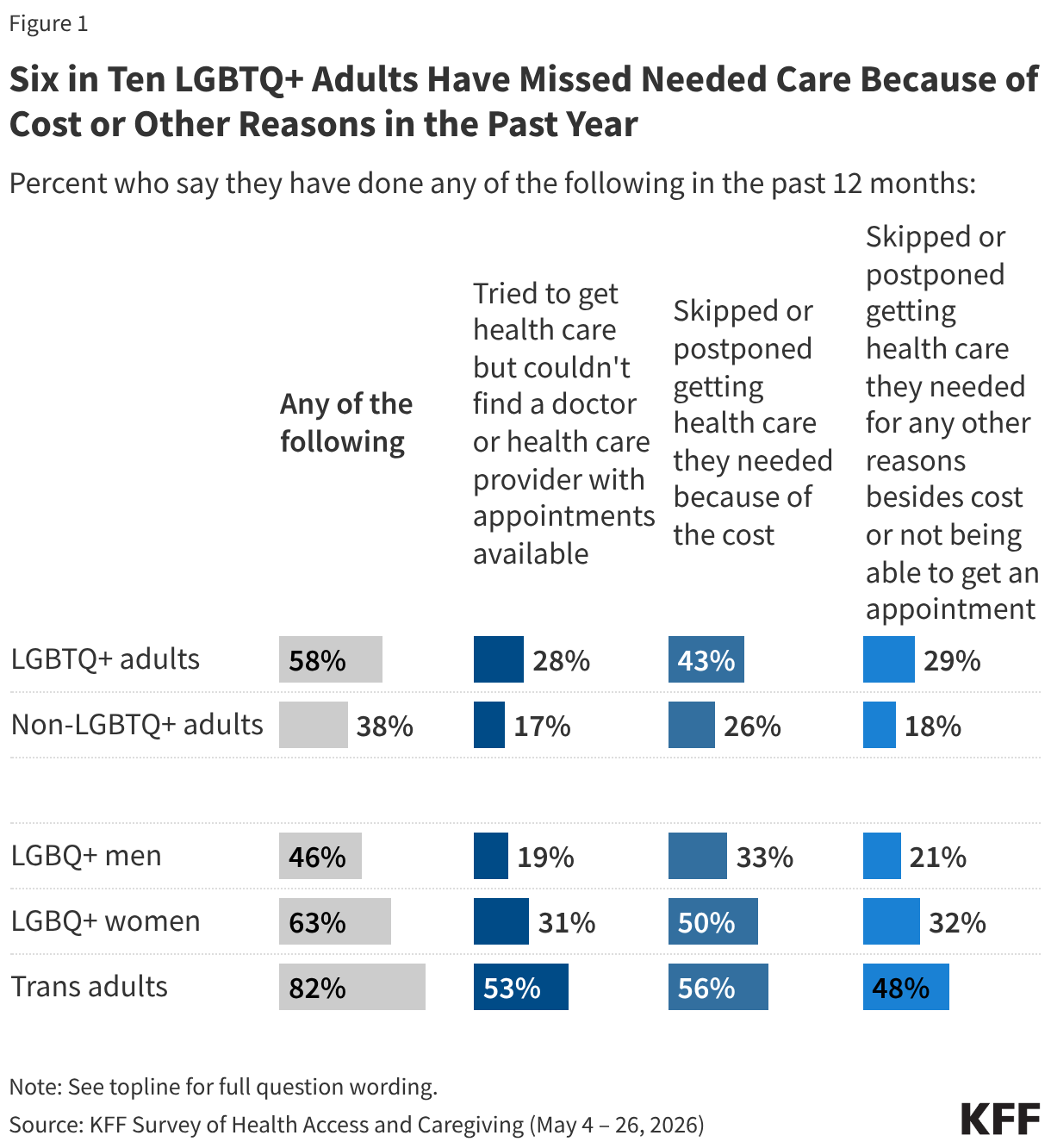
According to the data, 58% of LGBTQ+ adults reported skipping or postponing needed health care within the past year. This is a dramatic increase compared to the 38% of non-LGBTQ+ adults who reported similar delays. When the data is disaggregated, the numbers become even more alarming: 82% of transgender adults reported putting off care.
n
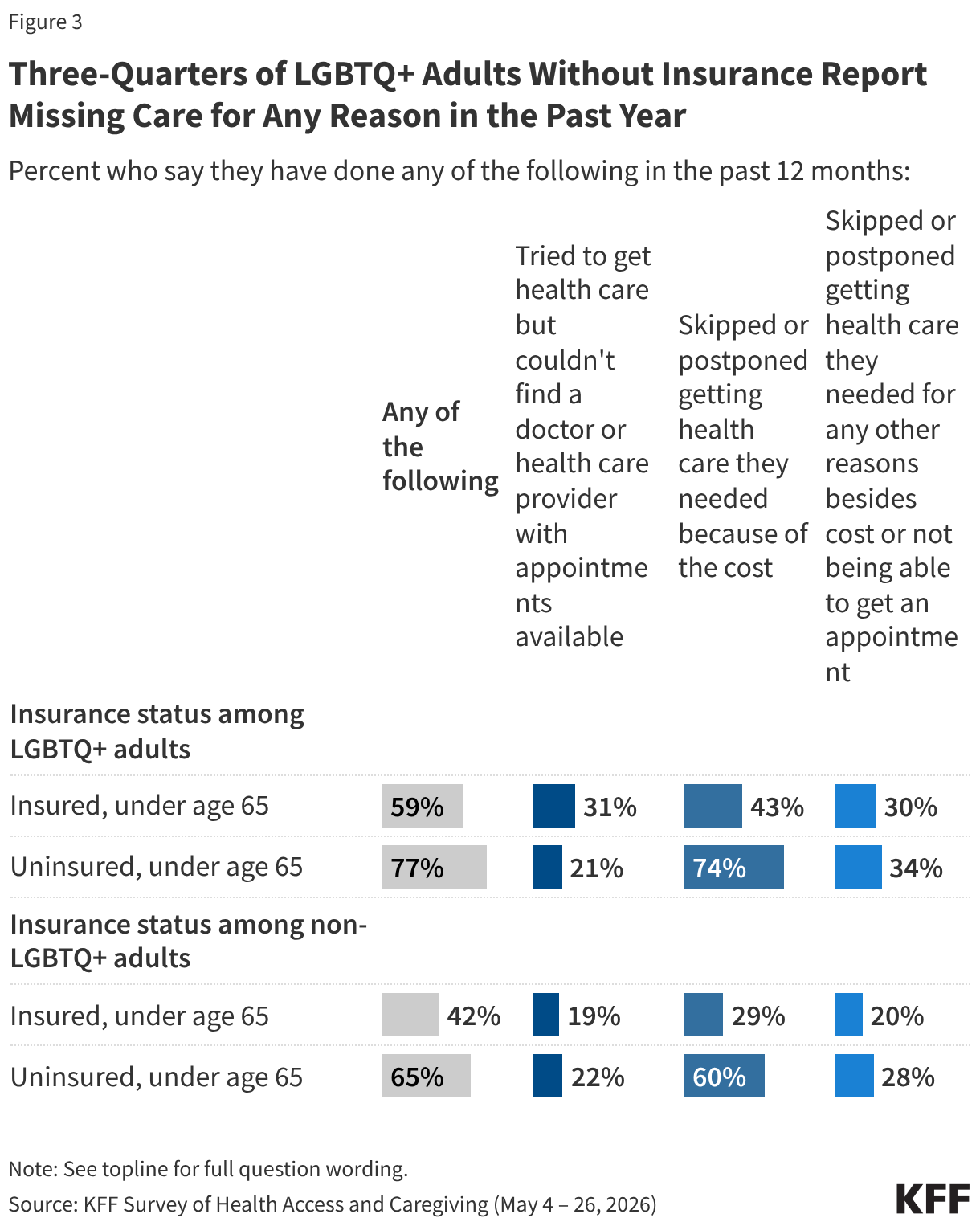
The primary drivers for these delays are multifaceted, yet cost remains the most significant hurdle. Forty-three percent of LGBTQ+ adults cited expense as the reason for avoiding care, nearly double the rate of non-LGBTQ+ adults (26%). Beyond finances, the inability to secure an appointment (28%) and "other reasons"—which often include fear of discrimination or lack of provider competency—account for significant shares of the disparity.
n
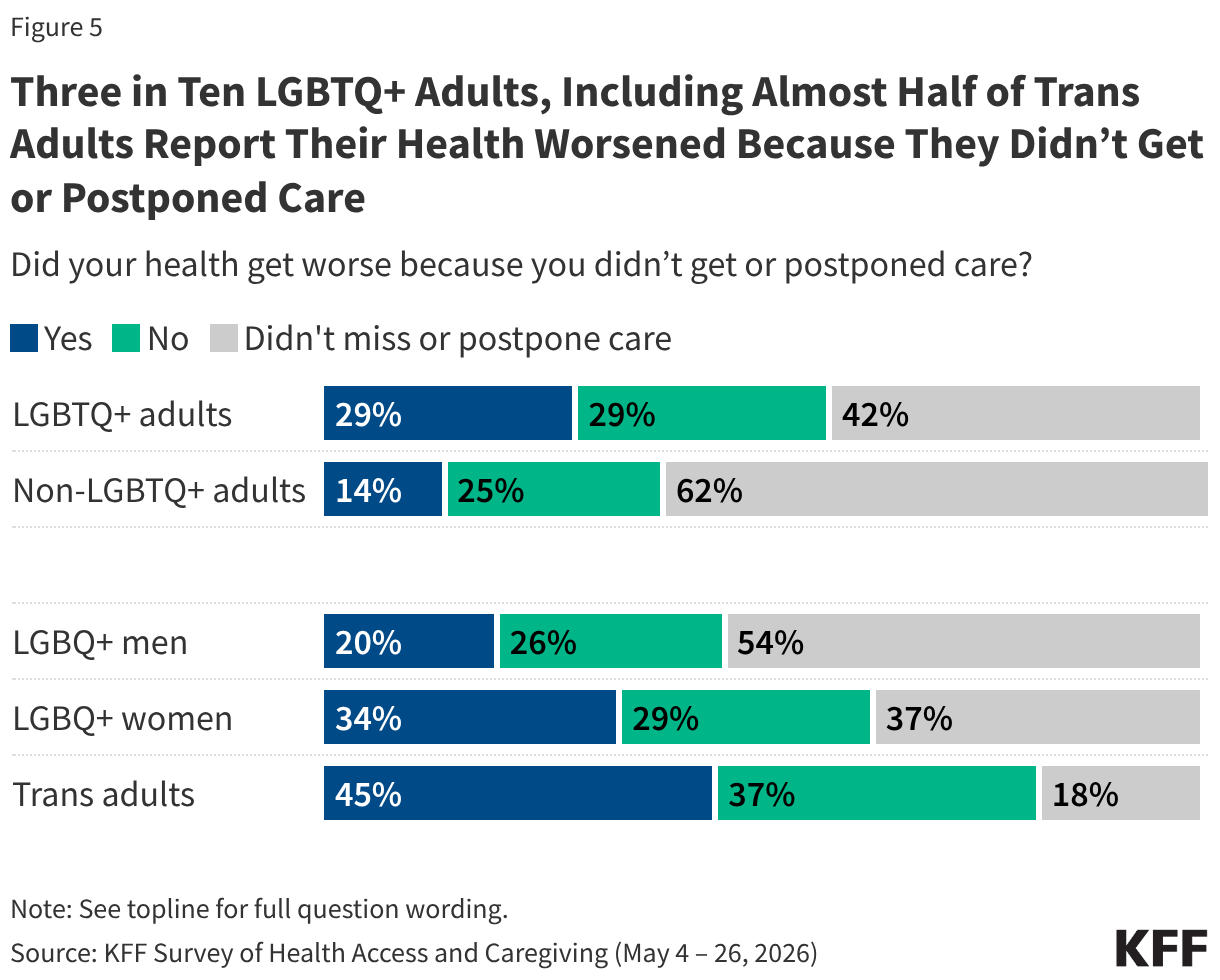
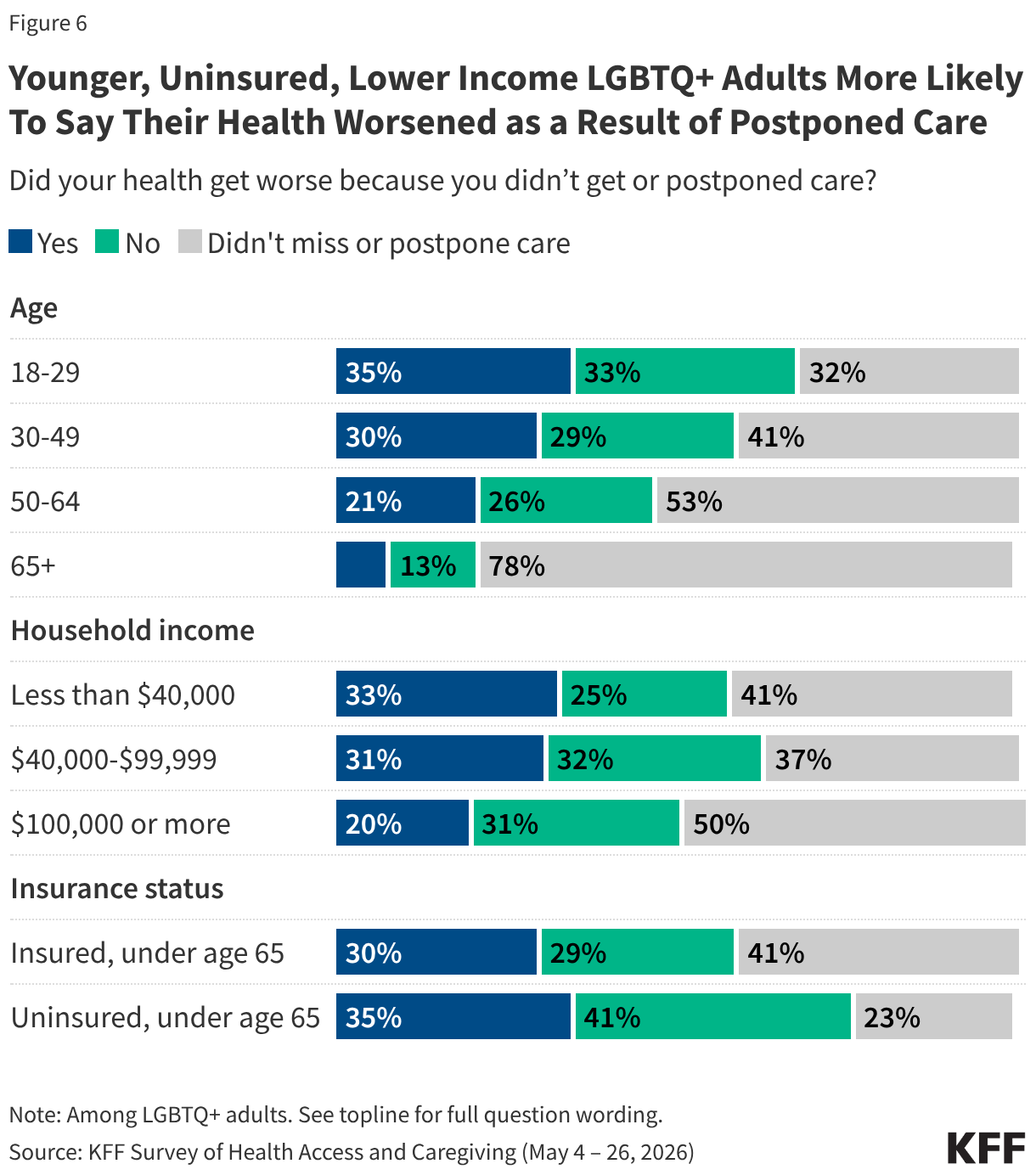
Perhaps most critically, these delays are not without consequence. Three in ten LGBTQ+ adults (29%) reported that their health worsened specifically because they postponed care. Among transgender adults, nearly half (45%) saw their physical or mental wellbeing deteriorate as a direct result of being unable to access timely medical intervention.
n
Chronology: The Historical Context of LGBTQ+ Health Disparities
n
The current crisis does not exist in a vacuum. Historically, LGBTQ+ individuals have faced a tiered system of health care characterized by exclusion and marginalization.
n
In the late 20th century, the LGBTQ+ community’s interaction with the medical establishment was largely defined by the HIV/AIDS epidemic and the classification of gender identity and sexual orientation as psychological disorders. While the 21st century brought the de-pathologization of these identities and the expansion of the Affordable Care Act (ACA), the KFF report suggests that structural inequalities remain deeply embedded.
n
Recent years have seen a surge in LGBTQ+ identification, particularly among younger generations. However, this growth has coincided with a volatile political and legislative environment regarding LGBTQ+ rights, especially gender-affirming care. The KFF survey, conducted in May 2026, reflects a contemporary era where despite broader insurance coverage, the "quality" of access remains precarious.
n
The data indicates that even when controlling for race, age, and income, the LGBTQ+ identity itself remains a predictor for health care barriers. This suggests that the progress made over the last decade in coverage expansion has not yet addressed the unique socio-economic and discriminatory pressures that keep the community from achieving health parity.
n
Supporting Data: The Intersectional Reality of the LGBTQ+ Experience
n
To understand why these disparities persist, it is essential to look at the demographic and socioeconomic makeup of the community. The LGBTQ+ population is not a monolith; the KFF analysis utilized a robust sample of 2,640 LGBTQ+ adults to examine the nuances within the community.
n
The Transgender Experience
n
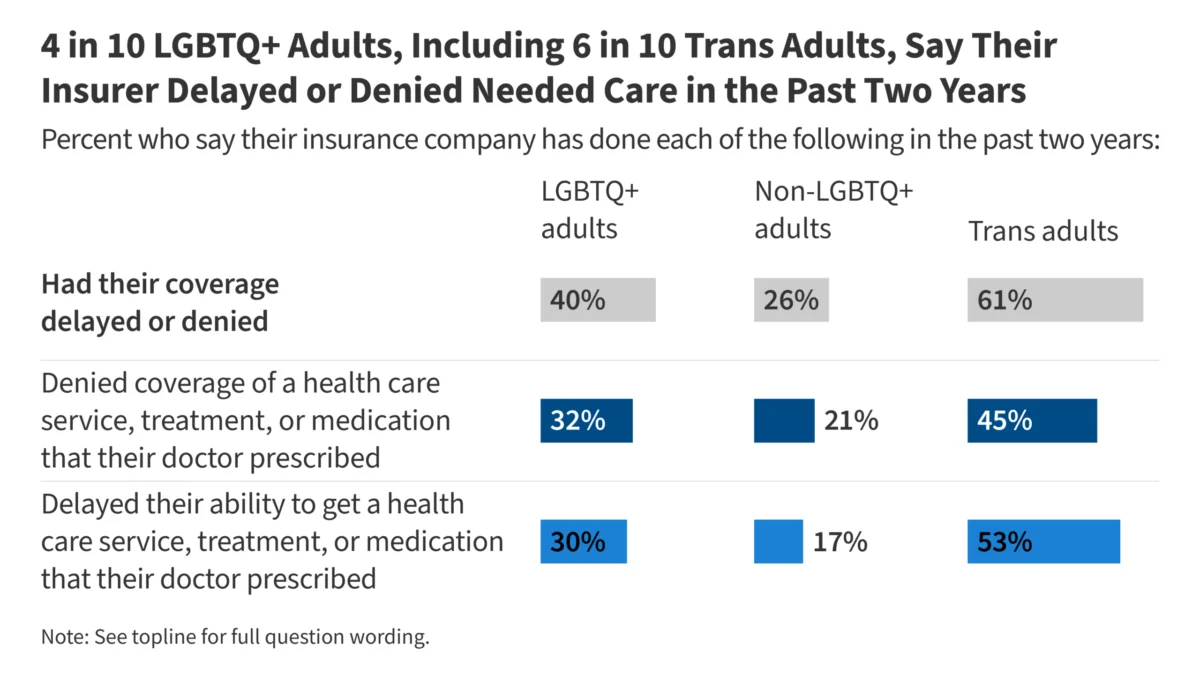
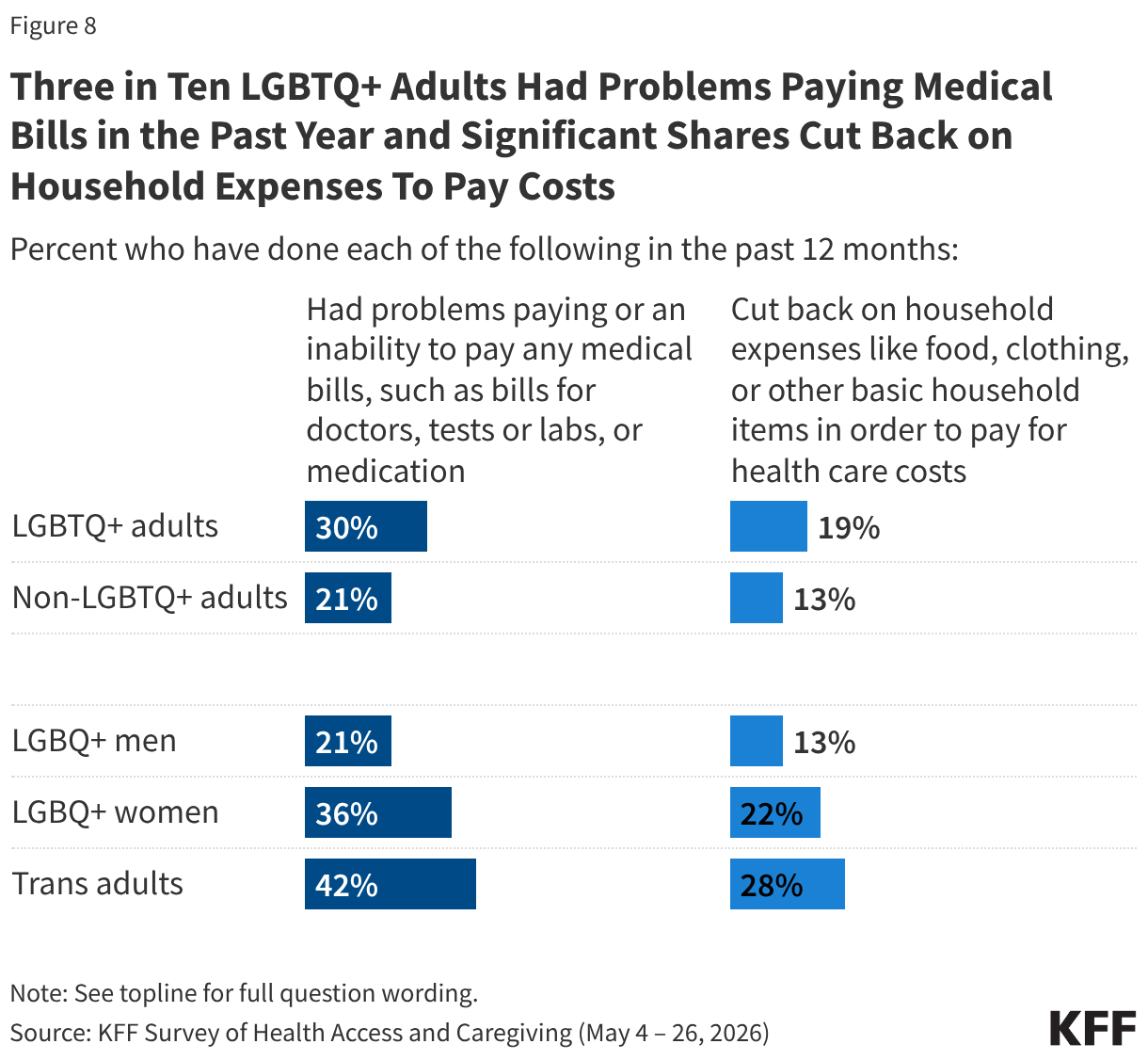
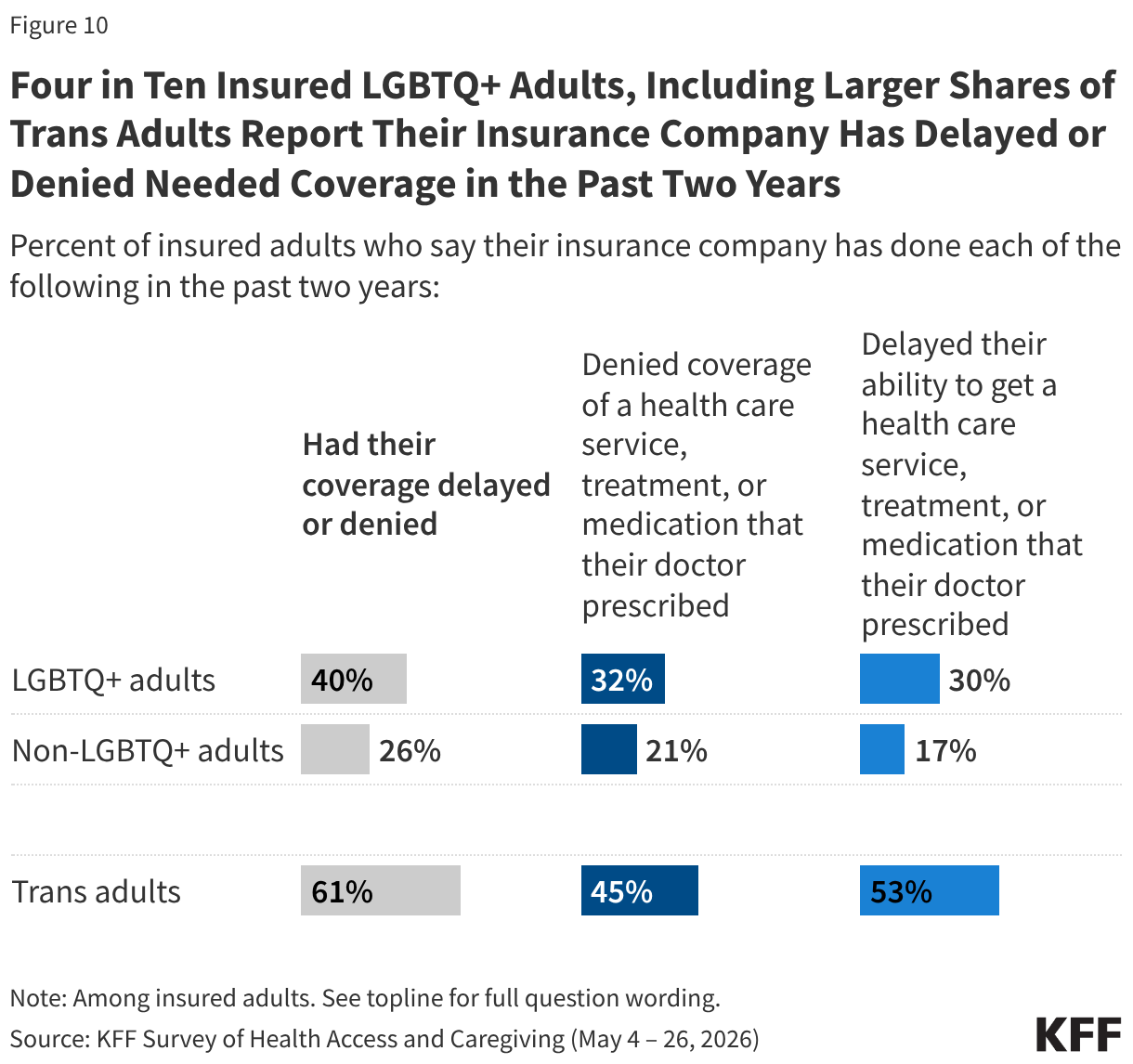
Transgender adults face the most severe obstacles. The data shows that 61% of insured trans adults have experienced a delay or denial of coverage from their insurance provider in the past two years. Furthermore, 42% reported problems paying medical bills, and 28% had to cut back on household essentials like food and clothing to cover health care costs.
n
Gender and Sexual Orientation
n
The survey revealed significant differences between LGBQ+ women and men. Sixty-three percent of LGBQ+ women reported skipping or postponing care, compared to 46% of LGBQ+ men. Women in the community were also more likely to report that their health worsened due to these delays (34% vs. 20%).
n
The Age and Income Factor
n
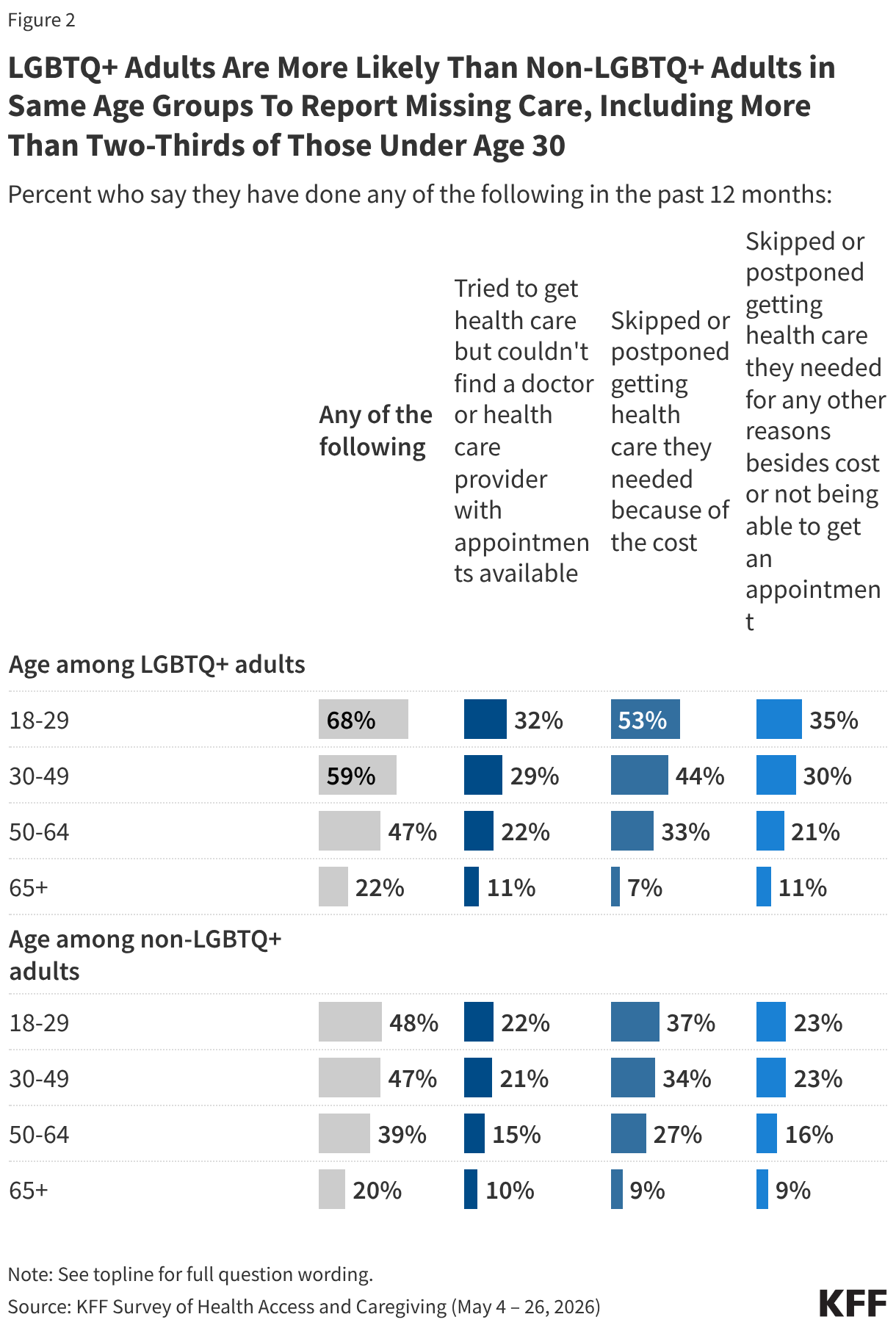
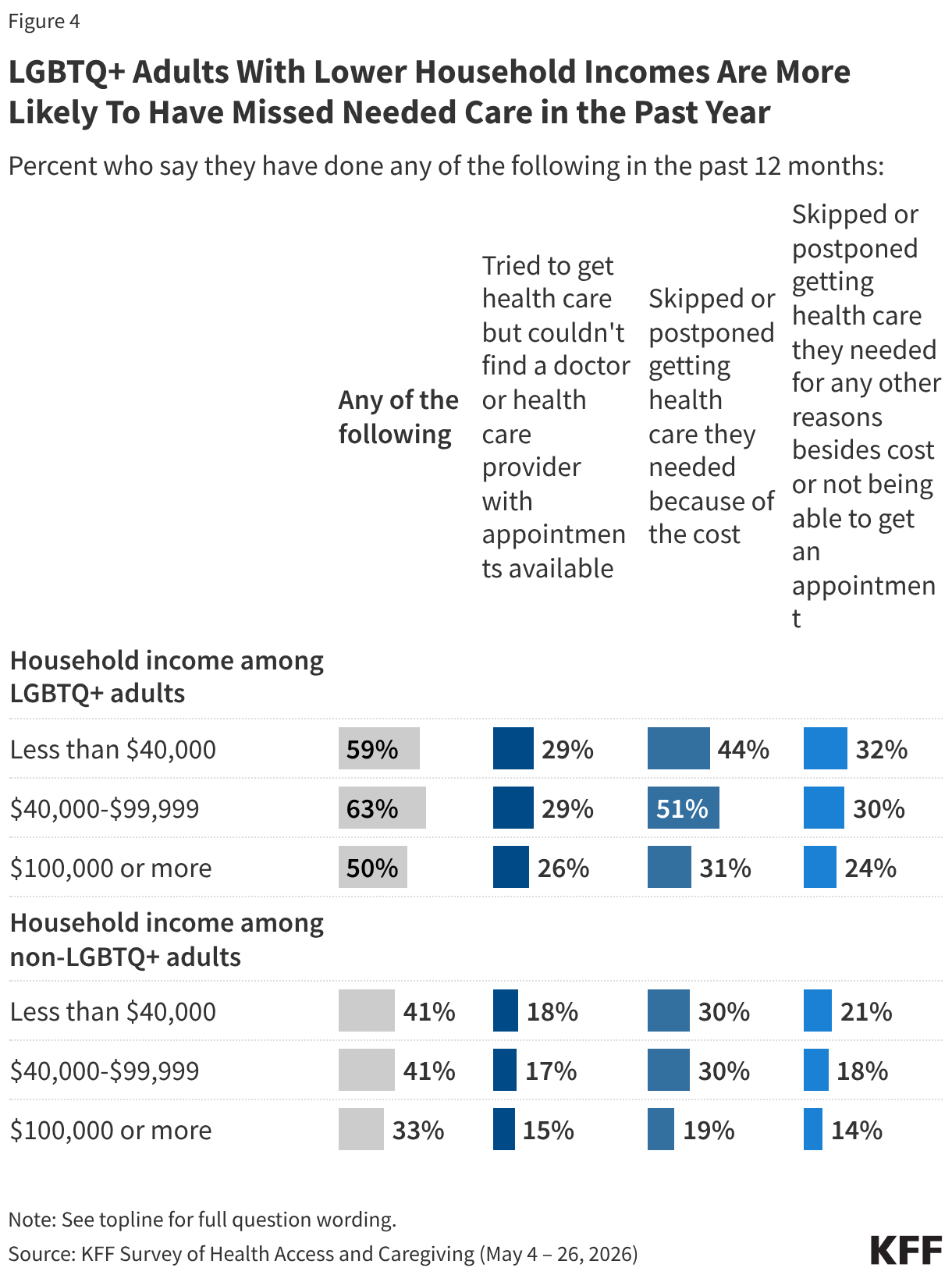
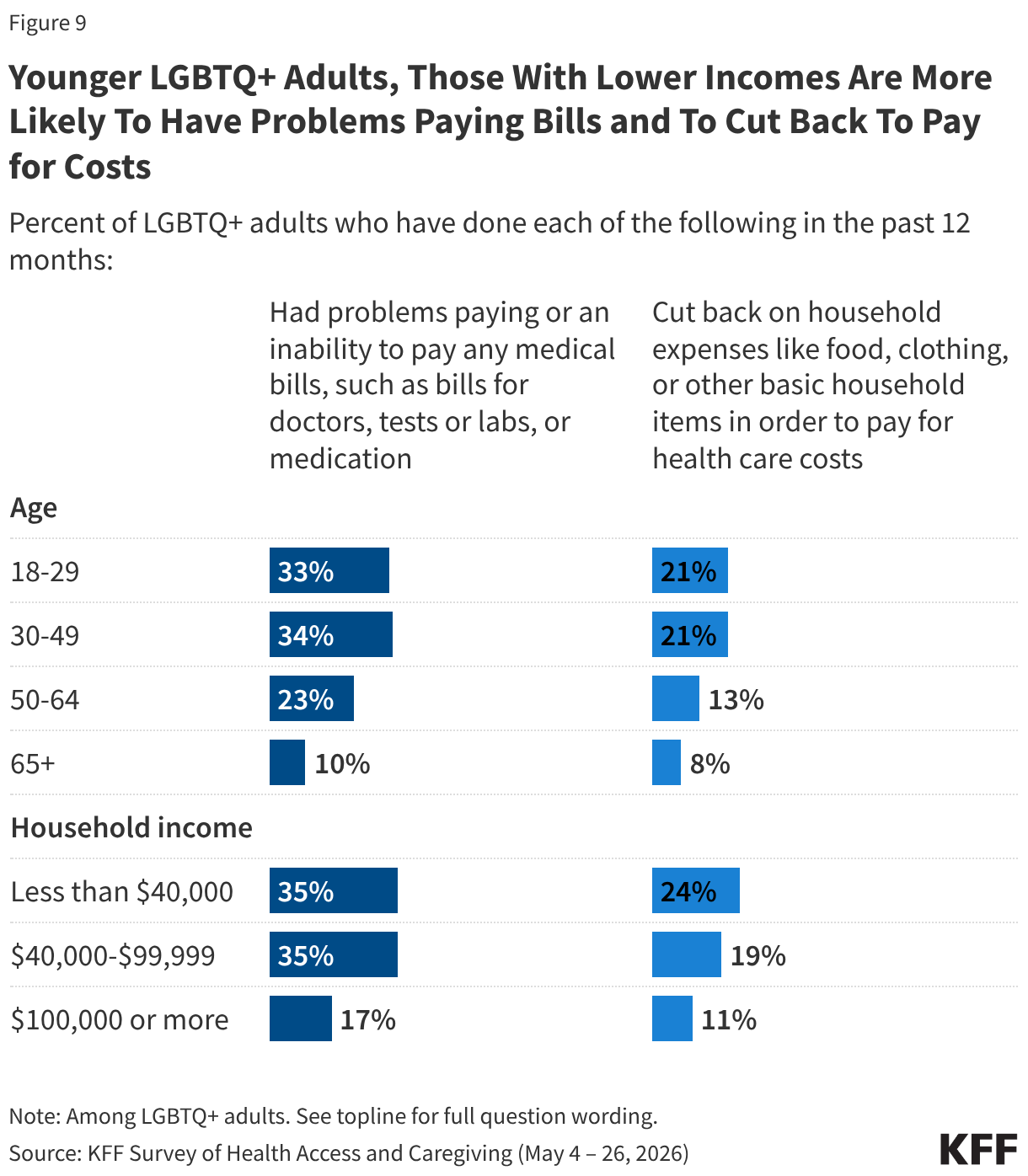
Age plays a pivotal role in these disparities. LGBTQ+ adults under 30 are twenty percentage points more likely to put off care than their non-LGBTQ+ counterparts in the same age bracket. This is often tied to income; LGBTQ+ adults are more likely to have household incomes under $40,000.
n
Among those earning less than $40,000 annually, 59% skipped care. However, even high earners are not immune: LGBTQ+ adults making over $100,000 a year were still more likely to delay care than non-LGBTQ+ individuals in the same income tier, highlighting that the issue is not purely financial but also systemic.
n
Prescription Medication and Basic Necessities
n
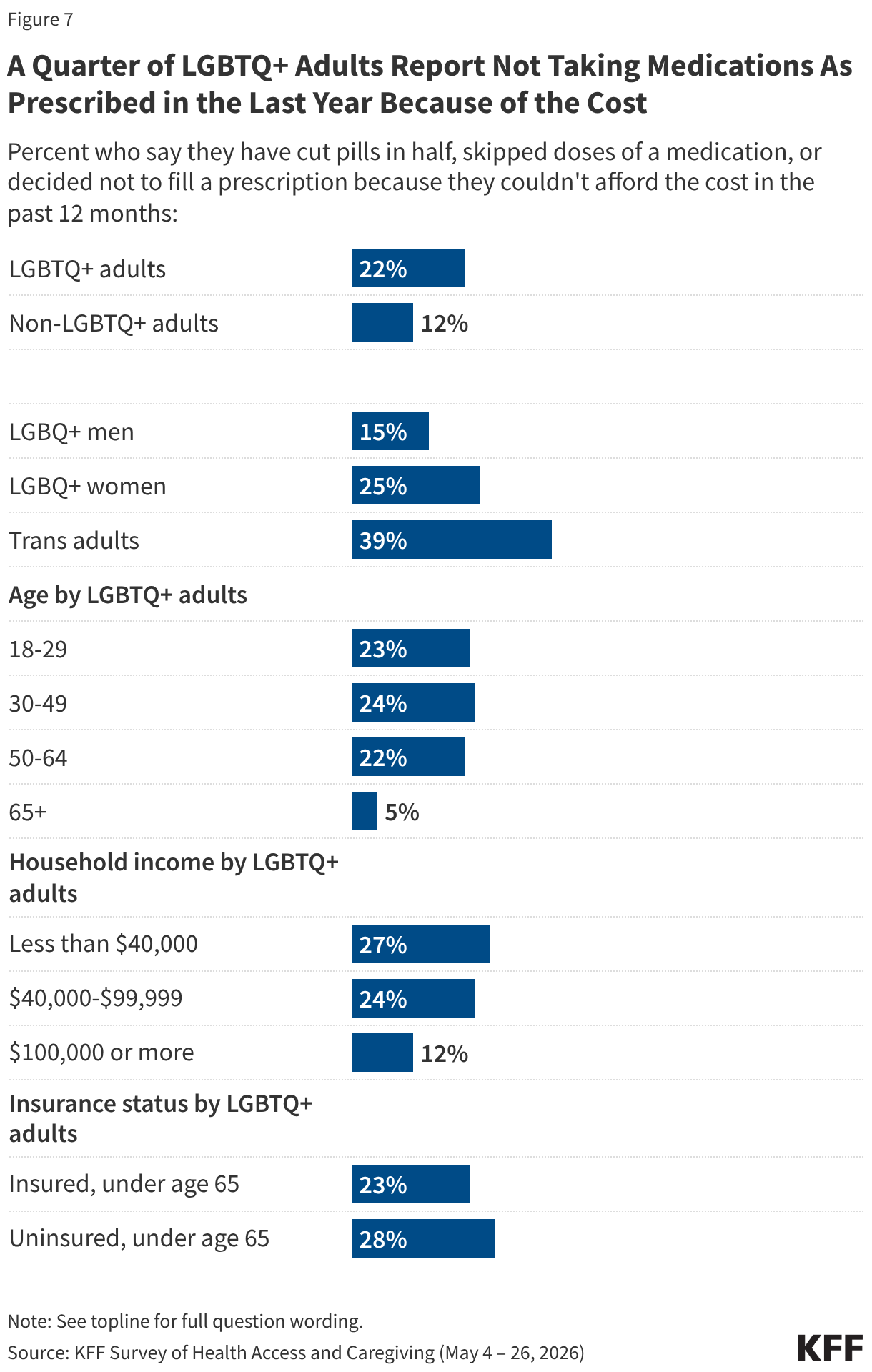
The financial strain of health care extends to the pharmacy counter. Twenty-two percent of LGBTQ+ adults—and 39% of trans adults—reported non-compliance with prescriptions due to cost. This includes cutting pills in half, skipping doses, or failing to fill prescriptions entirely.
n
The "trade-off" phenomenon is also prevalent. Nineteen percent of LGBTQ+ adults reported cutting back on food, clothing, or other basic household items to afford medical care. For the transgender community, this figure rises to nearly one in three.
n
Official Responses and Institutional Barriers
n
While the KFF report serves as an objective data set, the implications have drawn attention from health policy experts and advocacy groups. The high rate of insurance denials and delays is a primary point of contention.
n
Insurance Denials
n
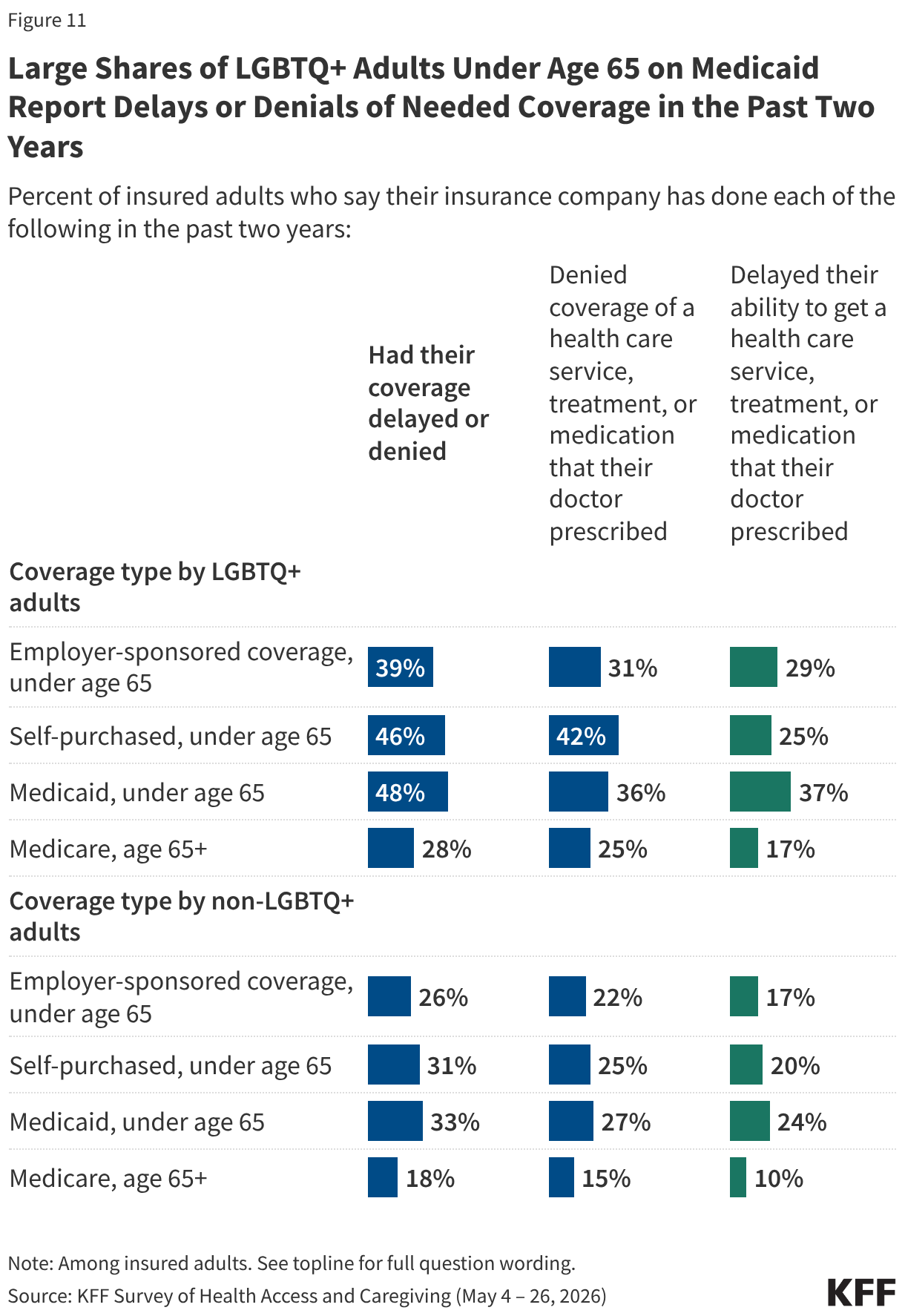
The report found that 32% of insured LGBTQ+ adults had a service or medication denied by their insurer in the past two years. This rate is significantly higher for those on Medicaid (48%) and those with self-purchased plans (46%). Health advocates argue that these denials often target specific treatments necessary for the LGBTQ+ community, such as gender-affirming care or specialized mental health services, which are frequently subjected to rigorous "prior authorization" hurdles.
n
Provider Competency
n
A recurring theme in LGBTQ+ health discourse, supported by the KFF findings, is the lack of trained providers. The fact that 53% of trans adults could not find a doctor with available appointments—or one who was educated in their specific health needs—indicates a failure in medical education and network adequacy.
n
Institutional responses have been mixed. While some states have moved to mandate "cultural competency" training for providers and prohibit discrimination in insurance, others have introduced legislation that restricts the very types of care the LGBTQ+ community requires. This patchwork of protections contributes to the "delay and skip" culture identified in the survey.
Implications: The Long-term Cost of Inequity
The KFF report’s findings have profound implications for the future of public health in the United States.
1. The Public Health Burden
When 29% of a growing population reports that their health is worsening due to delayed care, the long-term result is a higher burden on the emergency medical system. Untreated chronic conditions, worsened by skipped medications and missed screenings, eventually manifest as acute crises that are more expensive to treat and have poorer outcomes.
2. Economic Instability
The "choice" between health care and food is a driver of poverty. As LGBTQ+ adults—who already trend toward lower income brackets—sacrifice their financial stability to pay for medical bills, the cycle of economic marginalization is reinforced. This has a ripple effect on housing stability, food security, and overall economic mobility.
3. Mental Health and Wellbeing
The intersection of financial stress and health deterioration is a known catalyst for mental health crises. For a community that already faces higher rates of depression and anxiety due to societal stigma, the added layer of medical disenfranchisement creates a compounding trauma.
4. Policy Imperatives
The data suggests that simply "having insurance" is not enough. The high rates of denials and delays among the insured indicate that policy focus must shift from coverage to utilization. This includes stricter oversight of insurance denial practices, better integration of LGBTQ-competent care into Medicaid and employer-sponsored plans, and federal protections that ensure medical necessity is determined by doctors rather than insurers.
In conclusion, the KFF survey serves as a clarion call for a more inclusive approach to health care. As the LGBTQ+ community continues to be a vibrant and growing part of the American fabric, the barriers to their physical and financial health represent a significant failure in the promise of equitable health care for all. Without targeted interventions to lower costs, improve provider education, and streamline insurance approvals, the "health gap" will only continue to widen, with devastating consequences for millions of Americans.

