
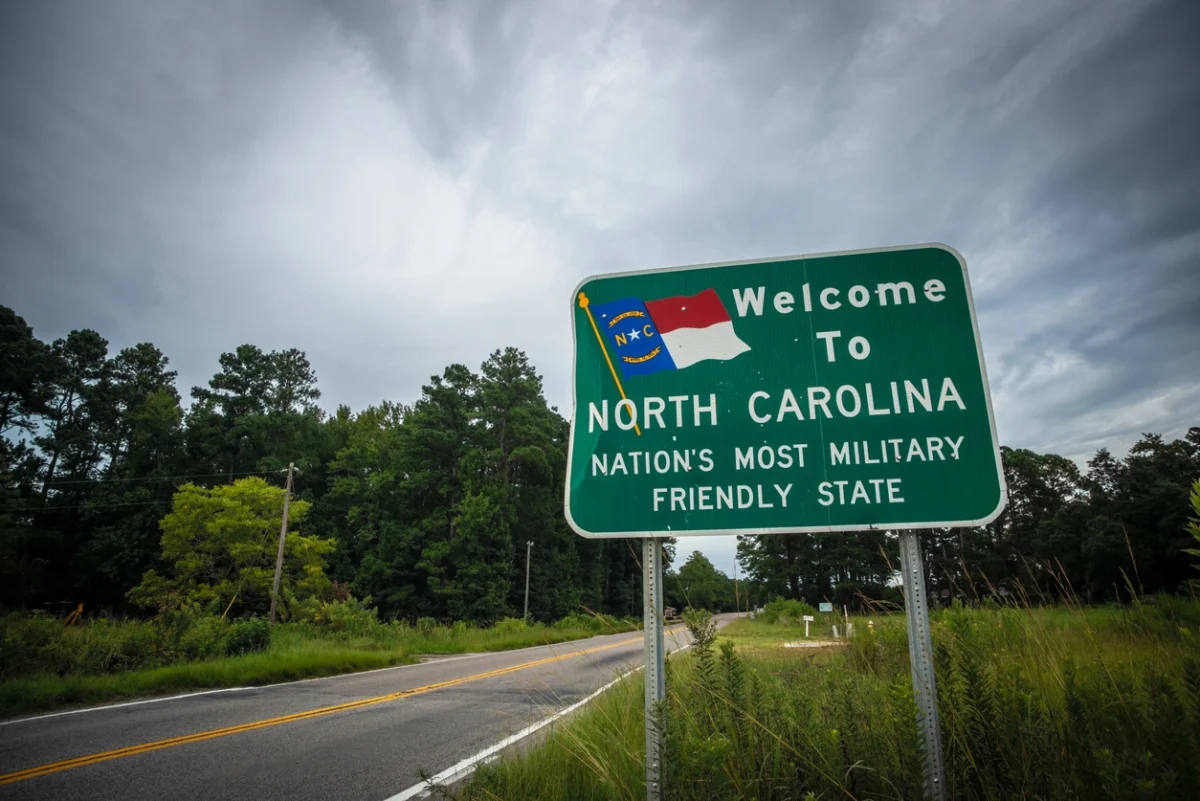
The Camp Lejeune water contamination crisis represents a tragic chapter in American history, profoundly impacting the lives of hundreds of thousands of military personnel, their families, and civilians who lived and worked at the Marine Corps Base Camp Lejeune in North Carolina. For decades, these individuals were unknowingly exposed to a hazardous cocktail of toxic chemicals in their drinking water, leading to a myriad of severe health conditions. The ongoing legal struggle for accountability and compensation, widely known as the Camp Lejeune lawsuit, has been a long and arduous journey for the victims. This article delves into the critical background, devastating health consequences, specific toxic substances involved, the legal actions undertaken, and recent developments in this landmark case, underscoring the immense human cost and the relentless fight for justice that persists today.
n
A Quick Overview of the Camp Lejeune Water Contamination Case
n
The Camp Lejeune water contamination saga revolves around the exposure of an estimated one million individuals to dangerously polluted drinking water between 1953 and 1987. During this 34-year period, water treatment plants serving the base delivered water tainted with volatile organic compounds (VOCs) such as trichloroethylene (TCE) and tetrachloroethylene (PCE). These contaminants originated from various sources, including industrial degreasers, dry cleaning solvents, and leaking fuel storage tanks.
n
The health repercussions have been extensive, linking exposure to a range of severe illnesses, including numerous cancers, birth defects, and neurological disorders. After years of advocacy by victims and their families, the Camp Lejeune Justice Act of 2022 was signed into law, providing a crucial pathway for affected individuals to seek reparations from the U.S. government through the federal court system. This legislative act has opened the door for administrative claims and lawsuits, marking a significant step toward acknowledging the harm caused and providing a mechanism for compensation.
n
Background on Camp Lejeune Water Contamination
n
Camp Lejeune, a sprawling 250-square-mile Marine Corps base nestled in Onslow County, North Carolina, was established in 1942. Its primary role has been a vital training facility and military operations center for the U.S. Marine Corps and other branches of the armed forces, playing a critical role in national defense. However, beneath its operational importance lay a hidden tragedy that would unfold over decades.
n
Between August 1, 1953, and December 31, 1987, the water supply system at Camp Lejeune became severely contaminated with toxic chemicals. This prolonged period of exposure affected an estimated one million individuals, encompassing military service members, their dependent families, and civilian workers who resided at or were otherwise associated with the base. The contamination went largely unaddressed for years, leaving a legacy of illness and suffering.
n
Timeline of Events
n
The insidious contamination of Camp Lejeune’s water supply can be chronologically traced, revealing a concerning pattern of events:
n
- n
- 1953: The initial contamination began, primarily at Hadnot Point, one of the base’s major water treatment plants. Fuel leaks from underground storage tanks and improper waste disposal sites were identified as early sources polluting the water.
- Mid-1950s: A nearby off-base dry cleaning operation, One Hour Dry Cleaner, began using tetrachloroethylene (PCE), a potent dry cleaning solvent. Improper disposal practices led to this chemical seeping into the groundwater and subsequently contaminating wells supplying the Tarawa Terrace water treatment plant, another critical water source for the base.
- 1980s: Mounting environmental concerns and evolving regulations prompted the Marine Corps to initiate testing of its water systems.
- 1982: Tests conducted by the Marine Corps on the two primary water treatment facilities, Hadnot Point and Tarawa Terrace, revealed alarmingly elevated levels of toxic chemicals. These included PCE and trichloroethylene (TCE), along with other volatile organic compounds. The levels detected far exceeded safety standards.
- 1985: Despite the discovery of these dangerous contaminants in 1982, the majority of the most heavily contaminated wells were not officially closed until 1985. This delay meant continued exposure for thousands of residents and workers.
- 1989: Camp Lejeune was designated as a Superfund site by the Environmental Protection Agency (EPA), acknowledging the severe environmental contamination and initiating long-term remediation efforts.
- Late 1990s – Early 2000s: The Agency for Toxic Substances and Disease Registry (ATSDR), a federal public health agency, began conducting comprehensive health studies and assessments to understand the scope and impact of the contamination.
- 2007: An ATSDR report revealed that up to 950,000 people may have been exposed to carcinogens in the water supply at Camp Lejeune during the 1953-1987 period, solidifying the scale of the public health crisis.
- 2012: The Honoring America’s Veterans and Caring for Camp Lejeune Families Act of 2012 (often referred to as the "Janey Ensminger Act" after a victim) was signed into law, providing healthcare benefits to veterans and their families affected by the contamination for certain presumptive conditions.
- 2022: The Camp Lejeune Justice Act (CLJA) was passed as part of the Honoring Our Promise to Address Comprehensive Toxics (PACT) Act. This landmark legislation granted individuals who lived or worked at Camp Lejeune during the contamination period the right to file lawsuits against the U.S. government for harm suffered.
n
n
n
n
n
n
n
n
n
n
n
The investigation into the contaminated water at Camp Lejeune has been a prolonged process, marked by the base’s designation as a Superfund site and subsequent testing and remediation efforts carried out by the U.S. Navy in collaboration with the EPA. These efforts continue to this day, though the focus has largely shifted to addressing the human toll.
n
Affected Population – Camp Lejeune Victims
n
The demographic breadth of the Camp Lejeune water contamination crisis is vast, encompassing a diverse group of individuals: military personnel, their families (including spouses and children), civilian employees, and contractors who resided or worked at the base between 1953 and 1987. The sheer volume of individuals affected, estimated at over one million, underscores the magnitude of this public health disaster.
n
Veterans and their family members who lived on the base during the specified period are considered among the most significantly impacted, given their direct residency and consistent exposure to the contaminated water for extended durations. Similarly, contractors and other personnel providing essential services on the Marine base were also exposed, often without their knowledge.
n
A particular concern centers around pregnant women who resided at Camp Lejeune during the contamination period. Studies have critically highlighted that maternal exposure to the contaminated water has been linked to a significantly higher incidence of neural tube congenital disabilities, such as spina bifida, in their offspring. The estimated range of pregnant women who resided at Camp Lejeune during this period is between 20,000 and 30,000, pointing to a potential generational impact of the contamination. The vulnerability of developing fetuses to these toxins has added another layer of tragedy to the crisis.
n
Health Impacts of Contaminated Water
n
The toxic chemicals identified in Camp Lejeune’s water supply have been definitively linked to a wide array of severe health conditions. These include numerous forms of cancer, devastating birth defects, significant reproductive issues, and other serious, often debilitating, health problems. The long-term, chronic exposure to these potent toxic substances has led to life-threatening illnesses for many, emphasizing the critical urgency for comprehensive justice and adequate compensation for the victims.
n
Cancer Risks
n
Extensive research and epidemiological studies have consistently demonstrated that exposure to the toxic substances found in Camp Lejeune’s water supply, particularly PCE and TCE, can lead to a substantially increased risk of developing various forms of cancer. These include:
- Leukemia: Cancers of the blood-forming tissues.
- Bladder Cancer: Often difficult to detect early.
- Kidney Cancer: Affecting the vital organs responsible for filtering waste.
- Liver Cancer: Damaging the body’s largest internal organ.
- Breast Cancer: A prevalent and often aggressive form of cancer.
- Lung Cancer: Beyond typical smoking-related causes.
- Multiple Myeloma: A cancer of plasma cells in the bone marrow.
- Non-Hodgkin’s Lymphoma: A type of cancer that originates in lymphocytes, a type of white blood cell.
The alarming severity of these cancer risks is further underscored by the contaminant levels. For instance, the levels of TCE detected in the water at Camp Lejeune were as high as 1,400 parts per billion (ppb). This figure is extraordinarily high when compared to the Environmental Protection Agency’s (EPA) maximum safe level for TCE in drinking water, which is a mere 5 ppb. The presence of such astronomically high levels of these known carcinogens in the water supply posed an undeniable and significant threat to the health and longevity of those exposed.
Birth Defects and Reproductive Issues
Beyond the heightened cancer risks, exposure to the contaminated water at Camp Lejeune has been tragically linked to a range of birth defects and significant reproductive issues affecting both males and females. Studies have provided compelling evidence that children whose mothers were exposed to contaminated water during fetal gestation exhibited neural tube defect (NTD) birth defect rates nearly five times higher than the general population. Neural tube defects are serious congenital conditions that affect the brain and spinal cord, such as spina bifida and anencephaly.
Furthermore, maternal exposure to TCE during pregnancy has been scientifically associated with an increased incidence of congenital heart defects in their offspring. These profound findings underscore the devastating, intergenerational impact of the Camp Lejeune water contamination, affecting not only those directly exposed but also their unborn children, who had no choice in their exposure. Reproductive issues such as infertility, miscarriage, and low birth weight have also been reported among the exposed population.
Other Health Conditions
The health ramifications of exposure to toxic substances in Camp Lejeune’s water extend beyond cancer and reproductive problems. PCE and TCE exposure has been consistently associated with other serious conditions, including:
- Aplastic Anemia: A rare and serious condition in which the body stops producing enough new blood cells.
- Neurologic Disorders: Affecting the brain, spinal cord, and nerves, leading to symptoms like tremors, memory loss, and coordination problems.
- Parkinson’s Disease: A progressive disorder of the nervous system that affects movement.
- Kidney Disease: Beyond cancer, leading to impaired kidney function.
- Liver Disease: Beyond cancer, leading to cirrhosis or other severe liver damage.
Studies have also indicated that exposure to other specific chemicals like benzene and TCE may lead to bladder cancer and various liver diseases. The broad spectrum of health issues resulting from exposure to the contaminated water at Camp Lejeune serves as a stark and enduring reminder of the potential consequences of environmental contamination, emphasizing the critical importance of stringent environmental oversight and swift, effective remediation efforts to protect public health.
Toxic Substances Found in Camp Lejeune’s Water
The widespread contamination of Camp Lejeune’s water supply involved a complex mixture of several highly toxic substances. These hazardous chemicals infiltrated the water system through various pathways, including leaking underground storage tanks, improper waste disposal sites, and the operations of a nearby dry cleaning company. The primary culprits were volatile organic compounds (VOCs), known for their ability to easily vaporize and spread through soil and water.
PCE (Tetrachloroethylene)
Tetrachloroethylene, commonly abbreviated as PCE, is a potent synthetic chemical widely utilized in various industrial applications, predominantly in dry cleaning (where it’s also known as perchloroethylene) and as a metal degreaser. PCE is classified as a Group B2 probable human carcinogen by the U.S. Environmental Protection Agency (EPA) and the International Agency for Research on Cancer (IARC), signifying strong evidence of its cancer-causing potential in humans.
Exposure to PCE can occur through multiple routes: inhalation of its vapors, ingestion via contaminated water, or direct skin contact. Long-term exposure, particularly at high concentrations, is strongly linked to an increased risk of severe illnesses, including bladder cancer and non-Hodgkin’s lymphoma. At Camp Lejeune, PCE contamination primarily stemmed from the off-base One Hour Dry Cleaner, whose waste disposal practices allowed the chemical to leach into the groundwater, subsequently contaminating the well water supplying the Tarawa Terrace treatment plant. The levels of PCE detected in the water supply at Camp Lejeune significantly exceeded the EPA’s maximum safe level of 5 ppb, posing an undeniable and severe health risk to those exposed.
TCE (Trichloroethylene)
Trichloroethylene, or TCE, is another highly toxic chemical frequently employed as a solvent, particularly as a degreasing product for the maintenance of metal machinery and equipment. Its presence at Camp Lejeune was primarily attributed to spills from industrial operations and waste disposal practices at the base itself, particularly at Hadnot Point.
TCE was found in the water supply at Hadnot Point at alarming levels, reaching up to 1,400 ppb. This figure drastically surpasses the EPA’s maximum safe level of 5 ppb for TCE in drinking water, indicating extreme contamination. Long-term exposure to TCE is strongly associated with an increased risk of developing several severe conditions, including kidney cancer, liver cancer, and non-Hodgkin lymphoma. The pervasive presence of TCE in Camp Lejeune’s water supply vividly highlights the inherent dangers posed by the widespread use of such toxic chemicals in industrial and military processes and underscores the critical need for stringent environmental regulations and responsible waste management to protect public health.
Other Toxic Chemicals
In addition to PCE and TCE, further investigations revealed the presence of other hazardous chemicals in Camp Lejeune’s water supply. These included:
- DCE (Dichloroethylene): A breakdown product of TCE, also toxic.
- Benzene: A known human carcinogen, often associated with fuel contamination.
- Vinyl Chloride: Another highly toxic breakdown product, linked to liver cancer.
- 1,1-DCE (1,1-Dichloroethylene): Used in the production of plastics, also carcinogenic.
- 1,2-DCE (1,2-Dichloroethylene): Another isomer of DCE with its own health risks.
- Methylene Chloride: A solvent that can be metabolized to carbon monoxide.
- Toluene: A solvent found in paints and adhesives, which can affect the nervous system.
Exposure to this cocktail of chemicals can collectively lead to a wide spectrum of health complications, including various forms of cancer, severe birth defects, and significant reproductive issues. The presence of such a diverse array of toxic chemicals in the water supply at Camp Lejeune underscores the critical importance of comprehensive environmental monitoring, robust regulation, and aggressive remediation strategies to safeguard public health and prevent future incidents of environmental contamination of this scale.
Legal Actions and Compensation for Victims
Victims of the Camp Lejeune water contamination, often in collaboration with their legal counsel, have tirelessly pursued various legal avenues in their protracted fight for justice and compensation. The enactment of the Camp Lejeune Justice Act (CLJA), the process of filing a lawsuit, and the anticipation of potential settlements and compensation are the primary mechanisms available for victims to seek redress for the profound harm they have suffered due to the contaminated water at the base.
These legal actions are designed to provide victims with the justice and financial compensation they rightfully deserve. It is paramount for victims to consult with experienced Camp Lejeune attorneys to fully understand their legal rights and the available options, enabling them to make informed decisions about how to proceed in filing a Camp Lejeune water contamination lawsuit.
The Camp Lejeune Justice Act (CLJA)
The Camp Lejeune Justice Act of 2022 represents a monumental legislative achievement, finally granting victims the explicit right to take legal action against the U.S. government for any injuries, illnesses, or wrongful deaths sustained as a direct result of exposure to the contaminated water at Camp Lejeune. This critical bill allows individuals to submit Camp Lejeune claims in the U.S. District Court for the Eastern District of North Carolina.
Specifically, the act permits Camp Lejeune lawsuits from individuals who were exposed to contaminated water at the Marine Corps Base between August 1, 1953, and December 31, 1987, for a period of at least 30 days. These individuals may now be eligible for compensation for the harm they experienced. The passage of the Camp Lejeune Justice Act, signed into law by President Biden as part of the PACT Act, represents a profound and long-overdue step forward in the pursuit of justice and compensation for the victims of this protracted water contamination crisis. It effectively bypasses previous legal hurdles, such as North Carolina’s statute of repose, which had previously barred many claims.
Filing Camp Lejeune Lawsuits
In addition to the specific provisions of the Camp Lejeune Justice Act, victims are actively filing Camp Lejeune claims to seek compensation for their injuries, illnesses, or the wrongful death of a loved one. The legal process outlined by the CLJA requires claimants to first submit an administrative claim to the Department of the Navy. This administrative step serves as a prerequisite before formal litigation can commence. If the Department of the Navy denies the claim or fails to provide a resolution within 180 days, the claimant then becomes eligible to file a formal complaint in Federal Court.
Hiring Camp Lejeune attorneys with demonstrable experience in environmental law and a deep understanding of Camp Lejeune water contamination cases is crucial for successfully navigating this complex legal process and working towards a favorable outcome. A skilled lawyer can provide invaluable assistance in meticulously gathering the necessary evidence, accurately filing the administrative claim and subsequent lawsuit, and expertly negotiating settlements or pursuing other legal remedies on behalf of the victims. Their expertise is vital in establishing the causal link between exposure and illness, a cornerstone of these cases.
Potential Settlements and Compensation
Victims of the Camp Lejeune water contamination, once their claims are successfully processed, may be eligible for various forms of compensation, contingent upon the extent of their injuries, the severity of their diagnosed conditions, and the ultimate success of their legal actions. Camp Lejeune settlements are anticipated to include damages for:
- Medical Expenses: Past and future costs associated with treatment, medication, and rehabilitation.
- Lost Wages and Earning Capacity: Compensation for income lost due to illness and future diminished earning potential.
- Pain and Suffering: Non-economic damages for the physical discomfort and emotional distress endured.
- Emotional Distress: Compensation for psychological trauma, anxiety, and mental anguish.
- Loss of Consortium: Damages for the impact on marital relationships.
- Wrongful Death: For families of those who died as a result of the contamination.
While the government has yet to establish a standardized protocol for adjudicating all the Camp Lejeune lawsuits, it is widely anticipated by legal experts that a comprehensive settlement framework encompassing a significant portion of the Camp Lejeune water contamination lawsuits will eventually be achieved. This would likely occur prior to numerous individual trials, offering a more expedited route for victims to receive financial compensation for the profound harm they have suffered. The Camp Lejeune settlement amounts for each individual case are expected to vary significantly, depending on factors such as the specific injuries sustained, the conditions diagnosed, the duration of time spent at the base, and other unique circumstances of each claim.
Navigating the Legal Process – Camp Lejeune Victims
For victims of the Camp Lejeune water contamination, navigating the legal process can be an overwhelmingly complex and emotionally taxing endeavor. However, with the right legal guidance and unwavering support, victims can significantly improve their chances of achieving the justice and compensation they so rightly deserve. This critical process involves strategic steps, including securing knowledgeable legal representation, meticulously gathering all necessary evidence, and thoroughly understanding the concept of liability within the context of their specific case.
Hiring a Lawyer
The decision to hire a law firm with proven experience in environmental law, specifically with a track record of handling complex water contamination cases, is paramount to successfully navigating the intricacies of the legal process and achieving a favorable outcome. When selecting legal counsel, it is essential for victims to carefully assess several key attributes:
- Experience: Look for firms with a deep understanding of federal tort law, environmental regulations, and the specific nuances of the Camp Lejeune Justice Act.
- Track Record: Inquire about their past successes in similar mass tort or environmental litigation.
- Online Credentials and Reputation: Review client testimonials, peer reviews, and professional ratings.
- Availability for Free Consultations: Most reputable firms offer initial no-cost, no-obligation case reviews.
- Ease of Communication: Ensure the firm prioritizes clear, consistent, and empathetic communication.
A skilled lawyer will not only provide critical assistance in gathering and organizing evidence, accurately filing the administrative claim and subsequent lawsuit, but also expertly negotiate potential settlements or pursue other legal remedies on behalf of the victims. By entrusting their complex case to a qualified legal professional, victims can alleviate a significant burden, allowing them to focus on their health and well-being while their legal team diligently pursues justice and compensation.
Gathering Evidence
Gathering comprehensive and compelling evidence is a cornerstone of any successful lawsuit, and it is particularly critical for victims of the Camp Lejeune water contamination. For these claimants, evidence may include:
- Medical Records: Detailed documentation of all injuries, illnesses, diagnoses, treatments, prognoses, and the timeline of their onset. This includes hospital records, physician notes, diagnostic test results, and prescription histories.
- Military Service Records: Documents proving residency or work at Camp Lejeune during the contamination period (August 1, 1953, to December 31, 1987). This typically includes official military personnel records such as DD214 (Certificate of Release or Discharge from Active Duty) and other service records. These can often be accessed for free through the eVetRecs system or by submitting a Standard Form SF-180 via mail or fax.
- Proof of Relationship: For family members, documents like marriage certificates or birth certificates to establish their connection to a service member or civilian worker.
- Expert Witness Testimony: Opinions from medical experts, toxicologists, and hydrologists can establish the causal link between exposure to specific contaminants and the diagnosed health conditions.
- Lay Witness Testimony: Accounts from friends, family, or colleagues who can corroborate the victim’s presence at Camp Lejeune and the onset of health issues.
- Other Supporting Documents: Any other records, such as rental agreements, utility bills, or employment records, that can help establish a direct link between their health problems and exposure to the contaminated drinking water.
These records are vital for strengthening the victim’s case and providing crucial, irrefutable evidence in their pursuit of justice and compensation. The more thoroughly documented a claim is, the stronger its position in legal proceedings.
Understanding Liability
Understanding the concept of liability is absolutely essential within the context of a Camp Lejeune water contamination lawsuit. Liability refers to the legal responsibility of the culpable parties for the harm caused to individuals exposed to the contaminated water at Camp Lejeune. Historically, sovereign immunity often shielded the U.S. government from lawsuits. However, the Camp Lejeune Justice Act of 2022 explicitly provides individuals with the ability to file lawsuits against the U.S. government, effectively waiving sovereign immunity in these specific circumstances, for the injuries they sustained as a direct result of the Camp Lejeune contaminated water.
The Act establishes a legal framework where the government can be held accountable for its actions and omissions related to the contamination. By understanding the concept of liability – that the government is legally responsible for the damages caused – victims can better comprehend the legal process and the necessary steps to hold the responsible parties accountable for the profound harm they have suffered. This critical knowledge empowers victims to take control of their situation and pursue the comprehensive justice and compensation they deserve, knowing there is now a legal pathway for accountability.
Recent Developments and Updates
The Camp Lejeune water contamination case continues to evolve, with several significant recent developments and updates shaping the trajectory of the litigation. As victims and their families steadfastly fight for justice and compensation, it remains crucial to stay informed about the progress of the multitude of lawsuits, the procedural advancements, and the potential for settlements and compensation being awarded to victims.
Camp Lejeune Veterans Lawsuit Progress
Since the enactment of the Camp Lejeune Justice Act, there has been a significant surge in legal activity. To date, a staggering number of administrative claims have been submitted under the CLJA, exceeding 25,000, and more than 200 lawsuits have been formally initiated in federal court. This volume highlights the immense scale of the crisis and the widespread desire for legal redress.
In a pivotal procedural move, on April 24, 2023, the U.S. District Court for the Eastern District of North Carolina issued an Order establishing a "Master Docket." This innovative judicial tool serves as a centralized repository of information and a coordinated management system for the vast number of related cases. The court has outlined comprehensive plans for:
- Consolidating Discovery Processes: Streamlining the exchange of evidence and information across multiple cases.
- Phased Discovery Procedures: Organizing discovery into manageable stages to address common issues efficiently.
- Coordinating Expert-Related Motions: Managing challenges and agreements regarding expert witness testimony.
- Dispositive Motion Filing: Handling motions that could resolve cases without a full trial.
- Bellwether Selection: Identifying a small group of representative cases to be tried first, providing insights into potential jury reactions and guiding broader settlement discussions.
- Trial Scheduling: Planning for potential trials if settlements are not reached.
- Settlement Negotiations: Actively facilitating discussions to resolve cases out of court.
These recent judicial developments signify a clear and structured path forward in the pursuit of justice and compensation for the victims of Camp Lejeune water contamination. As the lawsuits continue to progress through these coordinated legal mechanisms, it is essential for victims and their families to remain informed about the status of their cases and the potential outcomes.
Settlement Updates
While the U.S. government has not yet established a formal, comprehensive protocol or payment system for adjudicating all the individual Camp Lejeune lawsuits and administrative claims, there is a strong anticipation among legal practitioners that a significant, overarching settlement framework will eventually be achieved. This is expected to encompass the majority of the Camp Lejeune water contamination lawsuits, likely occurring before numerous cases proceed to individual trials. Such a global settlement would provide a more expedited and less litigious route for victims to receive financial compensation for the profound harm they have suffered.
It is crucial to understand that settlement amounts for individual cases are expected to vary considerably. These variations will depend on a multitude of factors, including the specific injuries sustained, the severity and prognosis of conditions diagnosed, the documented period of time spent at the base, the age of the claimant, their medical history, and other unique circumstances pertinent to each claim. While some initial estimates of potential payouts have been discussed in legal circles, it is vital to reiterate that these are speculative figures and not guarantees. The process is still in its early stages of litigation, and no actual settlements have been paid out under the Camp Lejeune Justice Act as of the time of this writing. Victims and their legal counsel are actively working towards defining the parameters for these future compensations.
Summary
The Camp Lejeune water contamination crisis stands as a poignant reminder of the severe and lasting suffering inflicted upon countless military personnel, their families, and civilians who unknowingly lived and worked on the base. As the fight for justice and rightful compensation persists, it is critically important for victims to remain informed about the evolving progress of the lawsuits, the procedural mechanisms in place, and the potential for eventual settlements and compensation.
By understanding the historical background of the contamination, the devastating array of health impacts, the specific toxic substances involved, the significant legal actions undertaken (especially the Camp Lejeune Justice Act), and the recent judicial developments, victims can better navigate the complex legal process. This knowledge empowers them to pursue the justice and financial redress they so profoundly deserve. Together, we stand in solidarity with the victims of Camp Lejeune in their ongoing battle for accountability, justice, and the hope for a future where such preventable tragedies are never repeated.
Frequently Asked Questions
Has anyone gotten money for the Camp Lejeune Water Contamination Lawsuit?
As of the current date, no, individuals have not yet received final compensation payments or settlements directly from lawsuits filed under the Camp Lejeune Justice Act. The Act was passed in August 2022, and the legal process involves administrative claims first, followed by federal lawsuits if claims are denied or not resolved within 180 days. The courts are currently in the early stages of litigation management, establishing procedures like the Master Docket. While administrative claims are being processed and lawsuits filed, no final payouts have occurred.
What is the estimated payout for the Camp Lejeune lawsuit?
Estimates for potential Camp Lejeune water contamination settlement amounts vary widely, often falling between $15,000 and $200,000 for less severe cases, with individual cases involving severe or multiple illnesses potentially yielding much higher rewards. It is crucial to understand that these figures are speculative estimates provided by legal professionals based on the complexities of similar mass tort cases, not guaranteed amounts. The actual compensation will depend heavily on the severity of the illness, the duration of exposure, medical expenses, lost wages, and other individual factors. These estimates should not be considered definitive, and the government has not yet released any official settlement matrix.
What is the status of the Camp Lejeune lawsuit?
The Camp Lejeune water contamination lawsuit is actively progressing through the federal court system. The Camp Lejeune Justice Act of 2022, signed into law by President Biden, provides the legal framework. Individuals are currently filing administrative claims with the Department of the Navy. If these claims are not resolved within 180 days, claimants can then file formal lawsuits in the U.S. District Court for the Eastern District of North Carolina. The court has established a "Master Docket" to manage the large volume of cases, coordinating discovery and moving towards potential bellwether trials or a global settlement framework. Lawsuits can still be filed by eligible individuals.
How many lawsuits have been filed against Camp Lejeune?
Since the Camp Lejeune Justice Act was enacted in August 2022, a substantial number of administrative claims have been filed with the Department of the Navy, exceeding 25,000. Additionally, over 200 formal lawsuits have been initiated in federal court after administrative claims were not resolved. This marks a significant increase from the roughly 900 lawsuits filed in relation to the incident prior to the CLJA, which often faced legal hurdles like North Carolina’s statute of repose. The CLJA has opened the door for a much broader range of claims.
What is the average payout for the Camp Lejeune lawsuit (reiteration)?
As stated previously, the concept of an "average payout" for the Camp Lejeune lawsuit is currently an estimate, as no actual settlements have been finalized or distributed under the Camp Lejeune Justice Act. Legal projections often suggest a range, with less severe cases potentially seeing compensation in the tens of thousands, and severe cases (e.g., terminal cancer, multiple debilitating conditions) potentially reaching several hundreds of thousands or more. These are not definitive figures but rather informed predictions based on similar litigation. Anyone affected by contaminated water at Camp Lejeune should seek legal advice from an attorney handling these cases to understand their specific eligibility and potential claim value.

