
The landscape of Type 1 Diabetes (T1D) research is undergoing a seismic shift. For decades, the primary focus of the medical community was on management—refining insulin delivery, improving glucose monitoring, and mitigating long-term complications. However, a new vanguard of scientists, supported by the global advocacy powerhouse Breakthrough T1D (formerly JDRF), is pivoting toward a more ambitious goal: a biological cure.
n
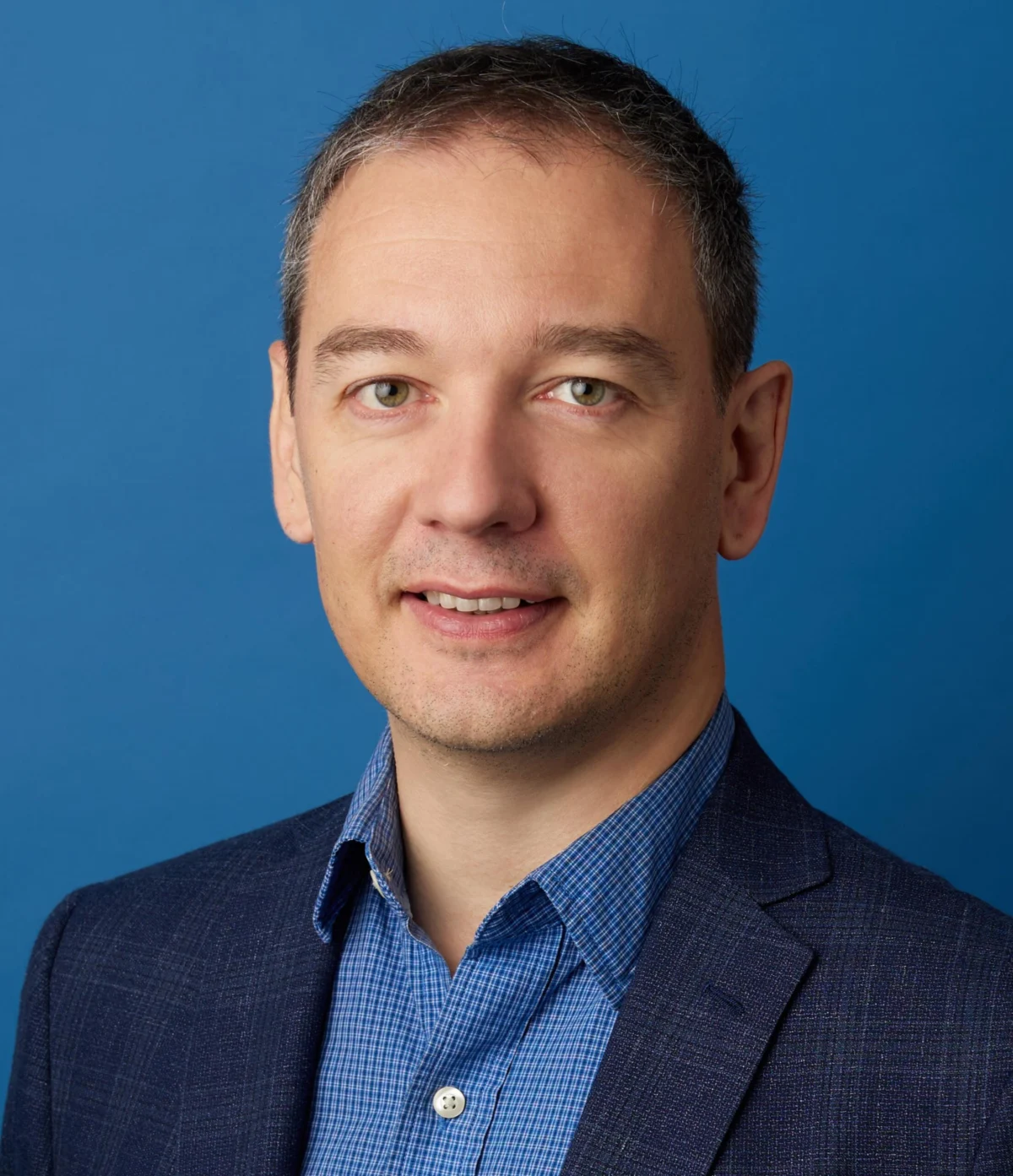
At the center of this movement are researchers like Remi Creusot, Ph.D., a Principal Investigator at Columbia University, and his postdoctoral fellow, Camillo Bechi Genzano, M.D. Through a unique collaboration with Breakthrough T1D’s Young Adult Advocacy Council (YAAC), these scientists are shedding light on a revolutionary approach to T1D: using a patient’s own stem cells to "re-educate" the immune system.
n
Main Facts: A Paradigm Shift in Autoimmune Therapy
n
The fundamental challenge of T1D is that it is an autoimmune "identity crisis." The body’s immune system mistakenly identifies insulin-producing beta cells in the pancreas as foreign invaders and destroys them. Current treatments, including the recently FDA-approved Teplizumab, work by broadly suppressing or delaying the immune response. While groundbreaking, these methods often come with the risk of systemic immunosuppression.
n
The research spearheaded by the Creusot Lab at Columbia University proposes a more surgical alternative. Their project, titled "Achieving Persistent Presentation of Multiple Disease-Relevant Antigens to Prevent Autoimmune Diabetes," aims to stop the autoimmune attack without compromising the patient’s overall ability to fight infections. By utilizing hematopoietic stem cells (HSCs) from the bone marrow, the team is working to "teach" the immune system to recognize beta cell markers as "self" rather than "foe."

n
This approach is significant for three primary reasons:
n
- n
- Specificity: It targets only the small fraction of pathogenic T cells responsible for T1D.
- Longevity: It seeks to provide a permanent, "one-and-done" protection through modified stem cells.
- Safety: It utilizes the patient’s own cells, potentially bypassing the need for the toxic chemotherapy or radiation typically required for bone marrow transplants.
n
n
n
n
Chronology: From Insulin Discovery to the Quest for a Cure
n
To understand the weight of the Creusot Lab’s work, one must view it through the lens of T1D history. For over a century, the timeline of T1D has been defined by incremental progress in survival.
n
- n
- The 1920s: The discovery of insulin transformed T1D from a terminal diagnosis into a manageable chronic condition.
- The 1970s–90s: The advent of home glucose monitoring and the first insulin pumps gave patients more control, though the burden of care remained immense.
- The 2010s: The "Technological Revolution" saw the rise of Continuous Glucose Monitors (CGMs) and automated insulin delivery (AID) systems, often referred to as "artificial pancreas" technology.
- The Present Day: The focus has shifted to the "Biological Revolution." We are now in an era where the goal is to prevent the disease in those at risk and restore insulin production in those already living with the condition.
n
n
n
n
n
Dr. Camillo Bechi Genzano’s personal history mirrors this evolution. Diagnosed at age 12, he recalls the "hard life" of early T1D management—a time before the seamless integration of CGMs and pumps. His transition from a clinical endocrinologist to a pre-clinical researcher represents a broader trend in the field: the move from treating symptoms to addressing the root cause.
n
Supporting Data: The Mechanics of Immune Re-education
n
The Creusot Lab’s research focuses on the "education" of immune cells, which primarily takes place in the thymus and bone marrow. In a healthy individual, the immune system undergoes a rigorous screening process to ensure it doesn’t attack the body’s own tissues. In T1D, this process fails.
n
The Stem Cell StrategynThe Columbia team is engineering hematopoietic stem cells to express specific "antigens"—the markers that the immune system uses to identify targets. When these modified stem cells are reintroduced into the body, they produce a continuous supply of new immune cells. As these new cells develop, they encounter the beta cell markers in a "safe" context. This process effectively re-educates the immune system, creating a state of "immune tolerance."

n
The Teplizumab ComparisonnTo quantify the advancement, researchers often look at current standards. Teplizumab, the first immunotherapy for T1D, targets nearly all T cells to delay the onset of Stage 3 T1D. However, the Creusot Lab’s goal is to be even more precise. By using antigen-specific immunotherapy, they aim to neutralize only the "bad actors"—the few pathogenic cells responsible for the disease—leaving the rest of the immune system fully functional.
n
The Role of YAAC AdvocacynThe data isn’t just generated in the lab; it is disseminated through advocacy. The Young Adult Advocacy Council (YAAC) plays a critical role in this ecosystem. Led by figures like Cameron Crouse—a doctoral student himself—and Michaela Weiss, the YAAC bridges the gap between complex science and the T1D community. Their involvement ensures that research remains "patient-centric," focusing on outcomes that truly improve quality of life.
n
Official Responses: Perspectives from the Investigators
n
In a series of candid interviews, Dr. Creusot and Dr. Bechi Genzano provided insights into the motivations and the emotional weight of their work.
"I personally didn’t have anyone in my family with type 1 diabetes," Dr. Creusot admitted. "But when I started working on this, I felt a real need and a massive challenge. Meeting people with T1D over the years has only increased that motivation."
For Dr. Bechi Genzano, the motivation is internal. "Being supported by a mission-driven organization like Breakthrough T1D is vital. It gives you a degree of independence and the certainty that for the next three years, you can perform the experiments you’ve planned. More importantly, it makes clinical translatability feel achievable."

Both researchers emphasized that while their lab is making significant strides, the "cure" will likely be a mosaic of different therapies. Dr. Creusot noted that for those who have lived with the disease for years and have no remaining beta cells, the future likely involves a combination of stem cell-derived beta cell transplants and the immune-protecting treatments his lab is developing.
Implications: What This Means for the T1D Community
The implications of the Creusot Lab’s research are profound, potentially affecting three distinct groups within the T1D community:
1. Those at High Risk (Prevention)
For family members of T1D patients who test positive for autoantibodies, this research offers a future where a single injection could prevent the disease from ever progressing to Stage 3. By re-educating the immune system early, the body could preserve its own natural insulin production indefinitely.
2. The Newly Diagnosed (Intervention)
For those in the "honeymoon phase" of T1D, this therapy could stop the ongoing autoimmune attack, preserving the remaining beta cells and making the disease much easier to manage—or even reversing the need for external insulin.
3. Long-term Patients (Restoration)
The "holy grail" of T1D research is the functional cure. This would involve transplanting new, lab-grown beta cells into a patient. However, without a way to protect those new cells from the immune system, they would quickly be destroyed. The Creusot Lab’s work provides the "shield" necessary for these transplants to survive, potentially freeing long-term patients from insulin injections forever.

Conclusion: A Collective Dream
As Dr. Creusot reflected, "Things are slow, but that’s what science is. Looking back twenty years, it’s amazing how much knowledge we’ve accumulated."
The collaboration between high-level researchers and organizations like Breakthrough T1D highlights a critical truth: a cure for Type 1 Diabetes will not be found in isolation. It requires the financial backing of donors, the intellectual rigor of scientists, and the tireless advocacy of the T1D community.
Dr. Bechi Genzano summarized the sentiment of the project with a poignant observation: "If only one person has a dream, it’s just a dream. But if many people have a dream, it can become a reality." Through the marriage of cutting-edge stem cell science and global advocacy, that reality is closer than ever before.

