
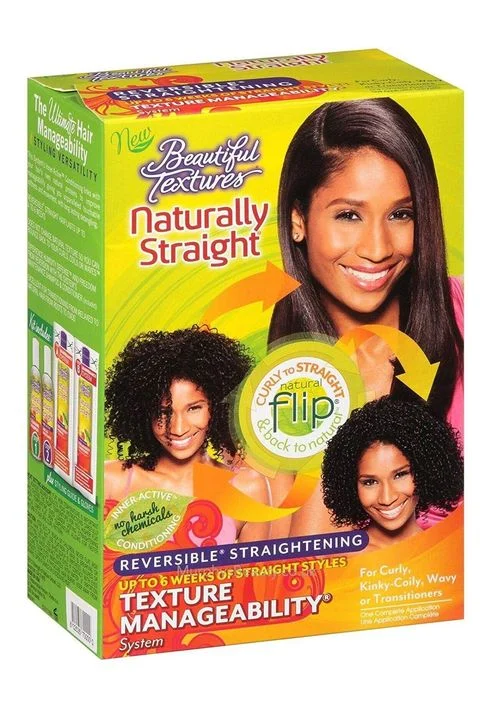
A critical examination of the popular hair relaxer, Beautiful Textures, is underway as new scientific evidence links its long-term use to an increased risk of specific cancers and hormone-related diseases. Across the United States, a growing wave of product liability lawsuits is challenging manufacturers, including those behind Beautiful Textures, to account for potential health hazards associated with their products.
n
For decades, chemical hair relaxers have been a staple in the beauty routines of millions, particularly within communities of color. These products, designed to permanently straighten curly or coily hair, promised convenience and versatility. However, recent medical research has cast a dark shadow over their perceived safety, suggesting that the chemical cocktails within these formulations may carry severe, long-term health consequences. Beautiful Textures, a widely recognized brand in this market segment, is now at the forefront of this emerging public health concern and the subsequent legal reckoning.
n
Users of Beautiful Textures and similar hair relaxer products are urged to become acutely aware of the potential risks. The burgeoning legal landscape indicates a significant shift in understanding, moving from anecdotal concerns to scientifically backed evidence that links these cosmetic treatments to serious health diagnoses. This article delves into the core issues, tracing the scientific discoveries, detailing the legal actions, and exploring the profound implications for consumers, manufacturers, and public health.
n
n
Main Facts: Unveiling the Hidden Risks of Hair Relaxers
n
The central issue revolves around the suspected presence of endocrine-disrupting chemicals (EDCs) and other hazardous substances in hair relaxer formulations, including those manufactured under the Beautiful Textures brand. These chemicals, when absorbed into the body through the scalp, are believed to interfere with the body’s hormonal system, potentially leading to a cascade of adverse health effects.
n
The most alarming finding, and the primary catalyst for the current legal actions, is the emerging link between frequent, long-term use of hair relaxers and an elevated risk of certain types of cancer. Specifically, uterine cancer has been highlighted in prominent studies, alongside concerns regarding ovarian cancer, breast cancer, and other hormone-sensitive conditions like uterine fibroids and endometriosis.
n
As a direct consequence of these troubling scientific revelations, a significant number of individuals who have used Beautiful Textures hair relaxer and subsequently developed these severe health issues are now seeking legal recourse. These lawsuits allege that manufacturers failed to adequately warn consumers about the inherent dangers of their products, leading to preventable suffering and substantial medical costs. The legal framework surrounding these claims asserts that consumers were unknowingly exposed to carcinogenic and endocrine-disrupting compounds, violating their right to safe products and transparent labeling.
n
The scale of the litigation is national, with lawsuits being filed in courts across all 50 states, signaling a widespread problem rather than isolated incidents. This collective legal action underscores the gravity of the situation and the unified effort to hold manufacturers accountable.
n
n
Chronology: A Timeline of Discovery and Litigation
n
The journey from widespread acceptance to critical scrutiny for hair relaxers has been a gradual but persistent one, marked by increasing scientific understanding and escalating public concern.
n
Early 2000s – Growing Awareness of EDCs: While not directly linked to hair relaxers initially, the early 2000s saw a rise in scientific and public awareness regarding endocrine-disrupting chemicals (EDCs) in various consumer products. Research began to identify phthalates, parabens, and other compounds commonly used in cosmetics as potential disruptors of hormonal balance, laying the groundwork for future investigations into personal care products.
n
Mid-2010s – Preliminary Studies and Anecdotal Concerns: Around the mid-2010s, smaller-scale studies and anecdotal reports began to emerge, hinting at a potential connection between hair product use and certain health conditions, particularly among women of color who are disproportionately high users of chemical relaxers. These initial signals, though not definitive, spurred interest for more comprehensive research.
n
October 2022 – The Landmark Sister Study Publication: A pivotal moment arrived in October 2022 with the publication of findings from the Sister Study, a major, long-term research initiative conducted by the National Institutes of Health (NIH) through the National Institute of Environmental Health Sciences (NIEHS). This study specifically examined the link between hair product use and cancer risk in a large cohort of women. The results were profoundly alarming, revealing a strong statistical correlation between the regular use of chemical hair relaxers and an increased incidence of uterine cancer. The study highlighted that women who used hair relaxers, such as Beautiful Textures, at least four times per year faced a staggering 150% higher risk of developing uterine cancer compared to non-users. This publication served as a major turning point, providing robust scientific backing to previous suspicions.
n
Late 2022 – Initial Lawsuits Emerge: Almost immediately following the publication of the Sister Study, the first wave of product liability lawsuits began to be filed against manufacturers of hair relaxers. These initial claims cited the new scientific evidence as crucial support for allegations of negligence and failure to warn.
n
2023 – Escalation of Legal Actions: Throughout 2023, the number of lawsuits escalated dramatically. Legal firms specializing in product liability and mass torts began actively investigating claims and representing individuals diagnosed with cancer or other serious conditions after using hair relaxers. The scope expanded beyond initial uterine cancer claims to include other hormone-related cancers and diseases. Manufacturers, including those behind Beautiful Textures, found themselves facing a growing torrent of litigation across the nation.
n
Present Day – Consolidation and Continued Filings: Currently, many of these individual lawsuits are being consolidated into multi-district litigation (MDL) to streamline the pre-trial process, reflecting the vast number of similar claims against various manufacturers. This legal consolidation allows for efficient handling of common factual and legal questions while preserving the individual nature of each plaintiff’s claim for compensation. The filing of new lawsuits continues, with an increasing number of individuals coming forward as awareness of the issue grows.
n
This chronological progression illustrates a clear trajectory from scientific hypothesis to concrete evidence, and subsequently, to widespread legal action, underscoring the serious nature of the allegations against hair relaxer manufacturers.
n
n
Supporting Data: The Science Behind the Claims
n
The scientific foundation underpinning the hair relaxer lawsuits is robust and continues to evolve. At its core is the understanding of how certain chemicals, prevalent in these products, interact with the human body.
n
The Sister Study and Uterine Cancer:nAs mentioned, the October 2022 findings from the NIH Sister Study provided the most compelling evidence to date. This prospective cohort study followed over 33,000 women for more than a decade, collecting detailed information on their health and lifestyle, including the use of hair products. The researchers observed that women who reported using hair straightening products four or more times in the previous year were more than twice as likely to develop uterine cancer compared to those who did not use such products. This 150% increased risk is a statistically significant finding that cannot be easily dismissed. The study controlled for various confounding factors, strengthening the credibility of the observed association.
n
Mechanisms of Harm: Endocrine-Disrupting Chemicals (EDCs):nThe primary hypothesis for how hair relaxers cause harm centers on the presence of EDCs. These are chemicals that, even in tiny doses, can mimic or block the body’s hormones and disrupt the normal functioning of the endocrine system. The endocrine system regulates crucial bodily functions, including metabolism, growth and development, sleep, mood, and reproduction.nCommon EDCs found in hair relaxers include:
n
- n
- Phthalates: Often used to make plastics more flexible, phthalates are also used as solvents or to help fragrances last longer in cosmetics. Studies have linked phthalate exposure to reproductive issues, developmental problems, and an increased risk of certain cancers. Di-2-ethylhexyl phthalate (DEHP), a common phthalate, is classified as a probable human carcinogen.
- Parabens: Used as preservatives to prevent the growth of bacteria and mold in cosmetic products. Parabens can mimic estrogen, and their presence has been detected in breast cancer tissues.
- Formaldehyde-releasing preservatives: While formaldehyde itself is a known carcinogen, many products use chemicals that slowly release formaldehyde over time (e.g., quaternium-15, DMDM hydantoin). Chronic exposure to even low levels can be problematic.
- Lye (Sodium Hydroxide) and Guanidine Carbonate: These are the active straightening agents. While their primary concern is chemical burns and irritation, the damage they inflict on the scalp can create pathways for other harmful chemicals to be more readily absorbed into the bloodstream.
n
Other Cancers and Health Conditions Linked:
Beyond uterine cancer, lawsuits and emerging research point to connections with several other serious conditions:
- Ovarian Cancer: Like uterine cancer, ovarian cancer is often hormone-sensitive. EDCs interfering with estrogen and progesterone pathways are suspected to play a role.
- Breast Cancer: Particularly estrogen receptor-positive breast cancer. Given the estrogen-mimicking properties of some EDCs, a link is plausible and under investigation in various studies.
- Uterine Fibroids: These are non-cancerous growths in the uterus, but they can cause significant pain, heavy bleeding, and infertility. Their growth is often influenced by hormones, making them a prime candidate for EDC-related issues. Studies have shown a higher prevalence and severity of fibroids among frequent hair relaxer users.
- Endometriosis: A condition where tissue similar to the lining of the uterus grows outside the uterus. It is also a hormone-dependent disease, and environmental toxins, including EDCs, are considered potential contributing factors.
Absorption and Exposure Pathways:
The scalp is highly vascularized, meaning it has a rich blood supply. When chemical relaxers are applied, especially if left on for extended periods or if there are pre-existing scalp abrasions or burns, the chemicals can be readily absorbed into the bloodstream. This systemic exposure allows EDCs to circulate throughout the body, potentially affecting distant organs and tissues over time. The cumulative exposure from repeated applications over years or decades is a significant factor in the alleged harm.
Demographic Disparities:
It is crucial to acknowledge that women of color, particularly Black women, are disproportionately affected by these potential risks. Hair relaxers have historically been marketed heavily to these communities, leading to higher rates of usage and, consequently, potentially higher rates of exposure to the harmful chemicals over long periods. This raises significant concerns about environmental justice and health equity.
Official Responses: Industry, Regulators, and Advocacy
The emerging scientific evidence and the subsequent wave of lawsuits have prompted various responses from manufacturers, regulatory bodies, and public health advocates.
Manufacturer Responses:
Manufacturers of hair relaxers, including those associated with Beautiful Textures, have largely adopted a defensive stance. Their typical responses include:
- Denial of Causation: Arguing that the scientific evidence is not conclusive enough to establish a direct causal link between their products and specific cancers or diseases. They often cite the complexity of disease development and the multitude of potential contributing factors.
- Lack of Specific Warnings: Many lawsuits allege that product labeling failed to include adequate warnings about the potential for cancer or hormone-related issues. Manufacturers may counter that their products met all existing regulatory requirements at the time of sale.
- Vigorous Defense in Court: Companies are engaging in robust legal defenses, challenging expert testimony and seeking to dismiss claims, underscoring the high stakes involved in these mass tort litigations. Some may also explore out-of-court settlements, though often without admitting fault.
- Potential Product Reformulation: While not widely publicized, some manufacturers may be quietly exploring or implementing reformulations of their products to remove or reduce potentially harmful chemicals, anticipating future regulatory scrutiny or consumer demand for safer alternatives.
Regulatory Bodies (FDA and EPA):
- Food and Drug Administration (FDA): The FDA is the primary regulatory body for cosmetics in the United States. However, its authority over cosmetics is significantly less stringent than its oversight of drugs and medical devices. Cosmetic products and their ingredients (other than color additives) do not need FDA approval before they go on the market. The FDA can take action only after a product is on the market if there is evidence it is unsafe or mislabeled. The growing body of evidence regarding hair relaxers is putting pressure on the FDA to review its regulations and potentially issue new guidance or restrictions.
- Environmental Protection Agency (EPA): While the EPA primarily regulates environmental pollutants, its purview sometimes overlaps with chemicals found in consumer products, especially EDCs. The EPA’s work on understanding and mitigating exposure to EDCs could indirectly influence regulations on cosmetic ingredients.
- Limited Current Action: As of now, there haven’t been widespread, immediate bans or recalls of hair relaxers by the FDA based on these new findings. This highlights the slow pace of regulatory action in the face of complex scientific evidence and powerful industry lobbying. However, the increasing litigation and public awareness are likely to escalate pressure on these agencies for more decisive action.
Consumer Advocacy Groups:
Public health organizations and consumer advocacy groups have played a crucial role in raising awareness, supporting research, and pressuring both manufacturers and regulators.
- Education and Outreach: These groups are actively disseminating information about the risks associated with hair relaxers, empowering consumers to make informed choices.
- Policy Advocacy: They are lobbying for stronger cosmetic safety regulations, demanding greater transparency in ingredient labeling, and advocating for the removal of known harmful chemicals from personal care products.
- Support for Affected Individuals: Many groups offer resources and support for individuals diagnosed with conditions potentially linked to hair relaxers, helping them navigate medical and legal options.
Implications: Far-Reaching Consequences
The saga of Beautiful Textures and other hair relaxers has profound implications across several domains.
For Consumers:
- Heightened Health Awareness: The most immediate implication is the imperative for consumers to be aware of the potential health risks associated with long-term use of hair relaxers. This knowledge empowers individuals to make informed decisions about their hair care practices, potentially opting for natural alternatives or less chemically intensive methods.
- Access to Legal Recourse: For those who have been diagnosed with cancer or other serious conditions after using Beautiful Textures or similar products, the ongoing lawsuits offer a pathway to seeking justice and financial compensation. This compensation can help cover mounting medical bills, lost wages, pain and suffering, and other damages incurred.
- Importance of Differentiation in Legal Action: It is crucial for consumers to understand the distinction between different types of legal actions. While "Hair Relaxer Class Action Lawsuits" exist, these often seek to compensate for economic damages or fund medical monitoring for a large group of consumers, but they DO NOT COMPENSATE CANCER VICTIMS for their personal injuries. For individuals diagnosed with cancer or uterine fibroids, pursuing an individual injury lawsuit (often part of a mass tort) with a specialized hair relaxer lawyer is the appropriate path to seek significant financial compensation for their specific medical expenses, suffering, and losses.
For the Personal Care Industry:
- Reputational Damage and Financial Liability: Manufacturers, including Beautiful Textures, face significant reputational damage and immense financial liability. The costs associated with defending numerous lawsuits, potential settlements, and adverse judgments could run into billions of dollars.
- Increased Scrutiny and Innovation: The lawsuits will undoubtedly lead to increased scrutiny of ingredient lists and manufacturing processes across the entire personal care industry. This pressure may spur innovation towards developing safer, chemical-free hair straightening alternatives.
- Market Shifts: Consumer confidence in chemical relaxers may wane, leading to a shift in market demand towards natural hair care products or alternative styling methods. Companies that are slow to adapt to these changes risk losing market share.
For Public Health and Regulatory Policy:
- Call for Stronger Regulation: The hair relaxer crisis serves as a potent case study for the need for more robust regulation of cosmetics in the United States. Advocates are calling for pre-market approval processes, mandatory safety testing, and stricter ingredient restrictions, especially concerning EDCs and known carcinogens.
- Broader Understanding of Chemical Exposure: This issue contributes to a growing public and scientific understanding of the cumulative impact of chemical exposures from everyday products on long-term health. It highlights the "body burden" of chemicals that individuals carry and the subtle yet powerful ways these substances can affect health over time.
- Health Equity: The disproportionate impact on women of color brings issues of health equity and environmental justice to the forefront, demanding that regulatory bodies address historical disparities in product safety and marketing.
Free Beautiful Textures Lawsuit Review: Seeking Justice
Have you or a loved one been diagnosed with cancer or suffered from another serious side effect after using Beautiful Textures hair relaxer? If so, you may be entitled to significant financial compensation by filing an individual hair relaxer lawsuit.
The legal system provides a pathway for victims to recover damages for medical expenses, lost wages, pain and suffering, and other losses resulting from alleged manufacturer negligence. It is a complex process, but experienced legal counsel can guide you through each step.
For a no-cost, no-obligation review of your potential case, understanding whether your specific circumstances qualify for a lawsuit, please consider starting your instant case review below. This initial step can provide clarity on your legal options without any financial commitment.
Instant Case Review
Hi there 👋 I can help you to quickly see if you qualify!
Is the injured individual you or a loved one?
(Please proceed with the interactive questions to determine eligibility for a potential claim.)
Beautiful Textures Hair Straightener & Cancer: The Unfolding Story
The troubling developments revealed by medical research, particularly the October 2022 publication of the Sister Study by the National Institutes of Health, have irrevocably altered the perception of hair relaxers like Beautiful Textures. The study’s findings were stark and undeniably worrisome, revealing a strong correlation between the regular use of these products and an increased incidence of uterine cancer. Specifically, women who used products like Beautiful Textures at least four times per year showed a 150% higher risk of developing uterine cancer, a statistic that underscores the profound dangers.
This critical scientific evidence is fueling product liability lawsuits across all 50 states, bringing the dangers of hair relaxers and hair straighteners into sharp focus within both the legal and public health arenas.
What types of cancer and conditions are included in the Beautiful Textures lawsuits?
The lawsuits claim that hair relaxers, like Beautiful Textures, contain chemicals that can cause a variety of serious, life-threatening side effects, including but not limited to:
- Uterine Cancer: The most frequently cited cancer, directly supported by the NIH Sister Study, showing a significantly increased risk with regular use.
- Ovarian Cancer: Another hormone-sensitive cancer that may be influenced by endocrine-disrupting chemicals found in relaxers.
- Breast Cancer: Particularly estrogen receptor-positive breast cancer, given the estrogen-mimicking properties of some relaxer ingredients.
- Endometrial Cancer: Cancer originating in the lining of the uterus, often grouped with uterine cancer and also linked to hormonal disruption.
- Uterine Fibroids: Non-cancerous growths that can cause severe pain, heavy bleeding, and infertility, strongly associated with hormone imbalances.
- Endometriosis: A painful condition where uterine-like tissue grows outside the uterus, potentially exacerbated by chemical exposure and hormonal disruption.
These conditions represent the serious and often debilitating health consequences alleged in the ongoing litigation.
Hair Relaxer Class Action Lawsuits vs. Individual Injury Lawsuits
It is crucial for individuals affected by hair relaxers to understand the distinction between class action lawsuits and individual injury lawsuits (often part of a mass tort).
A group of women has indeed sued hair relaxer manufacturers in class action lawsuits, claiming they were unaware that the hair relaxers were adulterated with toxic endocrine-disrupting chemicals. These plaintiffs maintain that they never would have paid for the product if they had been warned about the potential health risks. The aim of such class action suits is typically to secure compensation for economic damages (e.g., refunds for the product), or to compel manufacturers to fund medical monitoring for a large group of affected individuals.
However, the key distinction is that the class action lawsuit DOES NOT COMPENSATE CANCER VICTIMS for their personal injuries, medical expenses, or pain and suffering.
If you have been diagnosed with cancer, uterine fibroids, or other severe health conditions, you need to speak to a hair relaxer lawyer who specializes in personal injury lawsuits. These individual lawsuits allow you to seek comprehensive financial compensation directly related to your specific diagnosis, medical treatment, lost income, and the profound impact on your quality of life. An individual claim ensures that your unique damages are fully assessed and pursued, which is not typically the focus of a class action.
Contact a Hair Relaxer Lawyer Handling Beautiful Textures Lawsuits
Have you or a loved one been diagnosed with cancer or suffered from another serious side effect after using Beautiful Textures hair relaxer? If so, you may be entitled to significant financial compensation by filing a hair relaxer lawsuit.
The time to act is now, as statutes of limitations can limit the period during which you can file a claim. Consulting with an experienced attorney can help you understand your rights and the viability of your case.
For a no-cost, no-obligation review of your potential case, please start your instant Beautiful Textures case review below. Take the first step towards seeking the justice and compensation you deserve.

