
Introduction
n
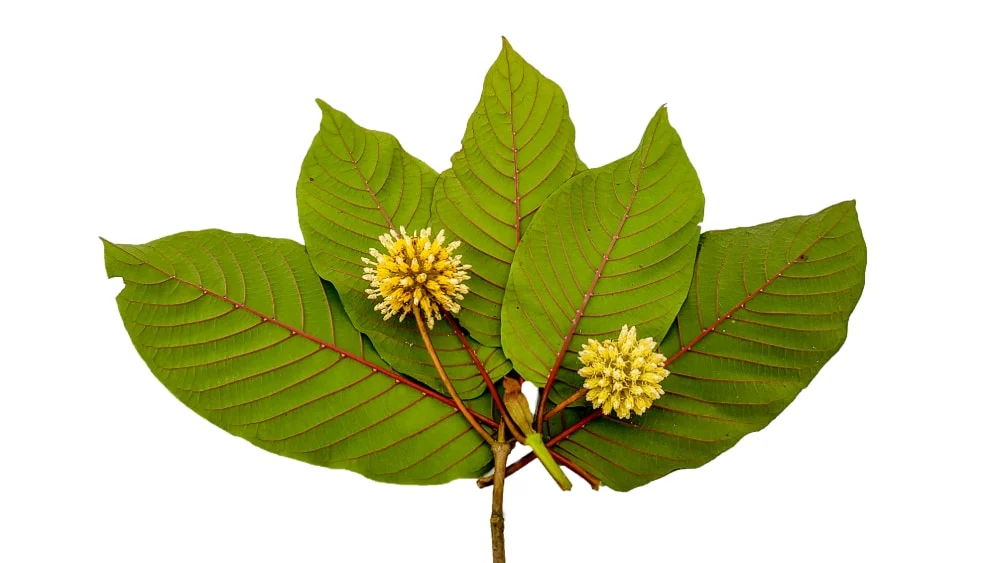
In the complex landscape of American substance use, few botanicals have sparked as much vitriol, advocacy, and clinical debate as kratom (Mitragyna speciosa). Derived from the leaves of a tropical evergreen tree native to Southeast Asia, kratom has occupied a precarious legal gray area for over a decade. To its proponents, it is a life-saving alternative to lethal opioids and a manageable solution for chronic pain. To federal regulators and many in the medical community, it is an unregulated narcotic with a high potential for abuse.
n
The tension surrounding this substance reached a boiling point in the summer of 2026. On July 1, the U.S. Drug Enforcement Administration (DEA) issued a formal notice of intent to temporarily place 7-hydroxymitragynine (7-OH)—a potent alkaloid found in the kratom plant—into Schedule I of the Controlled Substances Act. This move represents a significant escalation in the government’s efforts to regulate the kratom market, specifically targeting high-potency synthetic and semi-synthetic extracts that have recently flooded the consumer landscape.
n
Main Facts: The Pharmacology of 7-OH and the Kratom Paradox
n
Kratom is pharmacologically unique because it produces dose-dependent effects that are rarely seen in a single substance. At low doses, it acts as a mild stimulant, increasing alertness and sociability. At higher doses, it interacts primarily with the mu-opioid receptors in the brain, producing sedation, euphoria, and significant pain relief.
n
While the kratom leaf contains dozens of alkaloids, two primary compounds drive its effects: mitragynine and 7-hydroxymitragynine (7-OH). While mitragynine is more abundant in the raw leaf, 7-OH is significantly more potent. In fact, research suggests that 7-OH is the primary driver of the plant’s opioid-like addiction potential.
n
The current crisis stems from a shift in how kratom is consumed. For centuries, traditional use involved chewing raw leaves or brewing tea. However, the modern American market has seen the rise of "7-OH isolates." These products are often lab-manipulated to contain concentrations of the alkaloid far exceeding what is naturally occurring in the plant. According to Kara Gavin, a researcher at the University of Michigan’s Institute for Healthcare Policy and Innovation, these concentrated products are "lab-made or synthetic," creating a level of potency that mimics traditional prescription opioids like OxyContin or morphine.
n
The DEA’s move to Schedule I—a category reserved for drugs with no currently accepted medical use and a high potential for abuse—targets these 7-OH substances. If finalized, the manufacture, distribution, and possession of these compounds will carry the same criminal weight as heroin or LSD.
n
Chronology: From Traditional Medicine to Federal Target
n
The journey of kratom from a regional Southeast Asian remedy to a Schedule I target follows a turbulent timeline:
n
- n
- Pre-2010: Kratom remains largely unknown in the West, used primarily by laborers in Thailand and Malaysia to stave off fatigue and manage pain.
- 2010–2015: Kratom gains popularity in the U.S. as an "herbal supplement." It becomes a staple in head shops and gas stations, marketed as a safe, natural way to treat anxiety, depression, and opioid withdrawal.
- 2016: The DEA first attempts to place kratom into Schedule I. The move is met with unprecedented public backlash. Thousands of veterans and chronic pain patients protest, and a bipartisan group of lawmakers urges the DEA to reconsider. The DEA eventually withdraws the proposal, citing the need for more research.
- 2017–2023: The "Kratom Consumer Protection Act" (KCPA) is introduced at the state level to provide a middle-ground regulatory framework. Meanwhile, the industry evolves, moving away from bulky powders toward highly concentrated liquid extracts and 7-OH tablets.
- July 1, 2026: The DEA publishes its notice of intent to temporarily schedule 7-OH and related substances. This follows a surge in hospitalizations and reports of "kratom-induced toxicity."
- July 31, 2026: The public comment period for the DEA’s proposal ends, clearing the way for an immediate federal ban.
- August 17, 2026: Researchers and clinicians, such as those at the University of Michigan, begin sounding the alarm on the potential for mass withdrawal symptoms among the millions of Americans currently using these products.
n
n
n
n
n
n
n
n
Supporting Data: The Potency Gap and the Addiction Loop
n
The primary concern for health officials is the "potency gap" between raw kratom leaves and modern 7-OH extracts. In a standard leaf, 7-OH makes up less than 0.02% of the total alkaloid content. In contrast, some products marketed as "7-OH tablets" contain upwards of 15mg to 30mg of the isolated compound.
n
According to Dr. Eliza Hutchinson, head of the Medications for Addiction Treatment (MAT) team at the Packard Health Clinic in Ann Arbor, Michigan, this concentration changes the clinical profile of the user. When the brain’s opioid receptors are flooded with concentrated 7-OH, the body quickly develops a tolerance.
n
"Both kratom and 7-OH act on the brain’s opioid receptors," Gavin notes in her reporting. "For some people, that triggers a need to buy ever-higher doses to get the same effect, and a pattern of craving another dose sooner than before."
n
This cycle of dependence is mirrored in the data regarding the "substitution effect." A 2019 survey published in Drug and Alcohol Dependence found that while many users successfully used kratom to quit heroin or fentanyl, a significant subset simply replaced one addiction with another. The data indicates that while kratom is statistically less likely to cause fatal respiratory depression than fentanyl, the "lethal side effects" are not non-existent, especially when kratom is adulterated or combined with other central nervous system depressants.
n
Official Responses: A Divided Medical and Regulatory Front
n
The response to the DEA’s impending ban has been fractured across three main groups: federal regulators, clinical practitioners, and advocacy organizations.
n
The DEA’s Stance:nThe DEA justifies the Schedule I designation by citing the "imminent hazard to public safety." Their report highlights an increase in calls to poison control centers and several deaths where 7-OH was found in high concentrations in the bloodstream. The agency argues that the transition from natural plant matter to synthetic concentrates has turned kratom into a "designer drug" that bypasses current supplement safety laws.
n
The Clinical Perspective:nPhysicians like Dr. Eliza Hutchinson are seeing the "on-the-ground" reality of the 7-OH surge. Dr. Hutchinson has begun treating kratom-dependent patients with buprenorphine—the same medication used to treat heroin and fentanyl addiction. This medical intervention signifies that the withdrawal from high-dose kratom is severe enough to require pharmaceutical assistance.
However, Dr. Hutchinson expresses deep concern regarding the DEA’s timing. She warns that a sudden, total ban could lead to a "displacement effect." If users can no longer purchase 7-OH at a local shop, they may not simply stop; instead, they may turn to the illicit market for more dangerous opioids like fentanyl to stave off the grueling symptoms of withdrawal.
State-Level Regulation:
The legislative landscape remains a patchwork. Currently, 19 states have no regulations on kratom or 7-OH, while eight states have implemented total bans. The remaining states have adopted the Kratom Consumer Protection Act (KCPA), which allows the sale of kratom but mandates third-party testing for purity, age restrictions (usually 21+), and clear labeling of alkaloid content.
Implications: The Future of Addiction and Harm Reduction
The federal crackdown on 7-OH carries profound implications for the future of addiction medicine and the broader "war on drugs."
1. The Risk of Criminalization:
By moving 7-OH to Schedule I, the federal government is effectively criminalizing a large portion of the current kratom-using population. This could lead to a surge in arrests for possession, particularly in states that do not have their own protective legislation. It also creates a barrier for researchers who wish to study the potential benefits of the plant, as Schedule I substances require rigorous and often prohibitive DEA licensing to handle.
2. The "Iron Law of Prohibition":
Public health experts often cite the "Iron Law of Prohibition," which suggests that when a drug is banned, the market inevitably shifts toward more potent, compact, and dangerous versions of that drug. Critics of the DEA move argue that by banning 7-OH, the government is incentivizing the creation of even more obscure, synthetic analogs that are harder to detect in toxicology screens.
3. The Need for Standardized Treatment:
The University of Michigan’s Medications for Addiction Treatment team is working to fill a massive gap in medical education. Many doctors are still unaware that kratom can cause traditional opioid withdrawal. The university is now offering free continuing education classes to teach providers how to use buprenorphine to help patients transition off kratom. This suggests a future where "Kratom Use Disorder" (KUD) is treated with the same clinical rigor as other opioid use disorders.
4. A New Era of "Natural" Narcotic Regulation:
The 7-OH debate marks a turning point in how the U.S. handles botanical substances. As lab technology makes it easier to isolate and concentrate specific alkaloids from plants, the line between "natural supplement" and "refined drug" continues to blur. The DEA’s focus on the chemical isolate rather than the whole plant may set a precedent for how other substances, such as cannabis-derived Delta-8 THC or various psychoactive fungi, are regulated in the future.
Conclusion
The impending scheduling of 7-OH represents a desperate attempt by federal authorities to get ahead of a rapidly evolving drug market. While the move is designed to protect the public from high-potency, unregulated synthetics, the collateral damage remains a significant concern. For the millions of Americans who currently use kratom as a tool for sobriety or pain management, the summer of 2026 marks the beginning of an uncertain and potentially dangerous new chapter. As the public comment period closes and enforcement begins, the medical community must brace for a new wave of patients seeking help to navigate the narrow, difficult path between addiction and recovery.

