
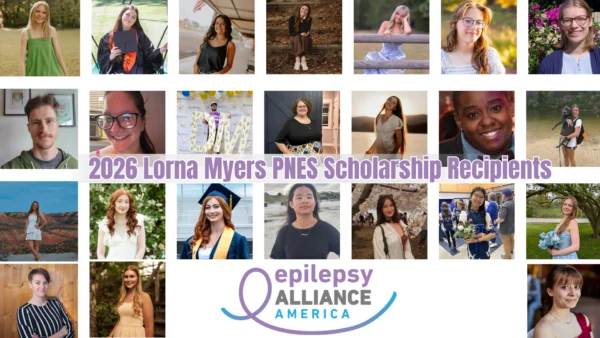
Washington D.C. – June 2026 – Epilepsy Alliance America (EAA) proudly announces the recipients of the 2026–2027 Lorna Myers PNES Scholarship Fund, an initiative dedicated to empowering students across the United States who are navigating life with psychogenic non-epileptic seizures (PNES) while pursuing higher education. For the upcoming academic year, a remarkable 26 students have been selected to receive these vital scholarships, marking a significant step forward in supporting this often-misunderstood community.
n
The program, now a cornerstone of EAA’s commitment to education and advocacy, continues to expand its reach and impact, providing not just financial assistance but also crucial validation and a sense of community for its recipients. This year’s cohort represents a powerful testament to the resilience, determination, and unwavering commitment of individuals living with PNES to achieve their educational and personal aspirations.
n
Understanding Psychogenic Non-Epileptic Seizures (PNES): A Critical Context
n
Psychogenic non-epileptic seizures (PNES) are debilitating events that can mimic epileptic seizures but are not caused by abnormal electrical activity in the brain. Instead, they are typically a manifestation of underlying psychological distress, trauma, or mental health conditions. Often misdiagnosed as epilepsy, PNES can lead to significant delays in appropriate treatment, profound psychological burden, and considerable challenges in daily life, including academic and professional pursuits.
n
The journey for individuals with PNES is frequently fraught with misunderstanding, stigma, and isolation. Diagnosis can be a lengthy and frustrating process, often involving multiple medical consultations and diagnostic tests before the psychological origin is identified. Once diagnosed, patients require specialized psychological therapies, such as cognitive behavioral therapy (CBT) or psychodynamic psychotherapy, rather than anti-epileptic medications. This distinction is crucial, yet awareness of PNES remains relatively low, even within some healthcare circles, contributing to diagnostic delays and a lack of targeted support systems.
n
For students, living with PNES presents unique hurdles. The unpredictable nature of seizures, the emotional toll of the condition, and the demands of academic life can create an overwhelming environment. Beyond the physical manifestations, the psychological impact—including anxiety, depression, and post-traumatic stress—can severely hinder concentration, memory, and overall well-being, all critical for academic success. Furthermore, the stigma associated with a "psychological" condition can lead to reluctance in seeking accommodations or disclosing their diagnosis, fearing judgment or misunderstanding from peers and faculty. This makes specialized support, like the Lorna Myers PNES Scholarship Fund, not just beneficial but essential for fostering an inclusive and supportive educational pathway.
n
A Legacy of Support: The Lorna Myers PNES Scholarship Fund
n
The Lorna Myers PNES Scholarship Fund was established with a clear and compassionate mission: to alleviate the financial burden on students diagnosed with PNES who are committed to pursuing higher education. The fund is made possible through the extraordinary generosity of Dr. Lorna Myers, a distinguished clinical psychologist and leading expert in PNES. Dr. Myers dedicates royalties from her extensive work and publications on PNES to fund these scholarships annually, underscoring her profound personal and professional commitment to the community she serves.
n
From its inception, the fund has been a beacon of hope, recognizing the unique challenges faced by students with PNES and providing tangible support to help them overcome barriers to education. Managed with meticulous care and dedication by Epilepsy Alliance America, the program has steadily grown in scope and impact. What began as a vital initiative has evolved into a nationwide program, reflecting both the increasing awareness of PNES and the growing need for targeted assistance. EAA’s stewardship ensures that the fund operates with integrity, reaching deserving students across diverse backgrounds and academic aspirations. The partnership between Dr. Myers’ vision and EAA’s operational expertise creates a powerful synergy that continues to transform lives. The fund doesn’t just disburse money; it builds bridges, fostering connections and reinforcing the message that students with PNES are seen, valued, and supported in their academic endeavors.
n
The 2026-2027 Cohort: A Tapestry of Resilience and Ambition
n
The 26 scholarship recipients for the 2026–2027 academic year embody a diverse and truly inspiring group of individuals. Each student brings a unique journey, marked by personal challenges and triumphs, yet all share an indomitable spirit to persevere and forge ahead toward a brighter future. Their stories collectively paint a picture of extraordinary determination in the face of a complex and often isolating condition.
n
This year’s cohort hails from a broad geographical spectrum, representing communities across the nation. States including New York, Pennsylvania, Ohio, Kentucky, Maryland, Connecticut, Texas, North Carolina, Alabama, Mississippi, Tennessee, Colorado, Arizona, Idaho, Oregon, California, Minnesota, and Montana are all represented. This expansive reach is not merely a statistical detail; it powerfully highlights the nationwide prevalence of PNES and, crucially, the expanding recognition of the condition within healthcare and educational systems across diverse regions. It signals a shift from isolated pockets of awareness to a more widespread understanding that demands comprehensive support structures.
n
The academic pursuits undertaken by these scholarship recipients are as varied as their geographic origins, showcasing a wide array of interests and professional aspirations. Students are enrolled in programs ranging from demanding STEM fields such as Computer Science, Biomedical Engineering, and Nursing, to vital human services disciplines like Social Work, Psychology, and Education. Others are pursuing degrees in Business Administration, Marketing, Liberal Arts, and Fine Arts, including Music and Creative Writing. This breadth of study reflects the diverse talents and ambitions of individuals living with PNES, demonstrating that their condition does not define or limit their intellectual curiosity or career goals.
n
Their educational pathways also reflect a pragmatic understanding of individual needs and institutional strengths. Recipients are attending both large public universities, which offer extensive resources and broad academic programs, and smaller private colleges, known for their intimate learning environments and specialized curricula. This flexibility in institutional choice underscores the program’s commitment to supporting students wherever they find the best fit for their learning styles and personal circumstances.
n
The majority of recipients are enrolled full-time, signifying their profound commitment to immersive academic experiences. However, a small but significant number are attending part-time, demonstrating the program’s crucial flexibility in supporting students at different stages of their educational journey or those who may require a more modulated pace due due to their health. This adaptability ensures that the scholarship is accessible to those who might otherwise be unable to balance their health needs with the rigors of full-time study.
n
The scholarship awards for this cycle ranged from $600 to $1,000. While these amounts may seem modest in the context of rising tuition costs, they are strategically designed to provide meaningful support to a greater number of students. These funds offer critical flexibility, allowing recipients to allocate them where they are most needed. This includes direct tuition payments, contributions towards housing and living expenses, or covering ancillary costs such as textbooks, specialized software, assistive technology for coursework, or even transportation to and from campus. For many, these funds can be the decisive factor in whether they can afford to continue their education, easing financial pressures that often exacerbate the stress associated with managing PNES.
n
A Rigorous and Compassionate Selection Process
n
The selection of Lorna Myers PNES Scholarship recipients is the culmination of a rigorous and profoundly thoughtful process, designed to identify not only academic merit and financial need but also the extraordinary personal resilience of each applicant. Each year, Epilepsy Alliance America receives a substantial number of applications from highly qualified students, far exceeding the available funding. This reality underscores both the immense need within the PNES community and the challenging responsibility of the review committee.
n
The competitive process involves a multi-faceted evaluation. Key criteria include documented financial need, ensuring the scholarships reach those for whom the financial support is most critical. Academic achievement is also a significant factor, reflecting a student’s dedication to their studies despite the adversities of PNES. Perhaps most impactful are the personal essays submitted by applicants. These narratives provide a window into the students’ experiences, their journeys with PNES, the challenges they’ve overcome, and their aspirations for the future. The essays are crucial in demonstrating a student’s commitment to their educational and personal goals, showcasing their fortitude and vision.
n
The review committee, which meticulously evaluates each application, is chaired by Patricia Gibson, MSSW DHL ACSW, a distinguished professional whose leadership brings immense expertise and compassion to the process. The committee itself is comprised of national experts in PNES, ensuring that decisions are informed by a deep understanding of the condition and the unique circumstances of the applicants. Their collective knowledge allows for a nuanced assessment that goes beyond simple metrics, recognizing the qualitative aspects of perseverance and ambition.
n
Patricia Gibson emphasized the profound impact of this work: "Every year, we are deeply moved by the incredible stories of resilience and ambition shared by our applicants. The decision-making process is never easy, as each student demonstrates immense courage in pursuing their education despite the profound challenges of PNES. Our committee strives to identify those who not only meet the financial and academic criteria but also truly embody the spirit of perseverance and commitment to their future goals. It’s an honor to play a part in supporting these remarkable individuals."
n
The increasing volume of applications year after year highlights the growing awareness of the scholarship program and, more broadly, the persistent need for support for individuals living with PNES. It also reflects a positive trend: as awareness of PNES grows, more individuals are receiving accurate diagnoses, which then enables them to seek appropriate resources like this scholarship. This upward trend underscores the vital importance of the fund and the need for its continued expansion.
n
Beyond Financial Aid: Building Community and Validation
n
The Lorna Myers PNES Scholarship Program offers far more than just financial assistance; it provides an invaluable sense of connection and community—a lifeline for many who have often felt isolated by their condition. For individuals living with PNES, the psychological burden can be as significant as, if not more than, the physical symptoms. The common experience of misdiagnosis, skepticism from others, and the stigma associated with a "psychological" origin can lead to profound feelings of loneliness, invalidation, and misunderstanding.
n
Many recipients have shared how the program has been a source of immense validation and encouragement. Receiving a scholarship specifically for students with PNES affirms their experiences and acknowledges the unique hurdles they face. It sends a powerful message: "You are not alone; your struggles are recognized, and your aspirations are supported." This validation can be a transformative experience, empowering students to embrace their identity and pursue their goals with renewed confidence.
n
Epilepsy Alliance America fosters this sense of community through ongoing engagement initiatives. Virtual gatherings and outreach opportunities connect recipients with each other, creating a network of shared understanding and mutual support. For many, these interactions represent the first time they have ever connected with others who truly comprehend the day-to-day realities of living with PNES. This peer support can alleviate feelings of isolation, reduce self-stigma, and provide a safe space to share coping strategies, academic tips, and emotional encouragement. This communal aspect transforms the scholarship from a mere financial transaction into a holistic support system that addresses the emotional and social needs of students.
n
"The community aspect of the Lorna Myers PNES Scholarship Fund is truly profound," stated an EAA spokesperson. "We consistently hear from recipients that the connection they forge with peers who understand their journey is as impactful as the financial aid itself. In a world where PNES is often misunderstood, creating a space for shared experience and mutual support is critical for their overall well-being and academic success."
n
The Broader Impact: Fostering Awareness and Inclusivity
n
The Lorna Myers PNES Scholarship Fund contributes significantly to a broader societal goal: fostering greater awareness and inclusivity for individuals with PNES. By publicly recognizing and supporting students with this condition, the program elevates PNES into the public discourse, prompting discussions in educational institutions, healthcare systems, and wider communities.
n
This increased visibility is vital for several reasons. Firstly, it helps to demystify PNES, clarifying that it is a legitimate and impactful neurological and psychological condition requiring specialized care, rather than a purely "psychological" issue that can be dismissed. This distinction is crucial for improving diagnostic accuracy and ensuring that individuals receive appropriate, timely treatment. Secondly, by supporting students who are actively pursuing higher education, the scholarship challenges misconceptions about the capabilities of individuals with PNES. It demonstrates that with the right support, they can achieve academic excellence and contribute meaningfully to society. This can inspire other individuals with PNES to pursue their dreams, knowing that there are pathways and support available.
Furthermore, the program implicitly advocates for greater inclusivity within educational settings. By highlighting the needs of students with PNES, it encourages universities and colleges to review and enhance their disability support services, ensuring that accommodations are truly comprehensive and sensitive to the unique challenges of PNES. Investing in the education of these students has long-term societal benefits, leading to a more diverse, skilled, and understanding workforce. Graduates with PNES, having navigated significant personal challenges, often bring unique perspectives, empathy, and resilience to their chosen professions, enriching their workplaces and communities.
Looking Ahead: The Call for Continued Support
As the number of qualified applicants continues to grow each year, so too does the imperative need for additional funding. The success of the Lorna Myers PNES Scholarship Fund is a testament to its critical importance, but it also underscores the reality that many deserving students are still unable to receive support due to limited resources.
Epilepsy Alliance America remains steadfast in its commitment to expanding the Lorna Myers PNES Scholarship Fund. The vision is clear: to ensure that every eligible student living with PNES who aspires to higher education has access to the financial and community support they need to succeed. Achieving this ambitious goal, however, relies heavily on the generosity and engagement of the broader community.
Every contribution, regardless of size, plays a critical role in making this vision a reality. Donations directly translate into more scholarships, more opportunities, and more empowered individuals. These gifts ensure that individuals living with PNES are not left behind but are instead equipped with the tools and support necessary to pursue the educational opportunities they deserve and to contribute their unique talents to the world.
"The impact of the Lorna Myers PNES Scholarship Fund extends far beyond a single academic year; it lays the foundation for a lifetime of opportunity and self-advocacy for our recipients," emphasized an Epilepsy Alliance America representative. "As we look to the future, we urge individuals and organizations to join us in this vital mission. Your support is an investment not just in education, but in the dreams, resilience, and potential of these remarkable students. Together, we can expand this fund and ensure that more individuals living with PNES can achieve their academic and professional aspirations, fostering a more inclusive and understanding society for all."
To learn more about the Lorna Myers PNES Scholarship Fund or to make a gift to support this transformative program, please visit Epilepsy Alliance America’s donation page.

