
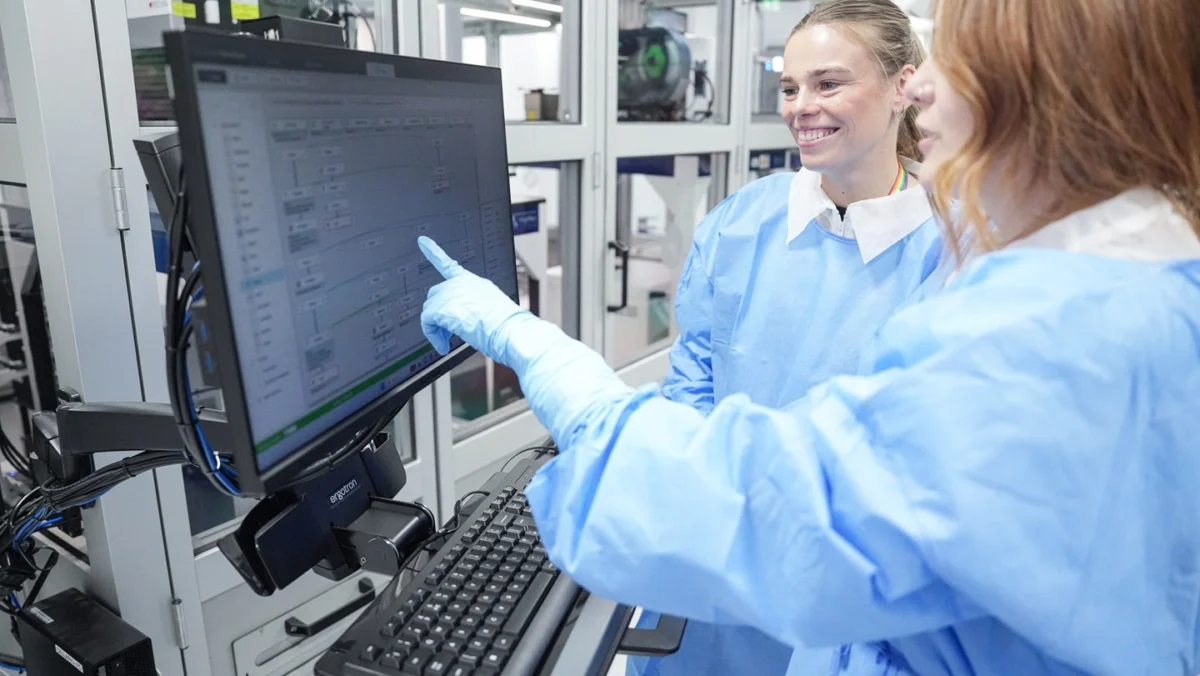
LIVERPOOL, UK – The global fight against infectious diseases has received a significant boost with the establishment of the Liverpool Accelerate Laboratory, a state-of-the-art £20 million ($23.2 million) robotic artificial intelligence (AI) facility. Spearheaded by the renowned Liverpool School of Tropical Medicine (LSTM), this cutting-edge laboratory is set to revolutionize the way drugs and vaccines are tested, offering a powerful new weapon against a spectrum of pathogens, from prevalent infections to high-consequence diseases.
n
Expected to commence full operations in 2027, the laboratory represents a pivotal advancement in medical research. It promises to dramatically accelerate the discovery and development of novel treatments by integrating sophisticated robotics, machine learning, and, critically, human organoid technology. This innovative approach is poised to reduce the reliance on traditional animal testing, aligning with evolving ethical standards and a national roadmap towards more human-relevant research models. Beyond its scientific prowess, the facility is projected to inject a substantial £40 million in investment into the region within its first three years, simultaneously creating a significant number of new, high-value jobs in the burgeoning life sciences sector.
n
A Timeline of Innovation and Investment
n
The genesis of the Liverpool Accelerate Laboratory is rooted in collaborative vision and strategic investment. Developed in partnership with the LSTM-led iiCON: Infection Innovation Consortium, the project secured vital funding from the Liverpool City Region Combined Authority, underscoring a shared commitment to fostering scientific excellence and regional economic growth.
n
The journey began with years of foundational research at LSTM, particularly in the pioneering field of organoid development. These miniature, lab-grown tissue cultures, designed to mimic human organs, have steadily gained recognition for their potential to provide more accurate and predictive models for disease progression and drug efficacy. The decision to integrate this biological innovation with advanced automation and AI was a logical next step, aimed at scaling up research capabilities and enhancing reproducibility.
n
While the facility’s physical structure and core technological components are largely in place, the official opening for full operational capacity is slated for 2027. This phased launch allows for rigorous calibration, system integration, and the meticulous training of the highly specialized personnel required to manage such an advanced research environment. Once fully operational, the lab is not only expected to attract world-leading researchers and pharmaceutical companies but also to generate substantial economic dividends. The forecasted £40 million in investment within its initial three years of operation will be a testament to its impact, drawing in further research grants, commercial partnerships, and fostering a vibrant ecosystem for biotechnological innovation. This economic injection is anticipated to translate directly into job creation across various disciplines, including scientific researchers, bioinformaticians, robotics engineers, data scientists, and support staff, solidifying Liverpool’s position as a hub for medical and technological advancement.
n
Supporting Data: The Convergence of Biology, AI, and Security
n
The Liverpool Accelerate Laboratory stands out due to its unique fusion of cutting-edge biological models with intelligent automation, all housed within a highly secure environment. This multi-faceted approach addresses critical limitations of traditional drug discovery and positions the facility at the forefront of infectious disease research.
n
The Power of Human Organoids: Beyond Animal Testing
n
At the heart of the lab’s methodology lies the sophisticated use of human organoids. These three-dimensional multicellular constructs are meticulously grown in the laboratory from stem cells, coaxed to differentiate and self-organize into structures that closely resemble the architecture and function of actual human organs like the gut, liver, or lungs. Unlike traditional two-dimensional cell cultures, which often fail to replicate the complex physiological environment of the human body, organoids offer a more relevant and predictive model for studying disease mechanisms and assessing the efficacy and toxicity of potential treatments.
n
Researchers and pharmaceutical companies will leverage these human organoids to evaluate how novel drugs and vaccines interact with human tissues, providing insights that were previously only attainable through animal models or clinical trials. This significantly reduces the reliance on animal testing, a practice that, while historically crucial, faces increasing ethical scrutiny and often yields results that do not perfectly translate to human physiology due to species-specific differences. The use of human organoids represents a crucial step forward in the UK Government’s £75 million national roadmap, which seeks to transition away from animal testing towards more human-relevant alternatives. This shift not only addresses ethical concerns but also promises to deliver more accurate and translatable data, potentially shortening the drug development timeline and reducing the high failure rate of drugs in clinical trials.
n
Robotic AI and Machine Learning: Precision, Speed, and Scale
n
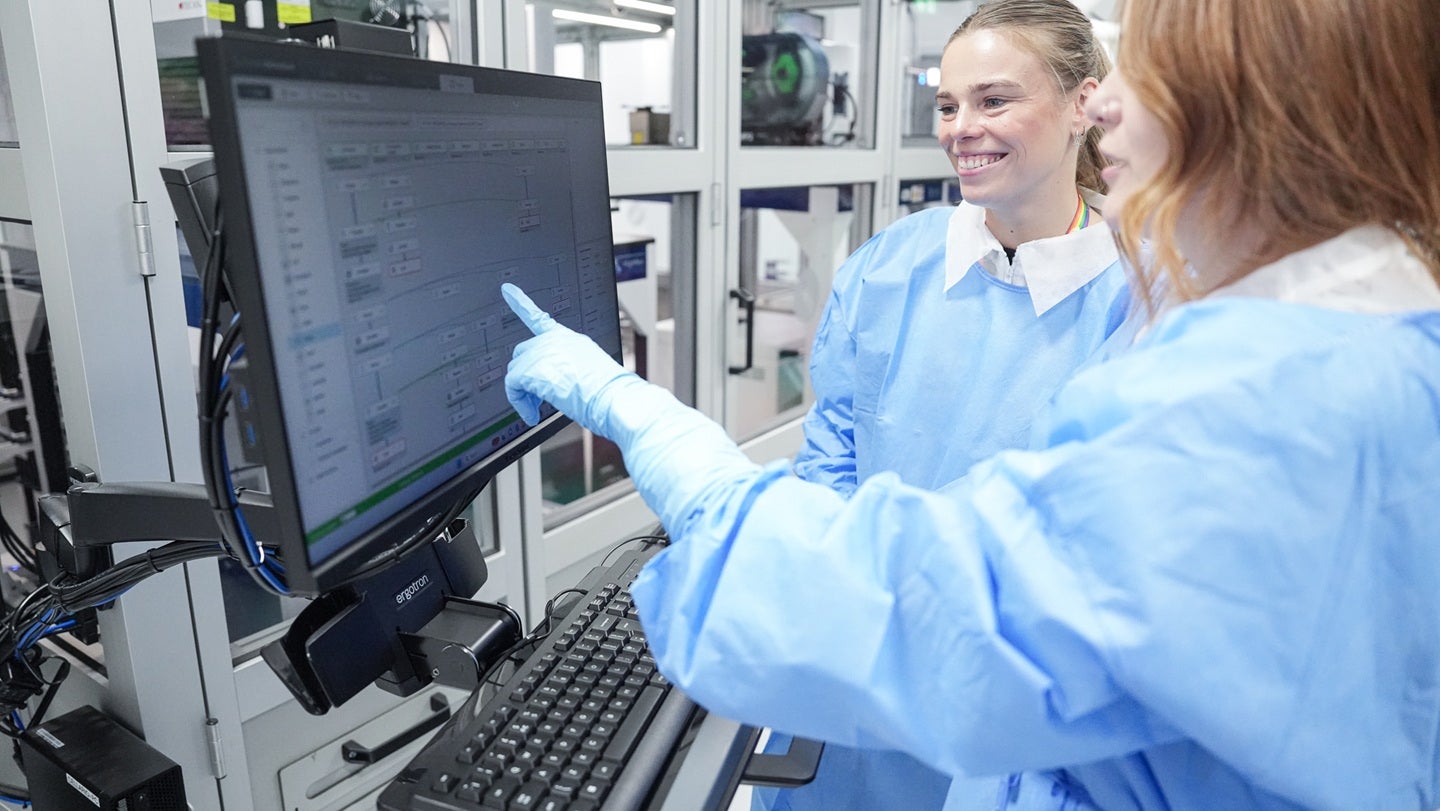
The integration of robotic AI and machine learning capabilities is what truly elevates the Liverpool Accelerate Laboratory beyond conventional research facilities. Automation allows for high-throughput screening of thousands of compounds against various pathogens in organoid models simultaneously, a task that would be impossible or prohibitively time-consuming with manual methods. Robotic arms handle precise liquid dispensing, plate transfers, and sample processing, minimizing human error and ensuring unparalleled reproducibility of experiments.
n
Machine learning algorithms are employed to analyze the vast datasets generated by these automated experiments. This includes image analysis of organoid responses, identification of subtle changes indicative of drug efficacy or toxicity, and pattern recognition to predict how potential treatments might perform in a diverse human population. This intelligent automation not only accelerates the pace of research but also introduces a level of precision and statistical power previously unattainable. By automating repetitive tasks, scientists are freed to focus on higher-level analysis, experimental design, and the interpretation of complex results, driving innovation more efficiently. The combination of robotics and AI ensures that the lab can conduct research at an unprecedented scale and speed, critical for responding rapidly to emerging infectious disease threats and developing advanced human infection models.
n
Containment Level 3 (CL3) Facility: Safeguarding Research and Public Health
n
All of this groundbreaking work will take place within a highly specialized Containment Level 3 (CL3) facility. A CL3 laboratory is designed to safely handle pathogens that can cause serious or potentially lethal disease through inhalation, requiring stringent safety measures to protect researchers and prevent environmental contamination. This includes specialized ventilation systems that filter exhaust air, restricted access controls, negative air pressure to ensure air flows inwards, and robust decontamination protocols.
n
The CL3 classification is crucial because it permits scientists to work with dangerous pathogens such as Salmonella, Mycobacterium tuberculosis (TB), and other high-consequence infectious agents. By enabling the study of these challenging pathogens within a secure, automated environment, the lab can develop and test treatments under conditions that closely mimic real-world infection scenarios without compromising safety. The facility’s steel-clad construction further reinforces its security, designed to meet and even exceed forthcoming changes to the Terrorism Act, reflecting a proactive approach to bioseosecurity and the responsible handling of potentially hazardous biological materials. This commitment to security ensures that pioneering research can be conducted safely and ethically, protecting both the scientific community and the wider public.
n
Official Responses: Vision and Impact
n
The establishment of the Liverpool Accelerate Laboratory has been met with significant enthusiasm from its leadership, who underscore its transformative potential.
n
Professor Giancarlo Biagini, LSTM’s Research and Innovation Pro Vice-Chancellor, articulated the profound significance of this new facility: “The Liverpool Accelerate Laboratory is an advanced facility that builds on years of pioneering organoid research at LSTM and partner organisations. It harnesses the potential held by this exciting technology to accelerate the development of advanced human infection models for emerging and high-consequence diseases. By incorporating machine learning, AI and robotics in a highly secure Category 3 facility, we are automating the development and commercialisation of these advanced organoid models, to expand the scale and speed of infectious disease research and development while delivering precision and reproducibility.” Professor Biagini’s remarks highlight the culmination of past research and the strategic leap forward represented by the lab’s integrated technologies.
n
Adding to this perspective, Professor Janet Hemingway, founding director of the iiCON: Infection Innovation Consortium, emphasized the ethical and scientific advancements inherent in the lab’s approach: “Research using human organoids is at the cutting edge of infection research and development (R&D)—moving drug discovery away from animal testing and offering new ways of shaping more targeted treatments to respond to some of our most challenging infections.” Her statement underscores the dual benefit of the lab: ethical progress in research methodologies and the promise of more effective, tailored therapies.
n
The complex task of bringing these disparate technologies together has been a monumental effort. Postdoctoral research assistant Claire Caygill has been instrumental in this process, dedicating her expertise to "integrating the robotics and biology systems at the lab." Her work exemplifies the highly specialized skills and collaborative spirit required to make such an ambitious project a reality, bridging the gap between sophisticated machinery and intricate biological models.
n
Implications: Shaping the Future of Global Health
n
The Liverpool Accelerate Laboratory carries profound implications that extend far beyond its immediate research outputs, promising to reshape the landscape of infectious disease research, pharmaceutical development, and regional economic prosperity.
n
A Catalyst for Global Health Security
n
In an era marked by persistent and emerging infectious disease threats, from antimicrobial resistance to novel pandemics, the ability to rapidly develop and test new drugs and vaccines is paramount to global health security. This laboratory will serve as a critical hub for such efforts, enabling quicker responses to outbreaks and accelerating the pipeline of much-needed therapies. By focusing on human-relevant models, the facility increases the likelihood that treatments identified in the lab will be effective in patients, reducing the time and resources wasted on compounds that fail in later clinical stages. This enhanced capability positions the UK, and Liverpool specifically, as a leader in global health preparedness and innovation.
n
Transforming Pharmaceutical R&D and Commercialisation
n
The open-access model of the laboratory, which welcomes businesses of all sizes, is a significant feature designed to foster a dynamic ecosystem of innovation. By offering initial pilot studies specifically tailored for small and medium-sized enterprises (SMEs) and start-ups, the facility democratizes access to cutting-edge infrastructure that would otherwise be prohibitively expensive or complex for smaller entities to develop independently. This collaborative approach will accelerate the commercialisation of new vaccines and drugs, translating scientific discoveries into tangible health solutions more rapidly. It encourages partnerships between academia, industry, and government, creating a virtuous cycle of research, development, and economic growth within the life sciences sector.
n
Ethical and Regulatory Advancements
n
The lab’s strong emphasis on reducing reliance on animal testing is not merely an ethical imperative but also a driver for regulatory change. As the UK government actively pursues alternatives to animal research, facilities like the Liverpool Accelerate Laboratory provide compelling evidence of the scientific validity and practical feasibility of human-relevant models. This could influence future regulatory guidelines for drug approval, pushing the entire pharmaceutical industry towards more ethical and scientifically robust testing methods. The steel-clad design, meticulously planned to meet forthcoming changes to the Terrorism Act, further underscores a commitment to ethical conduct and responsible innovation, ensuring that advanced biological research is conducted within the strictest security parameters.
Boosting Regional Economic Development
The projected £40 million investment and job creation within the Liverpool City Region are more than just numbers; they represent a significant boost to the local economy and an enhancement of the region’s intellectual capital. By attracting top-tier scientific talent and fostering a vibrant research environment, the laboratory will solidify Liverpool’s reputation as a burgeoning hub for life sciences and advanced technology. This, in turn, can attract further investment, stimulate ancillary industries, and create a powerful ripple effect across the regional economy, creating a legacy of scientific and economic prosperity.
In essence, the Liverpool Accelerate Laboratory is more than just a new research facility; it is a beacon of innovation, representing a strategic investment in the future of human health, ethical scientific practice, and regional economic vitality. Its unique combination of human organoids, robotic AI, and a high-security environment positions it as a pivotal player in the ongoing global battle against infectious diseases, promising a future of faster, more precise, and more ethically sound drug and vaccine development.

