
In an era defined by the relentless "ping" of digital notifications and the dopamine-driven architecture of social media, a surprisingly low-tech intervention is gaining traction among clinicians and neuroscientists: the humble pencil. Long dismissed as a mere hobby or a distraction for children, drawing is being repositioned as a sophisticated method for nervous system regulation—a "displacement" tool capable of countering the physiological cascades that drive stress, anxiety, and addictive behaviors.
n
The resurgence of interest in drawing is not merely a social media trend; it is increasingly backed by a growing body of research, including the recently published Art-Based Recovery Capital Framework. By engaging the brain’s motor planning regions and demanding sensory synchronicity, drawing offers a neurological "reset" that can transition the human body from a state of high-alert agitation to one of physiological equilibrium.
n
Main Facts: The 10-Minute Reset
n
The core premise of this movement is that the human nervous system is currently under siege by the "gamification" of modern life. Smartphones and their associated applications are designed to keep the user in a state of constant anticipation, triggering the release of stress hormones like cortisol. According to a landmark report in The Washington Post, this "always-on-alert" status manifests as increased heart rate, muscle tension, and elevated blood pressure—the classic "fight or flight" response.
n
However, recent studies suggest that as little as 10 minutes of drawing per day can interrupt this cycle. Drawing serves as a form of sensory awareness therapy. Unlike passive consumption of digital media, the act of putting pencil to paper requires an intricate dance between the eyes, the hands, and the motor planning regions of the brain. This "anchoring" of attention in the present moment prevents the mind from wandering into the ruminative loops of worry or overthinking that characterize both generalized anxiety and the "craving" states of addiction.
n
Chronology: From Churchill’s "Black Dog" to Modern Neuro-Art
n
The recognition of art as a therapeutic necessity is not new, but its categorization as a tool for "nervous system regulation" is a modern evolution.
n
Historically, figures like Winston Churchill utilized painting to manage what he called his "Black Dog"—his bouts of debilitating depression. Churchill’s use of art was an early, intuitive form of "behavioral activation," a clinical technique used to treat depression by encouraging engagement in rewarding activities.
n
By the mid-20th century, art therapy began to formalize as a discipline, primarily focusing on the symbolic meaning of the art produced. However, by the early 2020s, the focus began to shift from the content of the art to the process of making it.
n
In June 2020, a study published in Frontiers in Neural Circuits highlighted the Nucleus Accumbens as a common target in the comorbidity of depression and addiction, suggesting that interventions targeting this region could be dual-purpose. By 2025, a meta-analytical systematic review in the Journal of Psychiatric Research confirmed that art therapy significantly reduced anxiety and depression in specific clinical populations, such as women with breast cancer.
n
By August 2026, the conversation reached a tipping point. The publication of the Art-Based Recovery Capital Framework by Ignacio Bonasa Alzuria provided a structured, clinical pathway for using art not just for expression, but for "existential reconstruction" in addiction recovery. This chronology marks the transition of drawing from a "nice-to-have" hobby to a "need-to-have" neurological intervention.
n
Supporting Data: The Science of Displacement and Flow
n
To understand why drawing works, one must look at the "Unified Theory of Addiction." This theory posits that addictive behavior is often instigated by the act of "displacement." When a human experiences stress that they cannot resolve through direct action, they seek a displacement activity to relieve the tension. Traditionally, this displacement might involve substances or compulsive digital use.
n
Drawing functions as a "healthy displacement." When a person picks up a pencil instead of a smartphone or a substance, they are redirecting the nervous system’s need for relief into a constructive motor task.
n
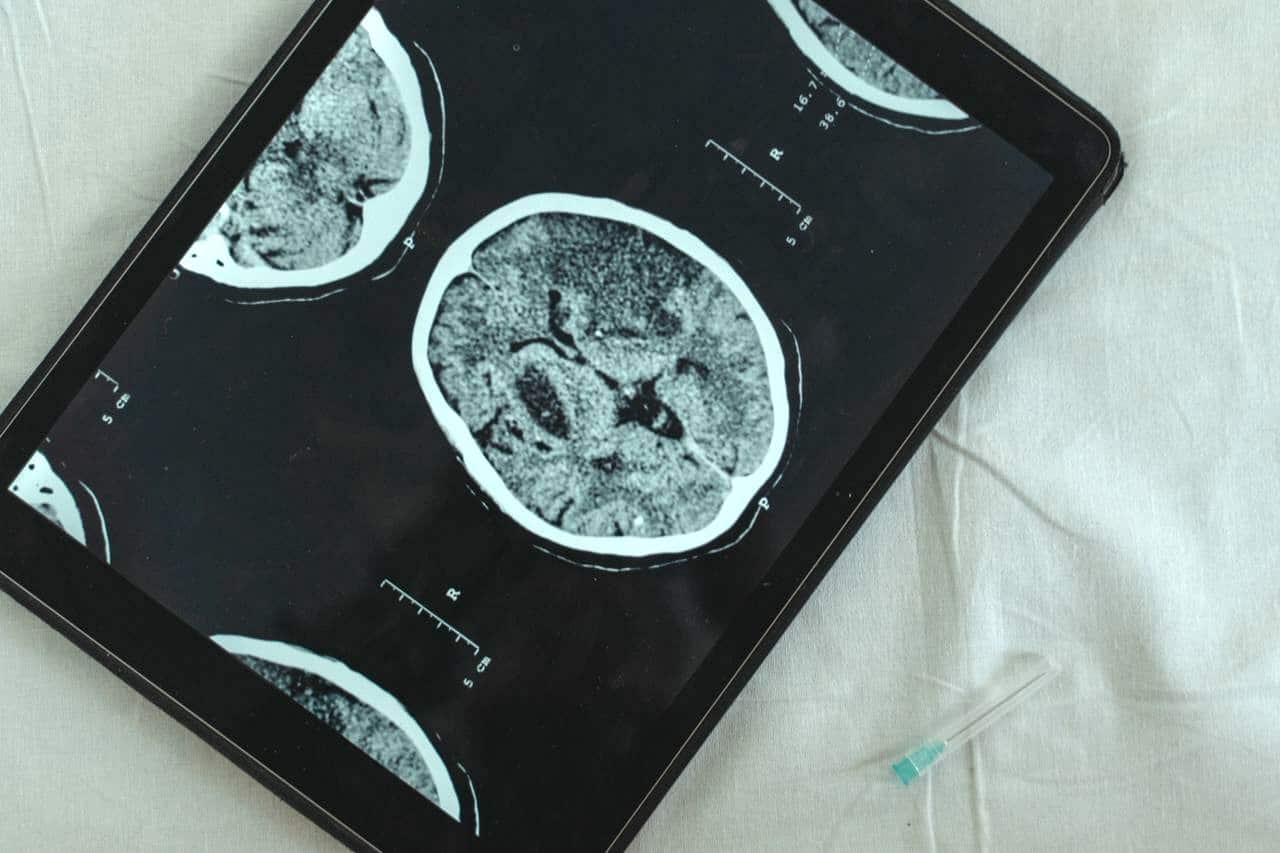
Neurological Coordination:nDrawing requires constant communication between several brain regions:
n
- n
- The Visual Cortex: Processing shapes, colors, and lines.
- The Motor Cortex: Controlling the fine motor movements of the hand.
- The Prefrontal Cortex: Planning the next stroke and maintaining focus.
n
n
n
n
This high level of "cross-talk" in the brain creates a state often referred to as "Flow." In this state, the brain’s "Default Mode Network"—the area associated with self-referential thought and mind-wandering—is suppressed. For someone in recovery or suffering from chronic stress, suppressing the Default Mode Network is crucial because it is the seat of "negative self-talk" and craving.
n
The Cortisol Counter-Measure:nPhysiological data shows that the "rest and digest" (parasympathetic) nervous system is activated during focused creative tasks. Heart rates stabilize, and the production of cortisol—the body’s primary stress hormone—is inhibited. This is why social media users and clinicians alike refer to "returning to baseline." Baseline is the state where the body is no longer reacting to a perceived threat, allowing for rational decision-making and emotional regulation.
n
Official Responses: The Art-Based Recovery Capital Framework
n
The clinical community has begun to formalize these findings into actionable frameworks. The Art-Based Recovery Capital Framework (2026) is perhaps the most significant of these. "Recovery Capital" refers to the internal and external resources a person can draw upon to initiate and sustain recovery from addiction.
n
The framework’s central thesis is that addiction recovery is strengthened when clinical stabilization is accompanied by symbolic, relational, and existential reconstruction. The authors of the framework are careful to note that art is not a "cure-all."
n
"This does not make art a cure, nor does it replace medical or psychological treatment," the framework states. "It positions art as a structured human pathway for expanding recovery capital."
n
The framework suggests that art-making activities allow individuals to:
n
- Externalize Pain: Moving internal trauma onto a physical medium where it can be examined objectively.
- Rebuild Identity: Transitioning from the identity of an "addict" or "patient" to that of a "creator."
- Translate Insight into Action: The discipline of finishing a drawing translates into the discipline required for long-term sobriety.
Leading psychologists have responded to this framework with cautious optimism, noting that while art therapy has been used for decades, the specific focus on "nervous system regulation" provides a more measurable, biological metric for success than traditional "expressive" art therapy.
Implications: The Future of Mental Health and Daily Practice
The implications of recognizing drawing as a tool for nervous system regulation are profound, particularly for public health and the treatment of comorbidities.
Democratization of Therapy:
One of the most significant implications is the accessibility of this "treatment." Unlike expensive pharmaceutical interventions or high-cost therapy sessions, a sketchbook and pencil are universally accessible. This allows individuals in low-income or rural areas to engage in a form of self-regulation that was previously locked behind a clinical door.
Addressing Digital Addiction:
As society grapples with the fallout of the "Attention Economy," drawing offers a tangible way to "unplug." By using a smartphone to learn about drawing—as seen in current social media trends—users are ironically using the source of their stress to find a way out of it. This suggests a future where digital platforms might be required to integrate "analog breaks" or promote off-screen activities to mitigate the harm of their own interfaces.
The Role in Comorbidity:
Because depression is a common comorbidity of addiction, the dual-action nature of drawing is vital. By targeting the Nucleus Accumbens and the brain’s reward systems through the small, frequent "wins" of completing a sketch, drawing can help lift the "anhedonia" (the inability to feel pleasure) that often leads to relapse in early recovery.
A New Daily Routine:
For the average person not struggling with clinical addiction, the takeaway is clear: drawing is a form of mental hygiene. Much like brushing one’s teeth or exercising, a daily "10-minute sketch" may become a standard recommendation for maintaining emotional health in a high-stress world.
As Katie McCaskey, a proponent of the practice, notes: "A daily drawing has been a great addition to my life. It relaxes the mind and body. Drawing offers another way to communicate with others. Or, it can function as an ongoing conversation with yourself."
In conclusion, the movement toward drawing as a clinical and personal tool represents a pivot back to the physical world. It is an acknowledgment that while our minds may be increasingly digital, our nervous systems remain stubbornly, beautifully analog. To regulate them, we may not need a new app; we may simply need a fresh sheet of paper and the willingness to make a mark.

