
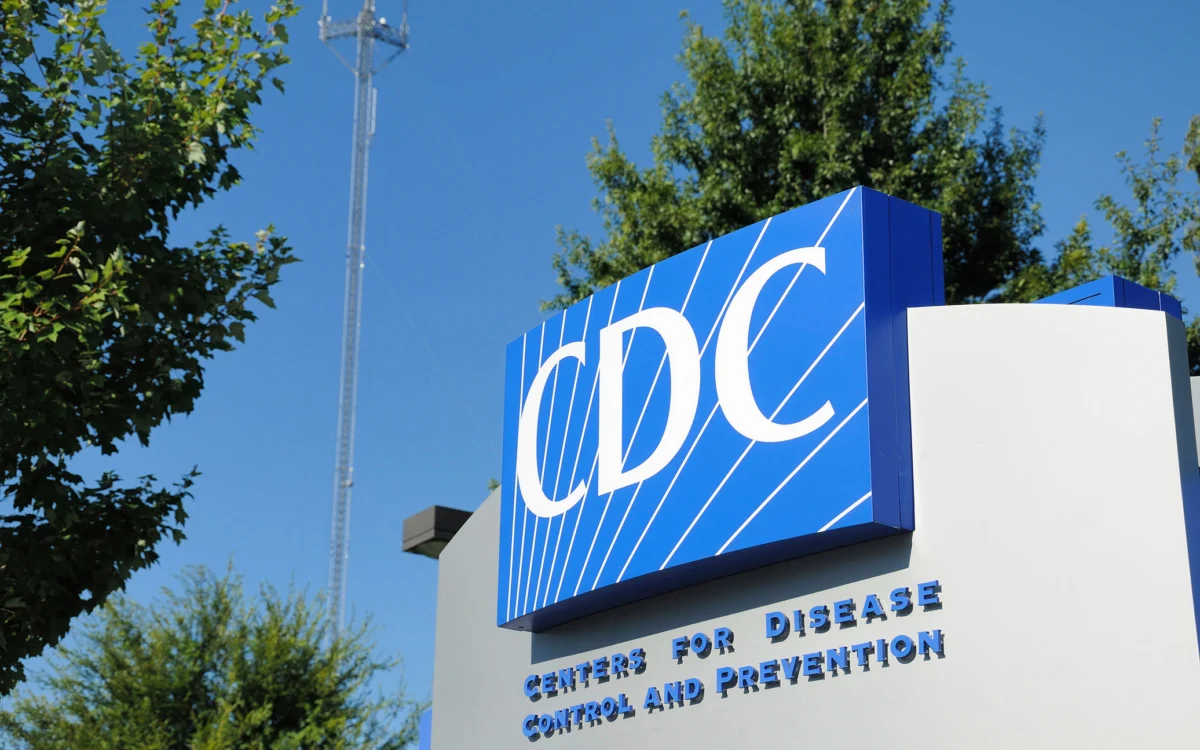
ATLANTA, GA – After nearly 14 years evading justice, Poul Thorsen, a former visiting scientist with the U.S. Centers for Disease Control and Prevention (CDC), has pleaded guilty to orchestrating a sophisticated wire fraud scheme that diverted over $1 million in federal grant funds intended for critical autism and birth defect research. The 65-year-old Danish researcher, once a fixture on the U.S. Department of Health and Human Services Office of Inspector General’s (HHS OIG) list of most wanted fugitives, was extradited from Germany earlier this year, finally bringing an end to his long flight from accountability.
n
Thorsen’s plea, entered this month, marks a significant victory for federal prosecutors and an important conclusion to a case that has cast a long shadow over scientific integrity and the responsible stewardship of public funds. The stolen money, earmarked for vital studies into the causes of developmental disabilities, was instead used by Thorsen to finance a lavish personal lifestyle, including luxury vehicles and real estate. His sentencing is slated for December 1.
n
Main Facts of the Case
n
Poul Thorsen, a Danish national, served as a visiting scientist at the CDC, a position that granted him access and oversight over substantial federal research grants. Between 2000 and 2009, he was designated as the principal investigator for more than $11 million in grants awarded by the CDC to the Danish government. These funds were specifically allocated for groundbreaking research projects, including studies on the potential link between autism and vaccine exposure, the association between cerebral palsy and infection during pregnancy, and the connection between childhood development and fetal alcohol exposure.
n
The core of Thorsen’s criminal enterprise involved the systematic falsification of financial documents and the illicit redirection of grant money. Federal prosecutors detailed how, from 2004 to 2008, Thorsen meticulously crafted fraudulent documents bearing the forged signatures of CDC officials. These documents were then presented to Danish authorities, a university, and a hospital that were collaborators in the research, ostensibly to justify reimbursement for expenses he claimed were legitimate and related to the CDC grants.
n
The scheme successfully duped Aarhus University in Denmark into transferring hundreds of thousands of dollars. However, instead of flowing into legitimate CDC-associated accounts for research purposes, these funds were channeled directly into accounts controlled by Thorsen himself. With these stolen public funds, Thorsen embarked on a spending spree, acquiring a home in Atlanta, a Harley Davidson motorcycle, and high-end vehicles from Audi and Honda. Further investigations revealed he also made significant cash withdrawals, settled personal credit card debts, and transferred funds to various other accounts, ultimately diverting more than $1 million for his personal enrichment.
n
An arrest warrant was issued for Thorsen in April 2011, detailing 13 counts of wire fraud and 9 counts of money laundering. Despite these serious charges, Thorsen managed to elude capture for over a decade, residing primarily in Denmark, which initially refused his extradition. His apprehension in Germany in June 2025, followed by his subsequent extradition to the United States, finally set the stage for his admission of guilt and the impending judicial consequences.
n
Chronology of Deceit and Pursuit
n
The unfolding of Poul Thorsen’s fraud and his eventual capture spans over two decades, painting a detailed picture of calculated deception, international pursuit, and the unwavering commitment of law enforcement.
n
The Genesis of Trust: Thorsen’s Role at the CDC
n
Poul Thorsen’s association with the CDC began years before his fraudulent activities came to light. As a visiting scientist, he was granted a position of considerable trust and responsibility, particularly in the realm of international research collaborations. His role as principal investigator for substantial grants to the Danish government underscored his perceived expertise and reliability within the scientific community. These grants, totaling over $11 million, were critical for advancing understanding in complex public health areas, especially those related to childhood developmental disorders. The nature of these studies, touching upon sensitive topics like autism and vaccine safety, demanded the highest levels of ethical conduct and financial transparency.
n
The Scheme Unfolds: 2004-2008
n
The period between 2004 and 2008 marked the active phase of Thorsen’s fraudulent operation. Leveraging his intimate knowledge of grant administration and international financial transfers, he systematically exploited the system. His method was intricate yet effective:
n
- n
- Forged Documents: Thorsen created bogus invoices and reimbursement requests. Crucially, these documents were made to appear legitimate by including the forged signatures of actual CDC officials, lending them an air of official sanction.
- Misdirection of Funds: These fraudulent documents were then submitted to Danish partner institutions, including Aarhus University. Believing they were reimbursing legitimate CDC-related expenses, these institutions transferred significant sums of money.
- Personal Accounts: Instead of these funds returning to the CDC or designated research accounts, Thorsen had configured the transfers to direct the money into bank accounts he personally controlled. This was a critical step in diverting public funds directly into his pockets.
- Lifestyle Inflation: The stolen money was not merely held; it was actively spent. Federal investigators meticulously tracked the funds to various personal acquisitions: a house in Atlanta, a symbol of his newfound domestic luxury; a Harley Davidson motorcycle, emblematic of a desire for leisure; and high-end vehicles from Audi and Honda, further cementing his elevated lifestyle. Beyond these major purchases, Thorsen also used the funds for routine personal expenses, including cash withdrawals and credit card payments, effectively treating federal grant money as his personal income.
n
n
n
n
n
Discovery and the Warrant: 2011
n
The elaborate scheme eventually began to unravel. Details regarding how the fraud was initially detected are not fully public, but typically such cases come to light through audits, whistleblowers, or discrepancies in financial reporting. Once irregularities were identified, federal investigators, likely from the HHS OIG and the FBI, initiated a thorough probe. This investigation culminated in the issuance of an arrest warrant for Poul Thorsen in April 2011. The warrant detailed 13 counts of wire fraud and 9 counts of money laundering, outlining the full scope of his alleged criminal activities.
n
The Fugitive Years: 2011-2025
n
Upon the issuance of the warrant, Thorsen, who had likely been residing in Denmark, became an international fugitive. For nearly 14 years, he managed to evade U.S. law enforcement. During this period, he was prominently featured on the HHS OIG’s "Most Wanted Fugitives" list, a testament to the seriousness of his crimes and the persistent efforts to bring him to justice. His continued presence in Denmark, a country with complex extradition protocols, posed a significant challenge. While U.S. authorities pursued all diplomatic and legal avenues, Thorsen remained beyond their immediate reach. This prolonged period on the run highlighted the difficulties in apprehending individuals who cross international borders, particularly when host nations are hesitant to extradite.
n
Arrest, Extradition, and Plea: June 2025 – November 2026
n
The long international chase finally concluded in June 2025, when Poul Thorsen was apprehended in Germany. The specific circumstances of his arrest remain confidential, but it signifies a breakthrough in international law enforcement cooperation. Following his arrest, a complex extradition process commenced. This legal and diplomatic endeavor, often lengthy and intricate, ultimately succeeded in transferring Thorsen into U.S. custody.
n
Once back on American soil, Thorsen faced the charges that had been pending for over a decade. This month, in November 2026, he formally pleaded guilty to operating a wire fraud scheme, acknowledging his role in the systematic theft of federal grant funds. His plea brings an end to the uncertainty surrounding his case and sets the stage for his sentencing.
n
Sentencing: December 1
n
With his guilty plea entered, the final judicial step is sentencing. Poul Thorsen is scheduled to be sentenced on December 1. This will be the culmination of years of investigation and pursuit, and the moment when the court will determine the appropriate punishment for his crimes, including potential prison time and orders for restitution.
n
Supporting Data and Context
n
The magnitude of Thorsen’s crime extends far beyond the financial sum. His actions undermined critical public health research, eroded public trust, and demonstrated a profound betrayal of the scientific community.
The Significance of the CDC Grants
The grants Thorsen was entrusted with were not merely academic funding; they were investments in public health and the well-being of future generations. The research areas he was meant to oversee are among the most sensitive and impactful:
- Autism and Vaccine Exposure: This area of research has been historically fraught with misinformation and public concern. Robust, ethical, and transparent studies are essential to provide evidence-based answers and quell unfounded fears. Thorsen’s fraud, particularly given the contentious nature of this topic, could have further fueled distrust in scientific findings.
- Cerebral Palsy and Infection During Pregnancy: Understanding the links between maternal infections and cerebral palsy is vital for developing preventative strategies and improving prenatal care.
- Childhood Development and Fetal Alcohol Exposure: Research into Fetal Alcohol Spectrum Disorders (FASD) is crucial for public awareness campaigns, early intervention strategies, and support for affected children and families.
Diverting funds from these studies not only deprived legitimate researchers of resources but also potentially delayed or compromised findings that could have had significant public health benefits. It represents a theft not just of money, but of opportunity for scientific advancement and human welfare.
The Financial Modus Operandi
The $1 million Thorsen diverted was not a single lump sum but rather a series of fraudulent reimbursements over several years. This systematic approach suggests a calculated and ongoing criminal intent rather than an isolated lapse in judgment. The forged signatures of CDC officials were key to convincing Danish partners that the expenses were legitimate and authorized by the U.S. government. This level of deception required an intimate understanding of both CDC protocols and the administrative processes of the collaborating Danish institutions. The detailed tracking of funds to his personal acquisitions – the Atlanta home, the luxury vehicles – provides concrete evidence of his intent to enrich himself at the public’s expense.
Impact on Research Integrity and Public Trust
Cases like Thorsen’s inflict severe damage on the scientific enterprise.
- Erosion of Trust in Research: When a high-profile researcher is found guilty of fraud, it can undermine public confidence in the integrity of scientific studies, particularly in sensitive fields like autism research. This erosion of trust can make it harder for legitimate research to gain acceptance and for public health recommendations to be followed.
- Damage to Collaborations: International research collaborations, which are vital for tackling global health challenges, rely heavily on trust and transparency. Thorsen’s actions could make partner institutions more wary of future collaborations and increase administrative burdens as stricter oversight measures are implemented.
- Resource Depletion: Every dollar stolen is a dollar not spent on its intended purpose. In a field where funding is often competitive and resources scarce, Thorsen’s greed directly deprived legitimate scientists and important research projects of crucial support.
Official Responses and the Pursuit of Justice
The U.S. Attorney’s Office for the Northern District of Georgia has spearheaded the prosecution, emphasizing the grave nature of Thorsen’s offenses.
U.S. Attorney Theodore S. Hertzberg’s Statement
U.S. Attorney Theodore S. Hertzberg articulated the severity of Thorsen’s crimes and the commitment to justice: “Poul Thorsen ran a multi-year fraud scheme to cheat the CDC, diverting valuable federal grant money to service his greed and inflated lifestyle. His fraud was especially reprehensible because he stole public funds that had been earmarked for research related to infant disabilities and birth defects. After evading justice for more than 14 years, Thorsen will finally be held accountable in a federal prison cell and ordered to pay full restitution to the CDC.”
Hertzberg’s statement underscores several key points:
- Deliberate Nature: The "multi-year fraud scheme" highlights the premeditated and sustained nature of Thorsen’s criminal activity.
- Motivation: The phrase "service his greed and inflated lifestyle" points directly to personal enrichment as the driving force behind the fraud.
- Egregious Impact: Labeling the fraud "especially reprehensible" due to its target – funds for research into infant disabilities and birth defects – emphasizes the vulnerability of the intended beneficiaries and the moral reprehensibility of the act.
- Accountability: The promise of a "federal prison cell and ordered to pay full restitution" signals a robust response from the justice system, aiming for both punitive and restorative outcomes.
Interagency Cooperation
The successful apprehension and prosecution of Thorsen were the result of extensive interagency and international cooperation. The U.S. Department of Health and Human Services Office of Inspector General (HHS OIG) played a pivotal role in identifying Thorsen as a top fugitive and coordinating efforts to locate him. The Federal Bureau of Investigation (FBI) provided critical investigative resources. Crucially, the cooperation of international partners, particularly law enforcement agencies in Germany and Denmark, was indispensable in tracking, apprehending, and ultimately extraditing Thorsen. This collaborative effort demonstrates the reach and determination of global law enforcement to pursue individuals who commit financial crimes that cross national borders.
Implications and Lessons Learned
Poul Thorsen’s case carries profound implications for scientific integrity, public trust, and the oversight of federal funding.
Strengthening Research Oversight
The incident will undoubtedly prompt a review of existing protocols for managing international research grants. Funding bodies like the CDC, along with universities and collaborating institutions, will likely scrutinize their financial oversight mechanisms more rigorously. This could include:
- Enhanced Verification: Stricter verification processes for expense reimbursements, especially those involving foreign transfers.
- Digital Signatures and Multi-Factor Authentication: Moving away from reliance on physical signatures to more secure digital authentication methods for approving financial transactions.
- Regular Audits: More frequent and comprehensive audits of grant expenditures, both domestically and internationally.
- Training for Researchers: Emphasizing ethical conduct and financial accountability training for all grant recipients and principal investigators.
Rebuilding Public Trust
The public’s trust in scientific research and government institutions is fragile. High-profile cases of fraud, particularly in sensitive areas like autism research, can severely damage this trust. The successful prosecution of Thorsen sends a clear message that such abuses will not be tolerated and that perpetrators will be held accountable, regardless of how long they manage to evade justice. This commitment to accountability is essential for rebuilding and maintaining public confidence in the integrity of publicly funded research.
Deterrence and International Cooperation
The 14-year pursuit and eventual capture of Thorsen serve as a powerful deterrent to others who might consider similar fraudulent schemes. It demonstrates that the long arm of U.S. law enforcement, in conjunction with international partners, can reach across borders and time to bring fugitives to justice. This case underscores the increasing importance of international agreements and cooperation in combating financial crimes in an interconnected world. Fugitives can no longer assume that simply crossing a border will grant them permanent immunity.
The Enduring Cost
While the financial restitution will eventually be sought, the full cost of Thorsen’s actions extends beyond the $1 million stolen. It includes the lost opportunity for critical research, the time and resources spent by investigators, the erosion of trust, and the potential chilling effect on future research collaborations. The case of Poul Thorsen stands as a stark reminder of the vigilance required to protect public funds and preserve the integrity of the scientific pursuit. His sentencing on December 1 will hopefully mark a definitive closure to this protracted saga of fraud and flight, and a reaffirmation of the principles of justice and accountability.

