
WASHINGTON, D.C. — In a decision hailed as a "historic milestone" by patient advocates and medical professionals alike, the U.S. Food and Drug Administration (FDA) has granted approval for finerenone (marketed under the brand name Kerendia) to treat chronic kidney disease (CKD) associated with type 1 diabetes (T1D).
n
The approval marks the first time in more than 30 years that a new therapeutic class has been authorized to slow the progression of kidney damage specifically in the type 1 diabetes population. For decades, patients living with T1D have relied on a limited arsenal of medications—primarily blood pressure stabilizers—to protect their renal health. Today’s announcement signals a paradigm shift in how the medical community addresses one of the most debilitating complications of the autoimmune condition.
n
The Core Facts: A New Shield for the Kidneys
n
Finerenone is a non-steroidal mineralocorticoid receptor antagonist (MRA). Unlike previous generations of treatments that focused primarily on managing systemic blood pressure to indirectly protect the kidneys, finerenone targets the underlying biological drivers of kidney decay: inflammation and fibrosis.
n
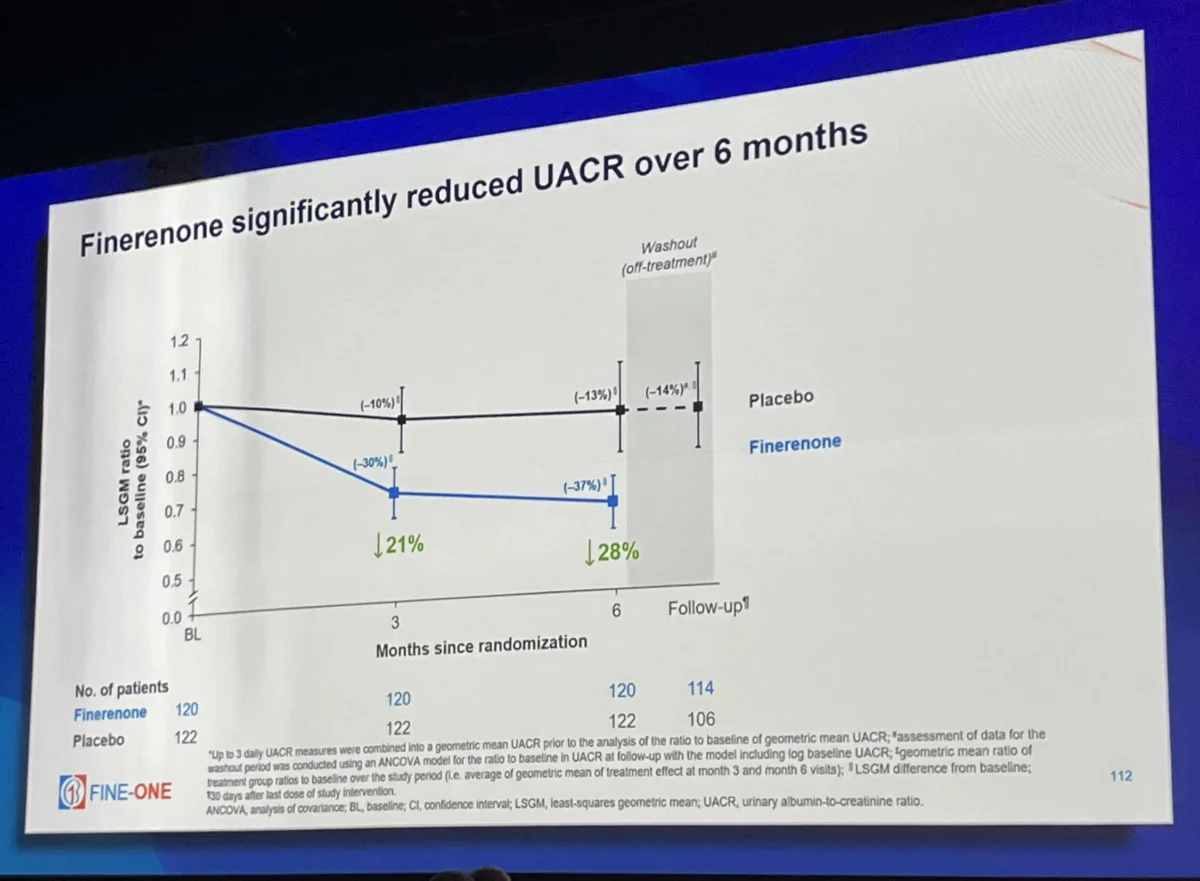
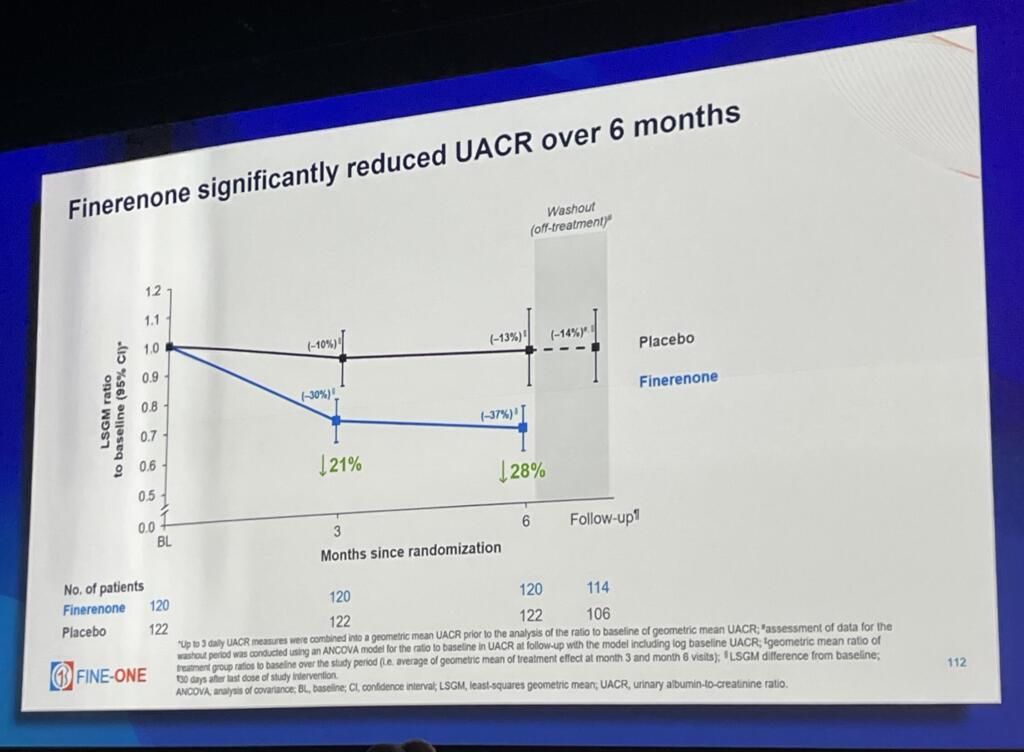
The FDA’s approval specifically authorizes finerenone to reduce the urinary albumin-to-creatinine ratio (UACR) in adults with CKD and T1D. UACR is a critical biomarker used by clinicians to detect "leakage" in the kidney’s filtration system. High levels of albumin in the urine are a precursor to end-stage renal disease (ESRD), cardiovascular events, and premature death. By significantly lowering this ratio, finerenone is expected to provide a vital buffer, delaying the need for dialysis or kidney transplantation.
n
"For the type 1 diabetes community, this is more than just a new prescription option; it is the end of a long-standing drought in innovation," said a spokesperson for the regulatory agency. "This therapy addresses a significant unmet medical need for a population that has been historically underserved in renal research."
n
Chronology: From Type 2 Success to Type 1 Innovation
n
The journey of finerenone to this moment has been a multi-year progression of clinical validation. While the drug is new to the type 1 community, its efficacy in the broader diabetic landscape has been established over the last several years.

n
- n
- July 2021: The FDA first approved finerenone (Kerendia) for the treatment of CKD in adults with type 2 diabetes (T2D). This approval was based on the FIDELIO-DKD and FIGARO-DKD trials, which demonstrated the drug’s ability to reduce the risk of sustained eGFR decline and cardiovascular death.
- July 2025: Finerenone received expanded indications for certain adults with heart failure, reflecting its broader benefits in the "cardio-renal" space.
- The FINE-ONE Trial: Recognizing that type 1 diabetes is a distinct autoimmune condition with different metabolic challenges than type 2, Bayer—the manufacturer of Kerendia—initiated the FINE-ONE clinical trial. This study was specifically designed to investigate whether the benefits seen in T2D would translate to the T1D population.
- September 2026: Following the successful completion of the FINE-ONE trial and a rigorous review of the data, the FDA officially expanded the drug’s label to include CKD associated with type 1 diabetes.
n
n
n
n
n
Supporting Data: The FINE-ONE Clinical Trial Results
n
The approval was underpinned by data from the FINE-ONE study, a global, randomized, double-blind, placebo-controlled Phase 3 trial. The study focused on the safety and efficacy of finerenone in adults with CKD and T1D who were already receiving the standard of care (usually ACE inhibitors or ARBs).
n
Primary Outcomes
n
The trial achieved its primary endpoint with high statistical significance. Patients treated with finerenone showed a marked reduction in UACR compared to those in the placebo group. Because UACR is a validated surrogate for kidney health, these results strongly suggest a long-term reduction in the risk of kidney failure.
n
Safety and Tolerability
n
One of the primary concerns with mineralocorticoid receptor antagonists has historically been hyperkalemia (dangerously high potassium levels). However, the FINE-ONE data, published in The New England Journal of Medicine, revealed that finerenone was well-tolerated. While some fluctuations in potassium were noted, they were manageable, and the trial reported few serious adverse events. No new safety signals emerged that were not already documented in the type 2 diabetes populations.
n
The Science of Blocking Aldosterone
n
The mechanism of finerenone is distinct from traditional steroidal MRAs like spironolactone. In patients with CKD, the hormone aldosterone becomes overactive. This overactivation triggers a cascade of inflammation and fibrosis (scarring) within the delicate tissues of the kidney. Finerenone acts as a "blocker," binding to the mineralocorticoid receptors to prevent this damage. By inhibiting these pathways, the drug allows the kidney to maintain its structural integrity longer than it would under the stress of uncontrolled aldosterone activity.
n
Official Responses: A "Major Win" for the Community
n
The announcement has sparked a wave of optimism among research organizations and patient advocacy groups. Breakthrough T1D (formerly JDRF), which strategically collaborated with Bayer to support the FINE-ONE trial, released a statement emphasizing the importance of industry partnership.
n
"Today, there are few treatments available for chronic kidney disease, a common complication of type 1 diabetes," said Jonathan Rosen, Ph.D., Research Director at Breakthrough T1D. "The approval of finerenone is a huge win for the T1D community. Breakthrough T1D thanks the FDA for its review and approval and Bayer for their commitment to giving people with T1D a new therapeutic option for chronic kidney disease."

n
Bayer executives also weighed in on the milestone. "Our goal has always been to transform the lives of patients living with the burden of chronic conditions," a Bayer spokesperson noted. "Bringing the first new renal therapy to the type 1 community in 30 years is a testament to our dedication to cardiovascular and renal health."
n
Medical professionals have also noted that the approval validates the "Improving Lives" portfolio, a strategy adopted by many diabetes organizations to focus not just on blood sugar management, but on the long-term complications that often determine a patient’s quality of life and lifespan.
n
Implications: Changing the Landscape of Diabetic Complications
n
The implications of this approval extend far beyond a single pill. It represents a shift in how the medical industry views type 1 diabetes complications.
n
Addressing the "30-Year Gap"
For three decades, the standard of care for CKD in T1D has remained stagnant, primarily consisting of Angiotensin-Converting Enzyme (ACE) inhibitors and Angiotensin Receptor Blockers (ARBs). While these drugs were revolutionary in the 1990s, they do not address the inflammatory components of kidney disease. Finerenone provides a secondary layer of protection that can be used in tandem with these older therapies, offering a "dual-defense" strategy.
The Burden of CKD in T1D
The statistics surrounding diabetes and kidney health are sobering. Approximately one-third of individuals living with type 1 diabetes will eventually develop chronic kidney disease. CKD is often a "silent" condition, progressing without symptoms until the damage is irreversible. Once the kidneys fail, the only options are lifelong dialysis or a transplant—both of which carry significant physical, emotional, and financial burdens. Furthermore, CKD drastically increases the risk of heart attacks and strokes.
The Future of "Cardio-Renal" Care
The approval of finerenone reinforces the importance of the "cardio-renal-metabolic" nexus. Physicians are increasingly recognizing that the heart and kidneys are deeply interconnected; damage to one often leads to damage in the other. By protecting the kidneys, finerenone also offers indirect benefits to the cardiovascular system, potentially reducing the high rate of heart-related deaths in the T1D community.
A Catalyst for Further Innovation
Perhaps the most significant implication is the message this sends to the pharmaceutical industry. For years, T1D was seen as a smaller market compared to T2D, leading to less investment in complication-specific research. The success of the FINE-ONE trial and the subsequent FDA approval prove that targeted therapies for T1D complications are both viable and necessary. This may open the door for other classes of drugs, such as SGLT2 inhibitors, to be more rigorously studied and approved for the T1D population.
Conclusion
The FDA approval of finerenone marks the dawn of a new era for people living with type 1 diabetes. By providing a once-daily oral treatment that specifically targets the biological drivers of kidney damage, the medical community has finally broken a 30-year stalemate. As this therapy becomes available in clinics across the country, it offers more than just a clinical benefit—it offers hope for a future where a diagnosis of type 1 diabetes does not inevitably lead to the fear of kidney failure.
Through the combined efforts of regulatory bodies like the FDA, pharmaceutical leaders like Bayer, and advocacy giants like Breakthrough T1D, the landscape of diabetes care has been permanently altered, placing a renewed focus on the long-term health and vitality of those living with the condition.

