
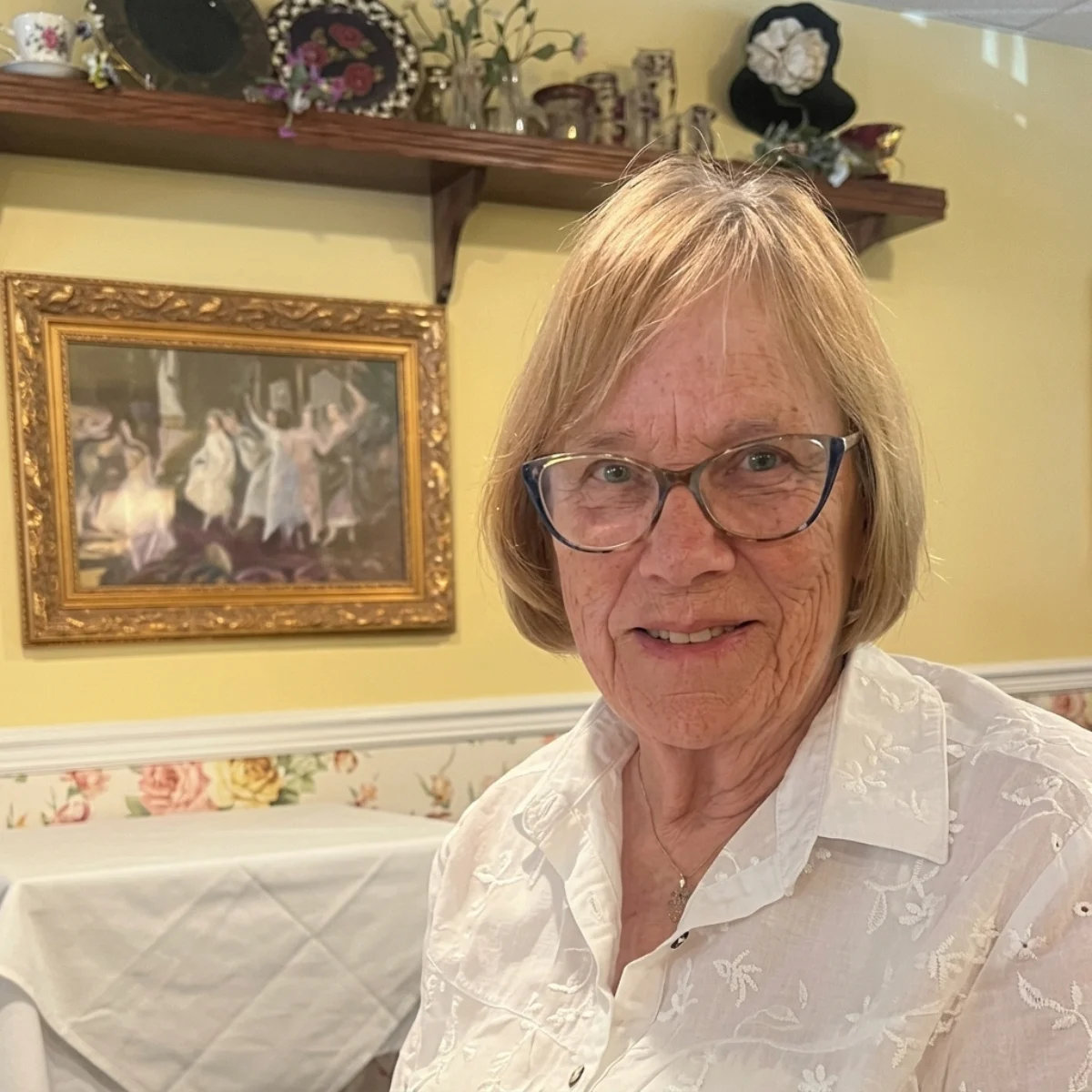
The landscape of American healthcare is currently witnessing a paradigm shift in the treatment of obesity, driven by the emergence of highly effective GLP-1 receptor agonists. For patients like Carol, a woman who spent decades battling weight-related health issues, medications like Zepbound (tirzepatide) represent more than just a pharmaceutical intervention; they represent a fundamental reclaiming of life and health.
n
However, as Carol’s experience illustrates, the transition from medical breakthrough to accessible treatment is fraught with systemic barriers. Despite the clinical success of these treatments, a complex web of financial hurdles, restrictive Medicare policies, and administrative "Catch-22s" has left many patients stranded. This report examines the intersection of medical innovation and bureaucratic stagnation, using Carol’s journey as a lens into the broader crisis of obesity care access in the United States.
n
Main Facts: The Paradox of Success and Access
n
The core of the issue lies in a fundamental contradiction within the current healthcare reimbursement framework: a medication can be so successful at managing a condition that the patient no longer appears "sick enough" to qualify for continued coverage.
n
Carol’s story highlights several critical facts regarding the current state of obesity care:
n
- n
- Clinical Efficacy vs. Administrative Eligibility: Carol’s prediabetes was successfully managed by Zepbound, yet this very success led her physicians to hesitate when filling out a "Proof of Authorization" form, fearing that documenting her current (managed) status would lead to a denial based on program guidelines.
- The Medicare Coverage Gap: Under current law—specifically the Medicare Modernization Act of 2003—Medicare Part D is prohibited from covering drugs used for weight loss. While exceptions have been made for medications that treat secondary conditions like Type 2 diabetes or cardiovascular disease, patients using these drugs primarily for obesity or prediabetes often fall into a "coverage gap."
- The Rise of the Shadow Market: Due to the high out-of-pocket costs of brand-name GLP-1s (often exceeding $1,000 per month), patients are increasingly turning to compounded versions of these drugs. These versions are not FDA-approved and carry significant concerns regarding safety, purity, and efficacy.
- Psychological Impact of Bureaucracy: The administrative burden of navigating healthcare programs is not merely a logistical inconvenience; it is a significant driver of patient anxiety and mental health decline.
n
n
n
n
n
Chronology: A Journey from Hope to Hardship
n
The Failure of Traditional Approaches
n
For years, Carol followed the standard medical advice offered to those with obesity. She cycled through restrictive diets, including the ketogenic diet and severe caloric restriction. While these methods occasionally yielded short-term results, they proved unsustainable for long-term health management. This cycle of "yo-yo dieting" is a common experience for those with the chronic disease of obesity, often leading to metabolic adaptation that makes future weight loss even more difficult.
n
The Pharmaceutical Breakthrough
n
During a routine physical, Carol’s physician prescribed Zepbound. The medication, a dual GLP-1 and GIP receptor agonist, targeted the underlying biological drivers of her hunger and metabolic dysfunction. The results were transformative. For the first time, Carol’s prediabetes was under control, and she experienced a profound shift in her quality of life. This period was marked by a newfound sense of self-worth and an improved ability to care for her disabled husband.
n
The Financial Wall
n
The high cost of Zepbound eventually became unsustainable. Like many seniors on fixed incomes or those whose insurance does not cover weight-management medications, Carol was forced to pay out of pocket. When the financial burden became too great, she transitioned to compounded medications—a move she made out of necessity rather than comfort, as she remained wary of the lack of FDA oversight for these products.
n
The Medicare GLP-1 Bridge Program Obstacle
n
Hope appeared in the form of the Medicare GLP-1 Bridge Program, designed to help patients maintain access to essential treatments. However, the application process centered on a "Proof of Authorization" form that contained a pivotal question: "Do you have prediabetes?"
n
Because Carol’s prediabetes was currently well-managed due to the medication, her medical team felt ethically and legally conflicted about how to answer. Answering "no" (based on current labs) would disqualify her; answering "yes" (based on medical history) felt like a risk to the providers regarding the program’s strict guidelines. This ambiguity led to a total breakdown in the care continuum, forcing Carol back onto compounded medications and causing a spike in her clinical anxiety.
n
Supporting Data: The High Cost of Obesity and the Price of Treatment
n
The barriers Carol faced are reflective of a national trend. Obesity affects nearly 42% of the U.S. population, yet it remains one of the most undertreated chronic conditions.
n
- n
- Financial Barriers: The list price for Zepbound is approximately $1,059 per month. For Medicare beneficiaries, who are often on fixed incomes, this cost is prohibitive. Even with manufacturer discount cards, those on government-funded insurance are often legally barred from using such incentives.
- The Compounding Surge: According to recent market analysis, the shortage of brand-name GLP-1s, combined with high costs, has led to a multi-billion dollar industry for compounded peptides. The FDA has issued multiple warnings about these products, noting that some contain salt forms of the active ingredients (like semaglutide sodium) that have not been tested for safety.
- The "Managed Condition" Trap: Clinical data shows that obesity is a chronic, relapsing disease. When treatment is stopped, the majority of patients regain the weight and see a return of comorbidities like hypertension and prediabetes. Administrative forms that only look at a "snapshot" of a patient’s current health fail to account for the preventive nature of these medications.
n
n
n
n
Official Responses and the Policy Landscape
n
The struggle for access has prompted responses from advocacy groups, pharmaceutical companies, and legislators.
The Obesity Action Coalition (OAC)
The OAC has been at the forefront of the fight for access, providing resources like the "Medicare GLP-1 Bridge Resource Hub." Their stance is clear: obesity care does not end with a prescription. They advocate for a streamlined process that recognizes obesity as a chronic disease requiring long-term, uninterrupted treatment.
Medicare and CMS Guidelines
The Centers for Medicare & Medicaid Services (CMS) recently updated guidelines to allow coverage of GLP-1s (specifically Wegovy) for patients with a history of heart disease. However, for patients like Carol, whose primary diagnoses are obesity and prediabetes, the 2003 statutory ban remains a formidable wall. CMS maintains that they are bound by the current legislative framework, placing the onus on Congress to change the law.
Legislative Efforts: The TROA
The "Treat and Reduce Obesity Act" (TROA) is a bipartisan bill currently before Congress. If passed, it would effectively lift the 2003 ban and allow Medicare to cover obesity medications. Proponents argue that the long-term savings from reduced hospitalizations for diabetes, heart disease, and joint replacements would far outweigh the initial cost of the drugs.
Implications: The Human and Systemic Cost of Inaction
The implications of Carol’s story extend far beyond a single patient. They point to a systemic failure to integrate modern medicine with antiquated policy.
The Mental Health Toll
Carol’s experience highlights a neglected aspect of the obesity debate: the psychological impact of administrative friction. The stress of navigating "10 different answers from Medicare" led to an increase in her anxiety medication dosage. When the system makes it difficult for patients to access health, it inadvertently creates new health problems.
Caregiver Burden and Societal Health
Obesity care is not just about the individual; it is about their ability to function within their community. Carol’s improved health allowed her to better care for her disabled husband. When she lost access to regulated medication, that stability was threatened. Access to obesity care is, therefore, a matter of family and community stability.
The Equity Gap
The current system creates a two-tiered reality: those who can afford $1,000 a month out-of-pocket can access life-changing, regulated medicine, while those who cannot are forced to choose between untreated disease or the risks of the compounding market. This exacerbates existing health disparities, particularly among seniors and low-income populations.
Conclusion
Carol’s story is a clarion call for a more nuanced approach to healthcare administration. The "Proof of Authorization" form that stands between her and her health is a symbol of a system that prioritizes rigid checkboxes over clinical outcomes. As the medical community continues to innovate, the administrative and legislative frameworks must evolve in tandem. Until then, patients like Carol will continue to be caught in the gap—knowing that a solution exists, but finding it just out of reach due to a signature on a form.
For those navigating similar paths, organizations like the Obesity Action Coalition remain a vital resource, offering the tools necessary to advocate for themselves in a system that is often difficult to navigate. The path to care remains unclear, but through shared stories and persistent advocacy, the hope is that the "game changer" Carol discovered will eventually be a game changer available to all.

