
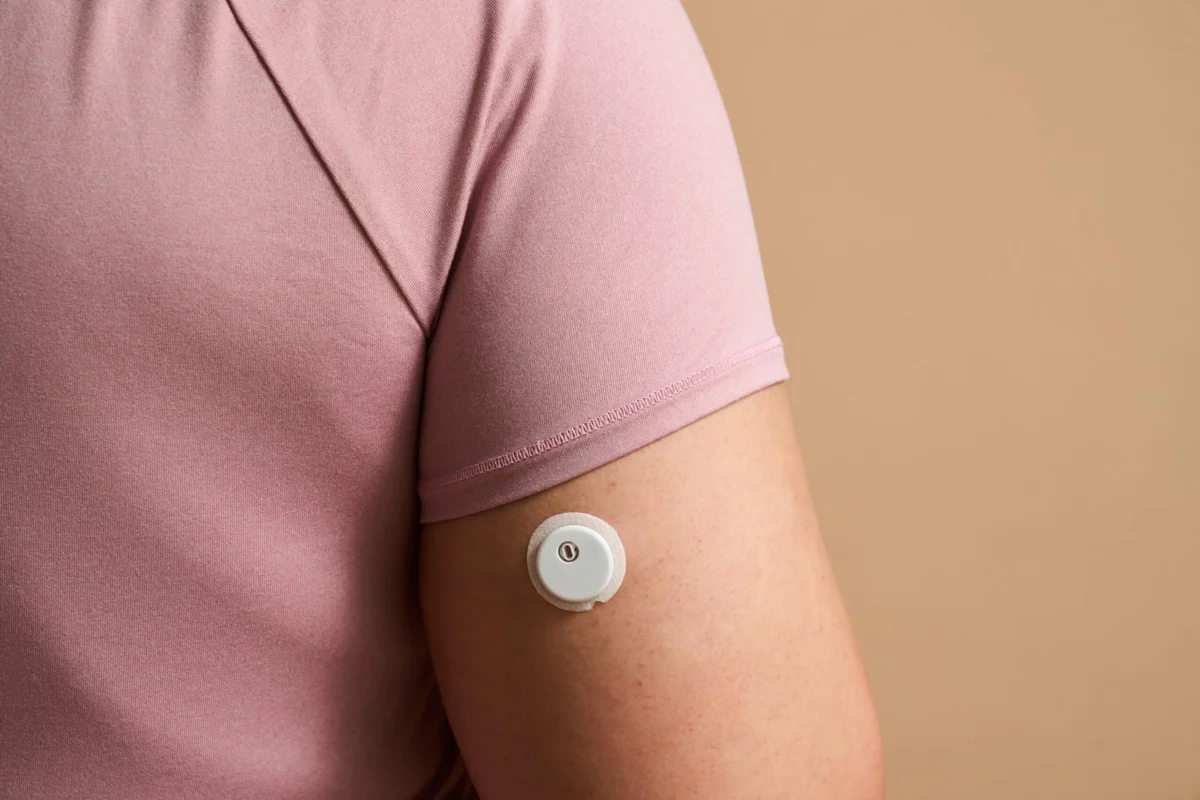
The landscape of Type 1 Diabetes (T1D) management has undergone a seismic shift following a landmark decision by the U.S. Food and Drug Administration (FDA). In a move that promises to redefine safety protocols for millions, the FDA has approved Abbott’s Libre Duo 10 Day system—the world’s first integrated sensor capable of simultaneously monitoring both glucose and ketone levels. Designed for individuals aged two and older, this technology addresses a critical, often overlooked gap in diabetes care: the early detection of ketones to prevent the onset of Diabetic Ketoacidosis (DKA).
n
For decades, the "gold standard" of continuous monitoring focused almost exclusively on glucose. However, for those living with T1D, glucose levels only tell half the story. The introduction of Continuous Ketone Monitoring (CKM) marks the transition from reactive to proactive care, providing a real-time safety net that could virtually eliminate the threat of emergency hospitalizations due to metabolic crises.
n
I. Main Facts: The Technology and the Unmet Need
n
The Libre Duo 10 Day system represents a significant engineering feat. By incorporating two separate assays into a single wearable sensor, the device provides a stream of data that was previously only accessible through painful, intermittent fingerstick tests. While Continuous Glucose Monitors (CGMs) have become commonplace, ketone testing has lagged behind. Statistics indicate that a staggering number of people with T1D do not keep ketone testing supplies at home, and many rarely, if ever, check their levels—even when feeling symptomatic.
n
Understanding the DKA Threat
n
Diabetic Ketoacidosis is a life-threatening medical emergency. It occurs when the body lacks sufficient insulin to process glucose for energy, forcing it to burn fat instead. This process produces ketones as a byproduct. When ketones accumulate in the bloodstream, they turn the blood acidic, leading to organ failure, coma, or death if not treated immediately.
n
The primary challenge with DKA is that its early symptoms—nausea, fatigue, and abdominal pain—often mimic common illnesses like the flu or food poisoning. By the time a patient realizes they are in a metabolic crisis, they often require intensive care. The Libre Duo aims to intercept this trajectory by alerting users the moment ketone levels begin to rise, long before physical symptoms manifest.
n
High-Risk Populations
n
While all individuals with T1D are at risk, certain groups face a higher statistical probability of developing DKA:
n
- n
- Young Children: Infants and toddlers are prone to rapid metabolic shifts and cannot always communicate their symptoms.
- Insulin Pump Users: A mechanical failure or a clogged infusion set can cut off insulin delivery entirely, leading to rapid ketone buildup.
- The Newly Diagnosed: Those in the "honeymoon phase" or early stages of the disease often face unpredictable insulin requirements.
- Patients with "Brittle" Diabetes: Individuals who experience extreme and frequent swings in blood sugar levels.
n
n
n
n
n
II. Chronology: From Concept to FDA Approval
n
The journey to the Libre Duo began with a recognition of the limitations of "glucose-only" data. For years, Breakthrough T1D (formerly JDRF) and other global advocacy groups identified ketone monitoring as the "missing link" in diabetes technology.
n
- n
- The Partnership Phase: The development of the dual sensor is the result of a decades-long collaboration between Abbott and Breakthrough T1D. This partnership focused on the clinical necessity of a "wear-and-forget" sensor that could handle the chemical complexities of dual-analyte sensing.
- Clinical Validation: Extensive studies were conducted to ensure that the ketone sensor met the same rigorous accuracy standards as the glucose sensor. Researchers found that CKM could detect rising ketones hours before a patient would typically think to perform a manual test.
- The Global Rollout: Before reaching the U.S. market, the technology received the CE Mark in the European Union, providing a blueprint for its integration into clinical practice.
- FDA Clearance: In late 2024, the FDA granted approval, acknowledging the device’s potential to reduce the burden on emergency medical services and improve the quality of life for those with T1D.
n
n
n
n
n
III. Supporting Data: The Science of SGLT Inhibitors and CKM
n
One of the most compelling arguments for the dual sensor involves the use of SGLT (Sodium-Glucose Co-Transporter) inhibitors. Originally developed for Type 2 Diabetes, these drugs (such as empagliflozin and dapagliflozin) have shown remarkable benefits for heart and kidney health. However, their use in T1D has been restricted due to a specific risk: Euglycemic DKA.
n
The Euglycemic DKA Paradox
n
Euglycemic DKA occurs when a patient develops ketoacidosis despite having near-normal blood sugar levels. Because SGLT inhibitors cause the kidneys to excrete glucose into the urine, a patient’s CGM might show a "safe" glucose reading while their ketone levels are secretly skyrocketing. This "silent" DKA is particularly dangerous because it bypasses the traditional warning sign of high blood sugar.
n
Continuous Ketone Monitoring is the "enabler" for these therapies. By providing a real-time ketone readout, CKM allows people with T1D to safely access the cardiovascular and renal benefits of SGLT inhibitors. Ongoing studies are currently establishing protocols that use CKM as a mandatory safety companion for these drugs, potentially opening the door for widespread regulatory approval of SGLT inhibitors in the T1D population.
n
IV. Official Responses: Expert Recommendations and Research Initiatives
n
The medical community has greeted the approval with a mixture of relief and strategic planning. Breakthrough T1D’s Chief Medical Officer, Dr. Thomas Danne, recently led an international panel of experts from 12 countries to publish a consensus paper in The Lancet Diabetes and Endocrinology.
The International Consensus
The publication, titled "Continuous ketone monitoring for people with diabetes: international expert recommendations on the application of a new technology," provides the first-ever clinical framework for how doctors should interpret CKM data. Key recommendations include:
- Standardized Thresholds: Defining what ketone levels (measured in mmol/L) require simple hydration versus immediate medical intervention.
- Clinical Integration: Guiding healthcare providers on how to train patients to use the dual-sensor data without becoming overwhelmed by "alert fatigue."
- Payer Coverage: Providing the clinical evidence necessary for insurance companies and national health services to cover the cost of dual sensors.
Breakthrough T1D Research Grants
To further solidify the clinical utility of CKM, Breakthrough T1D has funded eight major research projects using Abbott’s sensors. Notable studies include:
- CKM-REACT: A trial focused on youth with T1D using automated insulin delivery (AID) systems. It investigates whether CKM, combined with structured education, can help teens identify early warning signs of DKA more effectively than traditional methods.
- Digital Health Models for Underserved Adults: This project aims to close the health equity gap by developing smartphone-based guidance for adults who may not have access to specialist endocrinologists.
- The SUGARNSALT Extension: Led by Dr. Polsky, this study compares CKM to fingerstick testing in patients with kidney disease who are taking SGLT inhibitors, seeking to prove that CKM is the superior predictor of DKA progression.
- The Steno 1 Substudy: This trial evaluates the safety of "multi-target" regimens—combining SGLT inhibitors, GLP-1 agonists (like semaglutide), and other protective medications—to ensure that polypharmacy doesn’t lead to undetected metabolic risks.
V. Implications: The Future of Global Diabetes Care
The approval of the Libre Duo 10 Day is not the end of the road, but rather the beginning of a new era in personalized medicine. The implications of this technology extend far beyond the individual user.
Economic and Systemic Impact
By preventing DKA-related hospitalizations, CKM has the potential to save healthcare systems billions of dollars annually. Emergency room visits and ICU stays for DKA are among the most expensive aspects of diabetes care. Shifting this burden to home-based prevention through a wearable sensor is a "win-win" for both patients and payers.
Empowering the Patient
Psychologically, the dual sensor offers a "peace of mind" that was previously unattainable. For parents of children with T1D, the fear of "dead-in-bed" syndrome—often linked to undetected nocturnal DKA or hypoglycemia—is a constant source of trauma. CKM provides a 24/7 monitor that watches for the chemical precursors of danger, allowing families to sleep more soundly.
The Path to Adoption
As we look forward, the focus shifts to access and education. The medical community must now work to ensure that this technology is not a luxury for the few, but a standard of care for the many. This involves:
- Global Regulatory Expansion: Bringing the technology to markets in Asia, Africa, and South America.
- Refining Algorithms: Improving the predictive capabilities of the sensors to alert users not just when ketones are high, but when the rate of change suggests a crisis is imminent.
- Integration with "Artificial Pancreas" Systems: The ultimate goal is to integrate ketone data into automated insulin delivery pumps, allowing the pump to automatically adjust basal rates or deliver "correction boluses" based on both glucose and ketone trends.
In conclusion, the FDA approval of the first dual glucose-ketone monitor is a watershed moment. It represents a triumph of bio-engineering and a significant step toward a world where the most dangerous complications of Type 1 Diabetes are no longer a looming threat, but a preventable occurrence. As research continues to validate the benefits of CKM, the T1D community moves closer to a future defined by safety, stability, and improved long-term health outcomes.

