
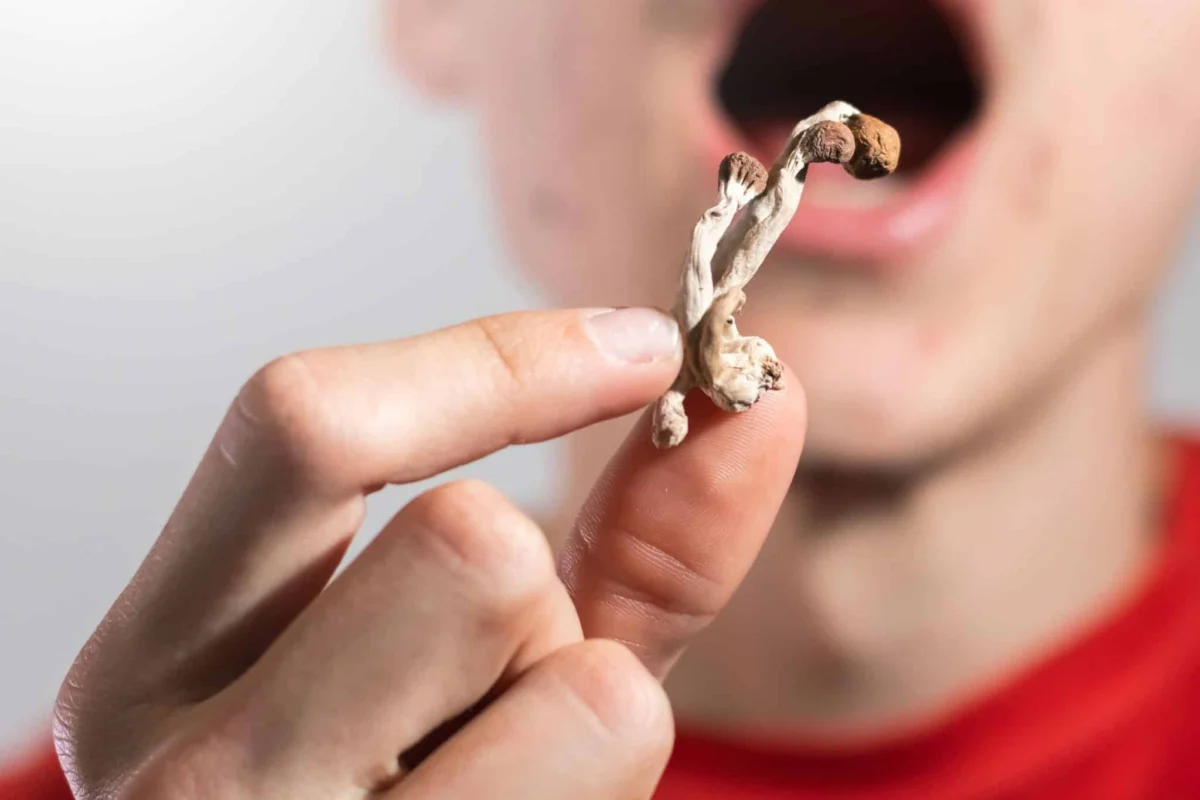
In the rapidly evolving landscape of modern pharmacology, two distinct revolutions are currently colliding in the human body. On one side is the meteoric rise of GLP-1 receptor agonists—drugs like semaglutide and tirzepatide—which have transformed the treatment of Type 2 diabetes and obesity. On the other is the "psychedelic renaissance," characterized by a loosening of regulatory hurdles and a surge of interest in psilocybin mushrooms for mental health and spiritual exploration.
n
However, as these two trends converge, a new pharmacological mystery has emerged. Anecdotal reports and preliminary research suggest that GLP-1 medications significantly alter, and often diminish, the effects of psilocybin. This interaction raises critical questions about the brain’s reward system, the mechanics of digestion, and the future of "biohacking" and therapeutic psychedelic use.
n
Main Facts: The Pharmacokinetic Clash
n
The primary conflict between GLP-1 medications and psilocybin mushrooms is rooted in pharmacokinetics—how the body processes a substance. GLP-1 agonists work, in part, by delaying gastric emptying. This mechanism is intended to increase feelings of fullness and stabilize blood sugar, but it has a profound side effect on any orally ingested substance, including psilocybin.
n
Delayed Onset and "Blunted" Effects
n
In a typical setting, the onset of a psilocybin "trip" occurs within 45 to 90 minutes as the stomach and liver convert psilocybin into psilocin, the active compound that crosses the blood-brain barrier. For users on GLP-1 therapy, this window can be stretched to several hours. More concerning to therapeutic users are reports of "non-event" experiences. According to recent data from user communities and researchers, those on GLP-1s frequently report:
n
- n
- Unpredictable Timing: Effects may kick in four to six hours after ingestion, often when the user is no longer in a safe or intended environment.
- Diminished Intensity: A "blunting" effect where the peak of the experience is significantly lowered.
- Abrupt Drop-offs: Instead of a gradual "afterglow" or taper, the effects may vanish suddenly.
n
n
n
n
The Gut-Brain Axis
n
The interaction is not merely mechanical. GLP-1 receptors are not only found in the gut but are also prevalent in the brain, particularly in areas associated with reward and dopamine regulation. This suggests that even if the psilocybin is absorbed, the brain’s receptivity to the compound may be altered by the presence of GLP-1 agonists.
n
Chronology: The Road to the Current Impasse
n
The intersection of these two drug classes has developed rapidly over the last five years, moving from niche internet forums to the forefront of neuroscientific inquiry.
n
2021–2023: The GLP-1 ExplosionnThe FDA approval and subsequent viral popularity of semaglutide for weight loss led to millions of new prescriptions. During this same period, several U.S. states and municipalities began decriminalizing psilocybin or establishing regulated therapeutic frameworks (notably Oregon and Colorado).
n
2024: The NSIHT FindingsnThe 2024 National Survey Investigating Hallucinogen and Trends (NSIHT) provided a reality check to the psychedelic hype. By recruiting a neutral population rather than enthusiasts, the survey revealed that 53.3% of users reported no clear mental health benefits. This data began to highlight the role of "confounding factors"—including concurrent medication use.
n
2025–2026: The Emergence of the "Small Molecule" EranAs reported by neuroscientist Ali D. Güler of the University of Virginia, the pharmaceutical industry began shifting toward "small molecule" GLP-1s. Unlike the earlier peptide-based injections, these oral medications are expected to capture a larger market share, further complicating the landscape for psychedelic researchers and users alike.
n
October 2026: Current State of ResearchnRecent interviews with neuroscientists and pharmacists confirm that the medical community is playing catch-up. The sunsetting of resources like PsychedelicInteraction.com in late 2026 underscores the difficulty of providing evidence-based guidance in a field where clinical trials for drug-to-drug interactions are virtually non-existent.
n
Supporting Data: Surveys and Biological Mechanisms
n
To understand why the combination of GLP-1s and psilocybin is so problematic, one must look at the data regarding both user experience and neurobiology.
n
The NSIHT Data on Efficacy
n
The NSIHT survey remains one of the most sobering datasets in the field. Beyond the 53.3% who saw no benefit, the survey found:
n
- n
- 21.2% of respondents actively disagreed that psilocybin improved their mental health.
- 32.1% remained neutral.
- 37.9% of users combined psilocybin with cannabis, and 28.8% combined it with alcohol—substances that Dr. Kristin Speer, PharmD, notes can "diminish or add risk to the journey experience."
n
The "Lemon Tek" and Sublingual Workarounds
In response to the gastric slowing caused by GLP-1s, many users have turned to "Lemon Tekking"—soaking ground mushrooms in citric acid (lemon or lime juice) for 20 minutes before consumption. The theory is that the acid mimics stomach acid, pre-converting psilocybin into psilocin, thereby bypassing some of the digestive labor.
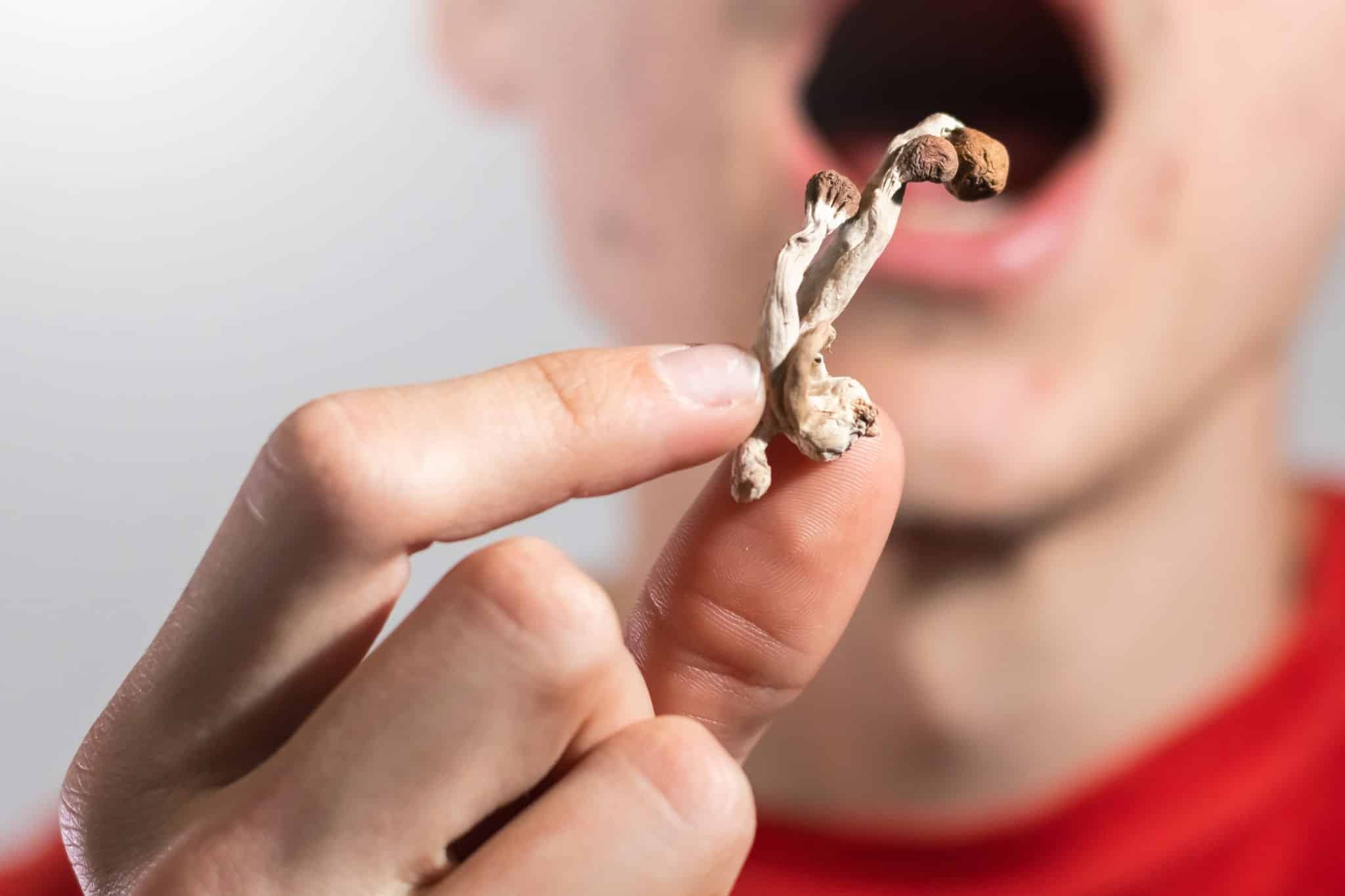
Others advocate for sublingual (under the tongue) or buccal (cheek) administration of psilocin extracts. While these methods bypass the gut, they remain unregulated and "unpredictable," according to harm reduction groups.
Reward System Segregation
Research led by Ali D. Güler has identified a fascinating split in how GLP-1s affect the brain. His work suggests that GLP-1s can segregate homeostatic feeding (eating for survival, driven by the hypothalamus) from hedonic feeding (eating for pleasure, driven by the reward system). If GLP-1s can successfully mute the reward-based pathways for food, it stands to reason they may also mute the "reward" or profound "awe" associated with psychedelic experiences.
Official Responses and Regulatory Challenges
The medical and regulatory response to this interaction has been cautious, characterized more by a lack of information than by proactive guidelines.
The Pharmaceutical Standpoint
Mainstream manufacturers of GLP-1 medications have not issued formal warnings regarding psychedelics, largely because psilocybin remains a Schedule I substance at the federal level in many jurisdictions. Clinical trials for Ozempic or Mounjaro did not account for "magic mushroom" use, leaving a vacuum of official data.
The Pharmacist’s Perspective
Dr. Kristin Speer, writing for PsychedelicInteraction.com before its closure, emphasized that "unrecognized drug interactions" are a leading cause of negative or neutral outcomes in psychedelic therapy. The decision to sunset the Interaction Checker tool in 2026 highlights a significant crisis in the field: the operational and regulatory demands of maintaining such a database are becoming insurmountable as the number of new medications (like small-molecule GLP-1s) grows.
The tool’s creators cited "significant operational demands" and "evolving regulatory considerations," suggesting that providing medical advice on illegal or semi-legal substances carries a liability that many professionals are no longer willing to bear.
Academic Inquiry
Neuroscientists like Güler are currently focusing on how GLP-1s might actually be used to treat addiction. If these drugs can dampen the reward signals of psilocybin, they might do the same for alcohol, nicotine, or opioids. This creates a paradoxical situation where a drug that "ruins" a psychedelic trip might actually be the key to curing substance use disorders.
Implications: The Future of High-Stakes Pharmacology
The interaction between GLP-1s and psilocybin has broad implications for the future of mental health and wellness.
1. The "Death of the Trip" as Therapy
If a significant portion of the population is on GLP-1s, the efficacy of psilocybin-assisted therapy may plummet. For the "mystical experience" to have therapeutic value—a core tenet of many psychedelic studies—the patient must actually experience the peak effects. If GLP-1s continue to blunt these effects, the multi-billion dollar psychedelic therapy industry may face a "non-responder" crisis.
2. Redefining Addiction
The "Unified Theory of Addiction" suggests that any activity used for stress displacement can become addictive. Psychedelic proponents often argue that psilocybin is non-addictive. However, if users begin "stacking" substances or increasing dosages to overcome the blunting effects of GLP-1s, they may inadvertently enter a cycle of substance misuse or increased physical risk (such as serotonin syndrome or extreme gastric distress).
3. A Shift Toward Intravenous and Sublingual Delivery
To bypass the "GLP-1 gut," the next generation of psychedelic medicine will likely move away from "magic mushrooms" and toward purified, synthesized psilocin delivered via IV drips, nasal sprays, or sublingual films. This would move the practice further away from its naturalistic roots and deeper into the realm of clinical, high-cost medical procedures.
4. The Need for "Poly-Pharmacy" Literacy
As we move toward a future where "everyone is on something," whether it’s an SSRI, a GLP-1, or a statin, the idea of a "pure" psychedelic experience is becoming a myth. The medical community must prioritize research into how metabolic drugs affect psychiatric outcomes.
In conclusion, the surge in GLP-1 use has inadvertently provided a new window into the human reward system. While these drugs offer hope for those struggling with obesity and metabolic syndrome, they also act as a chemical "buffer," muting the profound neurological shifts promised by psychedelics. For now, those standing at the intersection of these two medical frontiers find themselves in a state of pharmacological limbo—waiting for the science to catch up to the reality of their own biology.

