
Introduction: The Genesis of Breakthroughs and the Challenge Ahead
n
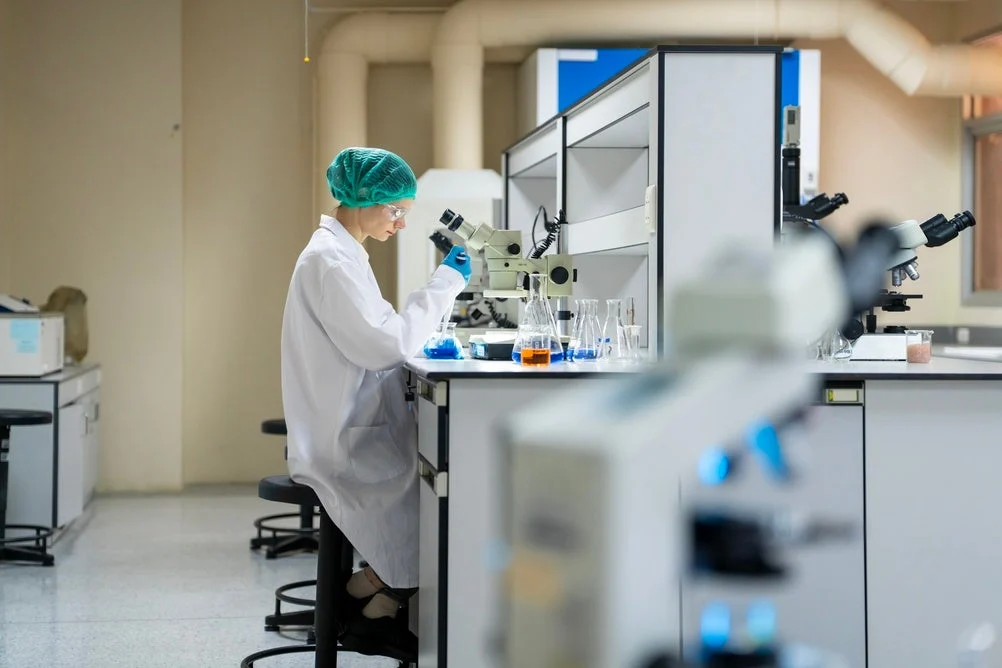
Many of today’s most promising therapies, from groundbreaking biologics to innovative cell and gene therapies, originate in the dynamic environments of research laboratories—academic institutions, nimble biotech startups, and translational centers. These early-stage discoveries, often nurtured in research-grade settings, represent the vanguard of medical innovation. However, the journey from a promising lab-scale batch to a clinically viable, commercially scalable drug product is fraught with significant hurdles. The transition to Good Manufacturing Practice (GMP) fill-finish, in particular, is far more than a simple scale-up; it represents a profound regulatory, technical, and operational paradigm shift. This critical juncture is where nascent programs either accelerate towards clinical success or encounter costly delays and potential stalls.
n
For therapies involving rare, high-value, or limited-quantity Active Pharmaceutical Ingredients (APIs), the stakes are exceptionally high. Mistakes during the fill-finish process can be catastrophic, leading to immense financial losses, extended timelines, and, most importantly, delayed access for patients in need. This article delves into the complexities of this transition, highlighting the strategic importance of early GMP thinking and the often-overlooked benefits of manual aseptic filling for early-phase, small-scale, and high-value programs.
n
n
Navigating the Chasm: From Lab Bench to Clinical Supply
n
The initial batches of a new drug product, while demonstrating therapeutic potential, are typically prepared using processes and facilities not designed for the rigorous demands of GMP compliance. Research-grade environments prioritize speed, flexibility, and exploration, often involving manual steps, informal adjustments, and less stringent documentation. When the time comes to select a contract development and manufacturing organization (CDMO) for fill-finish operations, stakeholders must recognize that the shift to GMP is not merely about increasing batch size. It mandates a complete re-evaluation and formalization of every aspect of the manufacturing process.
n
The Fundamental Shift: Beyond Simple Scale-Up
n
The transition to GMP necessitates a comprehensive overhaul, impacting several core areas:
n
- n
- Regulatory Shift: Moving from internal research protocols to strict adherence to global regulatory guidelines (e.g., FDA’s 21 CFR Parts 210/211, EMA’s EudraLex Volume 4, ICH guidelines). This involves formal quality systems, validated processes, and comprehensive documentation to ensure product safety, identity, strength, purity, and quality.
- Technical Shift: Lab-scale processes are often not inherently scalable. This shift requires re-engineering processes to ensure reproducibility, robustness, and control in a larger, regulated environment. It demands appropriate analytical readiness for establishing and monitoring key product quality attributes (PQAs), which might have been less rigorously defined in early research. This includes formal method development and validation.
- Operational Shift: Informal lab practices must be replaced with standardized operating procedures (SOPs), controlled environments, qualified personnel, and meticulously maintained equipment. New requirements emerge, from establishing precise target filling volumes and acceptable fill ranges to support dose administration, to finalizing excipient selections, meeting stability requirements, and establishing processing hold times to support manufacturing operations.
n
n
n
n
Consequently, the journey from the lab bench to GMP filling is far from a simple process transfer. It demands thoughtful adaptation and strategic planning to meet the stringent technical, regulatory, and operational demands inherent in GMP manufacturing.
n
Early-Stage Innovation Meets GMP Imperatives
n
The pharmaceutical landscape is increasingly populated by novel therapies targeting smaller patient populations, such as orphan drugs, or those with highly complex manufacturing processes, like cell and gene therapies. These often involve limited quantities of extremely valuable APIs. For such programs, the cost of material loss during fill-finish is disproportionately high. An efficient and compliant transition to GMP is therefore paramount. Strong programs distinguish themselves by proactively addressing these complexities, preventing the costly delays that can stall development and impede patient access. Manual aseptic filling, often perceived as a "smaller" solution, can, in fact, be a highly strategic and technically superior choice for these early-phase, small-scale, and high-value programs.
n
n
GMP: A Paradigm of Quality, Not Just Paperwork
n
A common misconception among research scientists is that GMP simply means "more documentation." While documentation is indeed a cornerstone of GMP, it is merely one component of a far broader, integrated quality system. Good Manufacturing Practice introduces a comprehensive framework designed to ensure that every batch of a drug product is consistently manufactured, tested, and controlled according to established quality standards for safety, efficacy, and purity. Understanding these profound differences early in the development cycle is crucial for research scientists, enabling a smoother technology transfer and mitigating unexpected delays as programs advance towards clinical trials and eventual commercialization.
n
Decoding the Core Differences: Research-Grade vs. GMP Manufacturing
n
The distinction between research-grade and GMP manufacturing is multifaceted and extends far beyond merely increasing batch size or operating in a larger facility.
n
| Feature | Research-Grade Manufacturing | GMP Manufacturing |
|---|---|---|
| Quality System | Informal; relies on individual researcher’s judgment. | Formal, documented Quality Management System (QMS) with clear policies, procedures, and responsibilities. |
| Documentation | Lab notebooks, informal records; often lacks standardization. | Extensive, standardized documentation for every step: protocols, batch records, SOPs, deviations, change controls, audits. |
| Facility & Equipment | General lab space; basic equipment; minimal environmental control. | Qualified facilities (e.g., cleanrooms), validated and calibrated equipment, strict environmental monitoring (temp, humidity, particulates). |
| Personnel | Scientists with research expertise; training may be informal. | Trained, qualified personnel with defined roles and responsibilities; regular GMP training mandatory. |
| Raw Materials | Research-grade chemicals; minimal supplier qualification. | GMP-grade materials; rigorous supplier qualification, incoming material testing, and traceability. |
| Process Control | Flexible, experimental; adjustments made ad-hoc. | Defined, validated processes; strict adherence to SOPs; any deviation requires investigation and documentation. |
| Analytical Testing | Method development in progress; often qualitative/semi-quantitative. | Validated analytical methods; robust in-process and finished product testing to predefined specifications. |
| Change Control | Informal changes to experiments. | Formal change control system; all changes evaluated for impact on quality, documented, and approved. |
| Deviation Handling | Informal problem-solving. | Formal deviation reporting, investigation, root cause analysis, corrective and preventive actions (CAPA). |
| Data Integrity | Relies on researcher’s honesty. | Strict data integrity principles (ALCOA+): Attributable, Legible, Contemporaneous, Original, Accurate, Complete, Consistent, Enduring, Available. |
| Traceability | Limited or informal tracking. | Complete traceability of all materials, equipment, personnel, and processes throughout the manufacturing lifecycle. |
| Sterility Assurance | Basic aseptic technique. | Rigorous sterilization and aseptic processing validation; environmental monitoring; personnel gowning; media fills. |
The Strategic Imperative for Research Scientists
This transition demands a fundamental shift in mindset. The process variability and informal adjustments that are acceptable—and even necessary—during research and development are simply not tolerated in GMP manufacturing. Here, every single step must be standardized, meticulously documented, and demonstrably reproducible. Even seemingly minor inconsistencies can compromise sterility assurance, lead to product instability, or result in deviations that trigger extensive investigations, delaying product release.
Integrating "early GMP thinking" into the research and development phase can significantly improve the efficiency of technology transfer, reduce the incidence of costly deviations, and minimize the need for extensive process redesign later on. For instance, formulation and process decisions made early can have profound implications for extractables and leachables profiles, adsorption to container surfaces, protein aggregation, and overall container-closure compatibility. Discovering manufacturing constraints late in the development cycle can lead to substantial delays in clinical supply, necessitating additional development studies and rework, ultimately inflating costs and extending timelines.
Partnering with an experienced sterile fill-finish CDMO from an early stage is invaluable. Such a partner can translate complex research processes into compliant, robust manufacturing workflows, guiding scientists through the intricacies of regulatory expectations, which often begin far earlier than anticipated. This collaborative approach ensures that the scientific innovation is preserved while being prepared for the stringent demands of clinical and commercial production.
Mitigating Risks for Precious Batches: The Fill-Finish Conundrum
When it comes to transitioning from research processes to GMP manufacturing, particularly for novel or high-value therapies, specialized expertise in fill-finish operations is paramount. Many early-stage products present unique challenges that standard manufacturing approaches may not adequately address:
- Limited API Availability: Often, only small quantities of the active pharmaceutical ingredient are available, making every milligram precious.
- High Cost of Goods: The API itself, or the overall manufacturing process, can be exceptionally expensive.
- Complex Formulations: Biologics, cell and gene therapies, and other advanced modalities often require specific handling, temperature controls, and delicate processing.
- Uncertain Demand: Early clinical trials may have fluctuating or unpredictable patient enrollment, requiring flexible manufacturing capabilities.
- Need for Rapid Turnaround: Expedited clinical development pathways often demand quick production cycles.
- Unique Container-Closure Systems: Specialized vials, syringes, or cartridges may be required for specific delivery mechanisms or product stability.
The Perils of Premature Over-Scaling
The fill-finish CDMO landscape is diverse, ranging from highly automated, high-throughput facilities designed for large commercial batches to more flexible, specialized operations. When selecting a CDMO, it is critical to align the scale of the operation with the current stage and needs of the drug product. Choosing a CDMO with a high-capacity, high-throughput line too early can introduce significant risks for small, high-value batches:
- Increased Hold-Up Volume and Adsorption Risk: Larger lines inherently feature longer product-contact pathways. This increases the "hold-up volume"—the amount of drug product that remains in the tubing, pumps, and manifold after filling—leading to significant material loss. For protein-based therapies, longer contact times can also increase the risk of adsorption to surfaces, leading to product degradation or loss.
- Material Loss During Line Setup and Priming: High-throughput lines require substantial volumes of product for initial setup, priming, and testing before the actual filling run can commence. While acceptable for large commercial batches, these losses can be prohibitive for programs with limited API.
- High Minimum Batch Sizes: Many large-scale CDMOs have high minimum batch size requirements to ensure economic viability for their operations. This can effectively lock out early-stage programs that only need a few hundred or thousand units, preventing research scientists from even accessing the line.
- Reduced Flexibility: Automated, high-throughput lines are optimized for efficiency and consistency once validated, but they are less adaptable to process changes or unique requirements often encountered in early development.
The Strategic Advantage of Manual, Small-Scale Aseptic Filling
In stark contrast, small-scale manual aseptic fill lines often present an ideal solution for early-phase, high-value, or orphan-drug projects. These specialized facilities are specifically designed to address the unique challenges of such programs:
- Greater Flexibility and Faster Process Adaptation: Manual operations allow for quicker adjustments to filling parameters, formulation changes, or container-closure modifications, which are common in early development. This agility can significantly accelerate timelines.
- Reduced Product Loss: With shorter product pathways and minimized hold-up volumes, manual lines drastically reduce the amount of valuable drug product lost during the fill-finish process, a critical factor for expensive APIs.
- Designed for Small Clinical or Orphan-Drug Programs: These lines are purpose-built for scenarios with uncertain demand, allowing for the production of a limited number of clinical units without the prohibitive commitment to commercial-scale infrastructure.
- Dedicated Expertise: CDMOs specializing in manual aseptic filling often possess deep expertise in handling complex, sensitive, and high-value drug products, offering tailored solutions and specialized personnel.
- Cost-Effectiveness for Small Batches: While automated lines have lower per-unit costs at high volumes, manual lines are often more cost-effective for small batch sizes due to lower setup costs and minimal material waste.
For small-scale programs, manual filling is not a compromise on quality or efficiency; it is often the technically superior and strategically sound solution, directly addressing the unique challenges discussed earlier.
Blueprint for Success: Pre-GMP Process Development Considerations
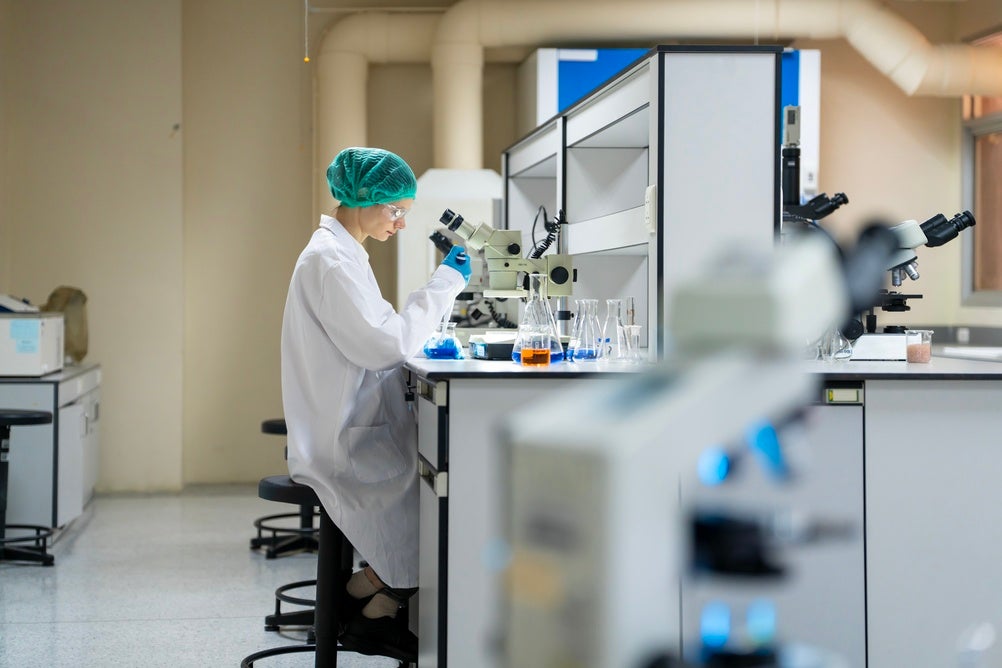
Before transferring a laboratory process to a GMP fill-finish environment, research scientists must proactively consider how their formulation and process decisions will translate into the realities of sterile manufacturing. Addressing these factors early in development can prevent costly surprises during technology transfer, reduce the need for extensive rework, and accelerate progress towards clinical trials.
1. Formulation Readiness: The Foundation of Stability
A GMP-ready formulation must be meticulously defined. This includes:
- Clearly Defined Composition: Precise concentrations of all active and inactive ingredients (excipients), pH, osmolality, and the specific grades of excipients used. Acceptable adjustment ranges for these parameters should also be established.
- Robust Stability Profile: Understanding how the product responds to various stressors: mixing intensity, temperature excursions (both high and low), freeze-thaw cycles, exposure to light and oxygen. The impact of the time spent during compounding, filtration, filling, and any pre- or post-fill holds (sterile hold times) must be rigorously evaluated.
- Compatibility Studies: Stability under intended GMP storage conditions (e.g., refrigerated, frozen) is crucial. Furthermore, compatibility with all primary packaging materials and potential extractables and leachables from these materials (and processing equipment) must be assessed early to prevent unforeseen interactions that could compromise product quality or patient safety. Quality by Design (QbD) principles can be instrumental here, proactively identifying critical material attributes and process parameters.
2. Container-Closure Selection: Safeguarding the Product
The choice of primary packaging (vial, syringe, cartridge) extends beyond simply the intended dose and delivery method. It must encompass a holistic view of manufacturability, compatibility, and future needs:
- Component Availability and Sourcing: Ensuring a reliable supply chain for selected components, especially for specialized designs.
- Compatibility: The container-closure system must be compatible with the drug product (no adverse interactions, adsorption, or degradation) and with the CDMO’s sterilization and filling processes (e.g., depyrogenation, autoclaving).
- Manufacturability: Factors such as headspace requirements within the container, optimal stopper placement and compression, machinability on filling lines (e.g., for automated stoppering), and the overall robustness of the system should be established.
- Container-Closure Integrity (CCI): Critical for maintaining sterility and product stability, CCI must be rigorously tested and validated. New FDA guidelines emphasize the importance of robust CCI testing.
- Future-Proofing: Early decisions should consider whether the selected presentation can support not only current clinical needs but also future clinical phases and potential commercialization, avoiding costly re-development later.
3. Fill Volume and Overfill Strategy: Precision in Dosing
Determining fill volume requirements extends beyond simply matching the labeled dose. It must account for various sources of potential product loss during administration:
- Withdrawal Losses: The volume of product that cannot be effectively withdrawn from the container using standard administration devices.
- Administration-Device Hold-Up: Product retained within needles, syringes, or infusion lines.
- Other Sources of Loss: Potential losses during reconstitution, dilution, or transfer.
- Optimizing for High-Value/Low-Volume Products: For these critical therapies, the primary goal is to achieve accurate and consistent dosing while conserving as much drug product as possible.
- Process Considerations: Product-density effects, the maximum allowable fill duration (to minimize product degradation), and the specific capabilities and accuracy limitations of the chosen filling process must all be carefully considered when establishing the final fill strategy.
4. Filtration and Sterility Strategy: The Aseptic Barrier
Achieving and maintaining sterility is paramount for parenteral products. The filtration and sterility strategy requires meticulous planning:
- Sterile Filtration Design: Careful consideration of filter compatibility, especially with biologics, to prevent adsorption or degradation. The design of aseptic connections and transfer steps is crucial to minimize contamination risk. Evaluation of a serial dual-filter strategy (filter redundancy) may be appropriate for certain products or processes to enhance sterility assurance.
- Bioburden Control: Establishing robust controls to minimize bioburden prior to the final sterile filtration step is essential.
- Wetting and Flushing Requirements: Determining suitable wetting fluids, flush volumes, and product-displacement approaches to ensure filter integrity and minimize product loss.
- Bacterial Retention Studies: Conducting these studies is a critical component of sterile filtration validation, demonstrating the filter’s ability to remove microorganisms.
- Integrity-Testing Strategy: Defining pre- and post-use integrity testing (PUPSIT) where applicable, to confirm filter performance throughout the batch.
- Sterile Hold Times: Defining allowable durations for product holds between critical steps, particularly between filtration and filling, including precise temperature and storage conditions, to prevent microbial growth or product degradation.
An experienced sterile fill-finish CDMO can serve as an indispensable partner, helping to identify these complex considerations early. Their expertise translates laboratory processes into practical, GMP-ready manufacturing strategies, significantly reducing product loss, avoiding unnecessary development work, and ensuring clinical programs move forward efficiently and compliantly.
Common Mistakes When Transitioning to GMP
The transition from laboratory development to GMP manufacturing is a complex journey, and it’s easy to overlook critical challenges when the primary focus remains on formulation efficacy and process performance. Engaging a sterile fill-finish partner early in the development lifecycle can help identify and mitigate these issues before they derail clinical timelines or consume invaluable drug product. Some of the most common mistakes include:
- Underestimating Regulatory Engagement: Many teams wait until late-stage development to engage with regulatory bodies or a CDMO with regulatory expertise. This can lead to significant delays if the proposed manufacturing pathway doesn’t align with regulatory expectations for clinical trials (e.g., IND/CTA submissions). Early discussions with regulatory consultants or experienced CDMOs can clarify requirements and identify potential roadblocks.
- Inadequate Analytical Method Readiness: While research labs may use various analytical techniques, GMP demands validated analytical methods that meet specific acceptance criteria for accuracy, precision, linearity, and robustness. Failing to develop and validate these methods sufficiently early can delay release testing and product approval.
- Insufficient Stability Data: Beyond basic stability, GMP requires comprehensive stability programs to establish shelf-life, in-use stability (e.g., after reconstitution), and stress stability. Neglecting these studies can lead to product degradation during storage, transportation, or administration, compromising patient safety and program integrity.
- Ignoring Supply Chain Robustness: Focusing solely on the drug product itself while overlooking the qualification and reliability of the supply chain for raw materials, excipients, and primary packaging components. Unqualified suppliers or single-source dependencies can introduce significant risks and delays.
- Poor Communication and Data Transfer: A lack of standardized data formats, incomplete documentation, or inadequate communication protocols between the research team and the CDMO can lead to misunderstandings, errors, and significant rework during technology transfer. Robust data governance and clear communication channels are vital.
- Deferring Extractables and Leachables (E&L) Studies: These studies, which assess the potential for chemicals to migrate from packaging or processing equipment into the drug product, are critical for long-term product safety. Delaying E&L studies can uncover compatibility issues late in development, necessitating expensive and time-consuming redesigns.
- Lack of Robust Change Control: Informal changes, common in research, are unacceptable in GMP. Failing to establish a formal change control system from the outset can lead to unapproved modifications that impact product quality and regulatory compliance, potentially invalidating previous studies or requiring re-validation.
- Inadequate Process Validation Planning: GMP requires comprehensive process validation to demonstrate that a manufacturing process consistently produces a product meeting predefined quality attributes. Delaying the planning for validation studies (e.g., media fills, process performance qualification) can create significant bottlenecks.
- Underestimating Environmental Monitoring Requirements: Research labs typically have minimal environmental controls. GMP cleanrooms require stringent environmental monitoring (particulates, viable organisms, personnel monitoring) to ensure aseptic conditions. Overlooking these requirements can lead to contamination risks and batch rejections.
The earlier these critical considerations are addressed, the more options a development team has to solve them efficiently and cost-effectively. By integrating GMP requirements into process development from the very beginning, valuable drug product can be protected, avoidable rework can be minimized, and a smoother, faster path from the laboratory to clinical manufacturing and ultimately, to patients, can be forged.
The Broader Implications: Accelerating Patient Access and Commercialization
The efficient and compliant transition from research-grade development to GMP fill-finish manufacturing carries profound implications that extend far beyond the laboratory or the manufacturing floor. A successful transition is a cornerstone for accelerating drug development, ensuring patient access, and achieving commercial viability for groundbreaking therapies.
Accelerated Timelines: Proactive engagement with GMP principles and an experienced CDMO can significantly shorten the overall development timeline. By identifying and mitigating potential issues early, drug developers can avoid costly delays in clinical trials, ensuring that life-saving medications reach patients who need them most, faster.
Cost-Effectiveness and Resource Optimization: While upfront investment in GMP readiness might seem substantial, it pales in comparison to the costs associated with batch failures, regulatory deviations, or extensive rework due to late-stage issues. Minimizing product loss, especially for high-value APIs, directly translates to substantial cost savings and optimized use of scarce resources.
Enhanced Patient Safety and Product Quality: At its core, GMP is about ensuring product safety, quality, and efficacy. A robust transition guarantees that every dose administered to a patient meets the highest standards, minimizing risks and maximizing therapeutic benefit. This confidence in product quality is critical for both clinicians and patients.
Regulatory Success and Market Entry: A meticulously planned and executed GMP transition forms the bedrock of successful regulatory submissions (IND, BLA, NDA). Demonstrating full compliance and control over the manufacturing process instills confidence in regulatory agencies, paving the way for faster approvals and market entry. For biotech startups, this can be the difference between securing further funding and struggling to survive.
Commercial Viability and Scalability: While early-stage manual aseptic filling offers critical advantages for small batches, a well-defined GMP pathway also lays the groundwork for future scalability. Understanding the progression from clinical to commercial manufacturing needs from the outset allows for strategic planning, ensuring that the chosen CDMO partner can support growth or facilitate a smooth transfer to larger-scale operations when appropriate.
In essence, the seamless navigation of the lab-to-GMP fill-finish transition is not merely a manufacturing challenge; it is a strategic imperative that underpins the entire pharmaceutical development lifecycle. It is a testament to the industry’s commitment to transforming scientific discovery into tangible patient benefit, bringing innovative therapies to the global market with speed, safety, and unwavering quality. Choosing the right partner, one with specialized expertise and a shared commitment to quality, is the single most critical decision in this pivotal journey.

