What counts as heavy menstrual bleeding? This guide delves into understanding the various factors defining heavy menstrual bleeding (HMB), from its definition and diagnosis to potential causes, impacts, and treatment options. We’ll explore how HMB differs from normal menstruation, examining the volume, duration, and associated symptoms. It’s a crucial topic for women’s health, covering the medical criteria, causes, impact on daily life, and even potential complications.
Understanding what constitutes heavy bleeding is essential for accurate diagnosis and effective management. This article will equip you with knowledge to recognize HMB, discuss medical criteria for diagnosis, explore potential causes, and highlight the importance of seeking medical advice. We’ll also touch upon the impact on daily life, treatment options, preventive measures, and potential complications. Ultimately, empowering you to take charge of your health.
Defining Heavy Menstrual Bleeding
Heavy menstrual bleeding, often referred to as menorrhagia, is a common concern for many women. It’s characterized by bleeding that’s significantly heavier and/or longer than typical menstrual periods. Understanding the nuances of heavy menstrual bleeding is crucial for recognizing when it warrants medical attention.Defining heavy menstrual bleeding involves considering various factors beyond just the volume of blood loss.
Duration and symptoms also play a critical role in determining if a period is considered heavy. This comprehensive guide will delve into the characteristics of HMB, differentiating it from normal menstruation, and highlight the common symptoms associated with this condition.
Defining Heavy Menstrual Bleeding (HMB)
Heavy menstrual bleeding (HMB) is characterized by menstrual bleeding that is heavier and/or longer than typical. It’s important to note that what constitutes “heavy” varies significantly between individuals. There’s no single, universally accepted definition, and the experience of each woman differs.
Describing Heavy Menstrual Bleeding
Heavy menstrual bleeding can be described in terms of both duration and volume. Duration refers to the length of time the bleeding lasts, while volume relates to the amount of blood lost. Several factors influence how HMB is described and perceived. Common symptoms, beyond just the volume of blood loss, also contribute to the overall experience.
Duration of Bleeding
The duration of menstrual bleeding is a key aspect of HMB. A period lasting longer than seven days, or experiencing prolonged bleeding episodes, could indicate HMB. This prolonged bleeding can significantly impact daily life, causing discomfort and potential health concerns.
Volume of Bleeding
The volume of bleeding is another critical indicator of HMB. This can be assessed by observing the amount of menstrual products used, such as sanitary pads or tampons. If a woman requires unusually frequent changes of these products, it suggests significant blood loss. This often leads to a sense of constant wetness and discomfort. Frequent changes of menstrual products are a significant concern that should be evaluated by a medical professional.
Common Symptoms Associated with HMB, What counts as heavy menstrual bleeding
Beyond bleeding volume and duration, several other symptoms are commonly associated with HMB. These include:
- Fatigue: Heavy bleeding can lead to significant iron deficiency, resulting in fatigue and weakness. This symptom is often overlooked but is a crucial indicator of the impact of HMB.
- Anemia: Significant blood loss can lead to iron deficiency anemia, characterized by tiredness, dizziness, and shortness of breath. This condition can severely impact a woman’s quality of life and necessitates medical attention.
- Pain: Many women experience cramping and pelvic pain during their periods. If this pain is significantly worse with HMB, it’s a symptom that should be addressed by a healthcare professional.
- Discomfort: The constant need to change menstrual products and the discomfort associated with heavy bleeding can disrupt daily activities and significantly impact a woman’s well-being.
Differentiating HMB from Normal Menstruation
Distinguishing between normal and heavy menstrual bleeding is crucial for seeking appropriate medical care. Normal menstruation is characterized by a moderate flow lasting for a typical duration. Heavy menstrual bleeding, on the other hand, involves a significantly heavier and/or longer period. The following table highlights the key differences.
| Characteristic | Normal Menstruation | Heavy Menstrual Bleeding (HMB) |
|---|---|---|
| Duration | Typically 3-7 days | Longer than 7 days, or prolonged bleeding episodes |
| Volume | Moderate flow, easily managed with typical menstrual products | Heavier flow requiring frequent changes of menstrual products, soaking through pads/tampons within a few hours |
| Symptoms | Mild cramping and discomfort | Significant cramping, pelvic pain, fatigue, and possible anemia |
| Examples | Using a pad or tampon every 4-8 hours | Using a pad or tampon every 1-2 hours, or needing to use multiple products simultaneously |
Medical Criteria for Diagnosing HMB
Understanding heavy menstrual bleeding (HMB) goes beyond just the subjective experience. Accurate diagnosis relies on a combination of factors, including a thorough medical history, physical examination, and objective measurements of menstrual blood loss. This comprehensive approach helps healthcare professionals determine the underlying cause and develop an appropriate treatment plan.
Key Medical Criteria
Several key medical criteria are used to diagnose HMB. These include a detailed patient history, focusing on the frequency, duration, and severity of bleeding episodes. A physical examination is also crucial to rule out any obvious physical abnormalities or underlying medical conditions that might contribute to heavy bleeding. This comprehensive approach helps healthcare professionals evaluate the patient’s overall health and identify potential contributing factors.
Menstrual Bleeding Patterns in Diagnosis
Menstrual bleeding patterns play a vital role in diagnosing HMB. The duration of bleeding, frequency of periods, and the presence of any intermenstrual bleeding or prolonged bleeding are all crucial indicators. For instance, a period lasting longer than seven days or bleeding between periods may suggest an underlying issue. The quantity and consistency of the bleeding are also key factors in assessing the severity of the condition.
Heavy menstrual bleeding, sometimes called menorrhagia, is when your period lasts longer than usual or your flow is significantly heavier than normal. It’s important to understand what constitutes heavy bleeding, and to know that this can sometimes be linked to other health concerns. For example, while unrelated to menstrual health, understanding how respiratory syncytial virus (RSV) spreads and what its symptoms are can be helpful what to know about rsv transmission and symptoms.
Ultimately, if you’re concerned about your menstrual flow, it’s always best to consult a healthcare professional for accurate diagnosis and personalized advice.
Menstrual Blood Loss (MBL) Quantification Methods
Quantifying menstrual blood loss (MBL) is essential for objectively assessing the severity of HMB. Accurate quantification provides a standardized measure, enabling healthcare professionals to establish a baseline for comparison and monitor the effectiveness of treatment. Various methods are used to measure MBL, each with its own strengths and limitations.
MBL Assessment Tools
- Pad/Tampon Counting: This method involves accurately counting the number of pads or tampons used throughout the menstrual cycle. While seemingly straightforward, this method relies heavily on patient accuracy and consistency in record-keeping. Variations in pad/tampon absorbency can affect the accuracy of the assessment.
- Pictorial Assessment: Visual tools, like pictorial charts or diagrams, guide patients in estimating the amount of bleeding. These tools provide a visual reference, making it easier for patients to gauge the severity of their bleeding. However, the subjectivity inherent in pictorial assessments can impact the accuracy of the quantification. Furthermore, patient familiarity with the pictorial scale is crucial for accurate estimations.
- Quantitative Measurement Devices: These specialized devices, such as the Menstrual Blood Loss Quantification Device (e.g., a validated blood collection system), precisely measure the amount of blood loss. These methods offer a more objective and accurate measure of menstrual blood loss. However, the devices can be expensive and may not be readily accessible in all healthcare settings.
Comparison of MBL Assessment Tools
| Assessment Tool | Advantages | Disadvantages |
|---|---|---|
| Pad/Tampon Counting | Relatively inexpensive and easily accessible. | Subjective, reliant on patient accuracy, and prone to error. Absorbency variations in products affect accuracy. |
| Pictorial Assessment | Provides a visual aid for patients. | Subjective, patient familiarity with the scale is crucial, and inter-rater variability can occur. |
| Quantitative Measurement Devices | Objective and accurate measurement of MBL. | Can be expensive and may not be readily available in all settings. Requires specialized training for proper use. |
Causes of Heavy Menstrual Bleeding
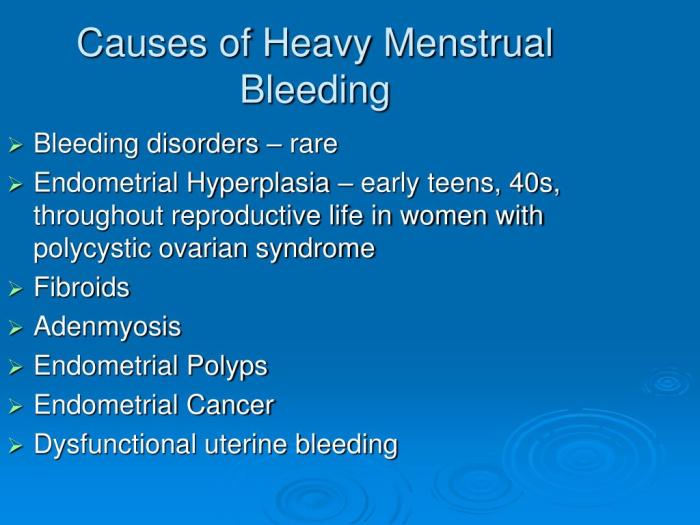
Heavy menstrual bleeding (HMB), also known as menorrhagia, can stem from a variety of underlying factors. Understanding these causes is crucial for effective diagnosis and personalized treatment strategies. Often, HMB isn’t a singular issue but rather a symptom of an underlying condition.Identifying the root cause is vital to developing an appropriate management plan, which might involve medication, lifestyle changes, or even surgical interventions.
Pinpointing the source of HMB allows for targeted treatment that addresses the specific issue, maximizing the chances of successful management and minimizing potential complications.
Hormonal Imbalances
Hormonal fluctuations can significantly impact menstrual cycles, leading to HMB. Variations in estrogen and progesterone levels can disrupt the delicate balance needed for a regular and controlled menstrual flow. Conditions like polycystic ovary syndrome (PCOS) are frequently associated with irregular cycles and heavy bleeding. This hormonal imbalance can lead to an overproduction of estrogen, resulting in prolonged and excessive bleeding.
Heavy menstrual bleeding, sometimes called menorrhagia, is when your period lasts longer than usual or you bleed excessively. It can be a real drag, impacting daily life. You might find yourself reaching for natural remedies like almond oil for skin almond oil for skin , but it’s crucial to remember that these are not substitutes for medical advice.
A doctor can properly diagnose the cause and recommend the best treatment options for heavy bleeding. Ultimately, understanding what constitutes heavy bleeding is key to getting the right care.
Other hormonal issues, such as thyroid disorders, can also play a role in abnormal bleeding patterns.
Uterine Fibroids
Uterine fibroids are benign tumors that develop within the uterine wall. They are a common cause of HMB, as they can increase the surface area of the uterus, leading to more blood loss during menstruation. The size and location of these fibroids can influence the severity of the bleeding. A significant number of women with fibroids experience heavy menstrual bleeding, often with accompanying symptoms like pelvic pain and pressure.
Other Medical Conditions
Several other medical conditions can contribute to heavy menstrual bleeding. These conditions include blood clotting disorders, such as von Willebrand disease, where the blood’s ability to clot is impaired, leading to increased bleeding. Certain medications, including anticoagulants, can also increase the risk of HMB. In rare cases, HMB can be a symptom of more serious conditions, like endometrial polyps or cancer.
A thorough evaluation by a healthcare professional is essential to rule out these possibilities.
Categorization of Potential Causes of HMB
| Cause Category | Underlying Mechanism | Examples |
|---|---|---|
| Hormonal Imbalances | Disruption of estrogen and progesterone balance; abnormal thyroid function. | Polycystic ovary syndrome (PCOS), thyroid disorders |
| Uterine Structural Abnormalities | Increased uterine surface area, abnormal uterine lining. | Uterine fibroids, endometrial polyps |
| Blood Clotting Disorders | Impaired blood clotting mechanisms. | Von Willebrand disease, other coagulation disorders |
| Other Medical Conditions | Various underlying medical conditions | Endometrial cancer, certain medications |
Impact on Menstrual Bleeding Patterns
The impact of different causes on menstrual bleeding patterns can vary. Hormonal imbalances often lead to irregular cycles, with bleeding occurring more frequently or less frequently than usual, as well as varying in intensity. Uterine fibroids, on the other hand, often result in heavier bleeding during menstruation, potentially extending the duration of bleeding. Blood clotting disorders can manifest as heavy bleeding that is difficult to control, sometimes with prolonged bleeding between periods.
Recognizing these patterns is vital for accurate diagnosis and appropriate treatment.
Impact of HMB on Daily Life
Heavy menstrual bleeding (HMB) can significantly impact a woman’s daily life, affecting her physical, emotional, and social well-being. The constant discomfort, potential for anemia, and disruptive nature of heavy bleeding can make simple tasks feel overwhelming and lead to feelings of isolation and frustration. Understanding these impacts is crucial for recognizing the need for appropriate medical attention and support.The relentless nature of HMB often disrupts daily routines.
From managing unexpected bleeding to concerns about social situations and work productivity, HMB presents a myriad of challenges that require careful consideration and management strategies. This section explores the multifaceted effects of HMB on various aspects of life, offering insights into the practical and emotional toll it can take.
Impact on Daily Activities
Managing HMB often requires significant adjustments to daily activities. Unexpected bleeding can disrupt plans, requiring frequent trips to the bathroom and the need for extra hygiene products. This can impact work, social engagements, and even leisure activities. For instance, a woman with HMB might avoid strenuous exercise or social gatherings due to concerns about leaks or discomfort.
Activities that involve prolonged sitting or standing can become uncomfortable and inconvenient.
Impact on Work
HMB can create challenges in the workplace. Frequent bathroom breaks, the need for extra sanitary products, and potential fatigue from anemia can affect productivity and concentration. Missed workdays due to severe bleeding are also a significant concern. Employees may also feel embarrassed or self-conscious about their condition, which can further impact their work environment. Employers should be aware of the challenges HMB presents and support their employees through appropriate accommodations.
Impact on Social Life
Heavy menstrual bleeding can also affect a woman’s social life. Concerns about leaks or discomfort can make it difficult to participate in social activities, such as attending parties, exercising, or simply enjoying leisure time. These concerns can lead to feelings of isolation and avoidance of social situations. Furthermore, the physical discomfort and emotional distress associated with HMB can impact interactions with friends and family.
Impact on Emotional Well-being
The constant worry and discomfort associated with HMB can significantly affect a woman’s emotional well-being. The unpredictability of heavy bleeding can lead to anxiety, frustration, and feelings of embarrassment. These feelings can accumulate and result in low self-esteem and feelings of inadequacy. In addition, the potential for anemia can exacerbate these emotional responses, impacting mood and energy levels.
Management Strategies
Effective strategies for managing daily life with HMB involve a multi-faceted approach. Regular check-ups with a gynecologist are essential for proper diagnosis and treatment. Implementing coping mechanisms, such as stress reduction techniques, can also alleviate emotional distress. Utilizing absorbent products and having a well-stocked supply of sanitary items can help minimize disruption to daily activities. Open communication with family, friends, and employers can help build understanding and support.
Impact Summary Table
| Aspect of Daily Life | Impact of HMB | Emotional Well-being Impact |
|---|---|---|
| Daily Activities | Disrupted routines, frequent trips to the bathroom, limitations on physical activity. | Frustration, anxiety, and feelings of being limited. |
| Work | Reduced productivity, potential missed workdays, discomfort and embarrassment. | Stress, low self-esteem, and feelings of inadequacy. |
| Social Life | Avoidance of social events, limitations on participation in activities. | Isolation, embarrassment, and reduced social engagement. |
| Emotional Well-being | Constant worry, anxiety, and potential for low self-esteem. | Significant impact on mood, energy levels, and overall mental health. |
Treatment Options for HMB
Heavy menstrual bleeding (HMB) can significantly impact a woman’s quality of life. Fortunately, various treatment options are available to manage and alleviate the symptoms. These options range from lifestyle modifications and medication to surgical interventions. Understanding the different approaches and their associated benefits and drawbacks is crucial for making informed decisions about the best course of action.Effective management of HMB requires a personalized approach tailored to the individual’s specific needs and medical history.
Heavy menstrual bleeding, sometimes called menorrhagia, can be tricky to define. It’s more than just a few extra hours of flow; it’s when you soak through a pad or tampon every hour, or two, or even more frequently. Understanding this can be important when considering other health concerns, like the potential STIs from skin-to-skin contact, particularly during activities like dry humping.
Check out this resource to learn more about the stdsti risks of dry humpingskintoskin contact stdsti risks of dry humpingskintoskin contact. Ultimately, if you’re concerned about your flow, talking to a doctor is key to getting the right diagnosis and treatment for heavy menstrual bleeding.
The severity of the bleeding, underlying causes, and potential side effects of each treatment must be carefully considered.
Medical Interventions
Medical treatments aim to regulate menstrual flow and reduce bleeding intensity. These interventions often involve medications designed to alter hormone levels or reduce uterine contractions.
- Hormonal Contraceptives: Oral contraceptives, intrauterine devices (IUDs) containing hormones, and other hormonal therapies can regulate menstrual cycles and reduce bleeding. For example, combined oral contraceptives containing estrogen and progestin can effectively reduce menstrual flow in many women. IUDs, like the Mirena, release progestin locally, which can thin the uterine lining and lessen bleeding. However, hormonal contraceptives may not be suitable for all individuals, and potential side effects, such as mood changes or breast tenderness, need to be carefully weighed.
- Nonsteroidal Anti-inflammatory Drugs (NSAIDs): NSAIDs, such as ibuprofen, can help reduce menstrual cramps and blood loss. They work by inhibiting prostaglandins, substances that contribute to uterine contractions and blood vessel dilation. These medications are often used in conjunction with other treatments to manage symptoms. However, NSAIDs can cause stomach upset in some individuals.
- Tranexamic Acid: This medication works by reducing blood loss by promoting blood clot formation. It’s often effective in reducing menstrual flow and is typically well-tolerated. Tranexamic acid can be taken as a supplement to other treatments or on its own, depending on the severity of the bleeding. Possible side effects include nausea and headache.
- Gonadotropin-Releasing Hormone Agonists (GnRH Agonists): These medications temporarily suppress the production of ovarian hormones, which can reduce uterine bleeding. While highly effective in controlling bleeding, they induce a temporary menopause-like state, leading to potential side effects like hot flashes, vaginal dryness, and bone loss. The use of GnRH agonists is often considered a short-term solution for managing severe HMB.
Surgical Interventions
Surgical procedures are reserved for cases where medical treatments prove ineffective or when there are underlying structural abnormalities contributing to HMB.
- Endometrial Ablation: This minimally invasive procedure involves destroying the lining of the uterus. It can effectively reduce or eliminate menstrual bleeding. Potential side effects include post-procedure spotting, cramping, and, in rare cases, complications like infection or perforation. Recovery time is generally short.
- Myomectomy: If fibroids are contributing to HMB, a myomectomy can remove them. This procedure is often considered when other options are unsuitable or ineffective. The effectiveness of a myomectomy depends on the size, location, and number of fibroids. Potential complications include infection, bleeding, and damage to surrounding tissues.
- Hysterectomy: This is a surgical procedure involving the removal of the uterus. It’s the most definitive treatment for HMB but is usually considered as a last resort due to its permanent nature. A hysterectomy is often reserved for cases where other treatments have failed or when the woman is nearing menopause. Potential complications include blood clots, infection, and damage to surrounding organs.
Comparison of Treatment Options
| Treatment Option | Effectiveness | Cost | Risks |
|---|---|---|---|
| Hormonal Contraceptives | Moderate to High | Moderate | Mood changes, breast tenderness, etc. |
| NSAIDs | Low to Moderate | Low | Stomach upset, etc. |
| Tranexamic Acid | Moderate to High | Moderate | Nausea, headache, etc. |
| GnRH Agonists | High | Moderate to High | Menopause-like symptoms, bone loss, etc. |
| Endometrial Ablation | High | Moderate to High | Infection, perforation, etc. |
| Myomectomy | High (dependent on fibroid characteristics) | High | Infection, bleeding, etc. |
| Hysterectomy | Definitive | High | Blood clots, infection, etc. |
Preventive Measures and Lifestyle Changes: What Counts As Heavy Menstrual Bleeding
Heavy menstrual bleeding (HMB) can significantly impact a woman’s quality of life. Fortunately, several lifestyle adjustments can help manage the symptoms and potentially reduce the severity of HMB. Implementing these changes often involves incorporating healthy habits into daily routines, which can also have positive effects on overall well-being.Adopting a holistic approach that considers diet, exercise, and stress management is key to managing HMB effectively.
These lifestyle choices can work synergistically to regulate hormonal imbalances, reduce inflammation, and promote overall health, ultimately leading to improved menstrual health.
Balanced Diet for Regulating Menstrual Cycles
A balanced diet plays a crucial role in maintaining hormonal balance, which directly affects menstrual cycles. Nutrient deficiencies can disrupt the delicate hormonal equilibrium, leading to irregular or heavy bleeding. Focusing on a diet rich in essential vitamins, minerals, and antioxidants can contribute to a more stable menstrual cycle.A diet rich in fruits, vegetables, whole grains, and lean protein provides the necessary nutrients for optimal hormonal function.
Iron-rich foods like leafy greens, red meat, and beans are particularly important, as iron deficiency is a common factor in HMB. Conversely, limiting processed foods, sugary drinks, and excessive caffeine intake can help stabilize hormone levels.
Impact of Exercise on Menstrual Health
Regular exercise is beneficial for overall health and can positively impact menstrual health. Exercise helps regulate hormones, reduces stress levels, and improves circulation, all of which can contribute to a more regular and less heavy menstrual flow.Aerobic activities, such as running, swimming, or cycling, can promote hormonal balance and improve blood circulation. Strength training exercises build muscle mass, which can also support overall health and well-being.
Maintaining a consistent exercise routine, even moderate activity, can be a valuable part of managing HMB.
Stress Management Techniques for Managing HMB
Chronic stress can disrupt hormonal balance and contribute to heavier bleeding. Stress management techniques can help regulate stress hormones and improve overall menstrual health.Practices such as yoga, meditation, deep breathing exercises, and spending time in nature can help reduce stress levels. These activities promote relaxation and reduce the body’s physiological response to stress, ultimately supporting a healthier menstrual cycle.
Lifestyle Recommendations for Managing HMB
Implementing a combination of lifestyle changes can be highly beneficial in managing HMB. A holistic approach that considers diet, exercise, and stress management can provide significant support.
- Dietary Recommendations: Include a variety of fruits, vegetables, whole grains, and lean proteins in your diet. Prioritize iron-rich foods to prevent anemia, which can contribute to HMB. Limit processed foods, sugary drinks, and excessive caffeine intake. Consider consulting a registered dietitian for personalized dietary advice tailored to your needs.
- Exercise Routine: Incorporate regular aerobic exercise, such as brisk walking, jogging, or swimming, into your routine. Aim for at least 30 minutes of moderate-intensity exercise most days of the week. Strength training exercises can also contribute to overall well-being. Consistency is key.
- Stress Management Techniques: Practice stress-reducing techniques like yoga, meditation, deep breathing exercises, or spending time in nature. Prioritize activities that promote relaxation and reduce stress responses in the body. Establishing a consistent relaxation routine can significantly impact stress levels and ultimately help manage HMB.
Potential Complications of HMB
Heavy menstrual bleeding (HMB), while a common issue, can lead to various potential complications if left untreated. Understanding these risks is crucial for proactive management and ensuring overall well-being. Early intervention and appropriate medical care can significantly mitigate these complications.Untreated HMB can have a cascade of negative effects on a woman’s health, impacting her quality of life and overall well-being.
These complications can range from relatively minor to more serious issues, and prompt attention is essential to prevent long-term problems.
Iron Deficiency Anemia
Heavy menstrual bleeding is a significant contributor to iron deficiency anemia. The substantial blood loss associated with HMB depletes iron stores in the body, leading to a decrease in red blood cell production. This deficiency can result in fatigue, weakness, shortness of breath, and pale skin. In severe cases, iron deficiency anemia can impair cognitive function and overall physical performance.
For instance, a woman experiencing significant blood loss during menstruation might experience these symptoms, impacting her daily activities and overall health.
Other Potential Complications
Several other complications can arise from persistent heavy menstrual bleeding. These complications can affect different systems within the body, necessitating appropriate medical attention.
- Reproductive System Issues: Prolonged and excessive bleeding can sometimes lead to problems like pelvic pain, cramping, and in rare cases, complications in the uterus. These can manifest as persistent pelvic discomfort or altered menstrual cycles.
- Cardiovascular Issues: While less common, in cases of extremely heavy bleeding, a woman might experience blood pressure changes or other cardiovascular complications. These effects are typically more pronounced in individuals with pre-existing cardiovascular conditions.
- Other Related Health Issues: HMB can potentially exacerbate existing health conditions. For instance, a woman with a pre-existing condition like anemia might find that HMB makes the condition more pronounced.
Summary of Potential Health Risks
Untreated heavy menstrual bleeding can have significant adverse effects on a woman’s health. The loss of blood volume associated with HMB can lead to iron deficiency anemia, a condition with various symptoms impacting daily life. Moreover, prolonged and excessive bleeding can potentially cause issues in the reproductive system, cardiovascular system, and potentially exacerbate pre-existing health conditions.
Table Illustrating the Connection Between HMB and Potential Complications
| Potential Complication | Explanation | Impact on Daily Life |
|---|---|---|
| Iron Deficiency Anemia | Excessive blood loss depletes iron stores, impacting red blood cell production. | Fatigue, weakness, shortness of breath, pale skin, decreased cognitive function, reduced physical performance. |
| Reproductive System Issues | Prolonged bleeding can lead to pelvic pain, cramping, and, in rare cases, uterine complications. | Discomfort, pain during menstruation, potential impact on daily activities, and potentially leading to more serious reproductive health problems if untreated. |
| Cardiovascular Issues | In extreme cases, HMB can affect blood pressure and potentially lead to cardiovascular complications. | Possible blood pressure fluctuations, impact on overall cardiovascular health, especially for individuals with pre-existing conditions. |
| Exacerbation of Pre-existing Conditions | HMB can worsen pre-existing health conditions, like anemia. | Increased severity of symptoms associated with pre-existing conditions, potentially leading to a decline in overall health. |
Important Considerations for Women with HMB
Heavy menstrual bleeding (HMB) can significantly impact a woman’s quality of life, affecting her physical and emotional well-being. Understanding the importance of seeking medical attention, effective communication, and proactive self-management is crucial for women experiencing HMB. This section will delve into key considerations for navigating this condition.
Seeking Medical Advice
Ignoring heavy menstrual bleeding can lead to serious health consequences, including anemia, iron deficiency, and potential complications with underlying conditions. Early diagnosis and treatment are vital for managing HMB effectively. A healthcare professional can accurately assess the cause of the bleeding and recommend appropriate interventions, tailoring the approach to the individual’s needs.
Open Communication with Healthcare Providers
Effective communication with healthcare providers is essential for successful HMB management. This involves openly discussing symptoms, medical history, and concerns. Honest and detailed explanations of the bleeding pattern, duration, and intensity are crucial for a precise diagnosis. It is important to be proactive in asking questions and seeking clarification on any aspect that is unclear. This collaboration between patient and provider is vital for the best possible outcome.
Maintaining a Menstrual Cycle Diary
Tracking menstrual cycles through a diary can be incredibly helpful in identifying patterns and potential triggers for HMB. This detailed record includes the start and end dates of each period, duration, flow intensity (light, moderate, or heavy), and any associated symptoms. The data collected can provide valuable insights for healthcare professionals, enabling them to identify trends and make informed decisions about the appropriate treatment plan.
Furthermore, it helps women understand their own bodies and menstrual cycles better.
Managing Menstrual Discomfort
Menstrual discomfort can range from mild cramping to severe pain, impacting daily activities and overall well-being. A variety of strategies can be employed to alleviate these symptoms. Over-the-counter pain relievers, such as ibuprofen or naproxen, can help manage cramping. Applying a heating pad to the lower abdomen can provide soothing warmth. Gentle exercise and relaxation techniques, such as yoga or meditation, can also be beneficial.
If discomfort is severe or persistent, consulting a healthcare professional is recommended to explore additional options.
Summary of Key Considerations
For women experiencing HMB, proactive management is key. This involves seeking medical advice promptly, fostering open communication with healthcare providers, meticulously tracking menstrual cycles, and implementing strategies to manage associated discomfort. Prioritizing self-care, such as maintaining a healthy diet, staying hydrated, and engaging in regular exercise, can also positively impact overall well-being. A woman’s understanding of her body and her active role in managing her health are paramount in successfully navigating HMB.
Final Wrap-Up
In conclusion, understanding what constitutes heavy menstrual bleeding is a multifaceted process. It’s about recognizing the symptoms, understanding the medical criteria for diagnosis, exploring potential causes, and acknowledging the impact on daily life. We’ve covered a broad spectrum, from defining HMB and the role of medical professionals to highlighting potential complications and preventive measures. Remember, open communication with your healthcare provider is key.
This guide is intended to provide information, not a substitute for professional medical advice. Always consult a healthcare professional for any health concerns.