Dutasteride vs finasteride similarities and differences are key for understanding these 5-alpha reductase inhibitors. Both drugs target the same pathways in the body, aiming to treat hair loss and benign prostatic hyperplasia (BPH). However, crucial differences exist in their potency, side effect profiles, and optimal use cases. This exploration delves into the intricate details of their mechanisms, comparing their efficacy, and considering patient factors.
We’ll begin by examining the fundamental actions of these drugs and how they differ at a molecular level. Then, we’ll move on to a comparative analysis of their effects, considering the potential side effects and dosage guidelines. Finally, we’ll address the practical application of each drug, highlighting situations where one might be preferred over the other, and discuss patient considerations and long-term implications.
Introduction to 5-alpha Reductase Inhibitors
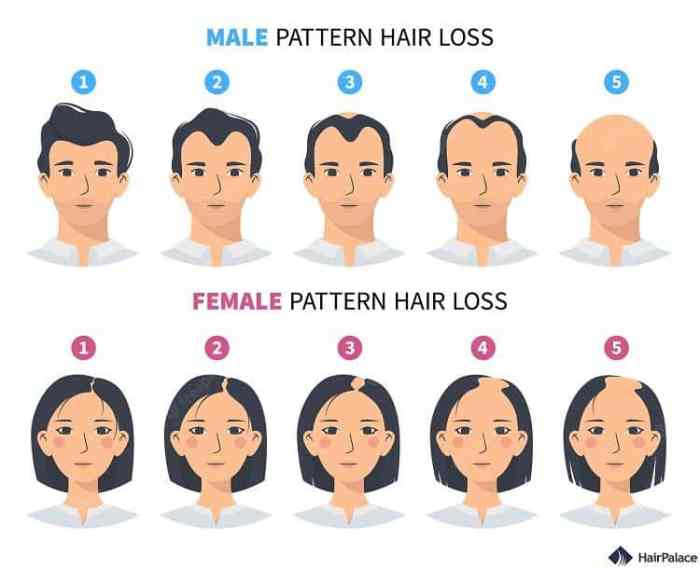
-alpha reductase inhibitors are a class of medications primarily used to treat male pattern hair loss (androgenetic alopecia) and benign prostatic hyperplasia (BPH). These drugs work by blocking the enzyme 5-alpha reductase, which converts testosterone into dihydrotestosterone (DHT). DHT plays a crucial role in both hair follicle miniaturization and prostate growth. By reducing DHT levels, these inhibitors can help slow hair loss and alleviate symptoms associated with BPH.The two most commonly prescribed 5-alpha reductase inhibitors are dutasteride and finasteride.
Both drugs target the same enzyme, but they differ in their chemical structure and potency, leading to variations in their efficacy and side effect profiles. Understanding these differences is critical for personalized treatment strategies.
Mechanism of Action
These drugs work by inhibiting the enzyme 5-alpha reductase, which is responsible for converting testosterone to dihydrotestosterone (DHT). DHT is a potent androgen that plays a role in both hair follicle miniaturization and prostate growth. By reducing DHT levels, these inhibitors can slow hair loss and alleviate symptoms of BPH. The precise mechanism through which DHT influences hair follicles and prostate growth is still under active research.
Comparison of Dutasteride and Finasteride
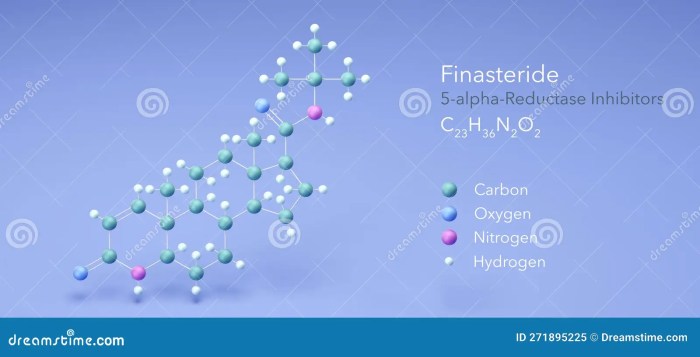
Dutasteride and finasteride are both 5-alpha reductase inhibitors, but they differ in their chemical structure and thus their potency. Dutasteride is a more potent inhibitor of both types of 5-alpha reductase (types 1 and 2), while finasteride primarily inhibits type 2. This difference in potency leads to potential variations in effectiveness and side effects.
| Characteristic | Dutasteride | Finasteride |
|---|---|---|
| 5-alpha reductase type inhibition | Inhibits both type 1 and type 2 | Primarily inhibits type 2 |
| Potency | More potent | Less potent |
| Hair Loss Treatment | Generally considered equally effective in treating hair loss. | Generally considered equally effective in treating hair loss. |
| BPH Treatment | May be more effective in reducing prostate size and improving urinary symptoms. | Effective in reducing prostate size and improving urinary symptoms. |
| Side Effect Profile | May have a slightly different side effect profile, including potential sexual side effects. | May have a slightly different side effect profile, including potential sexual side effects. |
Similarities in Action
Both dutasteride and finasteride are 5-alpha reductase inhibitors, working to reduce the production of dihydrotestosterone (DHT). This shared mechanism forms the bedrock of their similar therapeutic applications and effects. Understanding these similarities provides insight into their effectiveness and potential side effects.Pharmacological effects of dutasteride and finasteride stem from their identical core function: inhibiting the enzyme 5-alpha reductase. This enzyme is crucial in converting testosterone to dihydrotestosterone (DHT).
Dutasteride and finasteride are both 5-alpha reductase inhibitors, used to treat BPH, but they differ in their potency and side effect profiles. Understanding these differences is crucial for personalized treatment plans. A gastric emptying scan procedure, like the one described here , can sometimes reveal underlying digestive issues that might impact how the body processes these medications.
Ultimately, consulting with a healthcare professional is essential to determine the most suitable course of action when comparing dutasteride and finasteride for individual needs.
DHT plays a significant role in prostate growth and hair follicle development. By inhibiting 5-alpha reductase, both drugs decrease DHT levels, leading to similar outcomes.
Shared Therapeutic Targets
Both dutasteride and finasteride target the same key player in prostate health: the 5-alpha reductase enzyme. By reducing DHT, they both aim to address conditions related to prostate enlargement and hair loss. The primary therapeutic target is the reduction of DHT levels in the body. This shared target explains the similar therapeutic outcomes observed in clinical trials.
Common Outcomes
The common goal of both medications is to decrease DHT levels. This reduction in DHT leads to various positive effects. For prostate enlargement (benign prostatic hyperplasia, or BPH), this translates to a decrease in prostate size and improved urinary flow. In male pattern hair loss (androgenetic alopecia), it can result in slowing or halting hair loss and promoting hair regrowth.
Similarities in Pharmacokinetics
Absorption, distribution, metabolism, and excretion profiles exhibit noteworthy similarities between dutasteride and finasteride. Both drugs are well-absorbed orally, achieving peak concentrations within a few hours. Their distribution throughout the body is relatively consistent. Both are primarily metabolized by the liver, although the specific pathways and metabolites may differ slightly. Their excretion profiles are also comparable, with a significant portion eliminated through the urine and a smaller amount in the feces.
Summary Table
| Feature | Dutasteride | Finasteride | Similarities |
|---|---|---|---|
| Mechanism of Action | Inhibits both type 1 and type 2 5-alpha reductase | Inhibits type 2 5-alpha reductase | Both reduce DHT levels by inhibiting 5-alpha reductase |
| Therapeutic Indications | BPH, male pattern hair loss | BPH, male pattern hair loss | Both treat conditions linked to DHT |
| Pharmacokinetics | Good oral absorption, liver metabolism, primarily excreted in urine | Good oral absorption, liver metabolism, primarily excreted in urine | Similar absorption, distribution, metabolism, and excretion profiles |
| Clinical Effects | Reduced prostate size, improved urinary flow, slowed/stopped hair loss | Reduced prostate size, improved urinary flow, slowed/stopped hair loss | Similar outcomes due to reduced DHT |
Differences in Efficacy and Side Effects
While both dutasteride and finasteride are 5-alpha reductase inhibitors used to treat benign prostatic hyperplasia (BPH) and male pattern hair loss, subtle but important distinctions exist in their efficacy and potential side effects. Understanding these nuances is crucial for patients and healthcare providers to make informed decisions about treatment options.These differences stem from variations in their potency and duration of action, leading to varying responses and side effect profiles.
The choice between dutasteride and finasteride depends on individual needs and considerations.
Efficacy Differences in Treating BPH
Dutasteride is generally considered more potent than finasteride in reducing prostate size and relieving symptoms of BPH. Clinical studies have demonstrated that dutasteride achieves a greater reduction in prostate volume and a more pronounced improvement in urinary flow rates compared to finasteride, particularly in patients with larger prostates. This increased efficacy translates to quicker symptom relief for some individuals.
Dutasteride and finasteride are both 5-alpha reductase inhibitors, used to treat male pattern hair loss and benign prostatic hyperplasia. While they share a common goal, their mechanisms differ slightly, leading to variations in effectiveness and potential side effects. Interestingly, comparing their similarities and differences is somewhat akin to understanding the distinctions between over-the-counter pain relievers like ibuprofen and naproxen, or, as a simple example, what is the difference between motrin and advil.
Ultimately, the choice between dutasteride and finasteride depends on individual needs and potential reactions, and consultation with a healthcare professional is always advised.
However, finasteride is still effective for many men with BPH.
Efficacy Differences in Treating Hair Loss
Both medications work by reducing DHT, a hormone linked to hair follicle shrinkage. While both show some effectiveness in hair regrowth, the results may vary from person to person. There is evidence that finasteride is more effective for some men in promoting hair regrowth. However, the difference in efficacy for hair loss isn’t as pronounced as the difference seen in treating BPH.
Potency and Duration of Action
Dutasteride is a more potent inhibitor of 5-alpha reductase, meaning it blocks the conversion of testosterone to DHT more effectively than finasteride. This higher potency translates to a faster onset of action for some patients, particularly for symptom relief related to BPH. However, both drugs show sustained effects over time, with continued use often resulting in ongoing symptom improvement.
The duration of action, while significant, may vary depending on the individual’s response to the medication.
Side Effect Comparison
Side effects are a crucial consideration when choosing between dutasteride and finasteride. Both medications share some potential side effects, but their frequency and severity can differ. It’s important to note that not everyone experiences side effects, and the severity can vary significantly.
Detailed Side Effect Comparison Table, Dutasteride vs finasteride similarities and differences
| System Affected | Dutasteride | Finasteride |
|---|---|---|
| Sexual | Reduced libido, erectile dysfunction, ejaculation disorders. Reported less frequently than finasteride. | Reduced libido, erectile dysfunction, ejaculation disorders. Reported more frequently than dutasteride in some studies. |
| General | Fatigue, headache, dizziness. Generally mild. | Fatigue, headache, dizziness. Generally mild. |
| Skin | Skin rash or itching. Rare. | Skin rash or itching. Rare. |
| Other | Breast tenderness or enlargement. Rare, but can be serious in some cases. | Breast tenderness or enlargement. Rare. |
It’s essential to remember that this table provides a general overview. Individual experiences can vary, and the frequency and severity of side effects may differ based on factors such as individual sensitivity, dosage, and duration of use.
While researching dutasteride vs. finasteride, I stumbled upon some fascinating information about esophageal cancer causes and risk factors. Both drugs are 5-alpha-reductase inhibitors, aiming to reduce prostate enlargement. Key similarities include their mechanism of action, but differences in their potency and potential side effects exist. Understanding these intricacies is crucial when considering these medications.
For a deeper dive into the various risk factors associated with esophageal cancer, check out this helpful resource: esophageal cancer causes and risk factors. Ultimately, the choice between dutasteride and finasteride depends on individual patient needs and considerations.
Dosage and Administration
Understanding the precise dosages and administration methods of dutasteride and finasteride is crucial for effective treatment. Both drugs aim to manage symptoms and prevent progression of benign prostatic hyperplasia (BPH) and male pattern hair loss. Proper adherence to prescribed dosages is essential for optimal results and minimizing potential side effects.
Recommended Dosages for BPH
Dutasteride and finasteride are both used to treat BPH, but their dosages differ. Dutasteride is typically prescribed at a dose of 0.5 mg once daily. This single daily dose is often sufficient to achieve the desired therapeutic effect. Finasteride, on the other hand, is generally administered at a dose of 5 mg once daily. This consistent daily intake is important for sustained effectiveness.
Recommended Dosages for Hair Loss
For treating male pattern hair loss, the dosages for both medications are also different. Finasteride is often prescribed at a 1 mg daily dose for hair loss, a lower dose compared to its BPH dosage. Dutasteride is not typically used as a first-line treatment for hair loss. While some studies have shown potential benefits, it is not as commonly prescribed for this indication.
Administration Routes and Frequencies
Both medications are taken orally, typically in the form of tablets. The frequency of administration is consistent for both medications, typically once daily. Consistency in timing is important for optimal absorption and efficacy. It’s essential to follow the prescribed schedule and not deviate from it without consulting a healthcare professional.
Potential Interactions with Other Medications
Interactions with other medications are a potential concern with both dutasteride and finasteride. These drugs can potentially interact with other medications, including blood thinners or certain antibiotics. It is important to inform your doctor about all medications, supplements, and herbal remedies you are currently taking to ensure there are no negative interactions. This is vital for avoiding unexpected side effects or complications.
Summary Table
| Medication | Dosage (BPH) | Dosage (Hair Loss) | Administration Route | Frequency |
|---|---|---|---|---|
| Dutasteride | 0.5 mg once daily | Not typically used | Oral | Once daily |
| Finasteride | 5 mg once daily | 1 mg once daily | Oral | Once daily |
Clinical Use Cases: Dutasteride Vs Finasteride Similarities And Differences
Choosing between dutasteride and finasteride often depends on the specific clinical situation and the patient’s individual needs. Both medications effectively address benign prostatic hyperplasia (BPH) symptoms, but their differences in potency and potential side effects influence optimal selection. Understanding the nuances of each drug’s profile is crucial for tailoring treatment plans.
Patient Age and Overall Health
Factors such as age and pre-existing health conditions play a significant role in treatment decisions. Dutasteride, due to its stronger 5-alpha reductase inhibition, may be a more suitable choice for patients with more advanced BPH or those experiencing rapid symptom progression. Finasteride, with its milder effect, might be preferred for younger patients with milder symptoms or those with a history of certain cardiovascular conditions.
For example, a 65-year-old man with a history of hypertension might benefit from a more gradual approach with finasteride, while a 70-year-old with rapidly enlarging prostate might require the stronger effect of dutasteride.
Symptom Severity and Treatment Goals
The severity of symptoms and the desired treatment outcomes also influence the selection. Patients experiencing significant urinary obstruction or those requiring rapid symptom relief might find dutasteride more effective. Conversely, patients seeking a more gradual improvement in symptoms and with milder BPH may find finasteride adequate.
Specific Clinical Situations
Certain clinical situations might necessitate one medication over the other. For instance, in cases of significant prostate volume enlargement, dutasteride’s potent action may be necessary to achieve a rapid reduction in size. However, in situations where prostate volume is less problematic and the primary concern is symptom relief, finasteride might be sufficient.
Case Studies (Illustrative Examples)
Case 1: A 55-year-old man presented with moderate BPH symptoms and a prostate volume of 350cc. Due to the relatively high volume and the need for a more aggressive approach to reduce the size, dutasteride was chosen. The patient experienced significant symptom improvement within six months, and the prostate volume decreased by 20% after one year.Case 2: A 62-year-old man presented with mild BPH symptoms and a prostate volume of 200cc.
He had a history of high blood pressure. Finasteride was selected, given the milder side-effect profile and the patient’s pre-existing condition. The patient experienced gradual symptom improvement over a period of 9 months, with a slight reduction in prostate volume.
Clinical Use Case Table
| Clinical Situation | Preferred Medication | Rationale |
|---|---|---|
| Advanced BPH with rapid symptom progression | Dutasteride | Potent 5-alpha reductase inhibition for more rapid symptom relief and prostate volume reduction. |
| Mild BPH with gradual symptom progression | Finasteride | Milder effect and potentially reduced side effect risk, suitable for patients with pre-existing cardiovascular conditions. |
| Significant prostate volume enlargement | Dutasteride | High prostate volume necessitates more potent inhibition to achieve significant size reduction. |
| Patients with a history of cardiovascular issues | Finasteride | Milder side effect profile potentially beneficial for patients with pre-existing cardiovascular conditions. |
| Patients seeking rapid symptom relief | Dutasteride | Potent effect can provide more rapid symptom improvement. |
Patient Considerations
Choosing between dutasteride and finasteride for benign prostatic hyperplasia (BPH) requires careful consideration of individual patient needs. Both medications aim to reduce prostate size and alleviate symptoms, but they differ in their mechanisms of action, potential side effects, and long-term implications. Understanding these nuances is crucial for patients to make informed decisions alongside their healthcare providers.Patient education and careful evaluation of individual factors are paramount to ensure optimal treatment outcomes.
Factors such as lifestyle, existing health conditions, and personal preferences should be carefully considered when selecting the appropriate medication. Open communication with a healthcare professional is essential to navigate these choices and address any concerns.
Importance of Patient Education
Effective patient education is critical for successful management of BPH and the use of 5-alpha reductase inhibitors. Patients must understand the potential side effects of both dutasteride and finasteride, including sexual dysfunction, decreased libido, and gynecomastia. Furthermore, they should be aware of the long-term nature of treatment, which may extend over several years. Open dialogue about potential risks and benefits is crucial to fostering shared decision-making.
Educating patients about the importance of regular follow-up appointments and monitoring helps ensure appropriate management and early detection of any adverse reactions.
Influence of Patient Factors
Patient lifestyle and existing health conditions can significantly impact the choice of medication. For instance, individuals with a history of cardiovascular issues or liver problems might require careful consideration of dutasteride or finasteride, respectively, due to potential interactions or heightened risk. Furthermore, lifestyle factors like diet, exercise, and overall health play a significant role in managing BPH symptoms and potentially reducing the need for medication in some cases.
For example, maintaining a healthy weight and regular exercise can positively influence prostate health.
Importance of Regular Follow-Up Appointments
Regular follow-up appointments are essential for monitoring treatment effectiveness and potential side effects. These appointments allow healthcare providers to assess the patient’s response to the medication, adjust the dosage if necessary, and address any concerns promptly. Monitoring prostate size and symptom severity through regular check-ups ensures optimal management and helps detect any unexpected complications early. The frequency of follow-up visits will be determined by the individual patient’s needs and the progress of their treatment.
Key Points for Patients
- Dutasteride and finasteride have different mechanisms of action and potential side effects, so careful consideration of individual factors is necessary.
- Both medications are typically taken daily for extended periods, often years. Patients must understand the long-term commitment involved.
- Potential side effects like sexual dysfunction, decreased libido, and gynecomastia should be discussed with the healthcare provider. Early detection and management are crucial.
- Lifestyle factors and existing health conditions may influence the choice of medication and the optimal treatment strategy.
- Regular follow-up appointments are crucial for monitoring treatment effectiveness, adjusting dosages, and addressing any concerns.
Potential Long-Term Effects
Long-term use of 5-alpha reductase inhibitors like dutasteride and finasteride, while effective for managing symptoms of benign prostatic hyperplasia (BPH) and male pattern hair loss, carries potential long-term implications. Understanding these potential effects is crucial for informed decision-making regarding treatment choices. Careful monitoring and open communication with healthcare providers are essential for managing potential risks and ensuring patient well-being.These medications primarily work by reducing the production of dihydrotestosterone (DHT), a hormone implicated in prostate growth and hair follicle development.
While this reduction is beneficial in many cases, it can also potentially affect other bodily functions, particularly those related to hormone balance. It’s vital to remember that individual responses to these medications can vary, and some patients may experience more pronounced side effects than others.
Sexual Function
Changes in sexual function are a significant concern associated with 5-alpha reductase inhibitors. Reduced libido, erectile dysfunction (ED), and ejaculatory disorders have been reported in some patients. The precise mechanisms underlying these effects are still being investigated, but they are believed to be linked to the reduced DHT levels. Monitoring for any changes in sexual function is critical.
Regular check-ups and open communication with a doctor are vital for promptly addressing any issues that may arise. This proactive approach can help ensure the best possible outcomes and maintain overall well-being.
Other Organ Systems
While the prostate and hair follicles are the primary targets of these medications, potential effects on other organ systems are possible, although less frequent. Studies are ongoing to fully understand the long-term impacts on the body. Currently, there is no conclusive evidence of significant damage to other organ systems. However, it is crucial to remain vigilant about potential side effects and report any unusual symptoms to a doctor.
Long-Term Considerations for Patients
- Regular Monitoring: Regular check-ups with a healthcare provider are essential to monitor for any changes in sexual function, urinary symptoms, or other potential side effects. This allows for prompt intervention if necessary. For example, a patient experiencing erectile dysfunction might be able to find a solution with a different medication, rather than needing to stop the dutasteride.
- Open Communication: Honest communication with a doctor about any side effects, no matter how minor they may seem, is crucial. Early detection and discussion can help prevent potential complications. Patients should feel comfortable discussing concerns about sexual function, even if they are hesitant or embarrassed. This openness is essential for the patient’s well-being.
- Alternative Treatments: Exploring alternative treatments or management strategies if side effects persist is important. For instance, if sexual side effects are severe, alternative therapies or medications may be considered. This should be discussed with the physician to ensure the best approach for the patient’s needs.
- Individualized Treatment Plans: Recognizing that individual responses to these medications vary is vital. Treatment plans should be tailored to the specific needs of each patient. This might involve adjusting dosages or exploring other treatment options.
- Long-Term Risks: While the overall risks are considered low, long-term use may potentially be associated with some unforeseen side effects. This underscores the importance of continued monitoring and communication with the healthcare provider to address any emerging concerns or unusual symptoms.
Ultimate Conclusion
In conclusion, while both dutasteride and finasteride are effective treatments for certain conditions, their differences in potency, side effect profiles, and potential long-term implications require careful consideration. Understanding these distinctions is vital for informed decision-making between these two medications. Choosing the right drug depends on the individual patient’s needs and medical history, ensuring optimal outcomes while minimizing potential risks.