
The landscape of Type 1 Diabetes (T1D) is undergoing a radical transformation. Once a diagnosis that carried a grim prognosis and a lifetime of manual, grueling management, T1D is now at the center of a sophisticated intersection of biotechnology, advocacy, and community-driven research. As National Diabetes Awareness Month (NDAM) takes center stage, the organization Breakthrough T1D (formerly JDRF) has launched its "See T1D" campaign, a movement designed to pull back the curtain on a condition that is often invisible to the naked eye but omnipresent in the lives of those it affects.
n
Type 1 diabetes is an autoimmune disease in which the body’s immune system attacks and destroys the insulin-producing cells in the pancreas. Unlike Type 2 diabetes, it is not caused by diet or lifestyle. It requires 24/7 monitoring, constant insulin administration, and a mental load that never rests. However, as the stories of athletes, researchers, and families suggest, the narrative of T1D is shifting from one of mere survival to one of thriving and, ultimately, seeking a cure.
n
The Reality of T1D: Beyond the Invisible Struggle
n
For many of the millions living with T1D, the primary challenge is the "invisibility" of the condition. A person with T1D might look perfectly healthy while their internal systems are in a state of constant flux. The "See T1D" initiative aims to bridge this gap in public understanding. By making the daily realities of the disease visible, Breakthrough T1D seeks to mobilize the resources necessary to transition from "Type 1" to "Type None."
n
The management of T1D is a relentless balancing act. It involves calculating carbohydrates, monitoring blood glucose levels via skin-pricked sensors, and adjusting insulin doses based on a myriad of factors—many of which are outside the patient’s control. This complexity is why community support and technological innovation are not just luxuries; they are lifelines.
n
Personal Chronicles: Resilience in the Face of Autoimmunity
n
To understand the current state of T1D, one must look at the diverse lives of those navigating the condition. From the mound of a Major League Baseball stadium to the sterile environment of a research lab, T1D is being managed with unprecedented grit.
n
The Professional Athlete: Mason Miller
n
Mason Miller, a relief pitcher for the San Diego Padres, serves as a high-profile example of how T1D does not have to be a barrier to elite physical achievement. Diagnosed at the age of 20 while playing Division III baseball, Miller faced a steep learning curve.
n
"When I was diagnosed, I was struggling as a D3 pitcher and now I’m pitching in the MLB for the Padres," Miller shared. His journey highlights the importance of education and access to medical technology. "A lot of hard work accompanied getting healthy and educated, but I do feel grateful for the technology that allows me to take such good care of myself." For athletes like Miller, continuous glucose monitors (CGMs) allow for real-time adjustments that keep them competitive at the highest levels of sport.
n
The Policy Expert: Yousra Omer
n
Management is not just about insulin; it is about the variables of life. Yousra Omer, a Senior Coordinator of Health Policy at Breakthrough T1D, emphasizes that the disease is often unpredictable.
n
"Part of managing diabetes is trying to expect the unexpected; everything impacts T1D, from food to stress to exercise to sleep," Omer explains. "Even if I do the exact same things every single day, my blood sugars would still be different, which doesn’t mean I am doing something wrong." This perspective is crucial for dismantling the "blame" often associated with fluctuating blood sugar levels, highlighting the physiological complexity of the autoimmune response.
n
The Researcher: Dr. Camillo Bechi Genzano
n
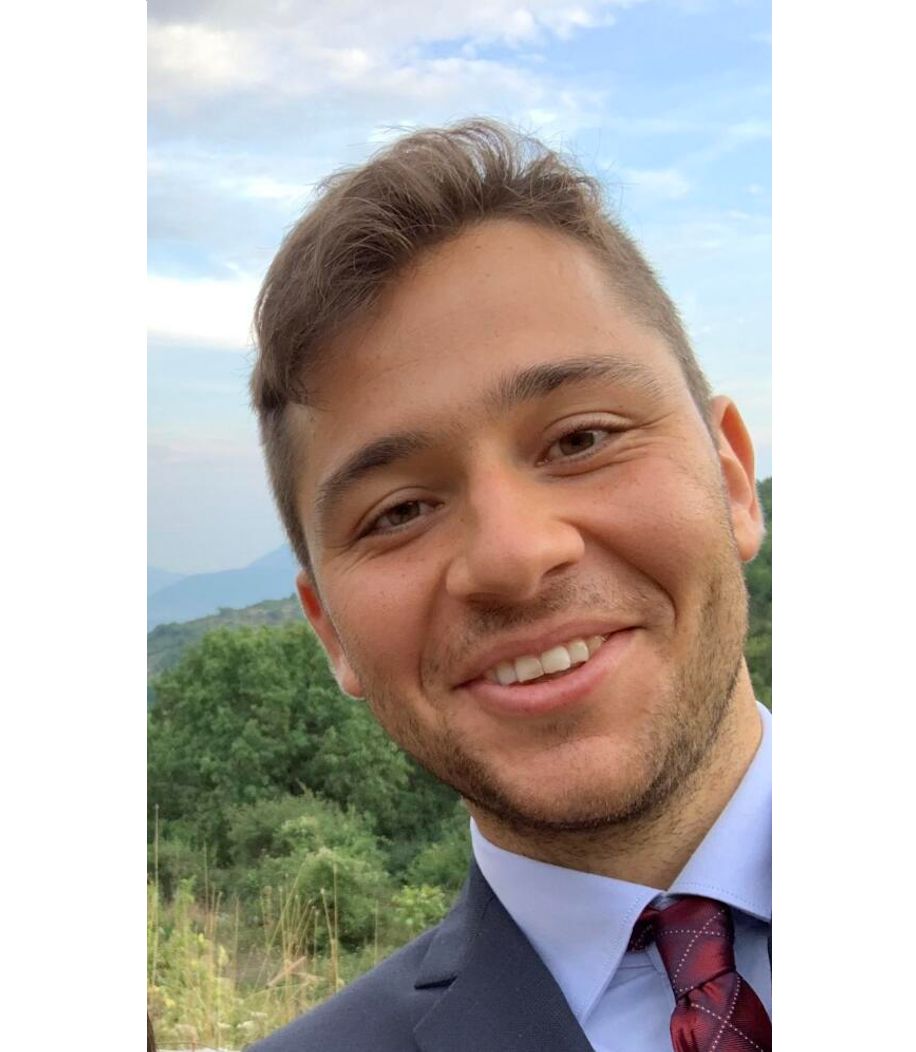
The bridge between patient experience and clinical solution is often built by those who live in both worlds. Dr. Camillo Bechi Genzano, a researcher funded by Breakthrough T1D, was diagnosed at age 12. His career is dedicated to exploring disease-modifying therapies.
n
"Life back then was pretty hard. I remember all the struggles before continuous glucose monitors and insulin pumps," says Dr. Genzano. He notes that the pace of improvement has accelerated. "The life of people with this disease has dramatically improved over the past few years, and it’s going to improve further as we go."
n
A Chronology of Progress: The Evolution of T1D Care
n
The history of T1D management is a testament to human ingenuity. To appreciate where we are today, we must look at the timeline of innovation that has brought the community to the brink of a cure.
n
- n
- The Pre-Insulin Era (Before 1921): A diagnosis of T1D was effectively a death sentence. Patients were placed on "starvation diets" that only briefly delayed the inevitable.
- The Discovery of Insulin (1921-1922): Frederick Banting and Charles Best discovered insulin, transforming T1D into a manageable chronic condition. The first successful injection in a human occurred in 1922.
- The Development of Synthetic Insulin (1970s-1980s): The transition from animal-derived insulin to biosynthetic "human" insulin (Humulin) reduced allergic reactions and improved efficacy.
- The Rise of Technology (1990s-2010s): The introduction of the first insulin pumps and Continuous Glucose Monitors (CGMs) revolutionized care, allowing for near-constant data tracking.
- The "Artificial Pancreas" and Beyond (2016-Present): Hybrid closed-loop systems, which use algorithms to automatically adjust insulin delivery based on CGM data, have become the gold standard, significantly reducing the burden of manual care.
n
n
n
n
n
n
Supporting Data: The Scope and Impact of T1D
n
The urgency behind the "See T1D" campaign is backed by sobering statistics. According to data from Breakthrough T1D and the CDC:
n
- n
- Prevalence: Approximately 1.45 million Americans are living with T1D.
- Incidence: The number of people diagnosed with T1D is growing. By 2050, the number of youths with T1D is projected to increase significantly.
- Economic Burden: The total economic cost (including medical costs and lost productivity) of T1D in the U.S. is estimated in the tens of billions of dollars annually.
- Mental Health: People with T1D are 2 to 3 times more likely to experience depression than those without diabetes. "Diabetes distress"—the emotional burden of managing the disease—affects a vast majority of the community at some point.
n
These figures underscore why advocacy for lower insulin costs and increased federal research funding, such as the Special Diabetes Program (SDP), remains a top priority for Breakthrough T1D.
Official Responses and the Role of Advocacy
Breakthrough T1D has responded to these challenges by pivoting its mission toward a dual-track approach: improving lives today while curing the disease for tomorrow. The organization’s leadership emphasizes that research is no longer just about better pumps, but about biological "cures"—such as islet cell transplantation and immunotherapy that can stop the immune system’s attack before it starts.
The role of the family is also a cornerstone of the organization’s strategy. Alyssa Burns, a Breakthrough T1D Walk participant, highlights the importance of the social infrastructure provided by the organization. Her 10-year-old son, Carter, lives with T1D in a family with no prior history of the disease.
"I wanted to get Carter involved with meeting other people who have type 1 diabetes because we have nobody," Burns says. "I thought it’d be good for him to get himself out there, meet some other kids, and show him that he’s not alone in this." This community aspect is vital for the long-term psychological resilience of pediatric patients.
Implications for the Future: Toward "Type None"
As we look toward the future, the implications of current research and advocacy are profound. The goal is no longer just "management," but "disease modification."
The Psychological Shift: "Diaversaries" and Joy
Jessie Stover, Development Manager of the Breakthrough T1D Indiana Chapter, points to a necessary shift in how the community views the disease. Living with T1D since the age of two, she advocates for finding joy within the struggle.
"Celebrate your diaversary, bedazzle your Omnipod, rock your fun patterned tapes, celebrate with diabesties," Stover suggests. "Find little ways to bring joy into it, but also take the time to feel the bad days. Take the time to learn how to let the good and bad coexist." This holistic approach to mental health is becoming a standard part of T1D care protocols.
The Research Frontier: Stem Cells and Immunotherapy
The most significant implication for the next decade lies in regenerative medicine. Scientists are currently working on creating "universal" insulin-producing cells from stem cells that could be implanted into a patient without the need for harsh immunosuppressive drugs. If successful, this would effectively function as a biological cure.
Furthermore, screening programs like "T1Detect" are now allowing families to test for autoantibodies before symptoms appear. This early detection opens the door for treatments that can delay the onset of the disease by years, providing a "window of prevention" that was previously thought impossible.
Conclusion
The "See T1D" campaign during National Diabetes Awareness Month serves as a powerful reminder that while the disease may be invisible, the people living with it and the progress being made are anything but. Through the combined efforts of elite athletes, dedicated researchers, policy experts, and resilient families, the trajectory of Type 1 diabetes is being rewritten.
As the community shares its stories of "highs, lows, and challenges overcome," the message remains clear: the goal is to move beyond the daily grind of insulin and fingersticks. By increasing visibility and funding, the global T1D community is not just managing a condition—they are driving toward a future where "Type 1" finally becomes "Type None."

