
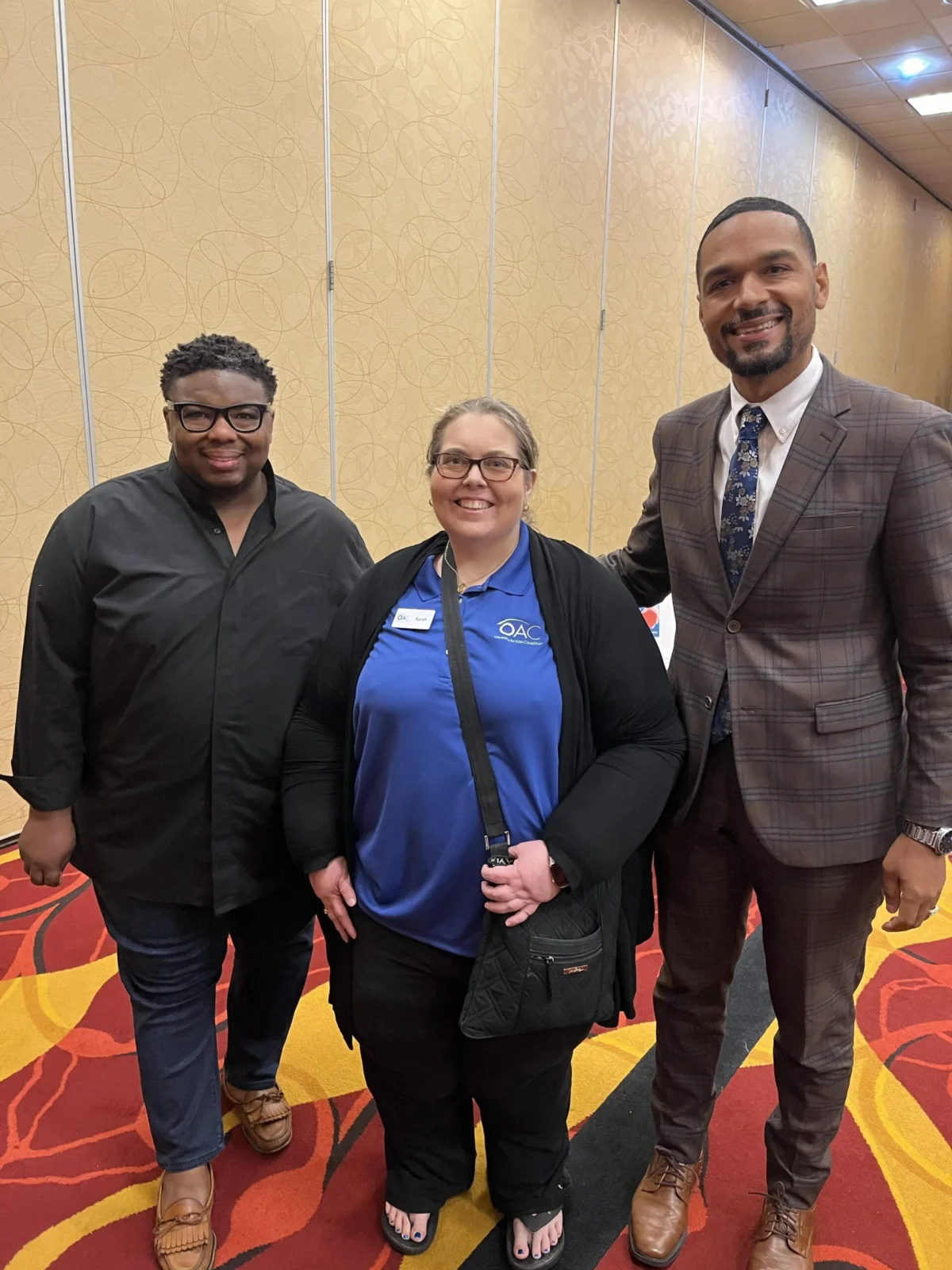
The landscape of healthcare in Ohio is currently at a critical crossroads. As the state grapples with rising obesity rates and the subsequent strain on public health resources, a profound policy shift has ignited a firestorm of advocacy and legislative debate. At the heart of this struggle is the Obesity Action Coalition (OAC), a national non-profit organization dedicated to giving a voice to the millions of individuals affected by obesity.
n
Through a combination of community education, such as the recent Your Weight Matters Regional event in Columbus, and direct legislative engagement, the OAC is challenging recent state decisions that have curtailed access to life-saving treatments. As Ohio enters a pivotal era in public health policy, the tension between fiscal management and medical necessity has never been more apparent.
n
Main Facts: The Current State of Obesity Care in Ohio
n
For years, Ohio has been a focal point for obesity advocacy. The state faces a significant public health challenge, with obesity rates consistently ranking among the highest in the nation. Despite the medical consensus that obesity is a complex, chronic disease, access to comprehensive treatment remains fragmented and, in many cases, non-existent for the state’s most vulnerable populations.
n
The Medicaid Gap
n
A primary pillar of the OAC’s advocacy is the push for Ohio Medicaid to cover FDA-approved obesity medications. Currently, Ohio Medicaid—a program that serves over 3 million residents—does not provide broad coverage for these treatments. This exclusion creates a "coverage desert" where low-income Ohioans are denied the same evidence-based tools available to those with premium private insurance. The OAC argues that this is not only a matter of health equity but a significant oversight in long-term fiscal planning, as untreated obesity leads to more expensive chronic conditions like Type 2 diabetes, heart disease, and certain cancers.
n
The 2025 SEHP Rollback
n
The situation reached a boiling point in 2025 when the Ohio State Employee Health Plan (SEHP) announced it would end coverage for GLP-1 medications—such as semaglutide and tirzepatide—when prescribed specifically for weight management. These medications have revolutionized obesity treatment, showing unprecedented efficacy in clinical trials. However, citing the high cost of these drugs and their impact on the state budget, officials moved to restrict access, leaving thousands of state employees without the medications they had come to rely on for their health.
n
The Legislative Response
n
In response to these cuts, a rare bipartisan coalition has emerged in the Ohio Statehouse. Representatives Josh Williams (R-Sylvania) and Dontavius Jarrells (D-Columbus) have become vocal champions for the cause. Both legislators have shared personal stories of their struggles with weight and the transformative impact of medical intervention. They have introduced legislation aimed at creating a reimbursement program for state employees, attempting to bridge the gap created by the SEHP’s coverage withdrawal.
n
Chronology: A Timeline of Policy and Advocacy
n
The current crisis in Ohio is the result of several years of escalating tension between medical advancement and insurance coverage.
n
- n
- 2021–2023: The Rise of GLP-1s: As FDA-approved weight management medications gained national attention for their effectiveness, demand surged across Ohio. Advocacy groups began intensifying their calls for Medicaid and state-funded plans to include these treatments in their formularies.
- Late 2024: The Fiscal Warning: State budget analysts began raising concerns about the "sustainability" of covering high-cost obesity medications. The Ohio Department of Administrative Services (DAS) signaled that the SEHP was facing significant premium increases if GLP-1 coverage continued at its current rate.
- January 2025: The Coverage Cut: The State Employee Health Plan officially terminated coverage for GLP-1s for weight management. This move was met with immediate backlash from patients and the OAC.
- Spring 2025: Legislative Intervention: Representatives Williams and Jarrells introduced a bill to establish a state-funded reimbursement program for obesity care. This was followed by the DAS introducing a "third-party obesity management program" as an alternative to direct medication coverage.
- Late 2025: The Columbus Regional Event: The OAC hosted the Your Weight Matters Regional event in Columbus, serving as a rallying point for education and a platform for legislators to address the community directly.
- Current Status: OAC leadership, including Senior Advocacy Manager Sarah Bramblette, continues to hold high-level meetings with Ohio Medicaid representatives to negotiate a path forward for comprehensive coverage.
n
n
n
n
n
n
n
Supporting Data: The Science and Economics of Obesity
n
To understand the weight of the OAC’s advocacy, one must look at the data driving the medical community’s stance on obesity care.
n
Ohio’s Public Health Crisis
n
According to the Centers for Disease Control and Prevention (CDC), Ohio’s adult obesity rate is approximately 38%. This places the state in the top tier of the national obesity epidemic. Furthermore, the prevalence of obesity-related comorbidities in Ohio—such as hypertension and diabetes—is significantly higher than the national average.
n
The "Cost of Inaction"
n
While state officials often cite the high price tag of medications like Wegovy or Zepbound, advocates point to the "cost of inaction." A study by the Milken Institute suggests that the total economic burden of obesity in the United States exceeds $1.7 trillion annually, including direct healthcare costs and lost productivity. In Ohio, the annual cost of treating obesity-related illnesses is estimated in the billions. Advocates argue that spending on preventative and comprehensive care today will save the state money by reducing the need for emergency room visits, surgeries, and long-term disability payments in the future.
n
The Biology of Obesity
n
A key component of the OAC’s educational mission is debunking the "moral failure" myth. Modern neuroscience and endocrinology have proven that obesity is a disease of the metabolic system, often driven by genetic factors and hormonal imbalances that make "willpower" an insufficient tool for long-term health. GLP-1 medications work by targeting these biological pathways, making them a medical necessity for many, rather than a "lifestyle" choice.
n
Official Responses: Diverging Perspectives
n
The debate in Ohio features several key stakeholders with differing views on how to manage the state’s health and budget.
The OAC and Patient Advocates
The OAC’s position is clear: obesity care must be comprehensive. Sarah Bramblette, MSHL, OAC Senior Advocacy Manager, emphasizes that "education and advocacy go hand in hand." During her meetings with Ohio Medicaid, Bramblette has stressed that "access to appropriate, science-based treatment options" is a fundamental right for patients. The OAC remains critical of the DAS’s "third-party obesity management program," labeling it as a "limited approach" that focuses on lifestyle coaching while ignoring the biological needs of many patients.
The Legislative Champions
Representative Josh Williams has been particularly vocal about the stigma surrounding obesity. He has publicly stated that society must "stop treating obesity as a moral failure." Along with Representative Jarrells, Williams argues that the state has a moral and fiscal obligation to provide its employees and Medicaid recipients with the most effective medical tools available. Their proposed legislation represents a direct challenge to the executive branch’s cost-cutting measures.
The Ohio Department of Administrative Services (DAS)
The DAS maintains that its decisions are rooted in fiscal responsibility. Officials have noted that the rapid increase in GLP-1 prescriptions posed a threat to the solvency of the state employee health fund. Their alternative "third-party program" is designed to provide weight management support through behavioral health and nutritional counseling—a move they claim is more sustainable than "high-cost pharmaceutical intervention."
Implications: What This Means for the Future of Ohio
The outcome of the struggle in Ohio will likely serve as a bellwether for other states facing similar budgetary pressures.
The Risk of a Two-Tiered System
If Ohio Medicaid continues to deny coverage while private insurers (under pressure from employees) eventually reinstate it, the state risks creating a two-tiered healthcare system. In this scenario, health outcomes would be determined by socio-economic status, further widening the health equity gap. Minority communities in Ohio, who are disproportionately affected by obesity, would bear the brunt of these policy decisions.
Long-Term Economic Impact
By restricting access to the most effective treatments, Ohio may see a short-term budgetary "win," but experts warn of a long-term economic drain. As the current generation of Ohioans ages with untreated obesity, the state’s healthcare infrastructure could be overwhelmed by chronic diseases that could have been managed or prevented with modern medical intervention.
A Call to Action
The OAC’s work in Ohio is far from over. The organization is currently calling on all Ohio residents to engage with their elected officials. The "Take Action for Better Obesity Care Coverage in Ohio" campaign is designed to flood the Statehouse with personal stories and data, proving that obesity care is a priority for the electorate.
As the OAC continues to bridge the gap between education and advocacy, the message to Ohio’s leaders is clear: the science of obesity has evolved, and it is time for state policy to do the same. The fight in Ohio is not just about a specific class of drugs; it is about the fundamental recognition of obesity as a chronic disease and the commitment to treating all citizens with the dignity and medical care they deserve.
About the Obesity Action Coalition (OAC):
The OAC is a national non-profit organization dedicated to improving the lives of individuals affected by obesity through education, advocacy, and support. For more information on their efforts in Ohio and across the country, visit www.obesityaction.org.

