
San Francisco, CA – [Current Date] – Revolution Medicines’ innovative RAS inhibitor, Rasonque (daraxonrasib), has delivered compelling Phase I/II trial results, demonstrating significant promise as a frontline treatment for metastatic pancreatic adenocarcinoma (PDAC). These findings emerge shortly after the drug secured landmark approvals in the US and EU for second-line metastatic PDAC, positioning Rasonque as a potentially transformative therapy in a disease notorious for its aggressive nature and limited treatment options. The positive data is expected to have substantial implications for the ongoing Phase III RASolute 303 trial, which is further evaluating Rasonque’s potential in this challenging patient population.
n
The RMC-GI-102 trial (NCT06445062), an open-label Phase I/II study, investigated Rasonque in combination with various standard of care (SoC) chemotherapy agents, notably gemcitabine and nab-paclitaxel (GnP), in patients diagnosed with treatment-naïve metastatic PDAC. The outcomes, particularly for the Rasonque-GnP regimen, suggest a new benchmark for efficacy and durability in the frontline setting, offering a glimmer of hope to patients and clinicians grappling with one of oncology’s most intractable challenges.
n
A New Dawn for Pancreatic Cancer Treatment?
n
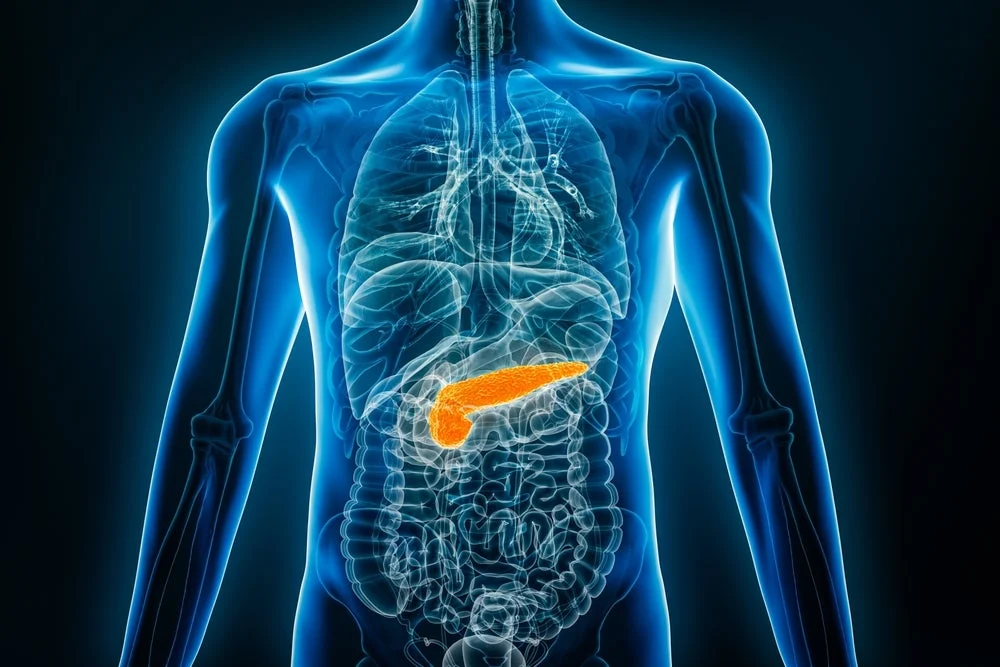
Pancreatic cancer, specifically pancreatic adenocarcinoma (PDAC), stands as one of the deadliest cancers globally, characterized by late diagnosis, rapid progression, and an exceptionally poor prognosis. For decades, treatment advancements have been incremental, with conventional chemotherapy regimens offering modest survival benefits. The five-year survival rate for metastatic PDAC remains tragically low, often in the single digits, underscoring an urgent and profound unmet medical need for more effective therapies.
n
The discovery and development of RAS inhibitors represent a monumental leap in targeted oncology. The RAS pathway is a critical signaling network frequently mutated in various cancers, including a staggering 90% of PDAC cases. Historically, RAS was considered "undruggable" due to the complex nature of its protein structure. Rasonque, a potent and selective RAS inhibitor, directly targets these oncogenic mutations, offering a precision medicine approach that aims to halt tumor growth by disrupting fundamental cellular processes. Its prior approvals for second-line metastatic PDAC were already a significant milestone, providing a much-needed option for patients whose disease had progressed on initial therapies. The new data, however, suggests an even broader and earlier role for this innovative drug, potentially redefining the initial treatment paradigm for this devastating disease.
n
Rasonque’s Breakthrough: The RMC-GI-102 Trial
n
The Phase I/II RMC-GI-102 trial was designed to explore Rasonque’s therapeutic potential when integrated into frontline treatment strategies for metastatic PDAC. This open-label study was crucial for establishing both the safety and preliminary efficacy of Rasonque in combination with standard chemotherapy regimens, particularly in patients who had not yet received systemic treatment for their metastatic disease. The focus on treatment-naïve patients is particularly important, as it directly addresses the first-line setting where the greatest impact on long-term survival can potentially be achieved.
n
Trial Design and Patient Cohort
n
The RMC-GI-102 trial enrolled patients with treatment-naïve metastatic PDAC, a population typically facing severe challenges and limited options. Revolution Medicines specifically evaluated Rasonque alongside standard of care (SoC) chemotherapy agents, including the well-established gemcitabine and nab-paclitaxel (GnP) combination. GnP has been a cornerstone of PDAC treatment for years, known for its efficacy but also its associated toxicities. The strategic combination with Rasonque aimed to leverage the targeted inhibition of RAS alongside the cytotoxic effects of chemotherapy, hypothesizing a synergistic effect that could lead to improved patient outcomes. The open-label nature of the study allowed for flexible adjustments and rapid assessment of safety and preliminary efficacy signals.
n
Unpacking the Efficacy Data: ORR, CR, DoR, PFS, OS
n
As of the September 28 cutoff date, the data from 61 Rasonque-GnP treated patients, followed for a median of 18.3 months, revealed highly encouraging results:
n
- n
- Objective Response Rate (ORR): An impressive 60.7% of patients achieved a confirmed objective response to the Rasonque-GnP regimen. This figure represents a substantial proportion of patients experiencing significant tumor shrinkage, a critical indicator of treatment effectiveness. In the context of PDAC, where response rates to conventional therapies can be modest, a 60.7% ORR is particularly noteworthy.
- Complete Response (CR): Furthermore, 8.2% of patients achieved a complete response, meaning all signs of cancer disappeared. While a smaller percentage, complete responses in metastatic PDAC are exceedingly rare and represent the most profound level of treatment success, offering patients the best chance for long-term survival. The presence of such deep responses underscores the potent anti-tumor activity of the combination.
- Duration of Response (DoR): The median duration of response reached 11.1 months. This metric is vital as it indicates how long patients continue to benefit from the treatment, highlighting the sustained anti-tumor effect of the Rasonque-GnP combination. A durable response is crucial for improving quality of life and extending the period without disease progression.
- Progression-Free Survival (PFS): Patients treated with Rasonque-GnP experienced a median progression-free survival (PFS) of 12.8 months. PFS measures the length of time during and after treatment that a patient lives with the disease without it worsening. A PFS of over a year in frontline metastatic PDAC is a significant achievement, suggesting that the combination therapy effectively controls disease progression for an extended period compared to historical benchmarks.
- Overall Survival (OS): Perhaps the most compelling statistic, 76.6% of patients remained alive at 12 months following treatment. While this is an interim survival signal, a 12-month overall survival rate exceeding three-quarters of patients in this highly aggressive disease offers substantial promise. It hints at the potential for Rasonque to significantly prolong the lives of patients with frontline metastatic PDAC, a goal that has largely eluded therapeutic advancements for decades.
n
n
n
n
n
n
Safety Profile Overview
n
While Revolution Medicines provided sparse specific details on the regimen’s tolerability in the frontline PDAC patient population, the company noted that Rasonque demonstrated a safety profile similar to the known safety profiles of both Rasonque and GnP individually. This suggests that the combination therapy did not introduce unforeseen or significantly exacerbated toxicities beyond what is typically observed with each agent alone. Maintaining a manageable safety profile is crucial for a frontline therapy, as patients need to tolerate treatment for extended periods to maximize its benefits. Further detailed safety data will undoubtedly be critical as the drug progresses through later-stage trials.
n
The Journey of Rasonque: A Timeline of Innovation
n
The journey of Rasonque, from its inception as a promising molecule to its current status as a potential frontline therapy, reflects years of dedicated research and development.
n
- n
- Early Discovery and Preclinical Development: Rasonque emerged from Revolution Medicines’ deep expertise in RAS pathway biology, designed to overcome the historical challenges of targeting RAS.
- Initial Clinical Trials: Early-phase clinical trials established Rasonque’s safety and preliminary efficacy as a monotherapy in various RAS-mutated cancers.
- Pivotal Trials for Second-Line PDAC: Subsequent trials led to its successful application for approval in the second-line metastatic PDAC setting.
- US and EU Regulatory Approvals: Rasonque secured regulatory approval from the US Food and Drug Administration (FDA) and the European Commission for use in second-line metastatic PDAC, marking a critical commercial and clinical milestone. These approvals provided a much-needed option for patients whose disease had progressed on initial therapies.
- Phase I/II RMC-GI-102 Trial Results: The recent announcement of compelling data from the RMC-GI-102 trial, with a data cutoff of September 28, highlights Rasonque’s potential to move into earlier lines of therapy.
- Ongoing Phase III RASolute 303 Trial: The positive Phase I/II results lend significant momentum and confidence to the ongoing, larger Phase III RASolute 303 trial, which aims to definitively establish Rasonque’s role in frontline PDAC.
- Commercial Launch and Early Success: Following its US market debut, Rasonque quickly demonstrated strong commercial uptake, reflecting the high unmet need and clinician enthusiasm for a new targeted therapy in PDAC. Revolution Medicines reported pulling in an impressive $198 million in revenue in Q3 alone, a figure that "far exceeded all expectations" held by Jefferies analysts.
n
n
n
n
n
n
This chronology underscores Revolution Medicines’ strategic development pathway for Rasonque, systematically building evidence from later-line treatment to earlier-line intervention, aiming to maximize the drug’s impact across the disease spectrum.
Expert Voices: Validation and Vision
The promising results from the RMC-GI-102 trial have elicited enthusiastic responses from key stakeholders, including clinicians involved in the research and company leadership. Their perspectives underscore both the scientific rigor of the findings and the profound clinical implications for pancreatic cancer patients.
Clinician’s Perspective: Dr. Wungki Park
Dr. Wungki Park, a distinguished medical oncologist and investigator on Revolution Medicines’ pivotal RASolute 303 trial, offered a compelling validation of Rasonque’s potential. He highlighted that "a longer follow-up and larger patient population demonstrates Rasonque’s capacity to trigger high response rates, including deep CRs, and durable disease control." Dr. Park’s emphasis on "deep CRs" is particularly significant; achieving complete remission in metastatic PDAC is rare and often associated with the best long-term outcomes. The sustained disease control further speaks to the drug’s ability to keep the cancer at bay, offering patients extended periods of stability.
Moreover, Dr. Park specifically pointed to the survival data, stating, "The emerging survival signal is meaningful and is estimated at 76.6% for patients to be alive at one year. Taken together, these findings provide a compelling rationale to further evaluate daraxonrasib as a potential first-line treatment option." This robust 12-month survival rate stands in stark contrast to historical outcomes in frontline metastatic PDAC, where median overall survival often hovers around 6-12 months with conventional chemotherapy. Dr. Park’s comments reflect the medical community’s cautious optimism, recognizing the need for Phase III confirmation while acknowledging the profoundly encouraging nature of the current data.
Company Leadership’s Outlook: Alan Sandler and Mark Goldsmith
Revolution Medicines’ chief development officer, Alan Sandler, echoed Dr. Park’s enthusiasm, particularly focusing on the durability of the treatment. Sandler noted that the "durability of treatment uncovered is particularly encouraging" as the company continues the RASolute 303 trial. Durability is a cornerstone of effective cancer treatment, ensuring that patients not only respond but maintain that response for as long as possible. This sustained benefit is critical for improving patient quality of life and extending survival in a chronic disease setting. The emphasis on durability from the company’s leadership underscores a commitment to delivering not just initial responses but meaningful, long-lasting clinical benefit.
Revolution Medicines’ CEO, Mark Goldsmith, provided insights into the commercial landscape, acknowledging that Rasonque’s commercial rollout has come with "substantial complexity" due to an expanded access program. Expanded access programs, also known as compassionate use programs, allow patients with serious or life-threatening conditions to gain access to investigational drugs outside of clinical trials when no comparable or satisfactory alternative therapy options are available. While these programs provide critical early access to promising treatments for desperate patients, they can add logistical and administrative challenges to a drug’s commercial launch. Despite these complexities, the strong revenue figures demonstrate the underlying demand and the company’s ability to navigate these challenges effectively. Goldsmith’s transparency highlights the real-world intricacies of bringing innovative therapies to market.
Strategic Implications and Market Impact
The impressive Phase I/II results for Rasonque in frontline PDAC carry profound implications, not only for Revolution Medicines but also for the broader oncology community and, most importantly, for patients.
Positive Readthrough to RASolute 303
The RMC-GI-102 findings provide a powerful positive readthrough to the ongoing Phase III RASolute 303 trial. This pivotal trial is designed to definitively assess Rasonque’s efficacy and safety in the frontline PDAC setting, pitting it against GnP both as a monotherapy and in combination with GnP. The robust objective response rates, high complete response rate, extended duration of response, and significant progression-free and overall survival signals observed in Phase I/II substantially increase the probability of success for RASolute 303. The Phase I/II data essentially serves as a strong proof-of-concept, generating confidence that the larger, more definitive Phase III study is well-positioned to confirm these benefits in a broader patient population. A successful Phase III outcome would pave the way for regulatory approvals in the frontline setting, fundamentally altering the treatment landscape.
Reshaping the Frontline PDAC Landscape
Should Rasonque achieve frontline approval, it would represent a paradigm shift in the treatment of metastatic pancreatic adenocarcinoma. For a disease with such a dismal prognosis, introducing a highly effective, targeted therapy at the earliest stage of treatment could significantly improve patient outcomes. It offers the potential to move beyond conventional chemotherapy as the sole frontline option for RAS-mutated PDAC, providing a more personalized and potentially more potent therapeutic strategy. This could lead to longer survival times, better disease control, and potentially improved quality of life for patients. Clinicians would gain a powerful new tool, allowing them to tailor treatment based on the molecular profile of the tumor.
Revolution Medicines’ Commercial Momentum
From a commercial standpoint, the positive data further solidifies Revolution Medicines’ position as a leader in RAS inhibition. The company’s reported $198 million in revenue for Q3 alone, "far exceeding all expectations," highlights the strong market reception for Rasonque in its approved second-line indication. Expanding into the much larger frontline market would dramatically increase the drug’s commercial potential. Analysts at GlobalData, parent company of Clinical Trials Arena, already forecast Rasonque to bring in substantial sales of $8.3 billion by 2032. Frontline approval would likely see these forecasts revised upwards, reflecting the drug’s expanded market penetration and its potential to become a blockbuster oncology asset. This financial success would, in turn, fuel Revolution Medicines’ continued investment in research and development, further expanding its pipeline of innovative therapies.
Beyond PDAC: Expanding Rasonque’s Horizon
Revolution Medicines’ ambitions for Rasonque extend beyond its current and potential indications in metastatic PDAC. The company is actively evaluating the drug’s potential as an adjuvant therapy for patients eligible for surgical removal of their pancreatic tumors. Adjuvant therapy aims to eliminate residual cancer cells after surgery, reducing the risk of recurrence and improving long-term, cure-oriented outcomes. Success in this setting would further broaden Rasonque’s impact across the entire spectrum of PDAC.
Furthermore, Rasonque is also being investigated for its possible place in non-small cell lung cancer (NSCLC), another significant cancer type where RAS mutations are prevalent. The ability to translate efficacy across different tumor types with common oncogenic drivers would underscore the broad applicability of RAS inhibition and solidify Rasonque’s role as a versatile targeted therapy. These ongoing explorations demonstrate Revolution Medicines’ long-term strategic vision for Rasonque, aiming to maximize its therapeutic potential and reach as many patients as possible who could benefit from RAS pathway inhibition.
Conclusion: A Glimmer of Hope
The latest Phase I/II data for Rasonque in frontline metastatic pancreatic adenocarcinoma represents a monumental step forward in the fight against one of oncology’s most formidable adversaries. With high response rates, durable disease control, and a compelling early survival signal, Rasonque offers a tangible glimmer of hope for patients and clinicians. These results not only bolster confidence in the ongoing pivotal Phase III trial but also underscore the transformative potential of targeted RAS inhibition.
As Revolution Medicines continues its journey to bring Rasonque to patients across different lines of therapy and various tumor types, the medical community watches with keen interest. The prospect of reshaping the frontline treatment landscape for PDAC, a disease that has long defied effective intervention, signals a new era in precision oncology, promising extended lives and improved outcomes for those battling this relentless cancer.

