
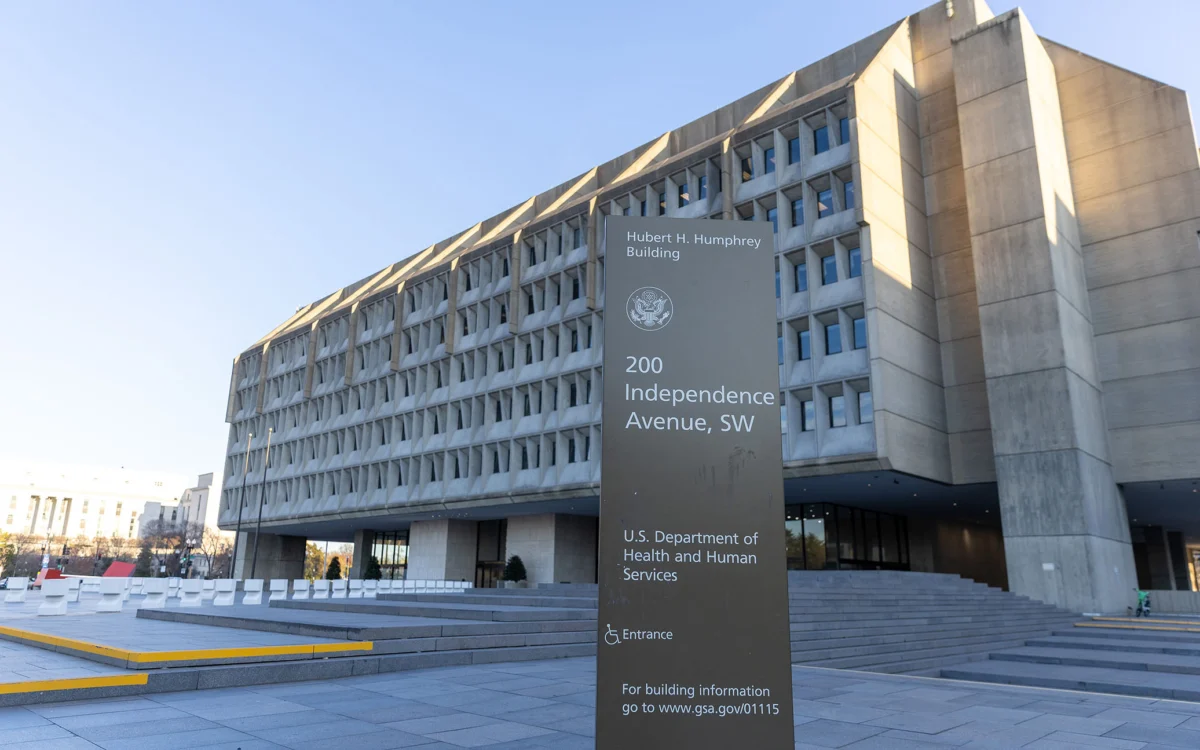
WASHINGTON D.C. – Federal officials have finalized a significant update to a foundational rule designed to prohibit disability discrimination in healthcare, a move that controversially limits who qualifies for these crucial protections. The U.S. Department of Health and Human Services (HHS), under the current administration, rubber-stamped changes this month to regulations stemming from Section 504 of the Rehabilitation Act, a landmark civil rights law.
n
The central modification specifies that “gender identity disorders not resulting from physical impairments” will no longer qualify as a disability under the updated rule. This revision marks a notable departure from a 2024 rule finalized by the previous administration, which aimed to broadly prohibit healthcare providers from making treatment decisions based on biases about disabilities and mandated increased availability of accessible medical equipment. While HHS maintains the clarification is necessary to resolve ambiguity and align with the statute’s "best reading," disability and LGBTQ+ advocates warn of a dangerous precedent, arguing it strips away hard-won rights and threatens the inclusive spirit of disability law.
n
The Bedrock of Disability Rights: Section 504 and its Evolution
n
Section 504 of the Rehabilitation Act of 1973 stands as a cornerstone of disability rights legislation in the United States. Predating the Americans with Disabilities Act (ADA) by nearly two decades, Section 504 was the first federal civil rights law to prohibit discrimination against individuals with disabilities. Its core principle dictates that no otherwise qualified individual with a disability shall, solely by reason of their disability, be excluded from participation in, be denied the benefits of, or be subjected to discrimination under any program or activity receiving federal financial assistance. This expansive reach means that hospitals, clinics, educational institutions, and other entities that receive federal funding are bound by its non-discrimination mandates.
n
For decades, Section 504 has served as a vital tool for ensuring access and equity for millions of Americans. It paved the way for the broader protections enshrined in the ADA, which extended similar prohibitions to the private sector. A critical juncture in the interpretation of disability law came with the Americans with Disabilities Act Amendments Act of 2008 (ADAAA). This amendment was enacted in direct response to several Supreme Court decisions that had narrowly interpreted the definition of "disability," thereby limiting the scope of protections. Congress, through the ADAAA, explicitly mandated that the definition of "disability" be construed "broadly" to the maximum extent permitted by the statutes, emphasizing that the focus should be on whether discrimination occurred, rather than on whether an individual’s impairment was sufficiently severe to qualify as a disability. This legislative intent aimed to ensure that a wide range of individuals experiencing impairments that substantially limit major life activities would be protected from discrimination.
n
The Preceding Framework: Biden Administration’s 2024 Rule on Healthcare Discrimination
n
The context for the current revisions lies in a comprehensive rule finalized in 2024 by the Biden administration, specifically addressing non-discrimination on the basis of disability in programs or activities receiving federal financial assistance from HHS. This 2024 rule was heralded by disability advocates as a critical step forward in addressing long-standing systemic barriers and biases within the healthcare system.
n
Key provisions of the 2024 rule included:
n
- n
- Prohibition of Bias-Based Treatment Decisions: It explicitly barred healthcare providers from making treatment decisions based on biases or stereotypes about a person’s disability. This aimed to combat practices such as denying organ transplants, rationing care, or limiting medical interventions solely due to a patient’s disability.
- Mandate for Accessible Medical Equipment: The rule required entities to ensure the increased availability of accessible medical equipment, such as accessible examination tables, weight scales, and imaging machines. This was a direct response to widespread reports of patients with mobility impairments being unable to access routine medical care due to inaccessible facilities and equipment.
- Provisions for Accessible Communications: It reinforced requirements for effective communication, including the provision of sign language interpreters, accessible formats for medical information, and other aids for individuals with sensory disabilities.
- Clarification on Integrated Settings: The rule also reaffirmed the importance of providing services in the most integrated setting appropriate to an individual’s needs, aligning with the Supreme Court’s landmark Olmstead v. L.C. decision (1999), which mandated community-based services over institutionalization where appropriate.
n
n
n
n
n
The 2024 rule was designed to ensure that individuals with disabilities could access healthcare services without facing discrimination, bringing the spirit of Section 504 into modern medical practice. It reflected a broad interpretation of disability protections, consistent with the ADAAA’s directive to construe "disability" broadly.
n
A Pivotal Shift: The Trump Administration’s Latest Revision
n
This month, the landscape of disability protection in healthcare has been significantly altered by the Trump administration’s update to these regulations. The U.S. Department of Health and Human Services has "rubber-stamped" changes that introduce a specific exclusion to the definition of disability under Section 504.
n
Defining "Disability": The Exclusion of Gender Identity Disorders
n
With the latest move, the Trump administration is explicitly stating that “gender identity disorders not resulting from physical impairments” do not qualify as a disability under the rule. This specific phrasing is crucial. While the term "gender identity disorder" is largely outdated in medical and psychological communities, which now predominantly use "gender dysphoria" – defined as significant distress or impairment related to the incongruence between one’s gender identity and assigned sex at birth – the intent of the revision is clear: to exclude gender dysphoria from the protections afforded by Section 504.
n
Gender dysphoria, when it causes significant distress or impairment, has often been understood by medical professionals and legal scholars as potentially qualifying as a disability under the broad interpretation mandated by the ADAAA. The condition can necessitate specific medical and psychological care, and individuals experiencing it may face discrimination in healthcare settings, including denial of appropriate treatment or lack of accommodations. By explicitly excluding this category, the new rule limits the grounds upon which transgender individuals can seek protection from discrimination in federally funded healthcare programs.
n
HHS has articulated its rationale for this exclusionary language. "This clarification is necessary to resolve ambiguity introduced in the preamble to the 2024 Final Rule and to ensure compliance with the best reading of the governing statute," HHS stated. This justification suggests that the administration believes the previous interpretation, which allowed for gender dysphoria to be considered a disability, was either unclear or exceeded the original intent of Section 504. The rule applies broadly to any program that receives funding from HHS, meaning its impact will be felt across a vast array of healthcare services, hospitals, and clinics nationwide.
n
A Legal Battleground: The Path to the Current Changes
n
The recent regulatory update is not an isolated event but rather the latest chapter in a protracted and contentious legal saga surrounding disability rights and gender identity.
n
States’ Initial Challenge and the Scope of Section 504
n
Shortly after the Biden administration’s 2024 rule was finalized, it faced immediate legal opposition. Texas, joined by 16 other states, filed a lawsuit against the federal government. The primary objective of these states was to prevent gender dysphoria from qualifying as a disability under the new regulations, reflecting a broader conservative pushback against LGBTQ+ rights, particularly in healthcare. In an aggressive move, the states initially asked the court to strike Section 504 in its entirety, a challenge that would have dismantled decades of disability rights protections. However, under significant pressure from disability advocates and legal experts, the states later backed off this extreme claim, though they continued to challenge the specific regulations, particularly those concerning gender identity and community integration.
n
The "Most Integrated Setting" Controversy and the DOJ Memo
n
Another critical front in this legal battle centered on the principle of the "most integrated setting." This concept is fundamental to disability rights, stemming from the Supreme Court’s landmark 1999 decision in Olmstead v. L.C. The Olmstead ruling held that unjustified institutional isolation of individuals with disabilities constitutes discrimination under the ADA. It mandated that states provide services to individuals with disabilities in the most integrated setting appropriate to their needs, meaning in community-based settings rather than institutions, whenever such placement is appropriate, the affected persons do not oppose it, and the placement can be reasonably accommodated. The Biden administration’s 2024 rule had reaffirmed this principle, consistent with Olmstead and the spirit of both Section 504 and the ADA.
n
However, this principle came under direct assault in June 2026, when the Department of Justice’s Office of Legal Counsel (DOJ OLC) issued a memo. This memo controversially asserted that neither the Americans with Disabilities Act nor Section 504 "require states to treat mentally disabled patients in the most integrated setting appropriate to their needs." This interpretation directly contradicted long-standing legal precedent and ignited alarm among disability advocates, who viewed it as a significant erosion of the right to community living. Critics argued that the memo misconstrued the Olmstead decision and the intent of federal disability laws, potentially paving the way for states to revert to institutionalizing individuals with mental disabilities without legal recourse.
n
Federal Government’s Shift and Agreement with States
n
The implications of the DOJ OLC memo quickly manifested in the ongoing litigation. In September 2026, the Trump administration took the unprecedented step of choosing to "switch sides" in the lawsuit brought by Texas and the other states. This decision effectively aligned the federal government with the plaintiffs who were challenging the very disability protections that federal agencies are tasked with upholding. Following this reversal, the federal government reached an agreement with the remaining states involved in the lawsuit. The terms of this agreement included the removal of references to the "most integrated setting" from the regulations. This strategic capitulation by the federal government to the states’ demands marked a significant setback for advocates of community integration and further underscored the administration’s shifting stance on disability rights. The combined effect of the OLC memo and the subsequent regulatory changes weakens the federal mandate for states to prioritize community-based care, potentially leading to increased institutionalization and reduced autonomy for people with disabilities.
Official Stance: HHS Justifies the Regulatory Changes
In the face of considerable public debate and hundreds of comments received during the rulemaking process, the Department of Health and Human Services proceeded with finalizing the regulation changes this month. The comments received were reportedly divided, reflecting the deep ideological and legal schisms surrounding the issues at hand. Despite this division, HHS opted to proceed with the revisions.
Paula M. Stannard, director of the HHS Office for Civil Rights (OCR), provided the official justification for the administration’s actions. "For decades, HHS’s Section 504 regulations have defined disability consistently with the words Congress chose. This rule ensures recipients of HHS funding follow those definitions, eliminating confusion for the people they serve and restoring confidence in the statute," Stannard stated.
This statement frames the revision as a return to foundational principles and a clarification rather than a limitation of rights. The argument centers on the notion that the prior interpretations, particularly concerning gender identity, introduced ambiguity or deviated from what HHS considers the "best reading" of the original Section 504 statute. By specifying what does not qualify as a disability, the administration suggests it is providing clearer guidance to healthcare providers and other entities receiving federal funding, thereby reducing potential "confusion." The claim of "restoring confidence in the statute" implies that previous interpretations had somehow undermined the integrity or original intent of Section 504.
However, critics argue that this justification overlooks the congressional intent behind the 2008 ADAAA, which explicitly called for a broad interpretation of disability, and disregards the evolving medical understanding of conditions like gender dysphoria. For many, the "clarification" serves less to reduce ambiguity and more to impose a restrictive definition that excludes a vulnerable population from critical civil rights protections.
Far-Reaching Implications: Advocates Warn of Dangerous Precedent
While the immediate and most direct impact of the latest update will fall upon transgender individuals, disability advocates universally warn that the action carries much wider and more perilous implications for the entire disability community.
Direct Impact on Transgender Individuals
The exclusion of "gender identity disorders not resulting from physical impairments" from Section 504 protections means that transgender individuals experiencing gender dysphoria may lose a crucial legal avenue to challenge discrimination in federally funded healthcare settings. This could manifest in various ways:
- Denial of Care: Healthcare providers might feel emboldened to deny gender-affirming care, or even basic medical services, to transgender individuals without fear of violating Section 504.
- Lack of Accommodations: Transgender patients might be denied reasonable accommodations, such as access to gender-affirming facilities or respectful use of pronouns, if their gender dysphoria is not recognized as a disability.
- Heightened Discrimination: The rule could foster an environment where bias and prejudice against transgender individuals are more easily perpetuated within healthcare, leading to poorer health outcomes and increased marginalization.
This aligns with a broader political landscape where transgender rights, particularly in healthcare and public life, have become a focal point of legislative and regulatory battles.
A Threat to the Broader Definition of Disability
Michelle Uzeta, executive director of the Disability Rights Education & Defense Fund (DREDF), articulated the profound concern within the disability community. "It sets a dangerous precedent," she stated unequivocally. Uzeta’s warning highlights the fear that this administrative action could unravel the broader, inclusive definition of disability that Congress intended to solidify with the 2008 ADA Amendments Act.
"In 2008, Congress told agencies and courts to read ‘disability’ broadly and to focus on whether discrimination happened, not on whether someone is disabled enough," Uzeta explained. "This rule goes the other way: an agency writing a diagnosis out of the law by category instead of looking at the individual." This point is critical. The ADAAA moved away from rigid, categorical exclusions, instead emphasizing an individualized assessment of whether an impairment substantially limits a major life activity. By carving out "gender identity disorders" by category, the HHS rule potentially reintroduces the kind of restrictive interpretation that Congress sought to overcome.
Uzeta’s concern extends beyond transgender individuals: "If an agency can define one group out of Section 504, no one’s coverage is secure." This argument posits that if an administrative agency can unilaterally declare one recognized medical condition ineligible for disability protections, it could logically extend this power to other conditions in the future. For example, conditions like chronic fatigue syndrome, fibromyalgia, or certain mental health conditions that have faced skepticism in the past could potentially be targeted for similar exclusions, thereby narrowing the safety net for millions of Americans with diverse impairments. This move, therefore, represents a significant blow not just to transgender rights, but to the very framework of disability civil rights.
The Statute Remains, But Rights Are Eroding
Uzeta further stressed a crucial distinction: "The statute is intact, but the rights it guarantees are being stripped away without Congress and without a court ruling against them." This highlights the power of administrative regulations. While Congress passed Section 504 and the ADAAA, it is through regulatory implementation that these laws are given practical effect. By altering the regulatory definition of disability, an administration can effectively diminish the scope of protections without amending the underlying statute through the legislative process or waiting for a judicial review.
This situation places a heavy burden on advocates and affected individuals. "But for now, enforcing them is up to us: private litigation, state law and the same organized pressure that won Section 504 in the first place," Uzeta concluded. This call to action suggests that the battle for these rights will now shift from federal regulatory bodies to state legislatures, individual lawsuits, and grassroots advocacy. It signifies an ongoing struggle to uphold the intent of disability civil rights laws against administrative interpretations that seek to narrow their application.
Conclusion
The latest revisions to Section 504 regulations by the U.S. Department of Health and Human Services represent a significant and controversial shift in federal policy regarding disability discrimination in healthcare. By explicitly excluding "gender identity disorders not resulting from physical impairments" from protection, the Trump administration has not only targeted transgender individuals but also raised profound questions about the future of disability rights in the United States.
While HHS maintains that the changes provide necessary clarity and adhere to the statute’s "best reading," disability advocates warn that the move sets a dangerous precedent, undermining the broad definition of disability mandated by Congress in the 2008 ADA Amendments Act. The regulatory shift, coupled with the federal government’s decision to side with states challenging community integration mandates, reflects a broader administrative effort to reinterpret and potentially scale back civil rights protections.
The legal and political battles surrounding these issues are far from over. As advocates emphasize, while the underlying statutes remain intact, the practical application of the rights they guarantee is now under threat. The coming years will likely see continued private litigation, state-level legislative efforts, and sustained advocacy campaigns as civil rights organizations strive to ensure that the promise of non-discrimination for all individuals with disabilities remains a reality. The current moment underscores the cyclical nature of federal policy and the ongoing vigilance required to protect fundamental rights against administrative reinterpretation.

