
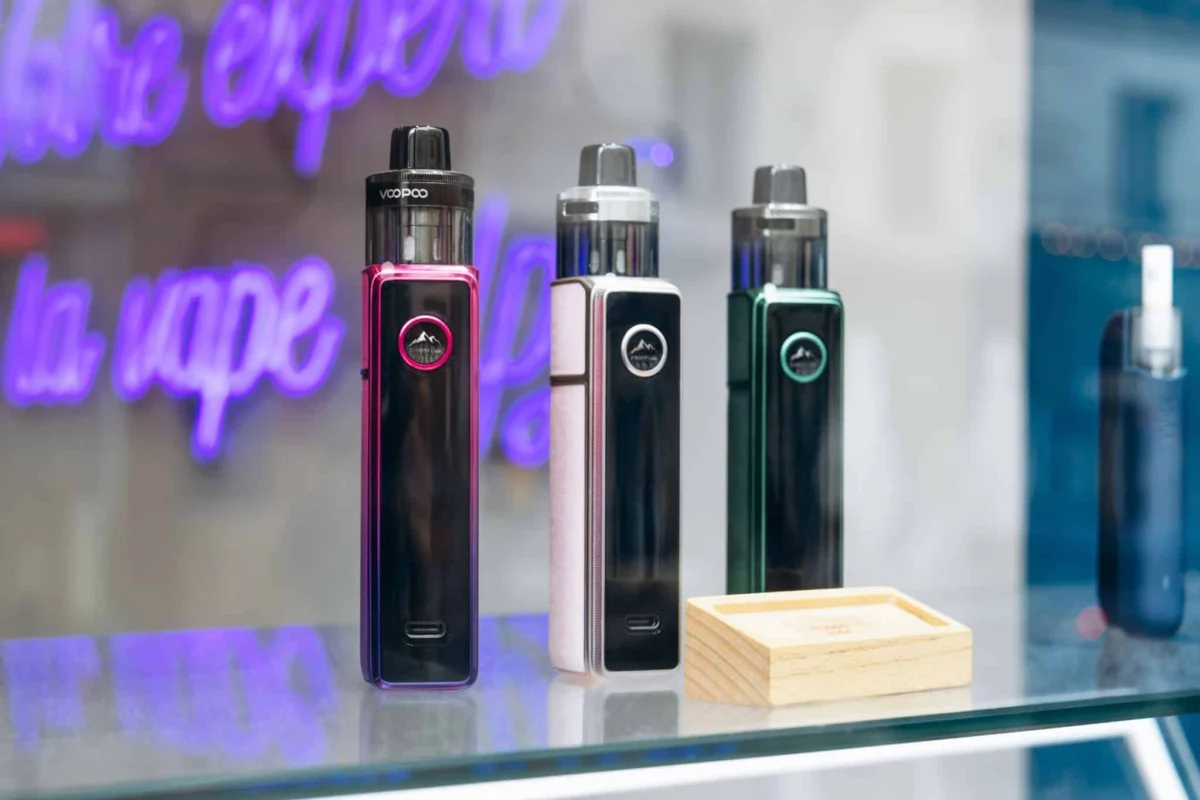
In recent months, the landscape of nicotine consumption in the United States has undergone a seismic shift, driven by a volatile mix of shifting federal regulations, high-level political lobbying, and an influx of foreign-manufactured products. At the center of this storm is a convergence of interests that links the inner circles of the presidential administration to the multi-billion-dollar electronic cigarette industry. As regulators appear to soften their stance on previously restricted devices, public health experts and scientific researchers are sounding the alarm over a new wave of health risks—ranging from increased cancer susceptibility to the neurobiological impacts of "addictive" flavorings.
n
Main Facts: The Intersection of Lobbying and Public Policy
n
The current controversy surrounding the vaping industry is headlined by the rapid market expansion of Geek Bar, a brand of disposable e-cigarettes that has become ubiquitous among American youth. This expansion, however, is not merely a result of consumer demand; it is increasingly being viewed through the lens of political maneuvering.
n
Recent reports from The Wall Street Journal and Raw Story have highlighted the roles of Chris LaCivita, a senior political adviser to the Trump administration, and his son, Chris LaCivita Jr. The younger LaCivita serves as a lobbyist for Hillfield, a prominent U.S. importer of vaping products. Since late 2025, Hillfield has reportedly paid Checkmate Government Relations—the firm where LaCivita Jr. operates—a staggering $860,000 to facilitate favorable regulatory conditions.
n
This lobbying effort appears to have yielded significant results. Earlier this summer, the administration oversaw the release of tens of millions of dollars worth of detained illegal Chinese vapes into the U.S. market. These products had previously been seized by customs and regulatory officials for failing to meet safety and marketing standards. Furthermore, the Food and Drug Administration (FDA) recently posted a new set of guidelines that essentially allow e-cigarette and vaping devices to enter the market without the rigorous, full safety approvals that were previously mandated.
n
While the political optics suggest a victory for deregulation and free-market trade, the public health implications are stark. The National Youth Tobacco Survey (NYTS) indicates that Geek Bar is now the preferred brand for over 64% of middle and high school students who vape. This surge in availability correlates directly with the loosening of federal oversight, raising questions about the cost of political proximity in the realm of public safety.
n
Chronology: From Regulation to "The Wild West"
n
To understand the current state of the vaping market, one must look at the regulatory trajectory over the last decade.
n
2016–2020: The Era of Deeming and Crackdowns
nThe FDA originally extended its authority to all tobacco products, including e-cigarettes, in 2016. This "Deeming Rule" required manufacturers to submit Premarket Tobacco Product Applications (PMTAs) to prove their products were "appropriate for the protection of public health." Following the 2019 EVALI (e-cigarette or vaping use-associated lung injury) outbreak, the federal government moved to ban most fruit and mint flavors in cartridge-based systems like JUUL.
n
2021–2024: The Rise of Disposables and the "Gray Market"
nAs the FDA targeted cartridge-based systems, manufacturers—primarily in China—pivoted to "disposable" devices. These products exploited a loophole in the flavor ban, which initially focused on reusable pods. Brands like Geek Bar and Elf Bar flooded the market. Despite thousands of Warning Letters issued by the FDA, enforcement remained inconsistent.
n
Late 2025 – Mid 2026: The Lobbying Surge
nLobbying disclosures show a massive spike in spending by vape importers. Hillfield and other entities began aggressive outreach to the administration. By early 2026, the FDA’s tone shifted, culminating in the "new guidelines" that lowered the barrier for market entry.
n
Summer 2026: The Release of Seized Goods
nIn a move that stunned public health advocates, millions of dollars in previously confiscated shipments were released into the domestic supply chain. This coincided with the peak of the LaCivita family’s lobbying influence, effectively saturating the market with products that had not cleared standard safety hurdles.
n
Supporting Data: Youth Statistics and the Global Supply Chain
n
The scale of the vaping phenomenon is supported by alarming data from both domestic surveys and international manufacturing reports.
n
The Youth Epidemic
n
According to the latest Annual National Youth Tobacco Survey (NYTS), more than two million American middle and high school students report current use of tobacco products. This represents roughly 7% of the entire age cohort. Perhaps most concerning is the brand loyalty within this demographic:
n
- n
- 64.1% of youth vapers report using Geek Bar.
- The primary draw remains the flavor profiles and the ease of concealment of disposable devices.
n
n
n
Global Manufacturing Dominance
n
The source of these products is almost exclusively international. China produces between 90% and 95% of the world’s vaping devices. These products often include:
n
- n
- Carrier solvents (Propylene Glycol and Vegetable Glycerin).
- Synthetic nicotine analogs (designed to circumvent tobacco-specific regulations).
- Flavoring compounds that are approved for ingestion (eating) but have never been cleared for inhalation.
n
n
The Cancer Link
While vaping is often marketed as a "safer" alternative to combustible cigarettes, new longitudinal data suggests otherwise. A study from scientists at Seoul National University, published in Nature Medicine, examined the long-term health outcomes of former smokers who switched to vapes. The researchers found a strong link between e-cigarette use and the development of lung cancer, suggesting that the elimination of tobacco smoke does not eliminate the carcinogenic risk inherent in the chemical aerosols produced by vapes.
Official Responses and Scientific Inquiry
The official stance of the FDA has become a point of contention. While the agency maintains that its primary goal is to reduce the harm caused by traditional cigarettes, critics argue that the new guidelines prioritize industry profits over youth protection.
The "Addictive Flavor" Research
Dr. Andrea Hobkirk, an associate professor at Penn State College of Medicine, is currently leading research into why these products are so difficult to quit. Her recent clinical trials focused on hexyl acetate, a common fruit-flavor additive.
"We found a marked difference between participants who used the hexyl acetate vape and those who used unflavored versions," Dr. Hobkirk stated. Her findings suggest that certain flavor additives act on the brain’s reward system in a manner nearly identical to nicotine itself. "When people become dependent on nicotine, it makes them more responsive to rewards. We’re seeing a similar effect with neuroactive flavors. They aren’t just a ‘taste’; they are a chemical trigger for the brain’s addiction centers."
The Public Face of Vocal Damage
Beyond internal organ health, the physical effects of vaping are manifesting in high-profile ways. Singer and actor Selena Gomez recently went public with the news that vaping had significantly damaged her vocal cords. While Gomez did not smoke traditional cigarettes, the consistent inhalation of hot aerosols and chemical solvents led to changes in her voice that may be irreversible. Medical experts at the American Lung Association confirm that the "popcorn lung" (bronchiolitis obliterans) and vocal cord inflammation are increasingly common among non-smokers who take up vaping.
Implications: A Generation at Risk
The convergence of political influence and regulatory retreat has created a "perfect storm" for public health. The implications of the current administration’s policies are three-fold:
1. The Normalization of High-Concentration Nicotine
By allowing millions of disposable vapes to enter the market, the government is facilitating the normalization of high-dose nicotine salts. These products are significantly more potent than the cigarettes of previous generations, leading to faster and more intense dependency among adolescents.
2. The Erosion of Regulatory Integrity
The role of the LaCivitas highlights a troubling trend where proximity to power can override scientific consensus. If the FDA’s approval process can be bypassed through lobbying and political pressure, the agency’s credibility as a "gold standard" for safety is compromised. This sets a dangerous precedent for other industries, from pharmaceuticals to food safety.
3. The Long-Term Healthcare Burden
The Seoul National University study suggests that the "vaping revolution" may simply be delaying a cancer crisis rather than preventing one. The healthcare costs associated with a new generation of lung cancer patients—many of whom may have never touched a traditional cigarette—could be astronomical. Furthermore, the "stress displacement" cycle driven by addiction ensures that these users remain tied to the product, enriching manufacturers and lobbyists while their physical health declines.
In conclusion, the "truth about vaping" is far more complex than a simple smoking cessation tool. It is a multi-billion-dollar industry fueled by political maneuvering, manufactured in unregulated overseas facilities, and designed with neuroactive chemicals to ensure lifelong addiction. As millions of illegal devices continue to flow into the hands of American children, the question remains: who is the government truly protecting—the public, or the lobbyists?
Reporting contributed by Katie McCaskey and Steve O’Keefe. Data sourced from the FDA, The Wall Street Journal, and Nature Medicine.

