
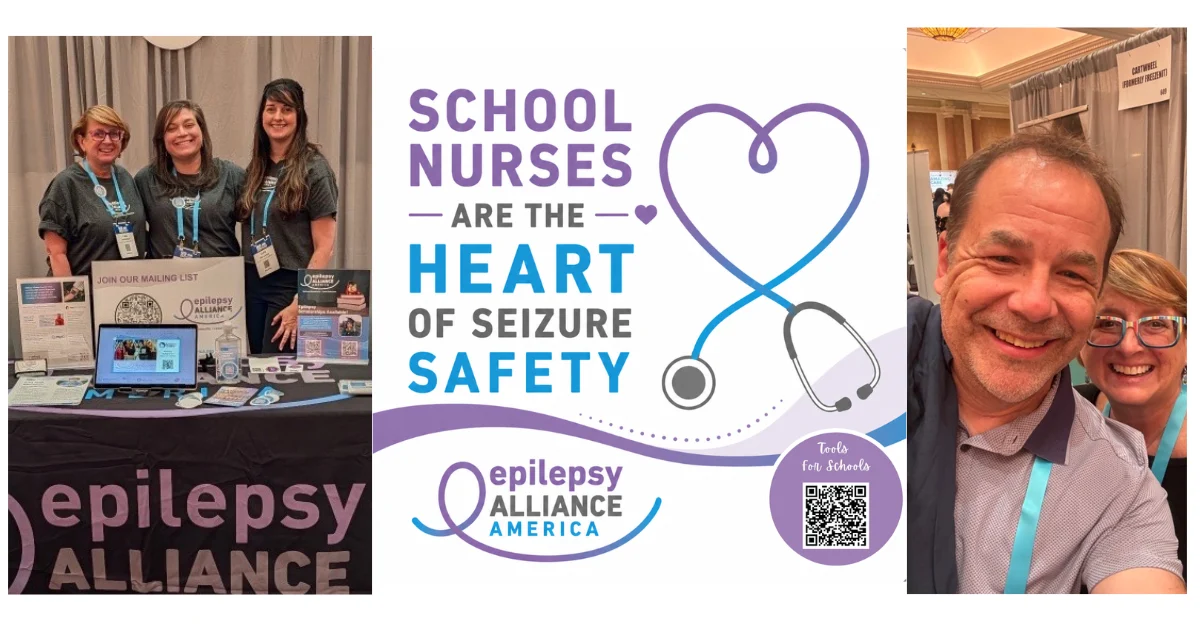
Las Vegas, NV – June 2026 – In a significant stride towards fostering safer and more inclusive educational environments for students living with epilepsy, Epilepsy Alliance America (EAA) proudly concluded its impactful participation in the National Association of School Nurses (NASN) 2026 Conference. Held earlier this month at the iconic Caesars Palace in Las Vegas, Nevada, the annual gathering convened an unparalleled assembly of school health professionals from across the United States, all dedicated to advancing student well-being and academic success.
n
EAA’s presence at this pivotal conference underscored its unwavering commitment to empowering school nurses with the knowledge, tools, and support necessary to effectively manage epilepsy in the school setting. Through an interactive exhibit booth, engaging discussions, and active participation in key sessions, the Alliance reinforced the critical role of school nurses as frontline responders and advocates for the more than 3 million Americans living with epilepsy, a substantial portion of whom are school-aged children. The collaborative spirit of the conference provided a unique platform for EAA to disseminate vital information on seizure recognition and response, advocate for robust seizure action plans, and introduce innovative educational resources designed to transform school environments into truly epilepsy-friendly spaces.
n
Main Facts: A Unified Front for Student Health
n
Epilepsy Alliance America, a leading national organization dedicated to improving the lives of individuals affected by epilepsy, made a profound impression at the NASN 2026 Conference. Their mission was clear: to bridge the knowledge gap regarding epilepsy management in schools and to forge stronger alliances with the dedicated professionals who serve as the linchpins of student health.
n
The conference, renowned as the premier event for school nurses nationwide, offered an invaluable opportunity for EAA to connect directly with the very individuals responsible for the daily care and safety of students. At their bustling exhibit booth, EAA staff engaged hundreds of school nurses, providing them with comprehensive resources ranging from practical guides on emergency seizure first aid to customizable seizure action plan templates. These materials are crucial for ensuring that every student with epilepsy receives prompt, appropriate care and that school staff are equipped to respond confidently during a seizure event.
n
Beyond the exhibit hall, EAA’s influence extended to the conference’s educational programming. Notably, the agenda featured sessions specifically related to epilepsy and seizure management, including a compelling presentation led by school nurse and epilepsy advocate Jason Raether. Such dedicated programming highlighted the growing recognition within the school health community of epilepsy’s prevalence and the necessity of specialized training.
n
The delegation representing Epilepsy Alliance America was a testament to the organization’s broad expertise and collaborative spirit. It included Executive Director Lisa Gallipoli, who steered the Alliance’s strategic engagement; Board member Amanda Mitchell, also the Executive Director of the founding member organization Epilepsy Alliance Louisiana, bringing invaluable state-level insights; and Julie Lazzara, PhD, co-founder of Landon’s Legacy Foundation, a new and vital member organization of the Alliance, whose personal advocacy adds a deeply resonant dimension to EAA’s work. Together, they articulated EAA’s vision for a future where every student with epilepsy can thrive academically and socially, free from the anxieties often associated with their condition in an uninformed setting.
n
Chronology: From Preparation to Lasting Impact
n
Pre-Conference Preparations: Laying the Groundwork for Engagement
n
EAA’s impactful presence at NASN 2026 was the culmination of meticulous planning and dedicated effort. Months before the conference doors opened, the Alliance’s team embarked on a comprehensive strategy to maximize their outreach and effectiveness. This involved extensive research into the specific needs and challenges faced by school nurses across diverse districts, ensuring that the resources developed would be directly relevant and actionable. New educational tools were refined, including interactive digital modules for seizure first aid training and updated templates for individualized seizure action plans (SAPs), which are critical for detailing a student’s specific seizure type, medication, emergency contacts, and response protocols. Marketing materials were designed to be both informative and visually engaging, inviting nurses to explore EAA’s offerings. Logistical planning for the exhibit booth, including the coordination of staff schedules, travel arrangements, and the secure transport of materials, was meticulously handled to ensure a seamless operation upon arrival in Las Vegas. The team also strategized key talking points and prepared to address common misconceptions about epilepsy, aiming to foster a more nuanced understanding among attendees.
n
The Conference Unfolds: A Hub of Learning and Connection
n
The energy at Caesars Palace was palpable as thousands of school nurses converged for NASN 2026. EAA’s team arrived early to set up their exhibit, transforming their designated space into an inviting and informative hub. Bright, clear signage, compelling visuals depicting students thriving in school, and easily accessible resource displays immediately drew attention.
n
- n
- n
Daily Activities at the EAA Booth: From the moment the exhibit hall opened, the EAA booth became a focal point for inquisitive nurses. Representatives, including Lisa Gallipoli, Amanda Mitchell, and Julie Lazzara, engaged in countless one-on-one conversations. Nurses shared their experiences, voiced their concerns about managing seizures in varied school environments—from rural settings with limited resources to large urban districts—and sought practical advice. EAA distributed hundreds of resource kits, which included detailed brochures on recognizing subtle seizure types, step-by-step guides for administering emergency medications, and laminated cards with essential seizure first aid instructions. The team also demonstrated EAA’s online training platform, offering complimentary access codes to encourage further learning. A particular point of interest was the discussion around the implementation of state-specific "Seizure Safe Schools" legislation, with EAA providing insights into advocacy efforts and best practices for compliance.
n
- n
Key Sessions and Presentations: Beyond their booth, EAA representatives actively participated in the conference’s educational agenda. A highlight was the presentation by school nurse and epilepsy advocate Jason Raether. His session, titled "Navigating Epilepsy in the Classroom: Practical Strategies for School Nurses," drew a standing-room-only crowd. Raether eloquently shared personal anecdotes, evidence-based practices, and innovative solutions for integrating epilepsy management seamlessly into the school day. He covered crucial topics such as dispelling myths surrounding epilepsy, the importance of individualized healthcare plans (IHPs) alongside SAPs, fostering open communication with parents and medical providers, and training non-nursing staff (teachers, aides, bus drivers) in basic seizure first aid. EAA staff attended other relevant sessions, gathering insights into broader school health trends and identifying new opportunities for collaboration.
n
- n
Networking and Collaboration: The conference provided abundant opportunities for networking. EAA leaders engaged with representatives from other health organizations, disability advocacy groups, and educational associations. These informal meetings during breaks, meals, and evening receptions laid the groundwork for future partnerships, sharing of best practices, and coordinated advocacy efforts. Discussions revolved around integrating epilepsy education into broader health curricula, leveraging technology for remote training, and addressing systemic barriers to equitable care for students with chronic conditions.
n
n
n
n
n
Post-Conference Follow-up: Sustaining the Momentum
n
The conclusion of NASN 2026 marked not an end, but a new beginning for EAA’s initiatives. The team immediately embarked on a comprehensive post-conference analysis. All feedback forms collected from booth visitors were reviewed, contact information was meticulously organized, and a targeted follow-up communication strategy was initiated. This included sending personalized emails with additional resources, inviting nurses to join EAA’s professional network, and offering further consultation. The insights gained from the numerous conversations at the conference will directly inform EAA’s future program development, resource creation, and advocacy priorities. The Alliance is now better equipped to tailor its support to the evolving needs of school nurses, ensuring that the momentum generated at NASN 2026 translates into tangible improvements for students with epilepsy across the nation.
n
Supporting Data: The Imperative for Epilepsy Awareness in Schools
n
The statistics underscore the critical necessity of organizations like Epilepsy Alliance America and the invaluable work of school nurses. Epilepsy is not a rare condition, and its impact on the educational journey of young people is profound.
n
Prevalence of Epilepsy in Schools:nAccording to the Centers for Disease Control and Prevention (CDC), approximately 3.4 million people in the United States have active epilepsy, and about 470,000 of them are children. This means that in an average school of 500 students, at least 2-3 students are likely to have epilepsy. In larger districts, these numbers escalate dramatically, making it a common chronic condition that school personnel will encounter. For many of these students, seizures may occur unpredictably at school, emphasizing the need for prepared staff.
n
Impact of Epilepsy on Education:
Students with epilepsy often face a myriad of challenges that can impede their academic progress and social integration. These include:
- Cognitive Difficulties: Seizures themselves, as well as anti-seizure medications, can sometimes affect memory, attention, and processing speed.
- Missed School Days: Frequent seizures or recovery periods can lead to significant absences, putting students behind in their coursework.
- Social Stigma and Bullying: Misunderstanding and fear surrounding epilepsy can lead to social isolation, bullying, and a reluctance from peers to interact.
- Safety Concerns: The fear of having a seizure at school, particularly in public or during physical activities, can cause anxiety and restrict participation.
- Emotional Well-being: Living with a chronic condition like epilepsy can contribute to higher rates of depression and anxiety among adolescents.
Proper management, including timely seizure response and a supportive school environment, is crucial for mitigating these impacts and fostering a sense of normalcy and confidence.
The Critical Role of School Nurses:
School nurses are indispensable members of the educational team, serving as much more than just first aid providers. For students with epilepsy, their roles are multifaceted and often life-saving:
- First Responders: They are often the first, and sometimes only, medically trained professional available during a seizure event, responsible for assessing the situation, administering emergency medication, and coordinating further medical care.
- Care Coordinators: Nurses develop and implement individualized healthcare plans (IHPs) and seizure action plans (SAPs), ensuring that all relevant school staff are aware of a student’s specific needs and protocols.
- Educators: They educate teachers, administrators, and even peers about epilepsy, dispelling myths and promoting a culture of understanding and support.
- Advocates: School nurses advocate for student accommodations, such as modified physical education or extended time for tests, ensuring that epilepsy does not unfairly hinder academic progress.
- Liaisons: They serve as vital links between the student’s family, healthcare providers, and school personnel, ensuring consistent care and communication.
Effectiveness of Seizure Action Plans and Training:
Evidence-based research consistently demonstrates that comprehensive seizure action plans and widespread seizure first aid training significantly improve outcomes for students with epilepsy. When school staff are trained to recognize seizures and respond appropriately, it reduces seizure-related injuries, minimizes unnecessary emergency room visits, and ensures students receive the specific care they need. These interventions create a more secure environment, allowing students to focus on learning rather than worrying about their condition.
The Burden on School Systems:
Without standardized training and accessible resources, school systems face an uneven playing field. Some districts may have robust protocols, while others may lack the basic tools and knowledge. This disparity places an unfair burden on individual school nurses and compromises the safety of students. EAA’s efforts at NASN 2026 directly address this by promoting universal access to high-quality, actionable epilepsy education.
Official Responses: Voices of Dedication and Hope
The collective sentiment from Epilepsy Alliance America’s leadership and new partners at the NASN 2026 Conference resonated with both urgency and optimism, reflecting their deep commitment to student welfare.
Lisa Gallipoli, Executive Director, Epilepsy Alliance America:
"Our participation at NASN 2026 was not just about exhibiting; it was about forging vital connections and reinforcing a shared mission," stated Lisa Gallipoli. "School nurses are truly unsung heroes. They are on the front lines every single day, often managing complex medical conditions with limited resources. To be able to directly provide them with comprehensive tools, robust training programs, and the assurance that they are not alone in this critical work, is incredibly rewarding. The dedication we witnessed here was inspiring, and it fuels our continued efforts to ensure every school is a Seizure Smart School. We are committed to supporting these professionals who play such a pivotal role in the safety and success of students with epilepsy."
Amanda Mitchell, Board Member, Epilepsy Alliance America & Executive Director, Epilepsy Alliance Louisiana:
Amanda Mitchell offered a valuable perspective, highlighting the local impact of national initiatives. "From my vantage point in Louisiana, I see firsthand the challenges and triumphs school nurses face. Attending NASN 2026 and representing EAA allowed us to gather invaluable insights from diverse regions, understanding common threads and unique needs. It reinforced the power of a unified national voice. The resources we shared here—from seizure action plans to our advocacy guides—are not just theoretical; they are practical, life-changing tools that empower nurses to provide immediate, confident care. This collaboration strengthens our ability to advocate for policies that truly support students with epilepsy at both state and national levels."
Julie Lazzara, PhD, Co-founder, Landon’s Legacy Foundation & New Member Organization of EAA:
Dr. Julie Lazzara, whose personal journey ignited the creation of Landon’s Legacy Foundation, articulated the profound personal connection to EAA’s mission. "As a parent who has navigated the complexities of epilepsy in the school system, I understand the anxiety that families feel. Landon’s Legacy Foundation joined Epilepsy Alliance America to amplify our collective voice and extend our reach. Witnessing the engagement of school nurses at this conference, their genuine desire to learn and improve, gives me immense hope. It’s about ensuring no child feels isolated or unsafe because of their epilepsy. The resources EAA provides are not just educational; they are foundational to building confidence—for students, for parents, and for the incredible nurses who care for them." Dr. Lazzara’s perspective resonated deeply, underscoring the personal stakes involved in every resource shared and every conversation held.
Perspective from the School Nursing Community:
While no official NASN statement was provided in the original content, the overwhelming positive response from individual school nurses at the conference spoke volumes. One anonymous school nurse from a large urban district commented, "The Epilepsy Alliance America booth was one of my most valuable stops. I manage several students with epilepsy, and having updated, accessible resources on seizure types, emergency protocols, and even how to talk to teachers about accommodations is incredibly helpful. It makes me feel much more prepared and supported in my role." Such feedback reinforces the tangible impact of EAA’s efforts.
Implications: Paving the Way for a Brighter Future
The participation of Epilepsy Alliance America at the NASN 2026 Conference carries significant implications for the future of epilepsy care in educational settings, extending far beyond the immediate interactions in Las Vegas.
Enhanced Student Safety and Inclusion:
The most direct implication is the immediate enhancement of student safety. By equipping hundreds of school nurses with cutting-edge resources and training, EAA directly contributes to more effective and timely seizure recognition and response protocols nationwide. This means fewer seizure-related injuries, reduced anxiety for students and families, and a greater sense of security within school communities. Furthermore, by promoting understanding and dispelling myths, EAA’s efforts foster environments where students with epilepsy feel more included, less stigmatized, and more confident in their ability to participate fully in school life.
Strengthening the Role of School Nurses:
EAA’s engagement significantly strengthens the capacity and confidence of school nurses. Providing them with specialized knowledge, practical tools like customizable Seizure Action Plans, and access to ongoing support empowers them to be even more effective advocates and caregivers. This professional development not only benefits students with epilepsy but also elevates the overall standard of care for all students with chronic health conditions, recognizing the expanding scope of school nursing.
Broader Advocacy and Policy Impact:
The relationships forged and insights gathered at NASN 2026 are invaluable for EAA’s ongoing advocacy efforts. Direct feedback from nurses across diverse districts provides concrete evidence of where policy gaps exist and where legislative action is most needed. These interactions can directly inform future campaigns for "Seizure Safe Schools" legislation at state and federal levels, advocating for mandatory seizure first aid training for all school personnel, consistent implementation of individualized healthcare plans, and adequate funding for school health services. The collaborative spirit with NASN and individual nurses creates a powerful, unified voice for systemic change.
Future Collaborations and Initiatives:
The conference served as a fertile ground for identifying new opportunities for collaboration. EAA will leverage these connections to explore partnerships with other health organizations, educational associations, and technology providers to develop even more innovative resources. This could include expanding online training modules, creating mobile applications for quick reference during a seizure, or developing peer-to-peer support networks for school nurses managing complex epilepsy cases. The goal is to build a robust ecosystem of support that is accessible to every school nurse, regardless of their location or resources.
The Long-Term Vision:
Ultimately, EAA’s long-term vision, bolstered by its successful engagement at NASN 2026, is to ensure that every student with epilepsy has the opportunity to achieve their full academic and personal potential without their condition being a barrier. This means creating a future where:
- Every school staff member is confident in recognizing and responding to a seizure.
- Every student with epilepsy has a personalized, up-to-date seizure action plan in place.
- Every school fosters an inclusive culture that understands and supports students with epilepsy.
- Epilepsy is no longer a hidden condition but one openly discussed and proactively managed within the educational system.
By continuing to champion the cause of epilepsy awareness and education, Epilepsy Alliance America is not just improving individual lives but is actively shaping a more understanding, supportive, and ultimately safer future for all students across the nation.

