
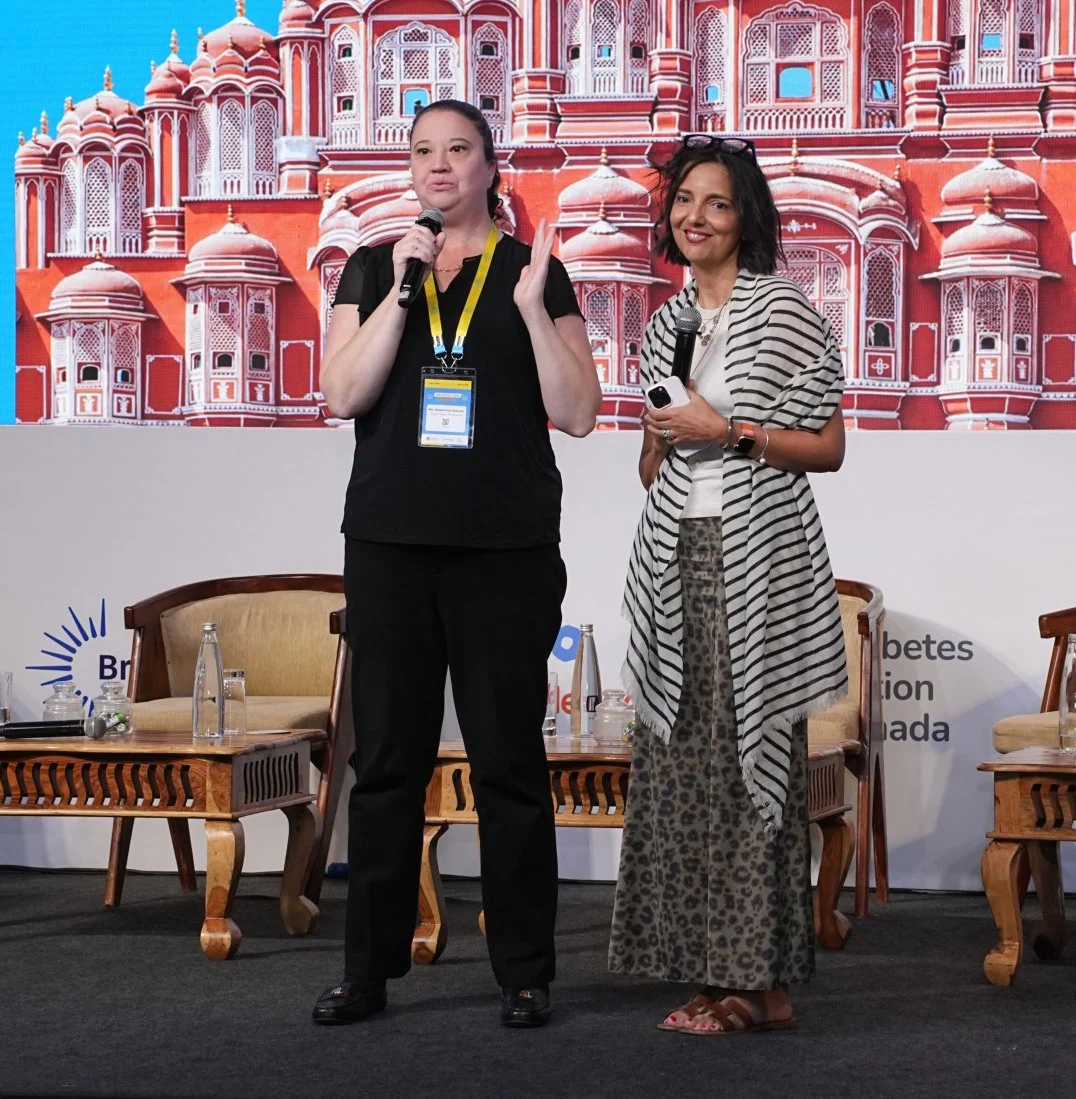
JAIPUR, INDIA — In a historic gathering that marks a paradigm shift in chronic disease advocacy, the inaugural Global Summit to End Diabetes Stigma convened in the "Pink City" of Jaipur in March 2026. Bringing together a diverse coalition of 190 delegates from 35 nations, the summit represented the first coordinated international effort to dismantle the social, psychological, and institutional barriers that have long marginalized the global diabetes community.
n
The event, organized by a multi-national steering committee and supported by Breakthrough T1D (formerly JDRF), was not merely a scientific conference but a call to arms. It sought to address a pervasive yet often ignored crisis: the systemic shaming and discrimination of individuals living with all forms of diabetes. By the conclusion of the summit, the narrative had shifted from one of passive endurance to a proactive, evidence-based roadmap for global policy change.
n
Main Facts: A Mandate for Lived Experience
n
The summit’s foundation rested on a singular, uncompromising principle: #NothingAboutUsWithoutUs. Unlike traditional medical conferences where patients are often peripheral to the discussion, this gathering ensured that those with "lived expertise" occupied the center stage.
n
Of the 190 participants, more than half were living with diabetes. This demographic weight was reflected in the leadership as well; the 16-member Steering Committee comprised representatives from 10 countries, 11 of whom live with the condition. On the opening morning, an informal audit revealed that the collective "lived and loved experience" in the room exceeded 1,300 years—a staggering figure that served as a reminder of the depth of knowledge present.
n
The summit addressed three primary pillars of stigma:
n
- n
- Self-Stigma: The internalizing of societal shame, leading to lower self-esteem and poor self-care.
- Social Stigma: The public misconceptions, "blame-and-shame" narratives, and unsolicited advice that plague daily interactions.
- Structural Stigma: Institutional discrimination in healthcare, employment, education, and insurance sectors.
n
n
n
n
Chronology: From Narrative to Negotiated Action
n
The two-day summit was meticulously structured to transition from the personal to the political, ensuring that the emotional weight of lived experience was channeled into actionable strategy.
n
Day One: The Power of Presence and Perspective
n
The first day was dedicated to "witnessing." Participants shared accounts of the multifaceted ways stigma manifests across different cultures. In many Western nations, the narrative often centers on "lifestyle choices" and personal blame, particularly regarding Type 2 diabetes. In other regions, participants spoke of the "marriageability" stigma, where a diabetes diagnosis can lead to social ostracization or the dissolution of engagement prospects.
n
A significant portion of the day was dedicated to the #dedoc° travel scholarship recipients. Through funding from Breakthrough T1D and industry partners, 85 delegates—most of whom were from low- and middle-income countries (LMICs)—were able to attend. For many, this was not only their first international conference but their first time meeting others with diabetes outside their immediate communities. Their presence highlighted the intersectionality of stigma and poverty, where the inability to afford supplies is often mischaracterized by society as a "lack of discipline."
n
Day Two: The Architecture of Change
n
The second day shifted toward solutions. Facilitated by experts like Renza Scibilia, Breakthrough T1D’s Senior Director for Global Responsibility, the workshops focused on developing a "Global Roadmap for Action."
n
Participants broke into working groups to tackle specific sectors:
n
- n
- The Media: Developing guidelines for journalists to move away from "headless fatty" tropes and stigmatizing imagery.
- Healthcare Providers: Addressing "provider-based stigma," where clinical encounters are marred by judgmental language or a lack of empathy.
- Policy and Law: Exploring how international human rights frameworks can be used to protect individuals from workplace discrimination.
n
n
n
n
The summit concluded with a formal agreement to move from "stories to commitments," establishing a framework for participants to take back to their respective home countries.
n
Supporting Data: The High Cost of Discrimination
n
The urgency of the Jaipur summit was underscored by alarming data regarding the prevalence and impact of diabetes stigma. According to a landmark study published in The Lancet, the statistics are a damning indictment of current social attitudes:
n
- n
- Four in five people living with diabetes report experiencing stigma.
- One in three report experiencing direct discrimination due to their condition.
- Mental Health Correlation: Stigma is directly linked to higher rates of "diabetes distress," depression, and anxiety, which in turn leads to suboptimal glycemic management and an increased risk of long-term complications.
n
Research presented at the summit highlighted that stigma is not just a "feeling"—it is a medical determinant. When patients feel judged by their doctors, they are less likely to be honest about their struggles, leading to ineffective treatment plans. In the workplace, the fear of being seen as "unreliable" or "expensive" often prevents employees from taking necessary breaks for insulin dosing or glucose monitoring, directly endangering their health.
Furthermore, the "Language Matters" movement provided data showing that terminology such as "non-compliant," "uncontrolled," or "diabetic" (used as a noun) reinforces a person’s identity as being defined by their disease, rather than being a person living with a condition.

Official Responses: Leadership and Advocacy
The summit’s success was bolstered by the vocal support of major health organizations and advocacy leaders who emphasized that ending stigma is a prerequisite for improving global health outcomes.
Renza Scibilia, a prominent emcee at the event, captured the spirit of the gathering: "We weren’t talking about people with diabetes—we were talking as people with diabetes. This shift in preposition is everything. It changes the power dynamic from one of clinical observation to one of self-determination."
Breakthrough T1D issued a statement reinforcing their commitment to this cause: "The conversations in Jaipur have ended, but the movement they strengthened is only beginning. For us, the summit reinforced a core belief: the most meaningful progress on access, equity, and care happens when people with lived experience are not simply represented—they are trusted to lead."
Industry sponsors also weighed in, acknowledging their role in the "Language Matters" initiative. Several pharmaceutical representatives pledged to review their marketing materials to ensure they do not inadvertently contribute to the "blame-and-shame" cycle that often accompanies diabetes education.
Implications: A Roadmap for the Future
The Jaipur Summit is expected to have long-reaching implications for the global diabetes community. The "Global Roadmap for Action" co-designed during the event is currently being refined for international distribution.
1. Legislative and Policy Shifts
One of the most significant implications is the push to include diabetes stigma under broader disability and human rights protections. By framing diabetes discrimination as a human rights issue, advocates hope to provide legal recourse for those denied employment or education opportunities.
2. Healthcare Education Reform
There is now a coordinated push to integrate "stigma-informed care" into medical school curricula. This involves training future doctors to use person-first language and to recognize the psychological barriers that stigma creates in patient-provider relationships.
3. Global Equity in Advocacy
The heavy representation of LMICs at the summit ensures that the "Global Roadmap" is not merely a Western-centric document. It acknowledges that in many parts of the world, stigma is inextricably linked to a lack of access to basic life-saving medicine. The roadmap will likely include calls for price transparency and essential medicine coverage as a means of reducing the social shame associated with "failing" to manage a condition due to poverty.
4. Public Awareness Campaigns
The summit has laid the groundwork for a new generation of public awareness campaigns. Moving away from "scare tactics" about complications, these campaigns will focus on the resilience of those living with diabetes and the necessity of societal support rather than judgment.
Conclusion: The Beginning of the End for Stigma
The inaugural Global Summit to End Diabetes Stigma was a watershed moment. For decades, the diabetes community has fought for better insulin, better technology, and better cures. Jaipur proved that these medical advancements are insufficient if the person using them is forced to live in the shadows of shame.
As the 190 delegates returned to their 35 countries, they carried with them more than just notes; they carried a collective mandate. The movement birthed in Jaipur asserts that the burden of diabetes is heavy enough without the added weight of societal judgment. By centering lived experience and demanding structural change, the summit has ensured that the path toward a cure is also a path toward dignity.
The work ahead is vast, and no single meeting can erase centuries of misconception. However, for the millions of people living with diabetes worldwide, the message from Jaipur is clear: the silence has been broken, and the era of apology is over.
For more information on the outcomes of the summit and the ongoing Global Roadmap for Action, visit EndDiabetesStigma.org.

