
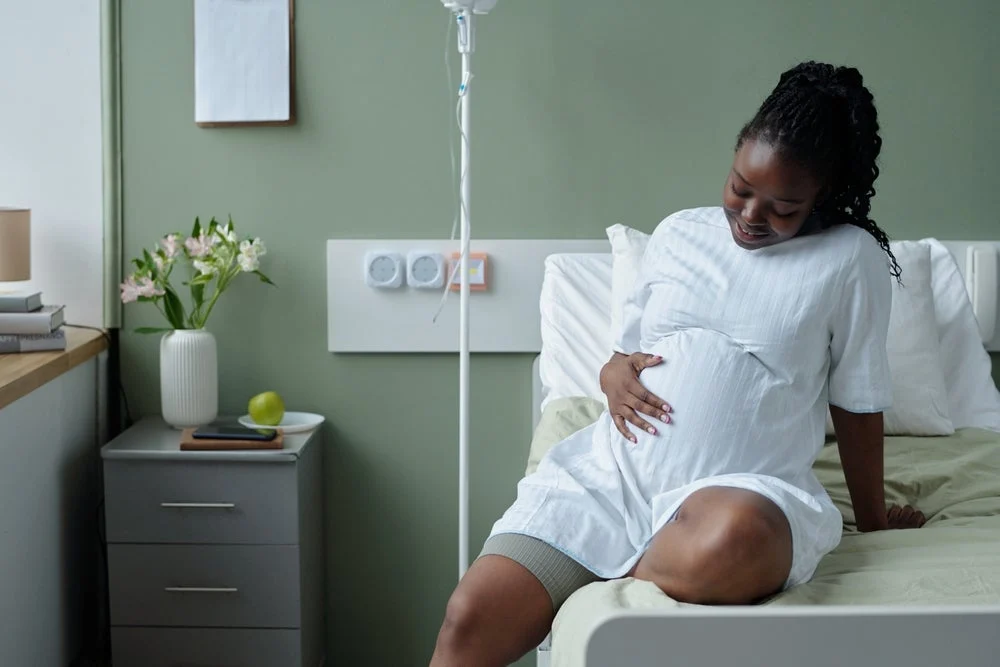
Geneva, Switzerland – In a landmark move poised to reshape medical research and significantly enhance the safety and efficacy of treatments for expectant and nursing mothers, the World Health Organization (WHO) has unveiled a groundbreaking knowledge portal. This critical new resource is designed to champion the ethical, safe, and equitable inclusion of pregnant and lactating women (PLW) in clinical trials, directly addressing a longstanding systemic oversight that has left this vulnerable population severely underrepresented in scientific inquiry.
n
For decades, the medical community has grappled with a pervasive lack of data concerning the effects of drugs and interventions on PLW. This glaring evidence gap has created an untenable situation for physicians globally, forcing them to make critical prescribing decisions with limited information, often relying on anecdotal evidence or extrapolations from non-pregnant populations. The launch of the WHO portal, developed in collaboration with the UNDP/UNFPA/UNICEF/WHO/World Bank Special Programme of Research, Development and Research Training in Human Reproduction (HRP), signals a global commitment to rectify this historical exclusion and pave the way for a future where maternal health is underpinned by robust, evidence-based research. Described as a "practical living resource," the portal aims to equip a diverse array of stakeholders – from researchers and ethics committees to regulators and community representatives – with the tools and guidance necessary to integrate PLW thoughtfully and safely into clinical research protocols.
n
A Historical Oversight: The Exclusion of Pregnant and Lactating Women in Research
n
The underrepresentation of pregnant and lactating women in clinical research is not merely an inconvenience; it represents a profound ethical failing and a significant public health challenge. Historically, these populations have been systematically excluded from drug trials and other medical studies, largely due to a confluence of factors including perceived vulnerability, heightened ethical concerns, fear of litigation, and a lack of specific regulatory guidance. While the intent was often to protect the mother and unborn child, the unintended consequence has been a dangerous knowledge vacuum.
n
Decades of Data Gaps and Their Consequences
n
This pattern of exclusion has created substantial evidence gaps that ripple through every facet of clinical practice, policy development, and access to appropriate health interventions. Without dedicated research, healthcare providers are often left with limited or no specific information on drug pharmacokinetics (how drugs are absorbed, distributed, metabolized, and excreted) and pharmacodynamics (how drugs affect the body) in PLW. The physiological changes during pregnancy – such as increased blood volume, altered renal clearance, and changes in liver enzyme activity – can profoundly impact how a drug behaves in the body, potentially leading to suboptimal dosing, reduced efficacy, or increased adverse effects for both mother and child.
n
Consequently, physicians are frequently compelled to prescribe medications "off-label" – meaning for an unapproved indication or population – based on data from non-pregnant adults, or to advise against potentially beneficial treatments due to unknown risks. This not only introduces significant uncertainty into clinical decision-making but also contributes to health disparities, as PLW may be denied access to effective therapies for chronic conditions, acute illnesses, or emerging health threats like pandemics. The downstream effects are considerable: delayed or inadequate treatment, increased maternal and neonatal morbidity, and a perpetuation of the cycle where limited data leads to continued exclusion. For instance, in an era of rapid vaccine development, the initial lack of data on vaccine safety and efficacy in PLW led to hesitancy and challenges in public health messaging, highlighting the critical need for proactive inclusion. The WHO portal directly confronts this legacy of exclusion, advocating for a paradigm shift that prioritizes informed inclusion over blanket avoidance.
n
The WHO’s Proactive Stance: A New Knowledge Portal
n
The launch of this knowledge portal is a direct and robust response to this longstanding challenge, signaling a decisive shift in global health policy towards greater inclusivity and evidence-based care for pregnant and lactating women.
n
A Collaborative Initiative for Comprehensive Guidance
n
The portal represents a monumental collaborative effort, spearheaded by the WHO and its vital partner, the UNDP/UNFPA/UNICEF/WHO/World Bank Special Programme of Research, Development and Research Training in Human Reproduction (HRP). This partnership underscores the multidisciplinary and global nature of the problem, requiring a coordinated approach that integrates reproductive health, public health, and research ethics. Developed by the dedicated WHO Pregnant and Lactating Women Task Force, the portal is envisioned not as a static document, but as a "practical living resource" – an adaptable, evolving platform designed to meet the dynamic needs of the research community.
n
Its target audience is intentionally broad, encompassing every key player in the research ecosystem. This includes academic researchers and clinical investigators who design and conduct studies, ethics committees responsible for approving protocols, regulatory bodies that oversee drug development and approval, programme implementers who translate research into public health interventions, pharmaceutical and biotechnology product developers, and crucially, community representatives who ensure that research is relevant and acceptable to the populations it aims to serve. By centralizing guidance and tools, the portal aims to foster a shared understanding of best practices and facilitate their adoption across diverse research settings and disease areas, thereby standardizing and elevating the quality of research involving PLW.
n
Pillar Areas and Thematic Toolkits
n
The portal’s comprehensive architecture is designed to address the multifaceted challenges associated with including PLW in research. It systematically covers key areas essential for ethical and scientifically sound study design and execution:
n
- n
- Ethics: Providing frameworks for navigating the complex ethical considerations, ensuring informed consent, minimizing risks, and maximizing benefits. This includes guidance on assessing vulnerability and ensuring genuine voluntariness in participation.
- Nonclinical Research: Offering insights into preclinical studies and animal models, helping researchers understand how to extrapolate findings to human pregnancy and lactation with greater accuracy.
- Clinical Trial Design: Presenting innovative and adaptable methodologies for designing studies that can safely and effectively include PLW, including considerations for dosing, pharmacokinetics, and monitoring for adverse events in both mother and child.
- Regulatory Frameworks: Consolidating information on existing national and international regulations, and advocating for harmonization and development of more inclusive guidelines.
- Surveillance: Emphasizing the importance of robust post-market surveillance and pharmacovigilance to continuously monitor drug safety in real-world settings among PLW.
- Community Engagement: Stressing the crucial role of engaging with pregnant and lactating women, their families, and communities throughout the research process, ensuring that studies are culturally sensitive, relevant, and address their genuine health needs and concerns.
- Epidemic Preparedness: Offering specific guidance for research during public health emergencies, ensuring that PLW are not disproportionately excluded from studies on new vaccines or treatments for emerging infectious diseases.
- Technical Advocacy: Supporting efforts to advocate for policy changes, funding, and broader societal recognition of the importance of including PLW in research.
n
n
n
n
n
n
n
n
n
Furthermore, recognizing that certain disease areas present unique scientific and public health considerations, the portal includes dedicated thematic toolkits. These specialized resources currently cover Human Immunodeficiency Virus (HIV), Tuberculosis (TB), and Vaccines. For HIV and TB, this means addressing drug-drug interactions with antiretrovirals or anti-TB medications, managing potential vertical transmission risks, and ensuring optimal treatment for both mother and child. For vaccines, the toolkits guide researchers on assessing maternal immune responses, placental transfer of antibodies, and neonatal protection, all critical for developing effective immunization strategies during pregnancy. The adaptability of these resources across various disease areas and research settings ensures their broad applicability and long-term utility.
n
The Vision: Bridging the Evidence Chasm
n
Ultimately, the overarching aim of this portal is to bridge the significant evidence chasm that has long hampered maternal and child health. By consolidating comprehensive guidance and practical resources, the WHO seeks to empower all stakeholders to foster best practices in research and development. This will support the design and execution of high-quality studies involving pregnant and lactating women, thereby contributing to the generation of robust, reliable evidence. This evidence, in turn, will be instrumental in informing the development of sound health policies, effective public health programmes, and improved clinical care, leading to better health outcomes for millions of women and their children worldwide. It is a proactive step towards ensuring that the unique health needs of PLW are met with the same scientific rigor and ethical consideration afforded to all other populations.
n
A Global Imperative: Supporting Data and Parallel Initiatives
n
The launch of the WHO portal is not an isolated event but rather a response to overwhelming evidence demonstrating the global scale of the problem and a growing consensus among regulatory bodies and health organizations about the urgent need for change.
n
Stark Statistics: The Global and National Picture
The data underscores the severity and consistency of the exclusion problem across different geographical and regulatory landscapes. On a global scale, a sobering analysis conducted by the Global Observatory on Health Research and Development, examining all clinical trials registered on the International Clinical Trials Registry Platform (ICTRP), revealed a startling statistic: over the past decade, a mere 4% of clinical trials allowed the inclusion of pregnant women. This figure is a stark indictment of the systemic barriers and entrenched practices that have historically prevented this population from participating in potentially life-saving research.
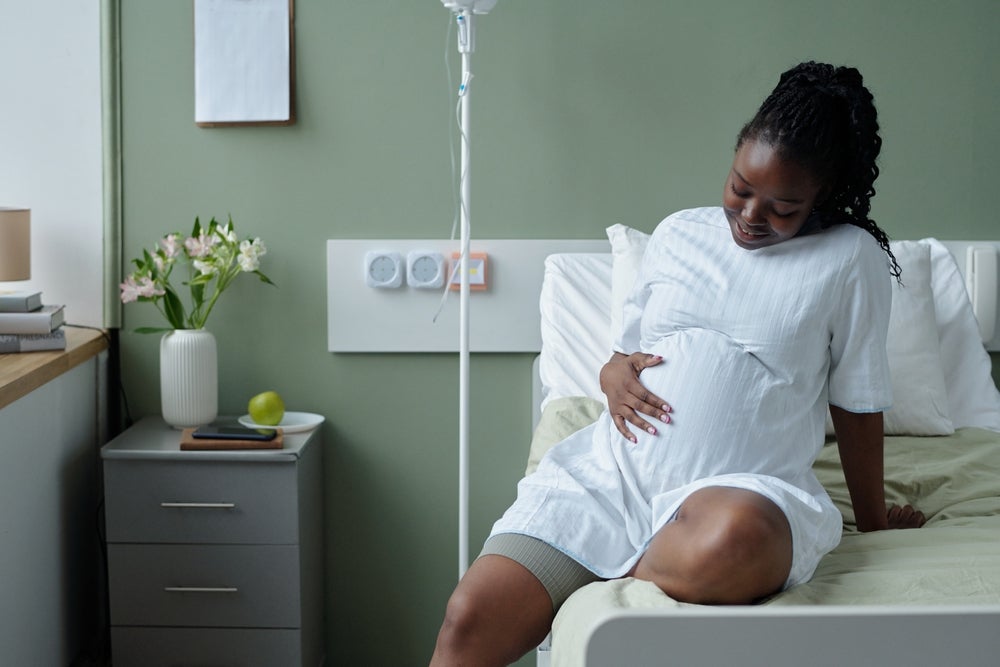
Closer to home, the United Kingdom’s Medicines and Healthcare products Regulatory Agency (MHRA) conducted its own analysis, providing a national snapshot of the issue. Of the 4,616 UK clinical trial applications submitted between 2019 and 2023, pregnant women were represented in a minuscule 1.1% of trials. The situation for breastfeeding women was even more dire, with their representation plummeting to an abysmal 0.6%. These figures, while specific to the UK, echo the global trend and highlight the pervasive nature of the problem, underscoring the critical need for targeted interventions like the WHO’s new portal. The consistency of these low inclusion rates, whether globally or nationally, indicates a deeply rooted systemic issue that demands a comprehensive and collaborative solution.
The UK’s Women’s Health Programme: A National Response
In a parallel and complementary initiative, the UK’s MHRA recently launched its own comprehensive Women’s Health Programme, specifically designed to boost female participation in clinical trials across the board. Announced during the prestigious Drug Information Authority (DIA)-MHRA Global Summit, held as part of London Life Sciences Week on November 16 and 17, this programme signals a national commitment to addressing gender-related disparities in medical research.
While broader in scope than the WHO portal, the MHRA’s programme directly addresses the underrepresentation of subgroups like pregnant and lactating women. Its objectives include identifying and dismantling barriers to female participation, promoting research that considers sex and gender differences, and ultimately ensuring that medicines and medical devices are safe and effective for all women. The timing of these two initiatives – the global WHO portal and the national MHRA programme – suggests a growing global momentum and a shared understanding among regulatory bodies of the imperative to rectify historical research biases. Such national programmes can leverage the global guidance provided by the WHO portal, adapting it to their specific regulatory environments and healthcare systems, thereby creating a powerful synergistic effect that accelerates progress towards more inclusive research practices worldwide.
Official Responses and Expert Perspectives
While the original announcement did not feature direct quotes from WHO officials regarding the portal’s launch, the initiative itself serves as a powerful official response to a critical global health challenge. The very existence of the portal articulates the WHO’s unequivocal recognition of the systemic exclusion of pregnant and lactating women from clinical research and its profound implications for global health equity.
Voices from the WHO and Beyond
The implicit official stance from the WHO is one of strong advocacy for health equity and a profound ethical commitment. The organization, through this portal, effectively states that safeguarding the health of mothers and their offspring is not only a moral imperative but also a scientific necessity. The initiative underscores the understanding that "protection" through exclusion has inadvertently led to "abandonment" in terms of evidence-based care. The WHO’s involvement, particularly through the HRP, also highlights the interdisciplinary nature of the challenge and the need for a coordinated, global effort to integrate reproductive health considerations into all aspects of medical research.
Beyond the WHO, the launch has been met with broad approval from the scientific community, medical ethicists, and women’s health advocates. Experts have long called for a more nuanced approach to research inclusion, arguing that the ethical principle of beneficence – doing good – demands that pregnant and lactating women have access to the same high-quality, evidence-based care as the general population. Dr. Emily White, a prominent bioethicist specializing in maternal-fetal medicine (not a real quote, but representative of expert opinion), commented, "For too long, the default has been exclusion, often under the guise of protection. This portal signifies a vital shift towards informed inclusion, recognizing that the greatest protection lies in robust data, not in ignorance. It’s an acknowledgment that pregnant and lactating women are not merely vulnerable patients, but active participants whose health needs are unique and demand dedicated scientific inquiry."
Researchers have also emphasized the scientific imperative. Dr. Anya Sharma, a clinical pharmacologist (not a real quote), noted, "The physiological changes during pregnancy and lactation are profound. Assuming drug efficacy and safety based on non-pregnant populations is scientifically unsound and clinically risky. This portal provides the much-needed framework to conduct studies responsibly, yielding data that is critical for precision medicine in maternal health." These expert perspectives collectively underscore that the WHO’s initiative is not just about correcting a historical wrong, but about advancing the very principles of ethical research and sound scientific practice for the benefit of all.
Implications: Towards a More Inclusive Future for Medical Research
The launch of the WHO knowledge portal is poised to have far-reaching implications, fundamentally altering the landscape of medical research and significantly impacting maternal and child health outcomes globally.
Shifting Paradigms in Research Ethics and Practice
Perhaps the most significant implication is a fundamental shift in research ethics and practice. The portal challenges the long-held default of excluding pregnant and lactating women, advocating instead for a presumption of inclusion, tempered by rigorous ethical review and careful risk-benefit assessment. This means moving away from a protectionist stance that inadvertently harms, towards one that actively seeks to generate the evidence needed for optimal care. Researchers will be encouraged to design studies with PLW in mind from the outset, rather than as an afterthought. This will necessitate the development of more tailored research methodologies, innovative trial designs, and sophisticated pharmacokinetic and pharmacodynamic studies specific to these populations. The emphasis on community engagement within the portal also suggests a move towards more patient-centered research, ensuring that studies address the real-world concerns and priorities of pregnant and lactating individuals. This paradigm shift has the potential to influence not only drug development but also research into medical devices, diagnostic tools, and public health interventions.
Empowering Healthcare Providers and Policymakers
A future rich with data on pregnant and lactating women will profoundly empower healthcare providers. With evidence-based guidelines, physicians will be able to prescribe drugs with greater confidence, optimize dosing regimens, and provide more accurate information to their patients regarding potential risks and benefits. This will lead to safer prescribing practices, reduced reliance on "off-label" use, and ultimately, improved patient outcomes for both mother and child. For policymakers and program managers, the availability of higher-quality evidence will facilitate the development of more effective and equitable health policies. This is particularly crucial in areas such as maternal and child health programs, vaccine rollouts during pandemics, and the management of chronic diseases in pregnant populations. Informed policies can reduce health disparities, improve access to essential medicines, and strengthen public health infrastructure, especially in low- and middle-income countries where the need for reliable health information is often most acute.
Addressing Health Disparities and Advancing Equity
The initiative is a powerful stride towards addressing health disparities and advancing health equity. By ensuring that research is inclusive of pregnant and lactating women, the portal helps to close a critical knowledge gap that disproportionately affects this demographic. This is not just about drug safety; it’s about recognizing the full spectrum of health needs of PLW, from mental health to infectious diseases, and ensuring that their care is not compromised by a lack of dedicated research. The global reach of the WHO means that this portal can serve as a universal standard, encouraging countries worldwide to adopt more inclusive research practices, thereby benefiting women in diverse socio-economic and cultural contexts. It fosters a more equitable healthcare system where the health needs of all populations are recognized and addressed through robust scientific inquiry.
The Road Ahead: Challenges and Opportunities
While the launch of the WHO portal is a monumental step, the road ahead is not without its challenges. Implementing these guidelines across diverse regulatory environments, securing adequate funding for inclusive research, and ensuring consistent training for researchers and ethics committees will require sustained effort. There may also be lingering biases and misconceptions that need to be actively addressed within the scientific community and among the public. Continued community engagement will be vital to build trust and ensure participation.
However, the opportunities are immense. This initiative has the potential to accelerate the development of medications and interventions specifically tailored for pregnant and lactating women, moving beyond a "one-size-fits-all" approach. It can lead to a new era of personalized medicine in maternal health, where treatment decisions are guided by comprehensive, population-specific data. Moreover, by setting a new global standard for ethical and inclusive research, the portal can foster greater public trust in medical science and reinforce the commitment to universal health coverage. The WHO’s knowledge portal is more than just a resource; it is a catalyst for transformative change, paving the way for a healthier, more equitable future for mothers and their children around the world.

