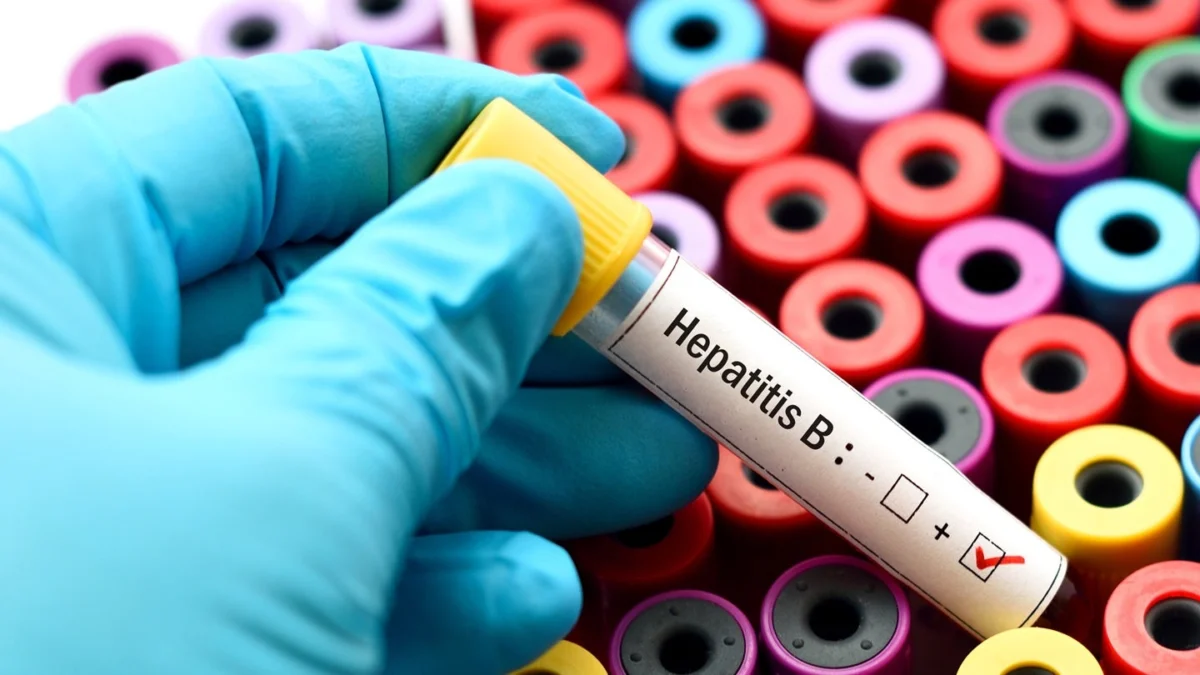
Aligos Therapeutics, a prominent clinical-stage biopharmaceutical company focused on developing novel therapeutics for liver diseases, has announced a significant exclusive licensing agreement with Xiamen Amoytop Biotech, a leading Chinese biopharmaceutical firm. This strategic partnership centers on the development and commercialization of pevifoscorvir sodium, a potential first-in-class capsid assembly modulator (CAM-E), for the treatment of chronic hepatitis B virus (HBV) infection within the expansive Greater China region. The territory encompasses Mainland China, Hong Kong, Macau, and Taiwan, a region critically impacted by the global HBV epidemic.
The agreement, which underscores a shared commitment to addressing the substantial unmet medical needs of over 90 million individuals affected by chronic HBV in Greater China, marks a pivotal moment for both companies and the broader HBV treatment landscape. Under the terms of the deal, Aligos is set to receive an upfront milestone payment of $25 million. Furthermore, the company stands to gain up to $420 million in additional clinical, regulatory, and sales-based milestones, complemented by tiered, high single-digit royalties on net sales generated by Amoytop within the licensed territories. This financial injection is expected to bolster Aligos’s financial runway, extending its current cash, cash equivalents, and investments into the fourth quarter of 2026, based on its existing operating plan.
Crucially, while Amoytop gains exclusive rights for commercialization in Greater China, Aligos retains all development and commercialization rights for pevifoscorvir sodium in key global markets outside this region, including Europe, Japan, South Korea, and the United States. Aligos will also continue to oversee and conduct the ongoing clinical trials for the compound within Greater China, ensuring a consistent and high-quality development pathway. The closing of this significant agreement is anticipated within 30 days, contingent upon securing shareholder approval from Xiamen Amoytop Biotech.
The Persistent Challenge of Chronic Hepatitis B Virus (HBV)
Chronic Hepatitis B virus infection remains a formidable global health crisis, responsible for a significant burden of morbidity and mortality worldwide. The World Health Organization (WHO) estimates that approximately 296 million people were living with chronic HBV infection in 2019, with 1.5 million new infections occurring each year. This persistent viral infection is a leading cause of liver cirrhosis, liver failure, and hepatocellular carcinoma (HCC), a primary form of liver cancer. Despite the availability of an effective vaccine, which has dramatically reduced new infections in vaccinated populations, millions continue to live with the chronic form of the disease, particularly in regions with historical high prevalence.
The Greater China region bears a disproportionately heavy burden of HBV. With over 90 million people affected, it represents one of the largest patient populations globally. This high prevalence is attributed to factors such as perinatal transmission, early childhood infections, and historical lack of widespread vaccination programs. While current treatments, primarily nucleos(t)ide analogues (NAs) like tenofovir disoproxil fumarate (TDF) and entecavir, are effective in suppressing viral replication and reducing disease progression, they rarely achieve a functional cure (defined as sustained HBsAg loss). Patients typically require lifelong treatment, which can lead to issues with adherence, potential long-term side effects, and persistent risk of complications like HCC even with suppressed viral loads. The limitations of existing therapies highlight a critical unmet medical need for novel drugs that can achieve higher rates of functional cure or offer more potent and durable viral suppression, ideally through finite treatment regimens.
Pevifoscorvir Sodium: A Novel Therapeutic Approach
Pevifoscorvir sodium represents a promising new class of antiviral agents known as capsid assembly modulators (CAMs), specifically a CAM-E (E-site modulator). Unlike nucleos(t)ide analogues which primarily target the viral polymerase to inhibit DNA synthesis, CAMs interfere with the assembly of the HBV core protein, a crucial step in the viral life cycle. By modulating the assembly of the viral capsid, pevifoscorvir sodium aims to disrupt the packaging of pregenomic RNA and subsequently inhibit the formation of new viral particles. This multi-pronged mechanism of action offers a distinct advantage and therapeutic potential, particularly when considered in combination with other agents.
The drug is currently undergoing evaluation in the Phase II B-SUPREME study. This clinical trial is designed to compare the efficacy and safety of pevifoscorvir sodium against tenofovir disoproxil fumarate (TDF), a widely used and established NA. The ongoing trial is a critical step in assessing the drug’s potential to significantly improve patient outcomes. The second interim analysis of the B-SUPREME study is anticipated during the second half of 2026, with the final top-line data expected to be released in 2027. These timelines provide a clear roadmap for the continued development and potential regulatory submission of pevifoscorvir sodium. If successful, pevifoscorvir sodium could offer a much-needed new option for patients, either as a standalone therapy or, more likely, as part of combination regimens aimed at achieving higher rates of functional cure.
Strategic Rationale for Aligos Therapeutics
For Aligos Therapeutics, this licensing agreement with Xiamen Amoytop Biotech represents a significant strategic win on multiple fronts.
Firstly, the upfront payment of $25 million, coupled with the potential for substantial milestone payments totaling up to $420 million, significantly strengthens Aligos’s financial position. As a clinical-stage company, securing non-dilutive capital is paramount for funding ongoing research and development efforts across its pipeline. The extended cash runway into the fourth quarter of 2026 provides greater stability and flexibility, allowing Aligos to advance its other programs without immediate pressure for additional fundraising. This financial injection validates the company’s scientific approach and the potential value of its HBV assets.
Secondly, the partnership with Amoytop de-risks the development and commercialization of pevifoscorvir sodium in a complex and highly competitive market like Greater China. Amoytop possesses deep local market expertise, established regulatory pathways, and a robust sales and marketing infrastructure tailored to the specific nuances of the Chinese healthcare system. Leveraging Amoytop’s capabilities allows Aligos to efficiently tap into this massive patient population without incurring the significant operational costs and complexities of building out a direct presence. This strategic delegation enables Aligos to focus its resources on its core markets and other pipeline assets.
Thirdly, the deal validates Aligos’s innovative approach to HBV treatment. The licensing of pevifoscorvir sodium to a reputable regional player like Amoytop underscores the perceived therapeutic potential of the CAM-E mechanism. This validation can also positively impact Aligos’s other HBV-related programs, potentially attracting further partnerships or investor interest.
Finally, by retaining rights for key global markets such as Europe, Japan, South Korea, and the US, Aligos maintains direct control over the commercialization strategy in these lucrative regions. This hybrid model allows Aligos to maximize value from its intellectual property by selectively partnering in certain geographies while pursuing direct commercialization where it sees the greatest strategic fit and return on investment. The ability to conduct clinical trials in Greater China also ensures that the global development program benefits from diverse patient populations and consistent trial protocols.
Strategic Rationale for Xiamen Amoytop Biotech
Xiamen Amoytop Biotech’s decision to license pevifoscorvir sodium from Aligos Therapeutics is equally strategic and aligns with its long-term growth ambitions and commitment to liver health in Greater China.
As stated by Xiamen Amoytop Biotech chairman and CEO Sun Li, "Aligos is at the forefront of HBV innovation, and we are pleased to deepen our partnership with this outstanding team. We believe pevifoscorvir sodium has the potential to transform chronic HBV suppression, and we are proud to license this important programme for Greater China." This statement highlights Amoytop’s recognition of Aligos’s scientific leadership in HBV and their belief in the transformative potential of pevifoscorvir sodium.
This agreement represents a significant expansion and diversification of Amoytop’s product portfolio. Amoytop already has a strong presence in the HBV market with its approved PEGBING therapy (Pegylated Interferon Alpha-2a), a well-established treatment for chronic HBV. The company also has an existing partnership with Aligos for an antisense oligonucleotide (ASO) program targeting HBV, demonstrating a history of successful collaboration and trust between the two entities. The addition of pevifoscorvir sodium, a novel CAM-E, allows Amoytop to offer a differentiated mechanism of action to patients and clinicians. This is crucial in a market that is actively seeking more effective and potentially curative therapies.
By acquiring rights to pevifoscorvir sodium, Amoytop strengthens its position as a leading provider of innovative liver disease treatments in Greater China. The ability to offer a potential first-in-class drug, especially one targeting a critical unmet need, enhances Amoytop’s competitive edge and market share. Furthermore, the explicit mention of exploring "combination approaches that deliver meaningful benefits to patients across the region" by Sun Li indicates Amoytop’s strategic vision to integrate pevifoscorvir sodium into novel regimens, potentially combining it with their existing PEGBING therapy or the Aligos-partnered ASO, to achieve superior patient outcomes, including higher rates of functional cure. This forward-looking approach positions Amoytop at the forefront of the evolving HBV treatment paradigm.
Broader Implications for the HBV Treatment Landscape
The collaboration between Aligos and Amoytop for pevifoscorvir sodium carries significant implications for the global HBV treatment landscape, particularly within the context of the pursuit of a functional cure.
The emergence of novel drug classes like CAMs is critical for advancing beyond the current standard of care, which primarily relies on lifelong viral suppression. CAMs offer a distinct mechanism that targets different stages of the viral life cycle compared to NAs, making them ideal candidates for combination therapies. The hope is that by attacking the virus from multiple angles, combination regimens incorporating CAMs, NAs, and potentially other emerging modalities like ASOs or therapeutic vaccines, could achieve higher rates of HBsAg seroclearance and, ultimately, a functional cure.
The Greater China market, with its vast patient population and high disease burden, serves as a crucial testing ground and potential early adopter for new HBV therapies. Successful development and commercialization of pevifoscorvir sodium in this region could provide valuable real-world evidence and insights that inform its broader global adoption. The focus on combination approaches by Amoytop also reflects a growing industry consensus that a functional cure for HBV will likely require multi-drug regimens.
Furthermore, the deal highlights the increasing trend of Western biopharmaceutical companies partnering with strong regional players to navigate complex local markets. Such collaborations facilitate faster market entry, optimize resource allocation, and leverage specialized local expertise in regulatory affairs, clinical development, and commercialization. This model is particularly effective in high-burden, high-growth markets like China, where local knowledge can significantly impact success.
Financial Outlook and Future Steps
From a financial perspective, the deal significantly enhances Aligos Therapeutics’ outlook. The extended cash runway provides crucial time to achieve key clinical milestones for pevifoscorvir sodium and other pipeline candidates. Positive data from the Phase II B-SUPREME study, particularly the interim analysis expected in H2 2026 and final data in 2027, will be critical drivers for future milestone payments and could further attract investor confidence. The tiered, high single-digit royalties on net sales offer a long-term revenue stream for Aligos as pevifoscorvir sodium progresses through regulatory approval and market launch in Greater China.
For Xiamen Amoytop Biotech, the investment in pevifoscorvir sodium represents a strategic commitment to expanding its leadership in liver disease therapeutics. The success of this product will depend on its clinical profile, regulatory approvals, and Amoytop’s ability to effectively integrate it into the existing treatment paradigm and commercialize it across Greater China. Given Amoytop’s established presence and previous success with PEGBING, the company is well-positioned to maximize the potential of pevifoscorvir sodium.
The impending closing of the agreement, subject to Amoytop shareholder approval within the next 30 days, will formally initiate this significant collaboration. Following this, both companies will likely focus on the coordinated execution of the remaining clinical development plan, particularly in preparing for the interim analysis of the B-SUPREME study, and laying the groundwork for future regulatory submissions and commercialization efforts in their respective territories.
Conclusion
The exclusive licensing agreement between Aligos Therapeutics and Xiamen Amoytop Biotech for pevifoscorvir sodium in Greater China is a landmark deal with far-reaching implications. It not only provides substantial financial backing and strategic market access for Aligos but also significantly strengthens Amoytop’s portfolio in a region grappling with a massive HBV burden. By bringing together innovative science with robust regional commercialization capabilities, this partnership holds the promise of delivering a much-needed, potentially transformative therapeutic option to millions of patients suffering from chronic hepatitis B, pushing the global scientific community closer to the elusive goal of a functional cure for this debilitating disease. The combined expertise and resources of both companies are now aligned to accelerate the development and availability of pevifoscorvir sodium, heralding a new chapter in the fight against chronic HBV.