Blood pressure cuff sizing is crucial for accurate readings. An improperly sized cuff can lead to inaccurate results, impacting diagnoses and treatment plans. This guide delves into the essential aspects of cuff selection, from understanding the different types to mastering the measurement process. We’ll cover everything from the factors influencing cuff size to common errors and troubleshooting tips.
Knowing your arm circumference and understanding the implications of incorrect cuff sizing is paramount. Different arm sizes require different cuff sizes for accurate readings. We’ll explore the relationship between arm circumference and cuff size, examining the factors that influence selection, and provide practical steps for accurate measurement. This detailed guide equips you with the knowledge to ensure reliable blood pressure measurements.
Introduction to Blood Pressure Cuff Sizing
Proper blood pressure cuff sizing is crucial for obtaining accurate readings. An improperly sized cuff can lead to inaccurate results, potentially delaying or misdiagnosing health conditions. Understanding the factors involved in cuff selection is key to reliable blood pressure monitoring.
Blood Pressure Cuff Sizing Defined
Blood pressure cuff sizing refers to the selection of a blood pressure cuff that is appropriate for the patient’s arm circumference. This ensures that the cuff’s bladder fits snugly around the arm without being too tight or too loose. A properly fitted cuff is essential for an accurate blood pressure measurement.
Importance of Accurate Blood Pressure Cuff Sizing
Accurate blood pressure readings are vital for monitoring and managing cardiovascular health. Inaccurate readings, often caused by improper cuff sizing, can lead to misdiagnosis and delayed treatment. For instance, an undersized cuff may falsely elevate readings, potentially leading to unnecessary anxiety and further medical investigations. Conversely, an oversized cuff may falsely lower readings, masking underlying hypertension. Consistent and reliable data from proper cuff sizing is paramount for tracking trends and making informed medical decisions.
Consequences of Incorrect Cuff Sizing
Incorrect cuff sizing can have several detrimental effects. A cuff that is too small will typically result in a falsely high reading, while a cuff that is too large will result in a falsely low reading. These inaccurate readings can lead to:
- Misdiagnosis of hypertension or hypotension.
- Unnecessary medical interventions and treatments.
- Delayed diagnosis and treatment of underlying health conditions.
- Increased patient anxiety and stress due to inconsistent readings.
These outcomes highlight the importance of using the correct cuff size to obtain accurate and reliable blood pressure readings.
Common Units of Measurement in Blood Pressure Cuff Sizing
The most common unit used for blood pressure cuff sizing is the circumference of the upper arm, measured in centimeters (cm). This measurement is crucial for determining the appropriate cuff size to ensure accurate readings. Other relevant measurements, such as the cuff’s bladder width and length, are also important to consider, although arm circumference is the primary factor for most cuff types.
| Term | Definition | Importance | Consequences | Units |
|---|---|---|---|---|
| Blood Pressure Cuff Sizing | Selection of a cuff appropriate for the patient’s arm circumference. | Ensures accurate blood pressure readings. | Inaccurate readings, potential misdiagnosis. | cm (circumference) |
Factors Affecting Cuff Selection
Choosing the right blood pressure cuff size is crucial for accurate readings. Incorrect sizing can lead to inaccurate results, potentially misdiagnosing or underestimating a patient’s condition. Understanding the factors that influence cuff selection ensures reliable and precise blood pressure measurements.Arm circumference is a primary determinant of cuff size. The cuff must fit snugly but not excessively tight to obtain an accurate measurement.
A cuff that’s too small will inflate with excessive pressure, leading to falsely high readings, while a cuff that’s too large will inflate with insufficient pressure, resulting in falsely low readings. Patient demographics, arm anatomy, and the specific type of cuff also play a significant role in the selection process.
Choosing the right blood pressure cuff size is crucial for accurate readings. If you’re looking for ways to manage your health, understanding the nuances of blood pressure monitoring is important. For example, consider the recent developments in obesity medication, such as lillydirect obesity medication zepbound , which may impact blood pressure. Ultimately, ensuring proper cuff size is key for reliable health data.
Arm Circumference and Cuff Size
Arm circumference is a critical factor in selecting the correct cuff size. A cuff that’s too small for the arm will lead to overestimation of blood pressure, whereas a cuff that’s too large will underestimate it. A proper fit is essential for reliable measurements. The cuff’s bladder should completely encircle the arm, and the width of the bladder should not exceed the arm’s circumference by more than 40%.
Impact of Patient Demographics on Cuff Selection
Patient demographics, including age, gender, and ethnicity, can influence arm circumference and, consequently, cuff size selection. For instance, children and adults may have different arm circumferences, requiring different cuff sizes. Furthermore, certain ethnic groups may have a different distribution of arm circumferences compared to others, thus necessitating careful consideration during cuff selection. It’s important to note that a standard cuff size may not be universally applicable to all individuals within a given population group.
Role of Patient’s Arm Anatomy in Cuff Selection
Variations in arm anatomy, such as arm muscle mass or arm shape, can affect cuff selection. For example, a person with a very muscular arm may require a larger cuff than someone with a slender arm. Similarly, the position of the brachial artery (the artery used for blood pressure measurement) on the arm can also influence cuff selection.
Consideration of these anatomical variations is vital for ensuring accuracy.
Examples and Comparison of Cuff Sizes and Arm Circumferences
Different cuff sizes correspond to specific arm circumferences. The table below provides a practical comparison:
| Arm Circumference (cm) | Cuff Size (cm) |
|---|---|
| 22-28 | 18-22 |
| 28-34 | 22-28 |
| 34-40 | 28-34 |
| 40-46 | 34-40 |
| 46-52 | 40-46 |
This table provides a general guideline. Always consult a healthcare professional for specific recommendations, as individual variations can exist. Professional medical judgment is critical in determining the most appropriate cuff size for each patient.
Methods for Determining Correct Cuff Size
Choosing the right blood pressure cuff size is crucial for accurate readings. An improperly sized cuff can lead to inaccurate measurements, potentially misdiagnosing conditions or hindering proper treatment. Understanding the methods for determining the correct cuff size empowers both healthcare professionals and individuals to ensure reliable blood pressure assessments.
Measuring Arm Circumference
Accurate arm circumference measurement is fundamental for selecting the appropriate blood pressure cuff size. This ensures the cuff fits snugly but not excessively tight, preventing inaccurate readings. A cuff that is too small will result in falsely high readings, while a cuff that is too large will result in falsely low readings. Precise measurements are vital for reliable health monitoring.
Picking the right blood pressure cuff size is crucial for accurate readings. It’s all about getting a proper fit, just like choosing the right pair of shoes. This ensures reliable measurements, especially for those who are dealing with conditions like color blindness, which affects how people perceive colors. Understanding what do color blind people see what do color blind people see might seem like a tangent, but it highlights the importance of precise measurements in various contexts.
Ultimately, accurate blood pressure cuff sizing is key for everyone, regardless of their visual perception.
A measuring tape is essential for precise arm circumference measurements. The tape should be soft and flexible, allowing for comfortable and accurate readings. The tape should be positioned snugly but not excessively tight around the upper arm, avoiding constriction or discomfort. The tape should be held parallel to the floor, ensuring a straight line for an accurate reading.
Step-by-Step Procedure for Arm Circumference Measurement
Step 1: Position the measuring tape around the upper arm, approximately 1 inch (2.5 cm) above the antecubital fossa (the bend of the elbow).
Step 2: Ensure the measuring tape is held parallel to the floor.
Step 3: Read the measurement at the point where the tape meets itself.
Step 4: Record the measurement in centimeters or inches.
Role of Medical Professionals in Cuff Selection
Medical professionals play a pivotal role in guiding cuff selection. Their expertise in assessing patient anatomy and understanding potential health conditions allows them to recommend the most appropriate cuff size. This ensures that patients receive accurate blood pressure readings and appropriate medical care. Professional guidance is particularly important for individuals with varying arm circumferences or those with medical conditions that may affect cuff fit.
For example, a patient with a significantly large or small arm may require a specialized cuff size to avoid inaccurate readings.
Cuff Size Chart and Corresponding Cuff Selection
While a precise measurement is ideal, cuff size charts provide a valuable reference. These charts typically list corresponding cuff sizes based on arm circumference ranges. They serve as a practical tool for quick selection and can be utilized in various settings. Healthcare professionals often use these charts to guide their recommendations, ensuring a more efficient and accurate process.
The chart below is an example, and specific charts might vary depending on the cuff manufacturer.
| Arm Circumference (cm) | Cuff Size (cm) |
|---|---|
| 22-28 | 18-22 |
| 28-34 | 22-28 |
| 34-40 | 28-32 |
Types of Blood Pressure Cuffs
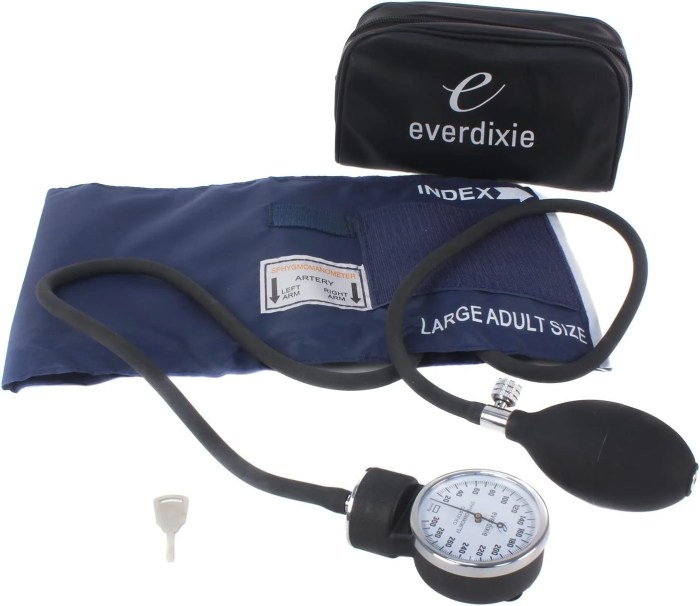
Choosing the right blood pressure cuff is crucial for accurate readings. Different cuff types cater to various patient populations and body types, ensuring proper measurement and minimizing errors. This section delves into the diverse world of blood pressure cuffs, highlighting their specific applications and key design features.
Adult Blood Pressure Cuffs
Adult blood pressure cuffs are designed for the typical adult arm circumference. These cuffs are typically made of durable materials like vinyl or cloth and come in various sizes to accommodate a wide range of arm girths. Accurate cuff selection is paramount to prevent underestimation or overestimation of blood pressure readings. Cuffs should fit snugly but not constrict the arm.
Proper positioning is also critical; the bladder of the cuff should be centered over the brachial artery. The bladder’s inflation should be gradual, maintaining a constant pressure.
Pediatric Blood Pressure Cuffs
Pediatric blood pressure cuffs are specifically designed for children and adolescents. These cuffs have smaller bladders and typically feature narrower ranges of size to accommodate the smaller arm circumferences of younger individuals. They often come in a variety of colors and designs to engage children and make the measurement less intimidating. The cuff’s proper fit is essential to avoid inaccurate readings and potential discomfort.
The inflatable part should cover the brachial artery adequately without compressing it excessively. Specific pediatric cuffs may also have adjustable straps or different inflation mechanisms.
Arm Blood Pressure Cuffs
Arm blood pressure cuffs are the most common type, and they’re primarily used to measure blood pressure in the upper arm. The placement of the cuff over the brachial artery is critical. The cuff’s bladder should be centered over this artery to ensure accurate measurements. The bladder should not compress the underlying tissue, causing inaccurate readings. A wide range of sizes is available to accommodate different arm circumferences.
The cuff’s inflation should be consistent, and the pressure should be released slowly.
Finding the right blood pressure cuff size is crucial for accurate readings, and it’s something I’ve personally struggled with. It was a frustrating part of my journey until I learned how to properly assess my own blood pressure. Recently, I’ve been focusing on managing my symptoms of BVD, and I’ve found that making some dietary changes and regular exercise really helped.
How I improved my symptoms of BVD was a game-changer, and after implementing these changes, I’ve noticed a big difference in my overall well-being, and my blood pressure readings are now more reliable thanks to using the right sized cuff.
Wrist Blood Pressure Cuffs
Wrist blood pressure cuffs are becoming increasingly popular, especially for individuals who require frequent blood pressure monitoring. They are more portable and convenient than traditional arm cuffs, making them suitable for home use or on-the-go measurements. Wrist cuffs are typically smaller and lighter than arm cuffs. However, the accuracy of readings may be slightly affected by factors such as the placement of the cuff on the wrist.
The cuff should be placed snugly but not constricting on the wrist. Furthermore, the user should be positioned properly, with the arm supported.
Table Summarizing Blood Pressure Cuff Types
| Cuff Type | Typical Application | Size Range | Design Features | Accuracy Considerations |
|---|---|---|---|---|
| Adult | Adults | Large | Durable materials, wide size range | Proper fit and positioning |
| Pediatric | Children and adolescents | Small | Smaller bladders, engaging designs | Proper fit and positioning |
| Arm | General use, measuring on the upper arm | Various | Wide size range, bladder centered over the brachial artery | Proper positioning, consistent inflation |
| Wrist | Frequent monitoring, portable use | Small | Compact, portable design | Placement, arm support |
Common Errors and Troubleshooting
Choosing the right blood pressure cuff size is crucial for accurate readings. Incorrect cuff size can lead to significantly inaccurate results, potentially misdiagnosing or missing important health issues. Understanding the potential pitfalls and how to address them will help you ensure reliable blood pressure measurements.Incorrect cuff sizing is a common source of inaccurate blood pressure readings. This can lead to either falsely high or falsely low readings, hindering proper diagnosis and treatment.
A well-fitted cuff is essential for obtaining reliable results, and this section will highlight the most frequent errors and provide practical solutions.
Common Cuff Sizing Errors
Incorrect cuff size selection can lead to inaccurate blood pressure readings. The cuff must properly encircle the arm to ensure accurate measurements. An inappropriately sized cuff can either overestimate or underestimate the actual blood pressure, potentially leading to incorrect diagnoses. This is a critical aspect of blood pressure monitoring, requiring careful attention to details.
Causes of Inaccurate Readings
Several factors can contribute to inaccurate readings stemming from improper cuff sizing. A cuff that is too small will compress the artery too tightly, leading to falsely high readings. Conversely, a cuff that is too large will not compress the artery sufficiently, resulting in falsely low readings. The size of the bladder within the cuff also plays a critical role, as it directly affects the pressure exerted on the artery.
Troubleshooting Solutions
Correcting cuff-related blood pressure measurement inaccuracies is achievable. It is essential to carefully select the correct cuff size based on the patient’s arm circumference. Use the appropriate method for determining cuff size, as detailed in previous sections.
Importance of Correct Cuff Size
The proper cuff size is vital for accurate blood pressure measurements. A cuff that’s too small for the patient’s arm will result in a falsely elevated reading. Conversely, a cuff that’s too large will yield a falsely low reading. The accuracy of the measurement is directly tied to the proper fit of the cuff, ensuring reliable results.
Consistent use of the correct cuff size is paramount for consistent and trustworthy results.
Table of Common Errors
| Error | Cause | Solution |
|---|---|---|
| Falsely high reading | Cuff too small for arm circumference; cuff too tight; cuff bladder too small. | Select a larger cuff; ensure proper cuff placement; ensure correct bladder size for cuff. |
| Falsely low reading | Cuff too large for arm circumference; cuff too loose; cuff bladder too large. | Select a smaller cuff; ensure proper cuff placement; ensure correct bladder size for cuff. |
| Irregular or fluctuating readings | Inconsistent cuff placement; patient movement during measurement; inconsistent inflation/deflation rate; cuff not centered over the brachial artery. | Ensure consistent cuff placement; instruct the patient to remain still; use a calibrated sphygmomanometer; ensure cuff is centered over the brachial artery. |
Patient Education and Guidance
Understanding how to properly use a blood pressure cuff is crucial for accurate readings and overall health management. Incorrect cuff size or application technique can lead to inaccurate results, potentially delaying or misinterpreting critical health information. Empowering patients with the knowledge and skills to perform accurate self-monitoring is key to responsible healthcare.
Simple Guide for Patients
This guide provides a straightforward approach for patients to select and use a blood pressure cuff correctly. Accurate blood pressure readings are essential for early detection and management of various health conditions. Adherence to the proper procedure minimizes errors and ensures reliable results.
- Cuff Size Selection: Before using a blood pressure cuff, determine its appropriate size. Measure your upper arm circumference to ensure a proper fit. A cuff that is too small will result in a falsely high reading, while a cuff that is too large will produce a falsely low reading. A properly sized cuff ensures accurate readings, facilitating better healthcare management.
- Correct Placement: Position the cuff snugly around the upper arm, just above the elbow. Ensure the bottom edge of the cuff is 1 inch above the antecubital fossa (the bend of the elbow). Incorrect placement can affect the accuracy of the measurement, leading to misleading results. Accurate placement is crucial for obtaining reliable readings.
- Relaxation and Support: Ensure the patient is relaxed and supported during the measurement. A relaxed state minimizes fluctuations in blood pressure readings, enhancing the accuracy of the results. Minimize stress and ensure a comfortable position for the patient.
- Reading the Readings: Once the cuff is properly inflated and deflated, carefully read the systolic and diastolic pressures displayed on the device. Following these steps minimizes errors and ensures the readings are accurate, enabling the patient to manage their health effectively.
Importance of Patient Understanding
Patient understanding of the blood pressure cuff sizing process is paramount for obtaining accurate results. Knowing how to correctly select and apply the cuff significantly impacts the reliability of blood pressure measurements. This directly impacts healthcare decisions, especially in self-management of chronic conditions.
- Accurate Monitoring: Patients equipped with knowledge about cuff selection and use can monitor their blood pressure more accurately, providing valuable data for their healthcare providers. This enables informed healthcare decisions.
- Early Detection: Reliable readings contribute to early detection of potential health issues. Early identification of blood pressure problems is crucial for preventive measures and timely interventions.
- Improved Treatment: Accurate readings facilitate better treatment planning and adjustment by healthcare professionals. This contributes to the effectiveness of medical interventions.
Tips for Educating Patients
Effective patient education involves clear communication and demonstration. Simple instructions and visual aids can enhance understanding and adherence to the correct procedure. This approach fosters better patient engagement and self-management.
- Visual Aids: Use diagrams, charts, or videos to demonstrate the correct cuff placement and usage. Visual aids are often more engaging than verbal instructions and contribute to better comprehension.
- Practice Sessions: Allow patients to practice the procedure under the guidance of a healthcare professional or trained personnel. Hands-on practice helps reinforce the steps and ensures proper application.
- Clear Language: Use simple, easy-to-understand language when explaining the procedure. Avoid medical jargon, and focus on clear, concise explanations.
Examples for Patients
The following examples provide clear and concise instructions for patients to follow:
| Step | Action |
|---|---|
| 1 | Measure your upper arm circumference. |
| 2 | Select the appropriate cuff size based on the measurement. |
| 3 | Position the cuff snugly around the upper arm, just above the elbow. |
| 4 | Ensure the bottom edge of the cuff is 1 inch above the antecubital fossa. |
| 5 | Relax and support your arm during the measurement. |
| 6 | Read the systolic and diastolic pressures displayed on the device. |
Clinical Applications and Considerations
Accurate blood pressure cuff sizing is paramount in clinical practice. Incorrect sizing leads to inaccurate readings, impacting diagnostic accuracy and ultimately, patient care. This critical aspect extends across various clinical settings, from routine check-ups to emergency situations. Understanding the implications of cuff size and the correct procedures for selection is crucial for reliable results.Proper cuff size directly influences the reliability of blood pressure measurements.
An inappropriately sized cuff can either overestimate or underestimate the true blood pressure value, leading to misdiagnosis or delayed interventions. This underscores the importance of meticulous attention to detail in this seemingly simple procedure.
Impact on Diagnostic Accuracy
Precise blood pressure measurement is essential for diagnosing and managing numerous health conditions. An inaccurate cuff size can significantly compromise the reliability of the diagnostic process. For example, an undersized cuff can artificially inflate systolic readings, potentially misdiagnosing hypertension or missing other critical conditions. Conversely, an oversized cuff can falsely lower the readings, masking hypertension or other important clinical findings.
This directly affects the efficacy of treatment plans.
Impact on Patient Care
Accurate blood pressure measurements are fundamental to patient care. They guide treatment decisions, monitor response to therapy, and identify potential complications. Inaccurate readings, stemming from incorrect cuff sizing, can lead to suboptimal patient management, resulting in delayed diagnoses, inappropriate treatment plans, and potential adverse outcomes.
Critical Situations Requiring Precise Cuff Sizing
Cuff size selection is critical in various clinical settings. The consequences of inaccurate readings can be particularly significant in situations where prompt and accurate diagnosis is vital.
- Patients with edema or obesity: In these cases, standard cuffs may not provide accurate readings. Specialized cuffs or alternative methods, like oscillometric devices, may be necessary to obtain reliable data.
- Neonates and children: Small patients require smaller cuffs to prevent inaccurate measurements. Failure to use the correct size can lead to misdiagnosis and potentially inappropriate interventions. This is particularly critical in monitoring the health of premature infants or those with underlying conditions.
- Hypertensive emergencies: Accurate blood pressure readings are crucial for diagnosing and managing hypertensive emergencies, which can lead to serious complications. Inaccurate cuff sizing can delay the appropriate treatment, which can be life-threatening.
- Patients with limited mobility or cognitive impairment: These patients may require specialized techniques and equipment for cuff placement to ensure accurate readings. Training and experience are essential in these circumstances.
- Monitoring patients with chronic conditions: Regular blood pressure monitoring is critical for managing chronic conditions like hypertension and diabetes. Inaccurate readings can lead to inappropriate adjustments in medication or treatment plans, impacting long-term health outcomes.
Clinical Settings and Cuff Usage
Appropriate cuff selection and usage vary depending on the clinical setting. The following examples illustrate the importance of correct cuff sizing in diverse scenarios.
| Clinical Setting | Cuff Size Considerations | Potential Impact of Incorrect Sizing |
|---|---|---|
| Emergency Room | Rapid assessment of patients is critical. Using the correct cuff size for the patient’s arm circumference is vital to ensure immediate accurate readings. | Delayed diagnosis and treatment can have serious consequences in an emergency situation. |
| Outpatient Clinic | Routine blood pressure monitoring is essential. Proper cuff selection is crucial for obtaining accurate baseline measurements and tracking progress. | Inaccurate readings can lead to misdiagnosis or delayed intervention, impacting the efficacy of treatment. |
| Hospital Ward | Continuous monitoring of patients with chronic conditions or those undergoing procedures is essential. Proper cuff selection and technique are critical to ensure accurate readings. | Inaccurate readings can lead to inappropriate adjustments in medications or treatment plans, impacting patient outcomes. |
Epilogue
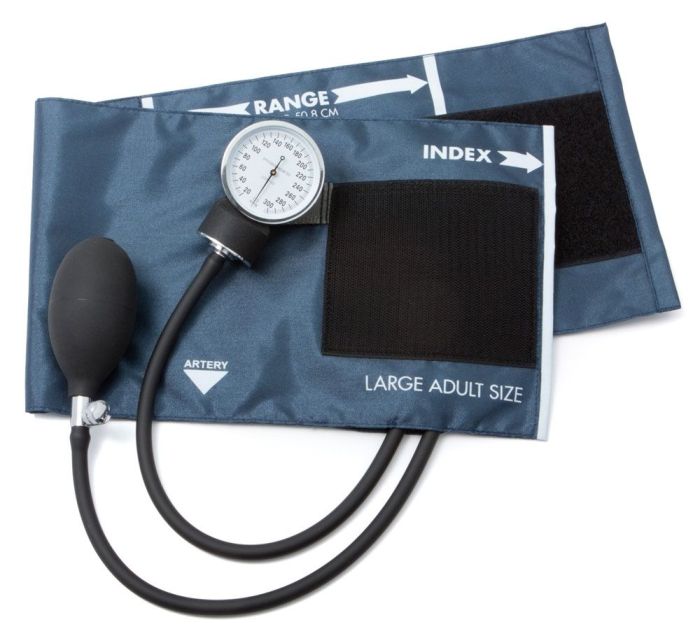
In conclusion, selecting the correct blood pressure cuff is vital for reliable readings. This comprehensive guide provides a clear understanding of the factors involved in cuff sizing, empowering you to make informed choices and avoid common errors. By following the steps Artikeld, you can ensure accurate measurements, leading to better health outcomes. Remember to always consult with a healthcare professional for personalized advice.