
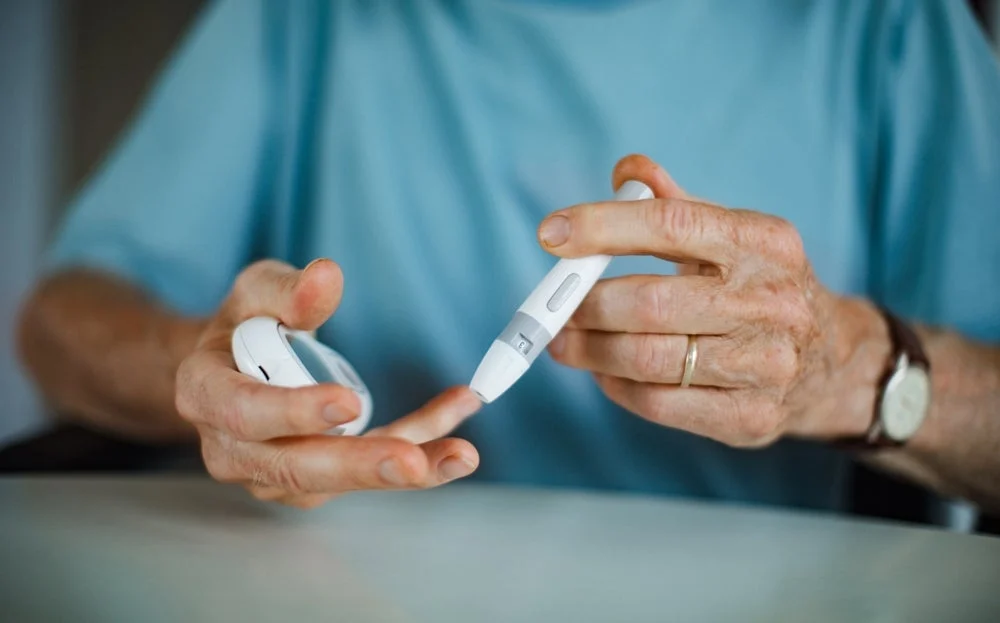
The landscape of Type 2 diabetes management in the United Kingdom is on the cusp of a revolutionary transformation, following a highly anticipated positive recommendation from the National Institute for Health and Care Excellence (NICE) for Eli Lilly’s innovative drug, Onswik (efsitora alfa). This groundbreaking once-weekly insulin injection, delivered via a convenient pre-filled pen, promises to dramatically reduce the burden of daily self-administration for millions of patients, potentially cutting the number of required injections by an astounding 85%.
n
NICE’s endorsement, a crucial step towards national coverage under England’s National Health Service (NHS), signifies a profound advancement in patient care. For individuals living with Type 2 diabetes who rely on insulin, the prospect of transitioning from daily or multiple daily injections to a single weekly dose represents not just a logistical simplification but a significant improvement in quality of life, adherence, and overall disease management. This development is particularly impactful for vulnerable patient groups, including older adults, individuals with learning disabilities, and those with limited hand dexterity, who often require assistance with their daily insulin regimen.
n
Eli Lilly, a pharmaceutical giant with a long-standing legacy in diabetes innovation, positions Onswik as a "game-changer." The drug, subject to final marketing authorization from the UK’s Medicines and Healthcare products Regulatory Agency (MHRA), is poised to reshape treatment paradigms, offering unprecedented convenience without compromising efficacy. This positive signal from a leading health technology assessment body like NICE underscores the robust clinical evidence supporting Onswik and its potential to address a significant unmet need in the diabetes community.
n
Chronology: From Concept to Clinical Endorsement
n
The journey of efsitora alfa, now known as Onswik, from its initial conceptualization to receiving a pivotal NICE recommendation, has been a meticulously planned and rigorously executed scientific endeavour. Developing a once-weekly insulin presents unique pharmacological challenges, primarily related to ensuring sustained and predictable glucose-lowering effects over an extended period, while maintaining a favourable safety profile.
n
Early Research and Development
n
Eli Lilly’s commitment to advancing diabetes care dates back over a century, marked by their pioneering role in mass-producing insulin in the 1920s. The development of efsitora alfa emerged from this deep expertise, focusing on engineering an insulin analogue that could be administered less frequently. Early research involved intricate modifications to the insulin molecule to extend its half-life and duration of action within the body, ensuring a stable release profile that mimics the physiological needs of Type 2 diabetes patients throughout an entire week. This involved overcoming hurdles related to drug stability, formulation, and delivery mechanisms to ensure consistent efficacy and safety, aiming for a consistent glycaemic control that would rival daily injections.
n
The Rigour of the QWINT Phase III Programme
n
The scientific backbone of Onswik’s approval trajectory lies in Eli Lilly’s comprehensive Phase III QWINT (Once-Weekly Insulin for Type 2 Diabetes) clinical development programme. This extensive global programme involved thousands of patients across multiple studies, meticulously designed to evaluate the safety and efficacy of efsitora alfa against established daily long-acting insulins. The QWINT programme’s primary objective was to demonstrate non-inferiority in glycaemic control, typically measured by HbA1c levels, compared to widely used daily basal insulins. Specifically, Onswik was pitted against insulin degludec and insulin glargine, two cornerstone treatments known for their efficacy in maintaining stable blood glucose levels throughout the day. The results consistently showed that Onswik achieved comparable blood glucose control, demonstrating its ability to keep blood sugar steady without an increased risk of hypoglycemia (low blood sugar), a common concern with insulin therapy. This parity in efficacy, combined with the significant reduction in injection frequency, formed the compelling core of its value proposition. The trials meticulously assessed various parameters, including fasting plasma glucose, postprandial glucose, and overall safety profile, solidifying Onswik’s potential as a safe and effective alternative.
n
European and UK Regulatory Milestones
n
The regulatory pathway for Onswik has seen a series of positive indicators, building momentum towards its eventual availability. In June 2026, the European Medicines Agency’s (EMA) Committee for Medicinal Products for Human Use (CHMP) issued a positive opinion for Onswik. This recommendation from the EMA’s scientific committee is a critical precursor to marketing authorization across the European Union and often signals a strong likelihood of approval in the UK, given historical regulatory alignment and shared scientific standards. The CHMP’s endorsement reflects a thorough review of the drug’s quality, safety, and efficacy data, providing a strong foundation for national regulatory bodies.
n
Following the CHMP’s positive stance, the UK’s National Institute for Health and Care Excellence (NICE) conducted its independent appraisal. NICE’s role is to provide national guidance and advice to improve health and social care. Its recommendations are based on a rigorous assessment of clinical effectiveness and cost-effectiveness, ensuring that new treatments offer good value for money to the NHS. The positive recommendation for Onswik is a testament to its strong clinical data and its potential to deliver significant benefits to patients and the healthcare system. While the final step—marketing authorization from the Medicines and Healthcare products Regulatory Agency (MHRA)—is still pending, the pre-emptive positive recommendation from NICE strongly suggests that MHRA approval is largely expected, paving the way for Onswik’s imminent introduction into the UK market. The MHRA’s process involves a comprehensive review of the drug’s manufacturing, quality control, and packaging, ensuring it meets all necessary standards for public use.
n
Supporting Data: Clinical Efficacy and Profound Patient Impact
n
The evidence supporting Onswik’s potential to revolutionize Type 2 diabetes care is robust, stemming directly from its comprehensive clinical trial program and its projected impact on patient quality of life and adherence.
n
Unwavering Clinical Efficacy and Safety Profile
n
The Phase III QWINT programme unequivocally demonstrated that Onswik (efsitora alfa) provides blood glucose control comparable to that achieved with daily long-acting insulins such as insulin degludec and insulin glargine. This equivalence in efficacy is paramount, ensuring that patients transitioning to the weekly injection can maintain the same level of glycaemic control essential for preventing long-term complications associated with diabetes, such as cardiovascular disease, nephropathy, retinopathy, and neuropathy. Data from the trials indicated that Onswik effectively lowered HbA1c levels, the key marker for long-term blood sugar control, to targets similar to those achieved by daily basal insulins. The consistency of these results across diverse patient populations in the QWINT studies reinforced the drug’s reliability.
n
Furthermore, the safety profile of Onswik was found to be consistent with established insulin therapies, with no unexpected adverse events. While hypoglycemia remains a potential risk with any insulin treatment, the weekly formulation was carefully designed to minimize fluctuations and reduce the incidence of severe hypoglycemic events, providing a consistent and stable glucose-lowering effect over its extended duration of action. The trials also monitored for other common side effects associated with insulin, such as injection site reactions, and found them to be comparable to existing daily insulins, further bolstering confidence in Onswik’s overall safety.
n
Transforming Patient Quality of Life and Adherence
n
The most striking benefit of Onswik lies in its ability to reduce injection frequency by an astonishing 85%. For a patient currently administering insulin daily, this means moving from 365 injections per year to just 52. This seemingly simple change translates into a profound improvement in several critical aspects of patient experience:
n
- n
- Reduced Treatment Burden: The daily ritual of preparing and administering injections can be psychologically taxing, leading to ‘needle fatigue’ and burnout. Onswik alleviates this significant daily burden, freeing up mental and physical energy for other aspects of life. Patients often report feeling constantly reminded of their condition, and reducing this daily interaction can significantly improve their overall outlook.
- Enhanced Adherence: Forgetting a daily dose is a common challenge, directly impacting glycaemic control. A weekly injection significantly simplifies the regimen, making it easier for patients to remember and adhere to their treatment plan consistently. Improved adherence is directly linked to better long-term health outcomes and reduced diabetes-related complications, as consistent blood glucose control is crucial for preventing disease progression.
- Increased Independence: The convenience of a weekly dose empowers patients, fostering greater independence in managing their condition. This is particularly crucial for individuals who previously relied on caregivers, family members, or healthcare professionals for daily assistance, allowing them to manage their own care with less external intervention.
- Psychological Well-being: The stigma associated with public injections or the constant reminder of chronic illness can impact mental health. A less frequent regimen can lead to improved psychological well-being, reducing anxiety and stress related to diabetes management and fostering a greater sense of normalcy.
- Specific Vulnerable Populations: As highlighted by NICE, Onswik offers exceptional benefits to specific patient demographics:n
- n
- Older People: Many older adults face challenges with dexterity, vision, or memory, making daily injections difficult. A weekly pen simplifies this immensely, reducing the risk of errors and enhancing safety.
- Patients with Learning Disabilities: Simplifying the treatment schedule reduces the cognitive load and reliance on external support, promoting greater autonomy and making it easier for caregivers to assist.
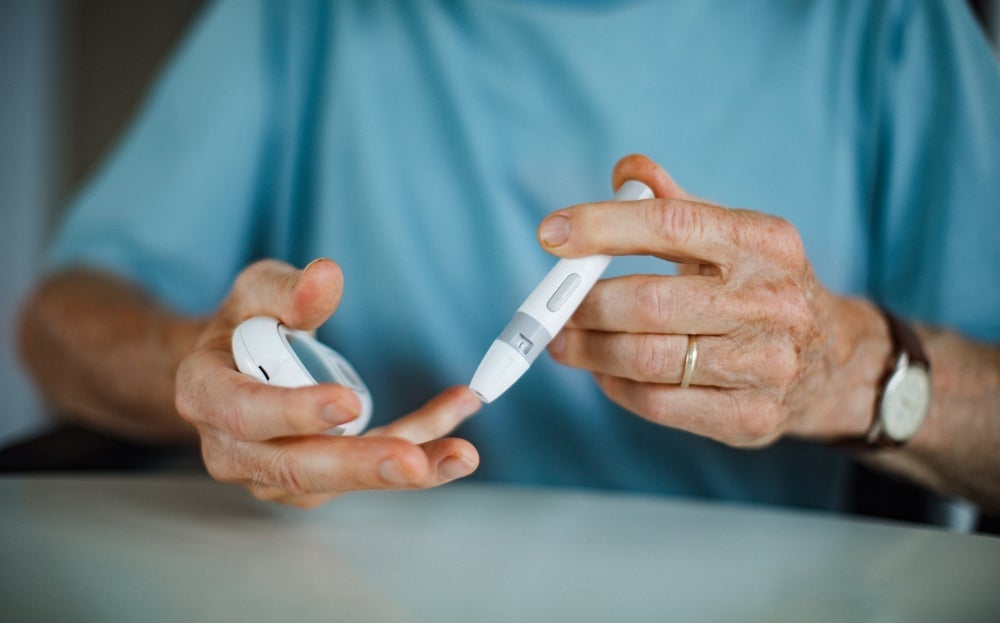
- Individuals with Limited Hand Movement: Conditions like arthritis, tremors, or other neurological disorders can make precise daily injections challenging. The pre-filled, user-friendly pen, administered once a week, mitigates these physical barriers, offering a practical solution for a significant patient group.
n
n
n
n
n
n
n
Potential Healthcare System Efficiencies
Beyond individual patient benefits, Onswik holds the promise of yielding efficiencies within the broader healthcare system. While the initial acquisition cost of a novel weekly insulin might be higher than generic daily insulins, the potential for long-term savings through improved patient outcomes and reduced healthcare resource utilization is significant. Better adherence, driven by the convenience of Onswik, can lead to more stable blood glucose control, which in turn reduces the incidence of diabetes-related complications requiring hospitalizations, specialist consultations, or emergency interventions. These complications represent a substantial cost burden on the NHS. Furthermore, the reduced need for daily injection training, follow-up, and support from community nurses or carers could free up valuable healthcare professional time, allowing them to focus on other critical aspects of patient care, such as education, lifestyle management, and complex case management. NICE’s positive recommendation inherently acknowledges this balance between upfront investment and long-term value, aligning Onswik with the NHS’s commitment to delivering cost-effective

