Cyclic mastalgia premenstrual breast pain – Cyclic mastalgia, premenstrual breast pain, is a common condition affecting many women. This detailed guide explores the causes, symptoms, diagnosis, and various treatment options for managing this often-disruptive discomfort. We’ll delve into the intricacies of this condition, examining its relationship with the menstrual cycle, potential underlying mechanisms, and how to improve your quality of life.
From understanding the different types of breast pain and their distinguishing features, to exploring the diagnostic process, we’ll provide you with the knowledge to navigate this condition effectively. We’ll also uncover practical strategies to manage pain, improve your quality of life, and explore proactive measures to potentially lessen its impact.
Defining Cyclic Mastalgia and Premenstrual Breast Pain
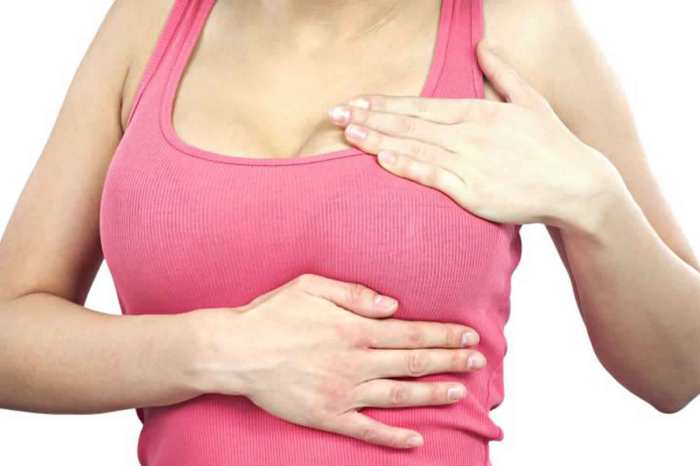
Cyclic mastalgia, often referred to as premenstrual breast pain, is a common condition affecting women of reproductive age. It’s characterized by breast tenderness, swelling, and pain that fluctuates with the menstrual cycle, typically worsening in the days leading up to menstruation. Understanding the specific characteristics, triggers, and comparisons to other breast pain conditions is crucial for accurate diagnosis and effective management.Cyclic mastalgia is a form of breast pain directly linked to hormonal fluctuations during the menstrual cycle.
The hormonal changes associated with the premenstrual phase are believed to be the primary cause, leading to increased water retention and sensitivity in breast tissue.
Characteristics of Cyclic Mastalgia
Cyclic mastalgia is typically characterized by breast pain that worsens in the days leading up to menstruation. The pain is often described as a dull ache, tenderness, or fullness in one or both breasts. The pain may be localized or diffuse, affecting the entire breast or just certain areas. Symptoms often improve or resolve shortly after menstruation begins.
Relationship to the Premenstrual Phase
The premenstrual phase of the menstrual cycle is directly associated with the onset and exacerbation of cyclic mastalgia. The fluctuations in estrogen and progesterone levels during this phase can lead to changes in breast tissue, increasing sensitivity and causing pain. These hormonal changes trigger water retention in the breasts, contributing to the swelling and discomfort.
Comparison with Other Breast Pain Conditions
Differentiating cyclic mastalgia from other breast pain conditions is important for appropriate treatment. While both can involve breast tenderness, the cyclical nature and timing relative to the menstrual cycle are key distinguishing factors. For instance, non-cyclic breast pain may persist throughout the month or be associated with other symptoms, such as a lump or nipple discharge. Fibrocystic breast changes, while often associated with cyclical pain, can also present with palpable lumps or thickening of the breast tissue.
A thorough medical evaluation is essential to rule out other potential causes of breast pain.
Common Triggers and Contributing Factors
Several factors can contribute to or exacerbate cyclic mastalgia. Dietary factors, such as caffeine intake and salty foods, can contribute to water retention, which may worsen breast pain. Stress and anxiety can also impact hormone levels, potentially influencing the severity of cyclic mastalgia. Certain medications and underlying medical conditions may also play a role. For instance, some medications can affect hormone balance.
It’s crucial to consult a healthcare professional for personalized guidance on identifying and addressing potential contributing factors.
Ugh, cyclic mastalgia – premenstrual breast pain is no fun. It’s a real pain point, often accompanied by other symptoms. Interestingly, some research suggests potential connections to conditions like IBS A, or alternating type irritable bowel syndrome, ibs a alternating type irritable bowel syndrome. While the exact relationship isn’t fully understood, it’s a fascinating area of study, and potentially points to overlapping underlying mechanisms.
So, back to the breast pain – it’s still a frustrating experience, and I’m hoping for more answers soon!
Table of Breast Pain Types
| Pain Type | Onset | Duration | Location | Associated Symptoms |
|---|---|---|---|---|
| Cyclic Mastalgia | Premenstrual | Cyclical, improves/resolves after menstruation | One or both breasts, potentially diffuse or localized | Tenderness, swelling, fullness |
| Non-Cyclic Mastalgia | Can occur at any time | Persistent or intermittent | One or both breasts | May include other symptoms like lump, nipple discharge |
| Fibrocystic Breast Changes | Often cyclical, but not always | Cyclical or persistent | Often multiple areas in the breast | Palpable lumps, thickening of breast tissue, pain, tenderness |
Symptoms and Diagnosis

Cyclic mastalgia, or premenstrual breast pain, is a common condition affecting many women. Understanding the symptoms and the diagnostic process is crucial for accurate identification and appropriate management. This can significantly improve a woman’s quality of life and help in preventing unnecessary anxieties or misdiagnoses.The symptoms of cyclic mastalgia and premenstrual breast pain are often linked to hormonal fluctuations, typically preceding menstruation.
These fluctuations influence the breast tissue, leading to tenderness, swelling, and pain. A thorough understanding of these symptoms is essential for both self-awareness and proper medical evaluation.
Typical Symptoms
The symptoms of cyclic mastalgia often manifest in a cyclical pattern, directly correlating with the menstrual cycle. Common symptoms include breast tenderness, swelling, and pain. These sensations can vary in intensity, from mild discomfort to severe pain, and can be localized to specific areas of the breast.
- Breast Tenderness: A common symptom is the feeling of soreness or sensitivity in the breasts. This may feel like a dull ache or a sharp, throbbing pain. Examples include the sensation of a pulling or stretching feeling.
- Breast Swelling: Breast tissue can increase in size and feel fuller or heavier. This swelling may be accompanied by a feeling of tightness or pressure. This can be noticed more prominently before menstruation.
- Painful Nodules or Lumps: Occasionally, women may experience painful lumps or knots within the breast tissue. These lumps can vary in size and are often tender to the touch. Examples may include feeling of a firm or hard area within the breast tissue.
- Changes in Breast Texture: The texture of the breast tissue may change, becoming more firm or lumpy, often in the days or weeks leading up to menstruation.
- Breast Pain Location: The pain associated with cyclic mastalgia can be localized to one or both breasts. Pain can also radiate to the armpits or upper chest area.
Diagnostic Process
Diagnosing cyclic mastalgia involves a multi-faceted approach, combining a thorough history, physical examination, and potentially imaging techniques. The goal is to rule out other potential causes of breast pain.
A comprehensive medical history is crucial, focusing on the timing of symptoms relative to the menstrual cycle, the location and intensity of pain, and any associated symptoms. A physical examination of the breasts is essential to assess the size, shape, tenderness, and presence of any lumps or masses. This allows for the evaluation of the consistency and texture of the breast tissue.
Imaging techniques, such as mammography or ultrasound, may be employed in certain situations. Mammography is often used to evaluate women over a certain age or those with a family history of breast cancer, while ultrasound may be used to further assess breast tissue if needed.
Diagnostic Criteria Summary
| Criteria | Description |
|---|---|
| Timing | Pain is cyclical, typically worsening in the week or two before menstruation and improving after menstruation. |
| Location | Pain can be localized to one or both breasts, potentially radiating to the armpits or upper chest. |
| Severity | Pain intensity varies, ranging from mild discomfort to severe pain. |
| Symptoms | Symptoms often include breast tenderness, swelling, and possible changes in breast texture. |
Ruling Out Other Causes
It is vital to rule out other potential causes of breast pain. Conditions such as fibrocystic breast changes, mastitis, or even less common conditions like breast cancer require differentiation. A proper medical evaluation helps in excluding these potential causes and ensures that the appropriate management is applied.
Treatment Options and Management Strategies: Cyclic Mastalgia Premenstrual Breast Pain
Dealing with cyclic mastalgia, or premenstrual breast pain, often involves a multifaceted approach. It’s crucial to understand that a personalized treatment plan is key, tailoring strategies to individual needs and sensitivities. Effective management combines various techniques, from lifestyle adjustments to medication and support. Finding the right balance can significantly alleviate discomfort and improve quality of life.Understanding the interplay of hormonal fluctuations and lifestyle factors is vital in developing a personalized strategy.
A combination of approaches often proves most successful, acknowledging the unique experiences of each individual.
Non-Pharmacological Approaches, Cyclic mastalgia premenstrual breast pain
Lifestyle modifications play a significant role in managing cyclic mastalgia. Dietary changes, stress reduction techniques, and regular exercise can all contribute to symptom alleviation.
- Dietary Modifications: Reducing consumption of caffeine, alcohol, and highly processed foods can potentially lessen breast tenderness. A balanced diet rich in fruits, vegetables, and whole grains may also be beneficial. Maintaining a healthy weight is another key aspect, as fluctuations in weight can sometimes exacerbate symptoms. Keeping a food journal to identify potential triggers is helpful.
- Stress Management: Chronic stress can contribute to hormonal imbalances, potentially impacting breast pain. Incorporating stress-reducing activities, such as yoga, meditation, or deep breathing exercises, can be beneficial. Prioritizing sufficient sleep and establishing a consistent sleep schedule can also significantly impact stress levels.
- Regular Exercise: Physical activity can help regulate hormones and improve overall well-being. Regular exercise can also help manage stress, contributing to reduced breast pain. Even moderate exercise, such as brisk walking or swimming, can have a positive impact.
- Supportive Bra: A well-fitting supportive bra can provide comfort and reduce pressure on the breasts, particularly during periods of increased tenderness. A supportive bra can lessen the discomfort and pressure that often worsens breast pain.
Pharmacological Interventions
Medication and hormone therapies can be considered in conjunction with lifestyle modifications. However, these approaches should be discussed and prescribed by a healthcare professional.
- Over-the-Counter Pain Relievers: Nonsteroidal anti-inflammatory drugs (NSAIDs), such as ibuprofen or naproxen, can help alleviate mild to moderate pain. These medications can be helpful in managing discomfort during the premenstrual phase.
- Hormonal Contraceptives: Oral contraceptives, birth control pills, and other hormonal methods can regulate hormonal cycles, potentially reducing the severity and frequency of cyclic mastalgia. These methods can be effective in stabilizing hormonal fluctuations.
- Prescription Medications: In some cases, healthcare providers may prescribe specific medications to address underlying conditions or symptoms. For example, certain antidepressants can have a positive impact on pain management in some individuals. These medications are often prescribed when other methods are not effective.
Creating a Personalized Treatment Plan
A comprehensive treatment plan for cyclic mastalgia involves a collaboration between the patient and their healthcare provider. This plan should be tailored to the individual’s specific needs and preferences. A detailed discussion of symptoms, triggers, and lifestyle factors is essential.
- Symptom Tracking: Regularly tracking breast pain, including its intensity, location, and timing, can help identify patterns and triggers. This data can help the healthcare provider understand the nature of the pain.
- Communication with Healthcare Provider: Open and honest communication with a healthcare professional is essential. Sharing personal experiences and preferences with the healthcare provider helps in developing a personalized plan. A healthcare professional can tailor the treatment strategy to the individual’s specific needs.
Summary of Treatment Approaches
| Treatment Approach | Description | Potential Benefits | Potential Drawbacks |
|---|---|---|---|
| Dietary Modifications | Reducing caffeine, alcohol, and processed foods. | Potential reduction in breast tenderness. | May require lifestyle changes. |
| Stress Management | Incorporating stress-reducing activities. | Improved overall well-being and potential reduction in breast pain. | Requires consistent effort and commitment. |
| Regular Exercise | Engaging in regular physical activity. | Potential hormone regulation and improved well-being. | Requires consistent effort and scheduling. |
| Supportive Bra | Wearing a well-fitting bra. | Comfort and reduced pressure on breasts. | May not be effective for all individuals. |
| Over-the-Counter Pain Relievers | NSAIDs like ibuprofen or naproxen. | Mild to moderate pain relief. | Potential for side effects, such as stomach upset. |
| Hormonal Contraceptives | Oral contraceptives. | Potential reduction in severity and frequency of cyclic mastalgia. | Potential for side effects and individual variations in response. |
Impact on Daily Life and Quality of Life
Dealing with cyclic mastalgia and premenstrual breast pain can significantly impact daily life, affecting everything from simple tasks to overall well-being. Understanding these impacts is crucial for effective management and improving quality of life. This often translates into decreased productivity at work or school, strained relationships, and a general feeling of discomfort and fatigue.This condition can manifest in various ways, impacting physical, emotional, and social aspects of a person’s life.
The pain and discomfort can lead to avoidance of certain activities, impacting social life and potentially affecting work or school performance. This often results in feelings of frustration, anxiety, and sometimes depression. Addressing these issues requires a multifaceted approach, combining medical interventions with lifestyle modifications and emotional support.
Impact on Daily Activities
The persistent pain associated with cyclic mastalgia and premenstrual breast pain can disrupt daily routines. Simple tasks, like reaching for objects or engaging in physical activities, can become uncomfortable or even painful. This can lead to limitations in physical activity, affecting exercise routines, hobbies, and even basic household chores. The discomfort can extend to social situations, potentially leading to decreased participation in activities with friends or family.
Psychological and Emotional Impacts
The chronic nature of the pain can have a significant psychological and emotional impact. Anxiety, irritability, and mood swings are common experiences for individuals dealing with these conditions. The uncertainty of when the pain will strike and the impact it will have can contribute to stress and emotional distress. Feeling limited by the pain can also impact self-esteem and body image.
Coping Strategies and Quality of Life Improvement
Effective coping strategies are essential for managing the impact of cyclic mastalgia and premenstrual breast pain on quality of life. These strategies should include both medical and non-medical approaches. A multidisciplinary approach is highly recommended, encompassing medical professionals, therapists, and support systems.
Importance of Patient Education and Support Groups
Understanding the condition and its potential impacts is crucial for managing cyclic mastalgia and premenstrual breast pain. Patient education empowers individuals to make informed decisions about their care and treatment. Support groups provide a safe and empathetic environment where individuals can share experiences, offer support, and learn coping strategies from others facing similar challenges.
Ugh, cyclic mastalgia – premenstrual breast pain is no fun. It’s a common condition, but it can really impact your quality of life. While we’re on the topic of health concerns, did you know that the percentage of smokers who develop lung cancer varies depending on factors like the amount smoked and duration of smoking? Check out this interesting statistic on what percentage of smokers get lung cancer to learn more.
Thankfully, there are ways to manage cyclic mastalgia, like lifestyle changes and sometimes medication, so don’t let it get you down!
Potential Lifestyle Changes to Alleviate Pain
| Lifestyle Change | Description | Potential Impact on Pain |
|---|---|---|
| Regular Exercise | Incorporating regular physical activity, such as walking, swimming, or yoga, into a routine. | May help regulate hormones, reduce stress, and improve overall well-being, potentially leading to decreased pain severity. |
| Stress Management Techniques | Practicing stress-reducing techniques, such as meditation, deep breathing exercises, or mindfulness. | Stress can exacerbate pain; managing stress can contribute to pain reduction. |
| Dietary Adjustments | Avoiding foods that may trigger or worsen symptoms, such as caffeine, alcohol, and processed foods. Prioritizing a balanced diet rich in fruits, vegetables, and whole grains. | Some individuals find that certain foods exacerbate symptoms; dietary adjustments can help minimize pain. |
| Adequate Sleep | Prioritizing sufficient sleep and establishing a regular sleep schedule. | Adequate sleep is essential for overall health and well-being; lack of sleep can exacerbate pain. |
| Supportive Bra Wear | Wearing supportive bras, especially during periods of increased discomfort. | Supportive bras can provide comfort and reduce pressure on the breasts, potentially alleviating pain. |
Underlying Mechanisms and Research
Understanding the root causes of cyclic mastalgia and premenstrual breast pain is crucial for developing effective treatment strategies. Research continues to shed light on the intricate interplay of hormones, genetics, and other factors that contribute to these painful experiences. This exploration delves into the potential underlying mechanisms, ongoing research areas, and the current understanding of hormonal influences.The complex nature of cyclic mastalgia and premenstrual breast pain involves a multifaceted interplay of factors.
While the exact mechanisms aren’t fully elucidated, research suggests that fluctuations in hormone levels, particularly estrogen and progesterone, play a significant role. Genetics may also influence individual susceptibility, and other contributing factors like stress and diet are being investigated.
Hormonal Influences
Hormonal fluctuations during the menstrual cycle are a key factor in cyclic mastalgia. Estrogen and progesterone levels rise and fall throughout the cycle, impacting breast tissue. These hormonal changes can lead to increased water retention, inflammation, and breast tissue sensitivity. Elevated estrogen levels are thought to stimulate breast tissue growth and proliferation, while progesterone fluctuations can influence the balance of these processes.
Research has explored the relationship between hormonal levels and pain intensity, seeking correlations between specific hormone levels and symptom severity. Furthermore, studies have investigated the potential role of other hormones, such as prolactin and growth hormone, in the development of premenstrual breast pain.
Genetic Predisposition
Genetic factors likely play a role in individual susceptibility to cyclic mastalgia and premenstrual breast pain. Family history studies are ongoing to identify potential genetic markers associated with the condition. Research is investigating whether specific genes influence hormone metabolism, breast tissue sensitivity, or other relevant physiological processes. Identifying these genetic predispositions could pave the way for personalized treatment strategies.
Ugh, cyclic mastalgia – premenstrual breast pain is no fun. It’s like my poor breasts are protesting every month! Sometimes, the pain is manageable with over-the-counter remedies, but for more intense discomfort, comparing pain relievers like Conzip vs Percocet can be helpful. Knowing the difference in their effects and potential side effects is crucial. For a detailed look at Conzip vs Percocet, check out this helpful resource: conzip vs percocet what s the difference.
Ultimately, figuring out the best approach to managing this monthly discomfort requires a conversation with your doctor, though. It’s all about finding what works best for your individual needs.
Other Contributing Factors
Beyond hormonal fluctuations and genetics, various other factors can contribute to cyclic mastalgia and premenstrual breast pain. Dietary factors, such as caffeine intake and salt consumption, have been implicated in some studies. Stress and anxiety levels can also influence hormone regulation and contribute to pain perception. Lifestyle factors, including exercise and sleep patterns, may also play a role.
Research is exploring the impact of these factors, seeking to identify correlations between specific lifestyle choices and pain severity.
Research Findings Summary
| Research Finding | Description | Implications |
|---|---|---|
| Hormonal fluctuations (estrogen, progesterone) | Significant fluctuations in estrogen and progesterone levels during the menstrual cycle influence breast tissue sensitivity and growth. | Understanding these fluctuations allows for targeted interventions and potential preventative measures. |
| Genetic predisposition | Studies suggest a potential link between specific genes and susceptibility to cyclic mastalgia. | Identifying genetic markers could lead to personalized risk assessment and targeted therapies. |
| Dietary factors (e.g., caffeine, salt) | Dietary factors like caffeine and salt intake may exacerbate breast pain. | Dietary modifications may offer a non-pharmacological approach to managing symptoms. |
| Stress and anxiety | Stress and anxiety levels may influence hormone regulation and contribute to pain perception. | Stress management techniques might play a role in reducing symptom severity. |
Preventive Measures and Proactive Approaches
Managing cyclic mastalgia effectively often involves proactive strategies to reduce its frequency and intensity. By understanding potential triggers and adopting healthy lifestyle choices, women can significantly improve their comfort and quality of life. This proactive approach encompasses dietary adjustments, stress management techniques, and regular self-care practices.Adopting preventive measures is crucial for long-term symptom relief and well-being. These strategies focus on identifying and mitigating factors that contribute to breast pain, enabling women to take control of their health and experience more comfortable periods.
Dietary Modifications
Dietary adjustments play a significant role in managing cyclic mastalgia. Certain foods and beverages may exacerbate breast tenderness. Reducing intake of caffeine, alcohol, and highly processed foods can contribute to a noticeable decrease in breast pain. A balanced diet rich in fruits, vegetables, and whole grains provides essential nutrients and supports overall well-being. A balanced diet is often recommended for pain management.
Stress Management Techniques
Chronic stress can worsen various health issues, including cyclic mastalgia. Implementing stress-reduction techniques, such as yoga, meditation, deep breathing exercises, or spending time in nature, can help manage stress levels. Regular relaxation techniques can positively impact the overall well-being of individuals experiencing cyclic mastalgia.
Lifestyle Factors
Maintaining a healthy lifestyle is essential for overall well-being and can positively impact breast pain. Regular exercise, sufficient sleep, and avoiding smoking contribute to reduced inflammation and improved hormonal balance. These lifestyle adjustments, in combination with other strategies, can contribute to a more comfortable and manageable experience for those experiencing cyclic mastalgia.
Regular Breast Exams and Self-Awareness
Regular breast exams, both clinical and self-exams, are crucial for early detection of potential issues. Self-awareness of breast changes and prompt reporting to a healthcare provider are vital. Early detection and prompt intervention are crucial in managing any health concerns, and this is no exception for women experiencing cyclic mastalgia.
Preventive Strategies and Effectiveness
| Strategy | Description | Effectiveness |
|---|---|---|
| Dietary Modifications (reduced caffeine, alcohol, processed foods) | Adopting a balanced diet rich in fruits, vegetables, and whole grains. | Generally positive, as certain foods may exacerbate pain. |
| Stress Management (yoga, meditation, deep breathing) | Implementing regular relaxation techniques to reduce stress levels. | Often reported to provide relief from pain associated with stress. |
| Lifestyle Factors (regular exercise, sufficient sleep, smoking cessation) | Maintaining a healthy lifestyle through exercise, sleep, and avoiding smoking. | Contributes to overall well-being and can potentially reduce pain. |
| Regular Breast Exams (clinical and self-exams) | Regular check-ups with a healthcare provider and self-awareness of breast changes. | Essential for early detection of any potential issues. |
Final Wrap-Up
In conclusion, cyclic mastalgia, or premenstrual breast pain, is a multifaceted condition that can significantly impact daily life. While there’s no single cure-all, understanding the condition’s characteristics, symptoms, and treatment options empowers women to take control of their health and well-being. Remember, proactive management and open communication with healthcare professionals are key to effectively navigating this common challenge.