
Geneva, Switzerland – September 25, 2026 – In a landmark move poised to significantly bolster global pandemic preparedness, a United Nations-backed public health organization, the Medicines Patent Pool (MPP), has finalized sub-licensing agreements with 11 manufacturers to facilitate the development and production of generic versions of Roche’s critical influenza treatment, Xofluza (baloxavir marboxil). This strategic initiative aims to dramatically expand access to the antiviral medication across 129 low- and middle-income countries (LMICs), marking a pivotal step towards equitable healthcare in the face of future influenza outbreaks.
n
The agreements, brokered through the MPP’s innovative voluntary licensing model, grant these manufacturers the rights to develop, produce, and supply generic versions of Xofluza, covering a vast geographical expanse that encompasses nearly all nations struggling with limited healthcare resources. Crucially, the pacts extend beyond mere manufacturing rights, providing the selected companies with essential technical data, access to reference products for bioequivalence studies, and comprehensive support to navigate the often-complex regulatory approval processes within these countries. This multifaceted approach underscores a concerted effort to ensure not only the availability but also the rapid and effective deployment of a vital medication where it is most needed.
n
This latest collaboration stands as a testament to the ongoing global commitment to addressing the persistent disparity in access to life-saving medicines between affluent and less-resourced nations. It highlights the complex tightrope walk the pharmaceutical industry often undertakes, balancing its imperative for innovation and financial viability with the ethical imperative to ensure its medical breakthroughs are accessible and affordable to the broadest possible patient population worldwide. As the world remains vigilant against the specter of new pandemics, this agreement offers a potent model for future collaborations designed to safeguard global health security.
n
n
The Core of the Agreement: Bridging the Access Gap
n
The sub-licensing deals for Xofluza represent a significant expansion of the global toolkit for combating influenza, particularly in regions historically underserved by advanced medical treatments. The agreements are meticulously designed to accelerate the availability of an effective antiviral in nations that are often disproportionately affected by infectious disease outbreaks due to strained healthcare infrastructures and limited financial resources.
n
Xofluza: A Critical Antiviral in the Influenza Arsenal
n
Xofluza, developed by Shionogi and licensed to Roche, is a first-in-class antiviral medication approved for the treatment of acute, uncomplicated influenza in patients aged 12 years and older. Unlike older antivirals that target neuraminidase, Xofluza works by inhibiting polymerase acidic endonuclease, a key enzyme necessary for viral replication. This novel mechanism of action allows it to reduce viral load quickly, potentially shortening the duration of symptoms and reducing the risk of complications. Its single-dose regimen also offers a significant advantage in terms of patient compliance, a crucial factor in managing widespread outbreaks, especially in settings where follow-up care might be challenging. Given influenza’s potential to cause severe illness, hospitalization, and even death, particularly among vulnerable populations such as the elderly, young children, and individuals with underlying health conditions, timely access to effective antivirals like Xofluza is paramount for both individual patient outcomes and broader public health.
n
The Medicines Patent Pool: A Proven Model for Equity
n
The Medicines Patent Pool (MPP), established in 2010 with the support of Unitaid, operates on a unique model of voluntary licensing and patent pooling. Its mission is to increase access to and facilitate the development of life-saving medicines for LMICs. The MPP negotiates with patent holders, typically pharmaceutical companies, to obtain licenses for essential medicines. These licenses allow the MPP to then sub-license to generic manufacturers, granting them the legal right to produce and sell affordable generic versions in specific territories. This mechanism bypasses the traditional barriers of intellectual property rights that often prevent LMICs from accessing newer, patented drugs due to their high cost. The MPP has a well-documented track record of success, particularly in the fields of HIV, hepatitis C, and tuberculosis, significantly reducing treatment costs and expanding availability in numerous countries. Its model has proven to be an effective bridge between innovation and access, ensuring that medical advancements reach those who need them most, rather than being confined to wealthier nations.
n
The Scope and Scale of the Sub-licensing Deals
n
The sheer scale of this agreement underscores its potential impact. Granting manufacturing and supply rights across 129 countries means that Xofluza generics will be available to a population of billions, covering a vast majority of the world’s low- and middle-income populations. The inclusion of comprehensive technical support, reference products for bioequivalence studies, and regulatory assistance is critical. This holistic approach ensures that the generic manufacturers are not merely given a license but are empowered with the necessary tools and knowledge to produce high-quality, safe, and effective medicines that meet international standards. This commitment to quality is crucial for building trust and ensuring the efficacy of the generic supply chain, particularly in regions where regulatory capacities may be nascent. The focus on pandemic preparedness highlights that this is not just about treating sporadic cases but about building resilient health systems capable of responding to large-scale public health emergencies.
n
n
A Historical Perspective: The Imperative of Pandemic Preparedness
n
The current agreement is not an isolated event but rather a culmination of decades of learning from global health crises and the ongoing efforts to address systemic inequities in medicine access. The memory of past pandemics, and indeed the recent experience with COVID-19, provides a stark reminder of the urgent need for robust and equitable preparedness strategies.
n
Echoes of Past Pandemics: Learning from History
n
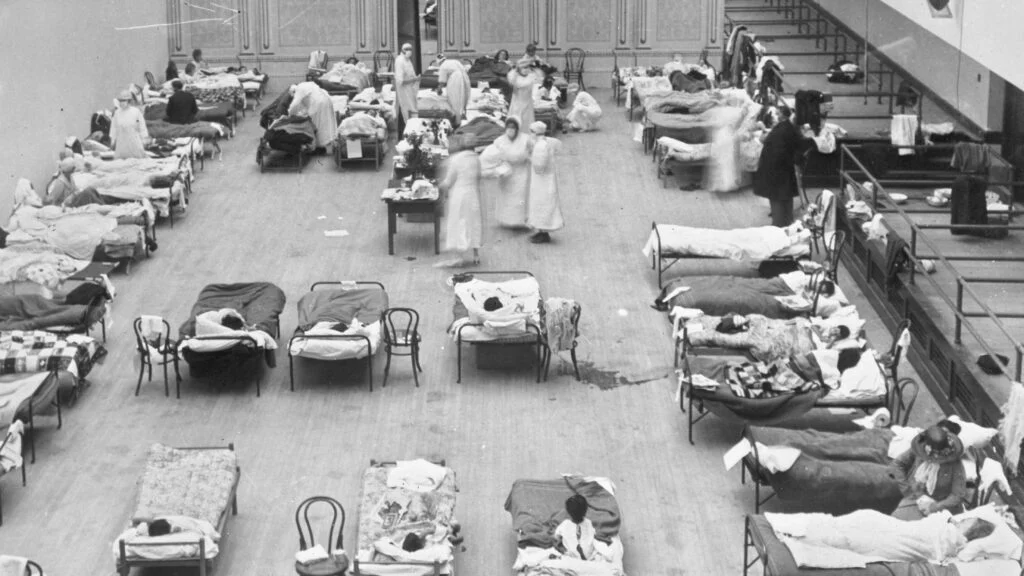
The world has repeatedly witnessed the devastating impact of influenza pandemics. From the catastrophic Spanish Flu of 1918-1919, which claimed tens of millions of lives globally, to more recent outbreaks like H1N1 in 2009, influenza viruses pose a perpetual threat. Each pandemic has highlighted critical gaps in global health infrastructure, particularly the uneven distribution of essential medical countermeasures. During the H1N1 pandemic, for instance, wealthier nations quickly secured vast quantities of antiviral medications and vaccines, often leaving LMICs scrambling for limited supplies. This created a stark two-tiered system where access to life-saving treatments was dictated more by economic power than by medical need. The COVID-19 pandemic further amplified these disparities, with vaccine and therapeutic nationalism delaying widespread access in many parts of the world. These historical lessons underscore the ethical and practical necessity of pre-emptive agreements like the Xofluza sub-licensing deal, ensuring that a critical antiviral is widely available before the next major influenza threat emerges.

n
The Evolution of Voluntary Licensing
n
The concept of voluntary licensing, particularly as championed by the MPP, represents an evolution in intellectual property management within the pharmaceutical sector. Historically, drug patents have provided innovators with exclusive rights for a period, allowing them to recoup research and development costs. While essential for fostering innovation, this exclusivity can create significant access barriers in LMICs. Voluntary licensing offers a middle ground: patent holders agree to license their intellectual property to other manufacturers, often for a fee or royalty, under specific terms and for designated territories. This model has gained traction as a pragmatic solution to balance innovation incentives with public health needs. It contrasts with compulsory licensing, where governments unilaterally allow generic production under specific public health emergencies, often leading to contentious legal disputes. The growing acceptance of voluntary licensing by major pharmaceutical companies signals a shift towards more collaborative and proactive approaches to global health equity.
n
Roche’s Strategic Decision and Collaborative Spirit
n
Roche’s decision to license Xofluza to the MPP reflects a broader trend among pharmaceutical giants to engage more actively in global public health initiatives. While driven partly by corporate social responsibility, such decisions also carry strategic benefits. Collaborating with organizations like the MPP can enhance a company’s reputation, demonstrate a commitment to global health, and potentially mitigate future pressures for compulsory licensing during public health crises. It also acknowledges the reality that many LMICs simply cannot afford patented drugs at high-income country prices. By facilitating generic production, Roche ensures that its innovation reaches a broader population, potentially preventing widespread suffering and economic disruption, which in turn can foster a more stable global environment. This collaborative spirit sets a precedent for how pharmaceutical innovation can be leveraged for the greater good, beyond the confines of traditional market dynamics.
n
n
Unpacking the Data: Global Health Disparities and Economic Realities
n
The decision to expand generic access to Xofluza is deeply rooted in the statistical realities of global health disparities and the economic leverage that generic manufacturing provides. The data consistently points to a disproportionate burden of disease in LMICs and the transformative potential of affordable medicines.
n
The Disproportionate Burden of Influenza in LMICs
n
Influenza, while a global concern, imposes a particularly heavy toll on LMICs. Factors such as densely populated urban centers, limited access to robust healthcare infrastructure, inadequate surveillance systems, and a higher prevalence of co-morbidities (e.g., malnutrition, HIV, tuberculosis) contribute to higher rates of severe illness and mortality. Diagnostic capabilities are often scarce, leading to delayed treatment and poorer outcomes. Furthermore, the economic impact of influenza outbreaks in these regions can be catastrophic, straining already fragile health systems, causing significant productivity losses, and pushing vulnerable households deeper into poverty. Providing access to effective antivirals like Xofluza in these settings is not just a medical intervention; it’s a critical component of socio-economic resilience and health equity. Data from the World Health Organization (WHO) consistently highlights the need for a global approach to influenza control, emphasizing that no country is truly safe until all countries are prepared.
n
The Economic Leverage of Generic Manufacturing
n
The economic implications of this agreement are profound. Generic drugs typically cost a fraction of their patented counterparts, making them affordable for national health budgets in LMICs and for individual patients. The competition among 11 generic manufacturers, all vying to supply 129 countries, is expected to drive down prices significantly, ensuring maximum affordability and widespread adoption. This cost reduction frees up resources that LMICs can then allocate to other critical health priorities, such as strengthening primary healthcare, expanding vaccination programs, or investing in essential medical equipment. Moreover, the ability to manufacture these drugs locally or regionally can stimulate economic growth, create skilled jobs, and reduce reliance on foreign imports, thereby enhancing national health security and supply chain resilience. This economic leverage is a cornerstone of the MPP model, demonstrating that public health goals can align with economic development.
n
The Role of Intellectual Property in Global Health
n
The debate surrounding intellectual property (IP) rights and global health has been a contentious one for decades. While patents incentivize innovation by guaranteeing a period of exclusivity and profit, critics argue they can impede access to essential medicines in developing countries. The Xofluza agreement, like other MPP deals, navigates this complex terrain by demonstrating a flexible approach to IP. It showcases how voluntary licensing can serve as a pragmatic solution, allowing patent holders to maintain some control and receive royalties while enabling widespread access. This contrasts with more radical proposals, such as the TRIPS waiver debated during the COVID-19 pandemic, which sought to temporarily suspend IP rights for vaccines and treatments. While the TRIPS waiver remains a point of discussion, voluntary licensing offers a collaborative, market-based mechanism that respects IP while addressing urgent public health needs, potentially fostering a more harmonious relationship between pharmaceutical innovation and global equity.
Voices from the Frontlines: Official Responses and Stakeholder Perspectives
The announcement of the Xofluza sub-licensing deals has been met with widespread acclaim from key stakeholders across the global health spectrum, each recognizing the multifaceted benefits of this collaborative effort.
The Medicines Patent Pool’s Vision for Universal Access
Charles Gore, Executive Director of the Medicines Patent Pool, emphasized the significance of the agreement, stating, "This partnership with Roche for Xofluza is a monumental step in our ongoing mission to ensure that no one is left behind when it comes to accessing life-saving medicines. Influenza remains a persistent global threat, and equipping 129 countries with affordable, high-quality generic versions of Xofluza is a critical component of true pandemic preparedness. We are not just facilitating access; we are building capacity and resilience in regions that need it most, learning from the lessons of past health crises to forge a more equitable future." His remarks underscore the MPP’s strategic focus on proactive measures and equitable distribution.
Roche’s Commitment to Global Public Health
For Roche, the agreement represents a tangible demonstration of its commitment to global public health. A spokesperson for Roche stated, "At Roche, our mission extends beyond developing innovative medicines; it encompasses ensuring these innovations reach patients worldwide, regardless of their economic circumstances. Our collaboration with the Medicines Patent Pool on Xofluza reflects our deep-seated belief in shared responsibility for global health security. We are proud to contribute to building stronger defenses against influenza pandemics, ensuring that effective treatment is available to those who need it most in low- and middle-income countries. This is a testament to our ongoing efforts to balance sustainable innovation with broad access." This statement highlights the company’s dual objectives of innovation and social responsibility.

The World Health Organization’s Endorsement
The World Health Organization (WHO) has long advocated for equitable access to essential medicines, particularly during outbreaks. Dr. Tedros Adhanom Ghebreyesus, Director-General of the WHO, lauded the initiative: "This agreement for Xofluza is precisely the kind of proactive, collaborative action needed to strengthen global health security. Influenza is not a threat that respects borders, and our response must be equally global and equitable. Ensuring affordable access to effective antivirals in 129 countries will save lives, alleviate suffering, and protect health systems from collapse during future influenza waves. This sets a powerful precedent for future partnerships between pharmaceutical innovators and global public health bodies." The WHO’s endorsement underscores the strategic importance of this agreement within the broader framework of international health regulations and pandemic preparedness.
Perspectives from Generic Manufacturers and Advocacy Groups
The 11 generic manufacturers involved have expressed their readiness to commence production. Representatives from various companies noted their robust manufacturing capabilities and commitment to quality. "This license allows us to leverage our expertise to produce a critical medicine at a fraction of the cost, directly contributing to the health and well-being of millions," said a CEO of one of the sub-licensees. Patient advocacy groups and NGOs, such as Doctors Without Borders (Médecins Sans Frontières), also welcomed the news. "For too long, innovative medicines have remained out of reach for patients in developing countries," commented a spokesperson for MSF. "This Xofluza deal offers a ray of hope, demonstrating that with political will and flexible intellectual property solutions, equitable access is achievable. We urge more pharmaceutical companies to follow this collaborative path." These responses collectively paint a picture of optimism and a shared sense of purpose in advancing global health equity.
Far-Reaching Implications: Shaping the Future of Global Health
The Xofluza sub-licensing agreement is more than just a transaction; it carries profound implications that could reshape how the world prepares for and responds to future health crises, particularly infectious disease outbreaks.
Bolstering Pandemic Resilience in Vulnerable Nations
The immediate and most critical implication is the substantial boost to pandemic resilience in the 129 covered countries. Access to generic Xofluza means that healthcare systems in these nations will have a vital tool to manage influenza outbreaks, potentially reducing severe cases, hospitalizations, and mortality rates. This readiness is crucial for preventing local epidemics from escalating into regional or global threats. It also provides a psychological boost to healthcare workers and populations, knowing that effective treatments are within reach. Furthermore, the capacity-building support offered to generic manufacturers helps establish a more robust and self-reliant pharmaceutical supply chain in LMICs, reducing dependence on external aid during emergencies and fostering a greater sense of national health security.
Economic Benefits and Local Capacity Building
Beyond direct health outcomes, the agreement promises significant economic benefits. The reduced cost of generic Xofluza will alleviate financial pressure on national health budgets, allowing for greater investment in other public health priorities. For the generic manufacturers, this deal represents an opportunity to expand their operations, create skilled jobs, and develop expertise in antiviral production, contributing to local economic growth. This localization of manufacturing capacity is vital for long-term health security, as it diversifies the global supply chain and reduces vulnerabilities associated with over-reliance on a few major producers. It fosters a virtuous cycle where health investments lead to economic development, which in turn can support further health improvements.
A Blueprint for Future Pharmaceutical Partnerships
The Xofluza agreement serves as a powerful blueprint for future collaborations between pharmaceutical innovators, public health organizations, and generic manufacturers. It demonstrates that voluntary licensing through entities like the MPP can effectively bridge the gap between proprietary innovation and universal access. This model could be applied to a wider range of essential medicines, particularly those critical for emerging infectious diseases, non-communicable diseases, or neglected tropical diseases. As the global health landscape continues to evolve, this collaborative approach offers a pragmatic and ethical pathway to ensure that scientific advancements benefit all of humanity, not just a privileged few. It champions a model where intellectual property is leveraged for global good rather than being a barrier to health.
Navigating Persistent Challenges and Future Horizons
While the agreement is a significant triumph, challenges remain. Ensuring consistent quality control across 11 manufacturers and diverse regulatory environments will require vigilance. Effective distribution logistics, particularly in remote areas, will need careful planning and investment. Furthermore, intellectual property debates are far from over, and future crises may still prompt calls for more radical measures like compulsory licensing. However, the Xofluza deal provides a strong foundation and a hopeful precedent. It signals a growing consensus that global health security is a shared responsibility, demanding innovative partnerships and a commitment to equity. As the world looks towards future pandemics, this agreement offers a crucial lesson: proactive collaboration, flexible IP management, and a focus on broad access are indispensable ingredients for a truly resilient global health system.
The Xofluza sub-licensing deals, championed by the Medicines Patent Pool and supported by Roche, mark a critical inflection point in the ongoing global effort to ensure equitable access to essential medicines. By empowering 11 manufacturers to produce generic versions for 129 low- and middle-income countries, this initiative not only strengthens immediate pandemic preparedness but also lays down a robust framework for future collaborations. It underscores the profound realization that in an interconnected world, health security for all nations is the only pathway to true security for any nation. This landmark agreement is a testament to what can be achieved when innovation, compassion, and strategic partnerships converge for the betterment of global public health.

