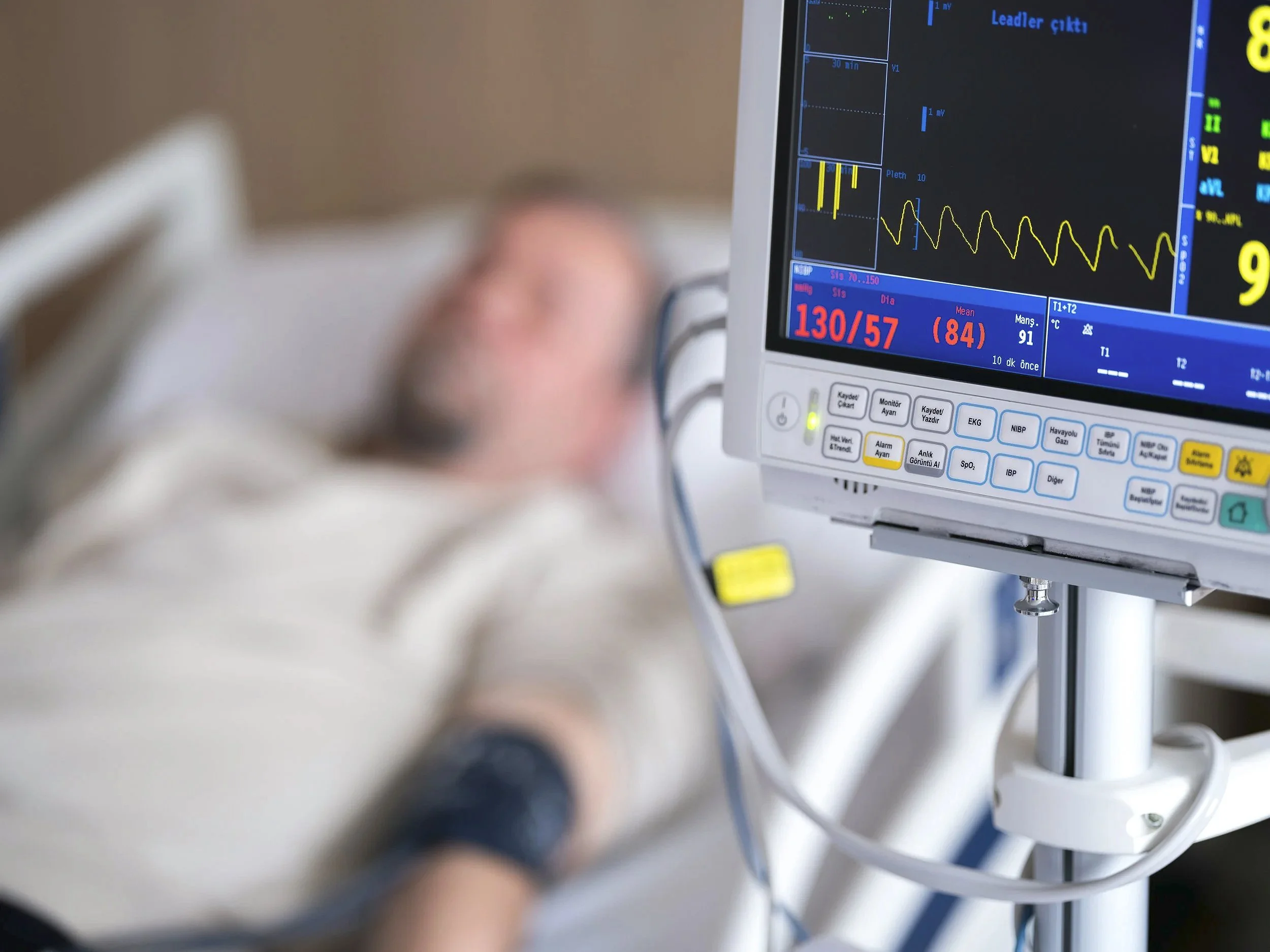
A groundbreaking study by researchers at Sweden’s Karolinska Institutet has revealed that individuals experiencing long COVID symptoms face a significantly elevated risk of developing various cardiovascular diseases, including serious conditions like cardiac arrhythmias, heart attack, and heart failure. Crucially, these increased risks were observed not only in patients who had severe acute COVID-19 infections requiring hospitalization but also in the vast majority who experienced only mild-to-moderate initial illness managed at home. This finding marks a pivotal shift in understanding the pervasive and potentially long-lasting health consequences of SARS-CoV-2 infection, extending the concern for cardiac health far beyond the most critically ill.
The Unseen Threat: Understanding Long COVID’s Evolving Scope
The COVID-19 pandemic, which began its global sweep in late 2019 and early 2020, rapidly evolved from an acute respiratory crisis into a complex public health challenge. While initial efforts focused on containing the spread and treating severe acute infections, it soon became evident that for a significant subset of individuals, recovery was not straightforward. Months after their initial infection, many reported a debilitating constellation of persistent symptoms, collectively termed "Long COVID" or Post-Acute Sequelae of SARS-CoV-2 infection (PASC). Common manifestations include profound fatigue, persistent breathlessness, and cognitive dysfunction often described as "brain fog." However, the scientific community has increasingly recognized that the virus’s impact extends far beyond these commonly cited symptoms, potentially affecting nearly every organ system, including the cardiovascular system.
Early research into COVID-19’s long-term effects primarily concentrated on patients who had been hospitalized, particularly those admitted to intensive care units. These individuals often presented with multiple pre-existing risk factors for cardiovascular disease, such as obesity, hypertension, and diabetes, making it challenging to disentangle the direct impact of the severe acute illness from the long-term sequelae of the infection itself. Furthermore, the sheer intensity of critical care interventions and the systemic inflammation associated with severe COVID-19 were presumed to be primary drivers of subsequent health issues. However, the vast majority of people who contracted COVID-19 were never hospitalized, managing their illness at home with mild or moderate symptoms. The question of whether this much larger group was also susceptible to long-term complications remained a critical, yet under-explored, area of research.
A Deeper Dive into Cardiovascular Vulnerability
Addressing this critical knowledge gap, Pia Lindberg, Artur Fedorowski, and Axel Carl Carlsson from the Karolinska Institutet embarked on a comprehensive study utilizing extensive healthcare data from over 1.2 million adults residing in Stockholm, Sweden. Their methodology focused specifically on individuals who had been diagnosed by a medical professional with long COVID following a mild-to-moderate infection that did not necessitate hospital admission. From this vast cohort, approximately 9,000 individuals were identified with a long COVID diagnosis. The researchers then meticulously tracked these patients over a period of up to four years, comparing their incidence of new cardiovascular diseases – including heart attack, heart failure, various arrhythmias, stroke, and peripheral arterial disease – against a control group of individuals who had not experienced long COVID and had no prior history of cardiovascular disease.
The findings were stark and significant. After the follow-up period, cardiovascular disease was demonstrably more prevalent among those diagnosed with long COVID. Among women with long COVID, 18% experienced some form of cardiovascular event, a figure more than double the 8% observed in women without long COVID. For men, the corresponding statistics showed that 21% with long COVID developed a cardiovascular condition, compared to 11% of men without long COVID. This translates to an overall risk for women with long COVID more than double that of their counterparts, while men faced approximately a 30% higher risk. These striking differences persisted even after rigorous adjustments for a wide array of confounding factors, including age, socioeconomic status, and underlying health conditions known to influence cardiovascular risk, such as high blood pressure, diabetes, high cholesterol, obesity, depression, smoking, and alcohol consumption. This robust statistical analysis strengthens the argument for a direct link between long COVID and increased cardiovascular risk, independent of many common pre-existing vulnerabilities.
Gender Disparities and Specific Cardiac Risks
The study also elucidated specific patterns of cardiovascular risk, highlighting important gender-based distinctions. The strongest associations were consistently observed for irregular heart rhythms (arrhythmias) and coronary heart disease in both men and women with long COVID. However, women with long COVID exhibited additional increased risks for heart failure and peripheral arterial disease. Interestingly, the study did not find a significant association between long COVID and an elevated risk of stroke, a finding that warrants further investigation and differentiation from other cardiovascular events. These nuanced findings suggest that the mechanisms through which long COVID impacts cardiovascular health may vary, and that gender-specific considerations are crucial for diagnosis and management. The fact that women experienced a more pronounced relative increase in overall cardiovascular risk (more than double) compared to men (around 30% higher) also underscores the need for gender-sensitive clinical guidelines and research.
Unraveling the Mechanisms: Why the Heart is Affected
While the association between long COVID and cardiovascular disease is becoming increasingly clear, the precise biological mechanisms driving this link are still under intensive investigation. Several compelling hypotheses have emerged. One prominent theory centers on the virus’s ability to directly affect the delicate lining of blood vessels, known as the endothelium. This can lead to "endothelial dysfunction," a condition where blood vessels are unable to dilate properly, contributing to reduced blood flow and increased risk of clot formation. The SARS-CoV-2 virus has been shown to induce long-lasting inflammation throughout the body, even after the acute infection has subsided. This chronic inflammation, coupled with potential changes in the immune system’s function, can create an environment conducive to the development and progression of cardiovascular diseases. Inflammatory markers like C-reactive protein (CRP) and D-dimer, often elevated during acute COVID-19, have also been linked to adverse cardiac outcomes.
Furthermore, growing evidence suggests that long COVID can disrupt the autonomic nervous system, the intricate network responsible for automatically regulating vital bodily functions such as heart rate, blood pressure, digestion, and body temperature. This disruption can manifest as conditions like postural orthostatic tachycardia syndrome (POTS), characterized by an abnormally large increase in heart rate upon standing, often accompanied by dizziness, fatigue, and other symptoms. The heightened prevalence of irregular heart rhythms among long COVID patients, as observed in the Karolinska study, could be directly linked to this autonomic dysregulation. Another important consideration is that long COVID might not always cause entirely new disease but rather unmask or accelerate underlying, previously undiagnosed conditions. Symptoms such as persistent chest pain or palpitations, common in long COVID, often prompt further medical evaluation, potentially leading to the earlier detection of pre-existing cardiovascular issues that might otherwise have remained silent for longer.
The Broader Context: Pre-existing Research and Global Impact
The findings from the Karolinska Institutet build upon a growing body of global research highlighting the cardiovascular implications of COVID-19. Studies have previously documented acute cardiac injuries during severe COVID-19, including myocarditis (inflammation of the heart muscle), pericarditis, and stress-induced cardiomyopathy. Even in seemingly recovered patients, imaging studies have sometimes revealed residual cardiac abnormalities. For example, a study published in JAMA Cardiology in 2020 found cardiac involvement in 78% of recovered COVID-19 patients and ongoing myocardial inflammation in 60%, irrespective of pre-existing conditions or severity of acute illness. While these early studies often focused on hospitalized populations, the Karolinska study provides crucial evidence extending these concerns to the vast non-hospitalized cohort, which represents the majority of infected individuals globally.
The global burden of long COVID is immense. Estimates vary widely, but the World Health Organization (WHO) and other health bodies recognize it as a significant and escalating public health concern. Millions worldwide are grappling with persistent symptoms, leading to substantial personal suffering, reduced quality of life, and significant economic repercussions due to lost productivity and increased healthcare utilization. Understanding the specific organ system impacts, particularly on the cardiovascular system, is critical for developing targeted interventions and long-term care strategies. The Karolinska Institutet, a globally renowned medical university, lends significant weight to these findings, reinforcing the urgency of addressing these post-viral complications.
Implications for Clinical Practice and Public Health
The implications of this study for clinical practice and public health are profound. The finding that long COVID, even after a mild initial infection, can significantly elevate the risk of cardiovascular disease suggests that it is far from a transient condition. Instead, it demands recognition as a potential long-term determinant of cardiovascular health. Dr. Artur Fedorowski, Professor of Cardiology at Karolinska Institutet and a co-author of the study, emphasized, "Our results underscore that even a mild initial COVID-19 infection can have lasting consequences for cardiovascular health. This necessitates a proactive approach to monitoring and managing these risks, especially in populations previously considered low-risk for severe outcomes."
Healthcare providers, particularly those in primary care, will need to be increasingly vigilant. Patients presenting with long COVID symptoms – especially women and younger individuals who showed a higher relative risk increase – may benefit from more structured follow-up. This should include comprehensive assessments for cardiovascular symptoms, such as palpitations, chest pain, and shortness of breath, as well as proactive management of traditional cardiovascular risk factors that may be exacerbated or unmasked by the lingering effects of the virus. Pia Lindberg, a registered nurse and co-author, noted, "Integrating these findings into routine primary care is crucial. Nurses and general practitioners are often the first point of contact for these patients and play a vital role in early identification and referral."
Public health strategies for cardiovascular risk assessment and prevention must now evolve to include long COVID as a relevant factor. This extends beyond specialist cardiology clinics into general practice, where the majority of long COVID patients are managed. Educating both healthcare professionals and the public about these potential long-term risks is paramount. While the overall absolute risk of cardiovascular disease at the population level remains relatively low, the relative increase in risk identified in this study is comparable to that seen with established cardiovascular risk factors like hypertension or diabetes, underscoring its clinical significance.
Expert Perspectives and Calls for Action
While the Karolinska team’s research provides robust evidence, the medical community acknowledges that more work is needed. Axel Carl Carlsson, a researcher and co-author, highlighted, "This study opens new avenues for understanding the complex interplay between viral infection and long-term cardiovascular health. We need to move quickly to translate these findings into actionable clinical guidelines." Public health bodies like the World Health Organization (WHO) and national health agencies are likely to integrate such findings into their evolving guidance on long COVID. A spokesperson from a hypothetical European Cardiology Society might state, "This study reinforces the critical need for a holistic approach to post-COVID care. Cardiologists, in collaboration with primary care physicians, must adapt their protocols to screen for and manage these emerging cardiovascular risks." General practitioners, often on the front lines, might express the need for clear pathways and resources to support this enhanced surveillance. "It adds another layer of complexity to patient care," a GP might say, "but it’s vital we don’t miss these potential long-term issues."
Looking Ahead: The Path for Future Research
The Karolinska Institutet study serves as a powerful catalyst for future research. One critical area involves understanding the long-term trajectory of these cardiovascular risks. Do they persist indefinitely, decrease over time, or even increase further? Longitudinal studies with extended follow-up periods are essential to answer these questions. Researchers also need to explore whether early identification and aggressive management of cardiovascular symptoms in long COVID patients can mitigate the risk of more serious complications down the line. This could involve investigating specific pharmacological interventions, lifestyle modifications, or rehabilitation programs tailored for this patient group.
Further research into biomarkers that can predict which long COVID patients are most at risk of developing cardiovascular disease would be invaluable. Identifying specific genetic predispositions or immunological profiles could pave the way for personalized risk assessments and preventative strategies. The interplay between long COVID, cardiovascular health, and other systemic effects – such as neurological or metabolic changes – also requires deeper exploration to develop comprehensive care models.
As the global population continues to grapple with the aftermath of the COVID-19 pandemic, the number of individuals living with long COVID is steadily growing. Understanding the full spectrum of its broader health consequences, particularly the subtle yet significant impact on cardiovascular health, will be indispensable. This knowledge is not only crucial for optimizing the care and outcomes for each individual patient but also for safeguarding the resilience and sustainability of healthcare systems worldwide in the face of a rapidly evolving post-pandemic landscape. The Karolinska study stands as a stark reminder that the battle against COVID-19 extends far beyond the acute infection, demanding sustained vigilance and scientific inquiry into its enduring legacy.